Striped Butternut Squash Seeds – F1 Hybrid, High-Yielding Vegetable Seeds
-50%

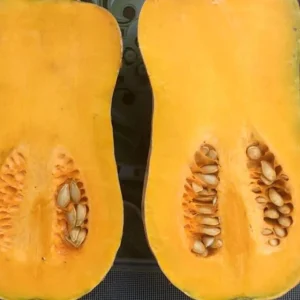

Striped Butternut Squash Seeds – F1 Hybrid, High-Yielding Vegetable Seeds
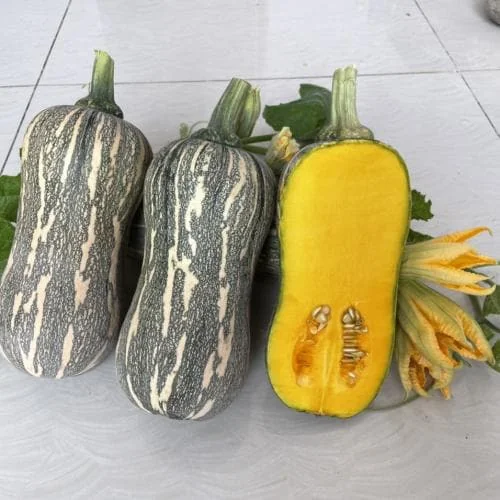
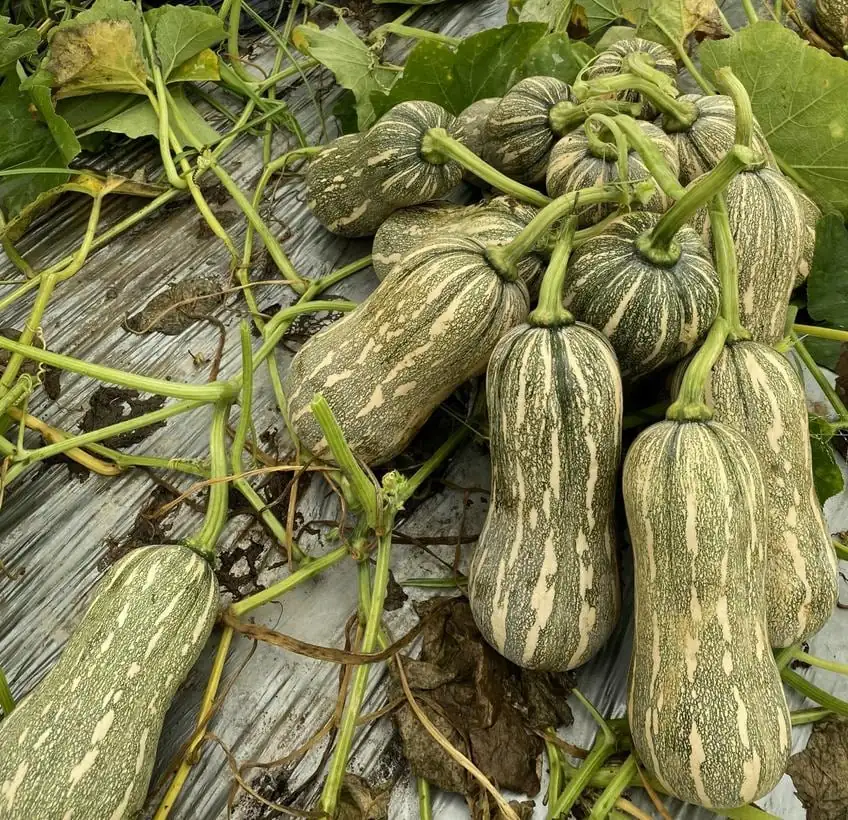
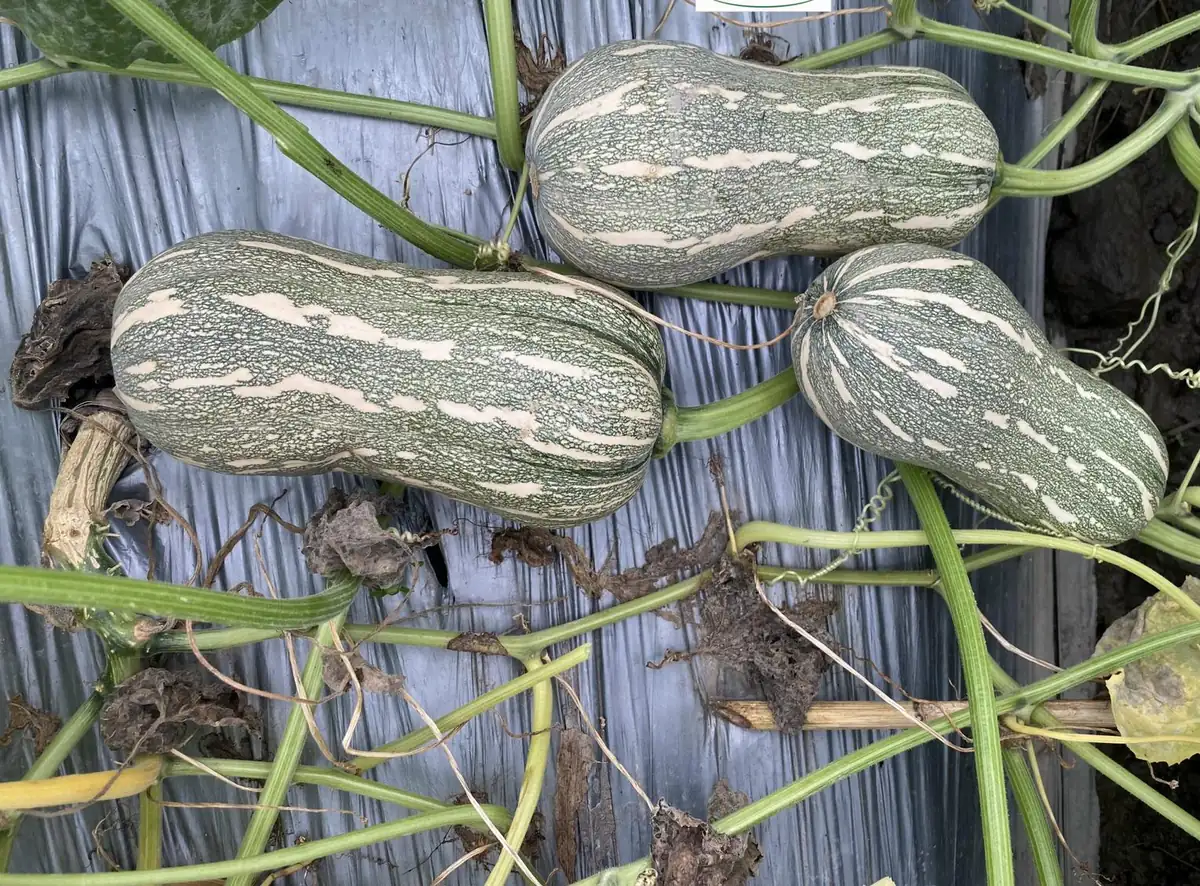
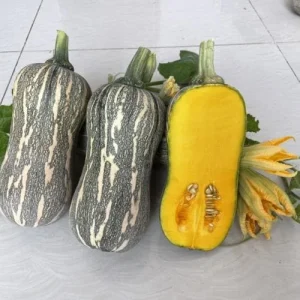
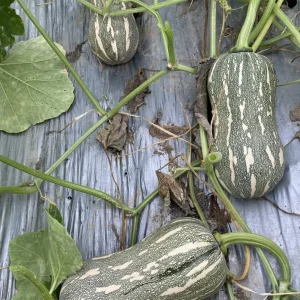
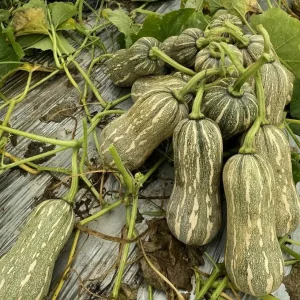
Cultivate your own delicious and visually appealing vegetables with our striped butternut squash seeds. These F1 hybrid squash seeds produce high-yielding plants with unique green-striped fruit, perfect for roasting, soups, and steaming. Enjoy sweet, nutty flavor and a smooth texture from your home garden.
From Original price was: $12.00.$6.00Current price is: $6.00.

With our Alive & Thrive Guarantee, we’ve got your back for the first 30 days! If you have any concerns about your plants, just reach out to us. Our team is here to help answer your questions and guide you in selecting the best plants for your garden, climate, and unique preferences. We're excited to help you create the garden of your dreams!
Estimated arrival
Apr 03
Apr 08 - Apr 10
Apr 13 - Apr 17



Product Details
-
USDA Hardiness Zone
unknown -
Soil type
well-drained, fertile soil with good organic matter -
Sunlight Exposure
full sun, at least 6-8 hours a day -
Expected Planting Period
late spring to early summer (after last frost)
Overview
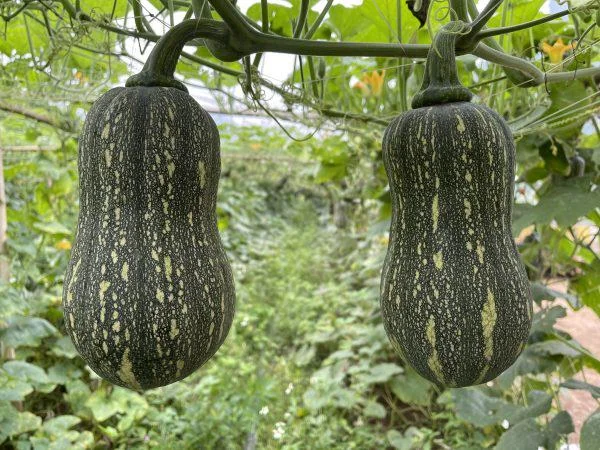
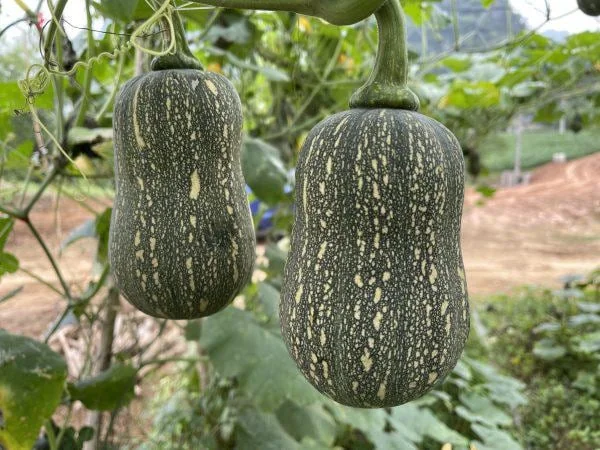
Embark on a rewarding gardening journey with our premium striped butternut squash seeds. These exceptional F1 hybrid squash seeds are engineered for consistent growth and superior yields, making them a fantastic choice for both novice and experienced gardeners. The squash variety is celebrated for its distinctive appearance, featuring an attractive green-striped skin and a classic bulbous bottom with an elongated neck. Beyond its unique look, this butternut squash is highly prized for its rich, sweet, and nutty flavor, coupled with a wonderfully smooth texture. It’s an incredibly versatile vegetable, ideal for a wide array of culinary applications, from hearty soups and comforting roasts to delicate steamed dishes. Growing your own green striped squash from these seeds ensures a fresh, flavorful harvest right from your backyard, providing a healthy and delicious addition to any meal.
Our striped butternut squash seeds promise a rewarding cultivation experience, yielding robust plants that produce bountiful harvests. The F1 hybrid designation signifies a crossbreed that combines the best traits of its parent plants, resulting in improved vigor, disease resistance, and higher productivity. These seeds are a smart investment for anyone looking to cultivate a gourmet-quality squash with ease and efficiency. Prepare to enjoy the satisfaction of harvesting your own beautiful and tasty butternut squash.
Key Benefits
Our striped butternut squash seeds offer numerous advantages, ensuring a successful and satisfying gardening experience for every enthusiast. From enhanced growth to superior taste, these seeds provide everything you need for a bountiful harvest.
- F1 Hybrid Squash Seeds: These F1 hybrid seeds are specifically bred for consistent growth, improved vigor, and significantly higher yields compared to open-pollinated varieties. This means more delicious squash for your efforts, ensuring a productive garden season.
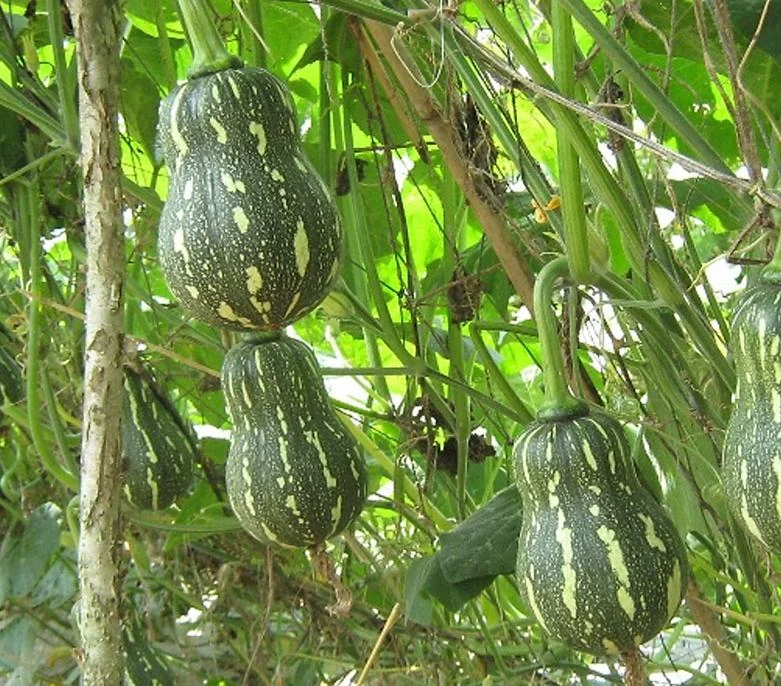
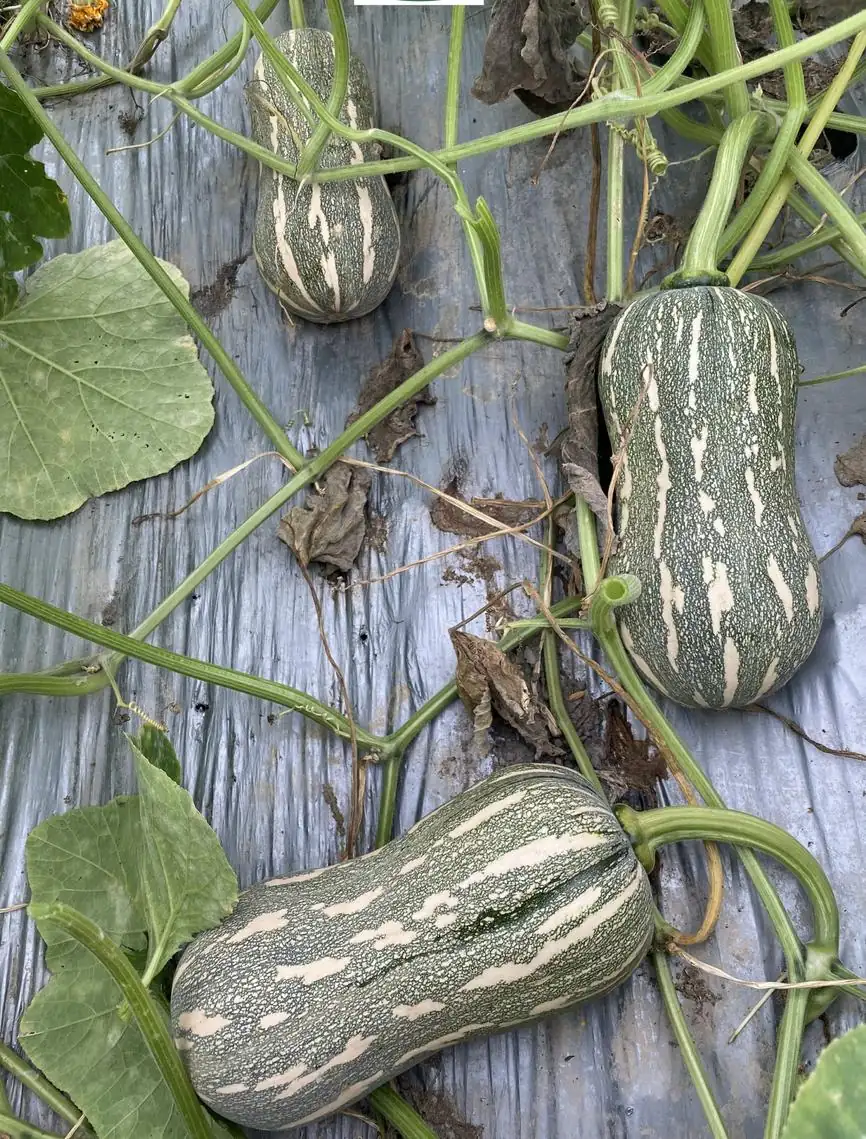
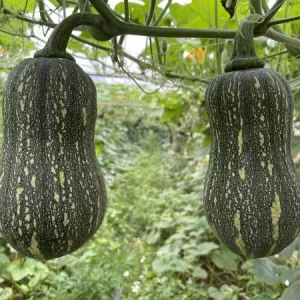
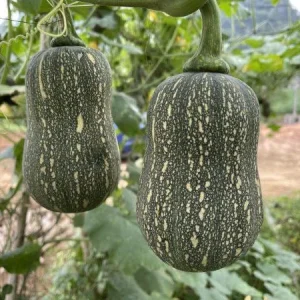
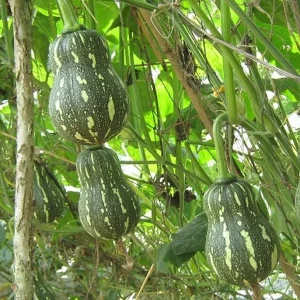
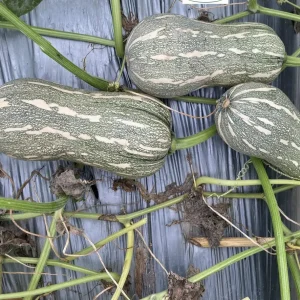
- Distinctive Appearance: The squash produced from these seeds boasts a truly unique and attractive green-striped skin. Its uniform shape, featuring a bulbous bottom and elongated neck, adds visual appeal to your garden and culinary presentations, making it a standout vegetable.
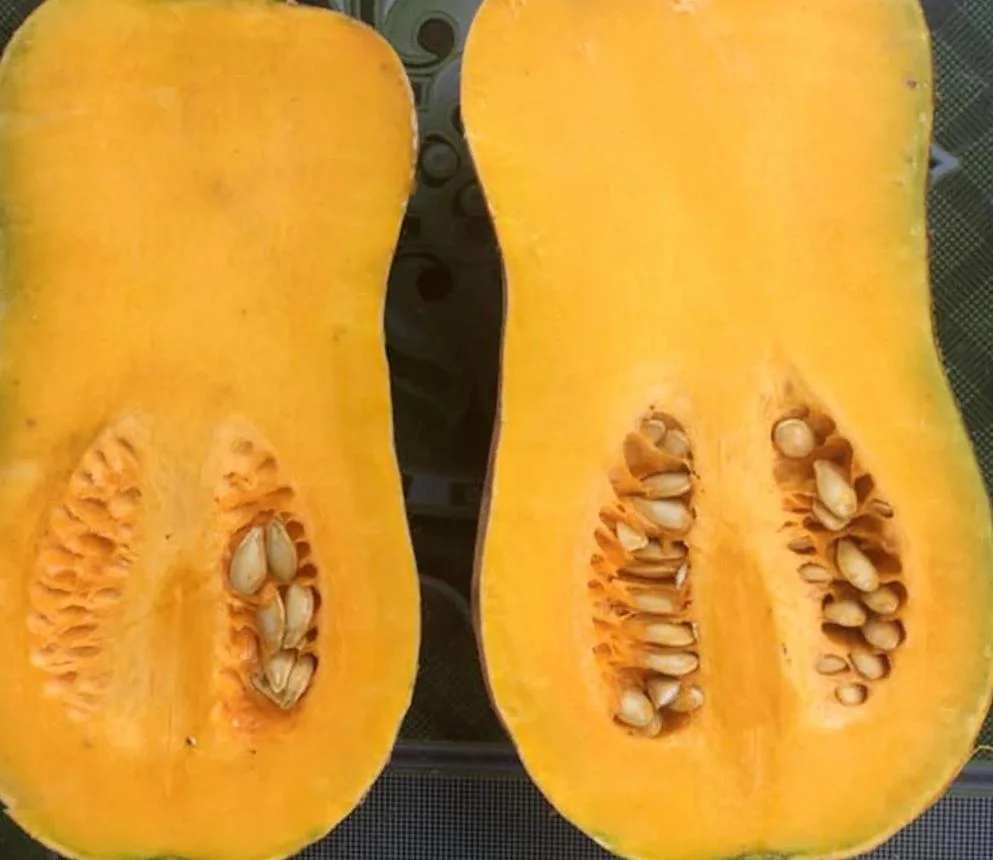
- Rich, Sweet Flavor: Renowned for its exceptional taste, this butternut squash offers a deliciously sweet and nutty flavor profile. Its smooth, creamy texture makes it an ideal ingredient for a wide variety of dishes, elevating the taste of your home-cooked meals.
- High Nutritional Value: Beyond its delightful taste, this squash is a powerhouse of nutrition. It’s rich in essential vitamins A and C, dietary fiber, and valuable antioxidants, contributing to a healthy and balanced diet. Growing your own ensures maximum freshness and nutrient retention.
- Easy to Grow: These seeds are suitable for gardeners of all skill levels. With straightforward planting and care instructions, even beginners can achieve impressive results and enjoy a successful harvest of high-quality squash. This makes them perfect for those new to cultivating high-yield vegetable seeds.
- Versatile Culinary Use: The excellent flavor and texture of this butternut squash make it incredibly versatile in the kitchen. It’s perfect for roasting, steaming, pureeing into soups, or incorporating into casseroles, offering endless culinary possibilities.
- Excellent Storage Potential: Once harvested, these butternut squash can be stored for an extended period in a cool, dry place, allowing you to enjoy your bounty well into the colder months.
Plant Care & Growing Tips
Successful cultivation of striped butternut squash seeds begins with understanding their specific needs for optimal growth. These plants thrive in warm conditions and require careful attention to soil, sunlight, and watering to produce a bountiful harvest. Plant your seeds after the last frost in late spring to early summer, ensuring the soil has warmed sufficiently. The ideal temperature range for growth is between 20-30°C (68-86°F), so choose a period when consistent warmth is expected. Prepare your garden bed with well-drained, fertile soil that is rich in organic matter. Incorporating plenty of compost will provide the necessary nutrients and improve soil structure, creating an ideal environment for your plants to flourish. These plants are sun-lovers, requiring at least 6-8 hours of full sunlight daily to develop strong vines and robust fruit.
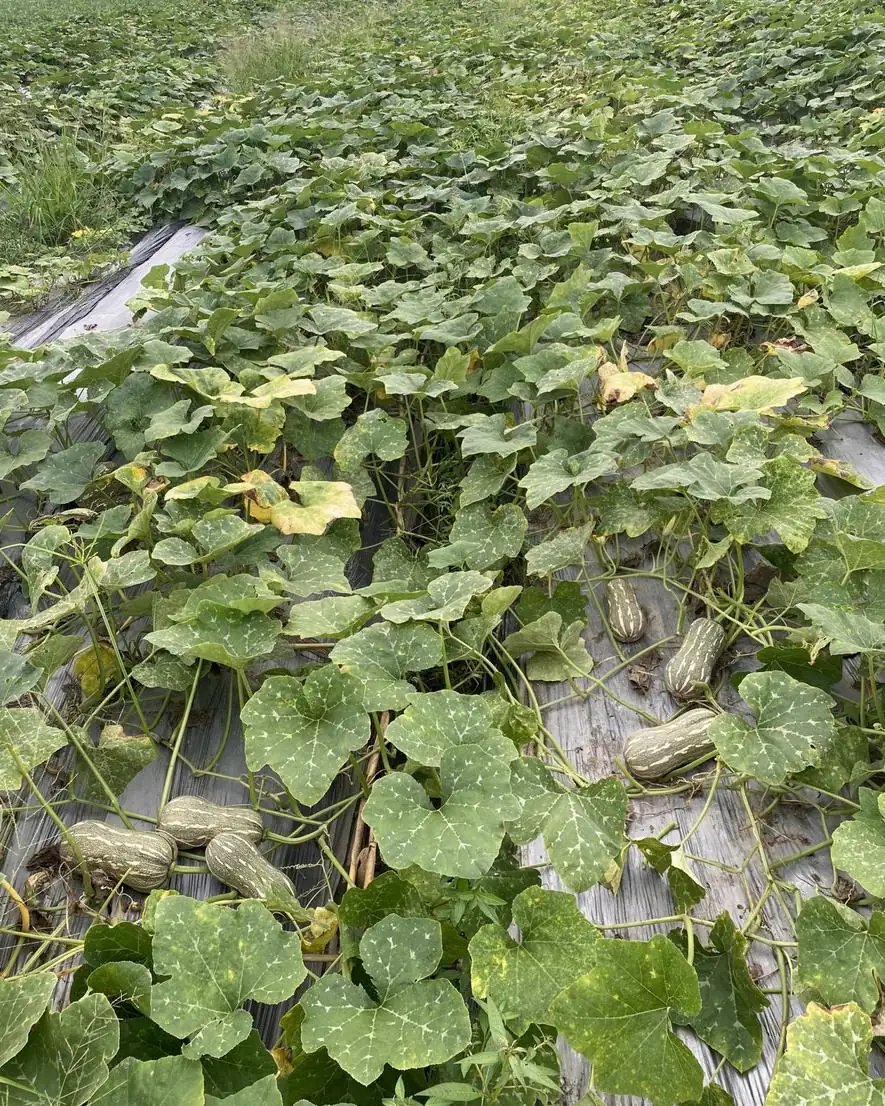
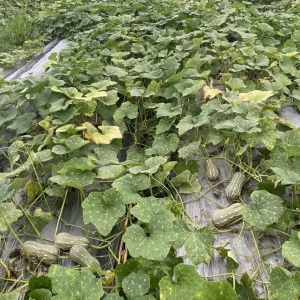
Watering is crucial, especially during dry spells and when fruits are developing. Provide consistent moisture, ensuring the soil remains evenly damp but not waterlogged. Deep watering encourages the roots to grow deeper, making the plants more resilient. As the vines spread, ensure they have ample space to grow, as butternut squash can take up a considerable area. You might consider trellising to save space and keep fruits off the ground. Fertilize regularly with a balanced organic fertilizer, especially once the plants start flowering and setting fruit, to support their rapid growth and fruit production. Monitor for common pests like squash bugs and vine borers, and address them promptly with organic pest control methods. Harvesting typically occurs in 75-100 days after sowing. You’ll know it’s time to harvest when the skin turns hard and the stems begin to dry and crack. Properly cured squash can be stored for several months in a cool, dry place, allowing you to enjoy your harvest long after the growing season ends. Following these guidelines will help ensure you get the best out of your butternut squash growing efforts.
Size & Details
Our striped butternut squash seeds are F1 hybrids, carefully selected to ensure vigorous growth and consistent fruit quality. Each packet contains a generous quantity of seeds, providing ample opportunity for a successful harvest in your home garden. These plants produce medium-sized squash, typically weighing between 2-4 pounds each, with a distinctive elongated neck and bulbous base. The mature squash will feature attractive green stripes on a tan background, adding visual interest. Plants have a spreading growth habit, with vines that can extend 10-15 feet, so adequate spacing is essential. They typically mature and are ready for harvest approximately 75-100 days after sowing, depending on growing conditions and climate. The seeds are packaged to ensure viability and are ready for planting upon arrival. Expect a productive yield of delicious, sweet, and nutty squash, perfect for a variety of culinary uses.
Frequently Asked Questions
- Q: How big does this squash get? A: The squash typically grows to be medium-sized, weighing between 2-4 pounds each, with an elongated neck and bulbous bottom. The vines themselves can spread up to 10-15 feet, requiring ample space in your garden for optimal growth.
- Q: Is this an indoor or outdoor plant? A: This butternut squash variety is an outdoor plant, requiring full sun and warm temperatures to thrive. It needs plenty of space for its vines to spread and produce fruit effectively.
- Q: How much sunlight does it need? A: For best results and a bountiful harvest of striped butternut squash seeds, these plants require full sun, meaning at least 6-8 hours of direct sunlight per day. Adequate sunlight is crucial for fruit development and flavor.
- Q: Is this plant easy to care for? A: Yes, this F1 hybrid butternut squash is considered relatively easy to grow, making it suitable for both beginner and experienced gardeners. Following basic guidelines for planting, watering, and sunlight will lead to success in your butternut squash growing.
- Q: What condition will the seeds arrive in? A: The high-yield vegetable seeds will arrive in a protective packet, carefully sealed to maintain their viability and ensure they are ready for planting upon receipt. We ensure quality packaging for safe delivery.
- Q: When is the best time to plant these seeds? A: The ideal time to plant these striped butternut squash seeds is in late spring to early summer, after all danger of frost has passed and the soil temperatures are consistently warm. This ensures the best germination and growth conditions.
- Q: How long until it’s ready to harvest? A: This variety of butternut squash typically matures and is ready for harvest approximately 75-100 days after sowing the seeds. You’ll know it’s ready when the skin hardens and the stem begins to dry.
- Q: What kind of soil is best for growing green striped squash? A: These plants prefer well-drained, fertile soil that is rich in organic matter. Amending your soil with compost before planting will provide essential nutrients and promote healthy growth.
- Q: Can I grow these in containers? A: While possible, butternut squash vines are quite extensive. If growing in a container, choose a very large one (at least 20-gallon capacity) and consider a compact variety or provide strong trellising for the vines.
- Q: What are the benefits of growing F1 hybrid seeds? A: F1 hybrid squash seeds offer several benefits, including improved uniformity, increased vigor, higher yields, and often better disease resistance compared to open-pollinated varieties, leading to a more reliable harvest.
| Seeds | 10+, 100+, 25+, 250+, 5+, 50+, 500+ |
|---|
Related products
-48%
Original price was: $28.99.$14.99Current price is: $14.99.
-50%
Original price was: $15.96.$7.98Current price is: $7.98.
-50%
Original price was: $15.96.$7.98Current price is: $7.98.
-50%
Original price was: $15.96.$7.98Current price is: $7.98.
-50%
Original price was: $181.98.$90.99Current price is: $90.99.
-50%
Original price was: $15.00.$7.50Current price is: $7.50.
PLANTING & CARE
Growing Glencoe Raspberry: A Complete Guide for Gardeners
If you’re looking to add something unique to your garden, look no further than the
31
Mar
Mar

The Comprehensive Guide to Growing Bay Leaf Plants for a Flavorful Garden
Imagine stepping into your garden, greeted by the earthy aroma of fresh bay leaves, their
09
Feb
Feb

How to Make Comfrey Tea: The Ultimate Organic Plant Food
Growing an organic garden can be surprisingly expensive, especially when most store-bought fertilizers come in
02
Feb
Feb

True Comfrey: 7 Essential Tips Before You Plant This Herb
A staple in permaculture practices across the US, True Comfrey easily earns its reputation as
27
Jan
Jan

7 Heart-Shaped Plants for a Lasting Valentine’s Gift
If you’ve ever bought a bouquet of roses for Valentine’s Day, you know they are
26
Jan
Jan

Best Types of Ivy Plant for Houses: How to Choose the Perfect Ones for Your Home
Are you a garden lover looking to introduce some greenery into your home? Maybe you’ve
14
Nov
Nov

When to Harvest Garlic (Especially Fall-Planted Garlic)
TIMING IS EVERYTHING, they say – and for garlic, that truth hits with surprising accuracy.
13
Nov
Nov

11 of the Best Sweet Potato Varieties to Grow for Your Garden
If you’ve ever tried growing sweet potatoes, you know that picking the right variety can
12
Nov
Nov