Sunchoke Tubers 4oz – Jerusalem Artichokes – Edible Root Vegetable
-78%

Sunchoke Tubers 4oz – Jerusalem Artichokes – Edible Root Vegetable
Enhance your culinary creations with sunchoke tubers, also known as jerusalem artichoke tubers. These versatile, edible root vegetables offer a unique sweet and nutty flavor, perfect for roasting, sautéing, or adding to soups. Enjoy their crunchy texture and nutritional benefits.
Original price was: $39.99.$8.99Current price is: $8.99.

With our Alive & Thrive Guarantee, we’ve got your back for the first 30 days! If you have any concerns about your plants, just reach out to us. Our team is here to help answer your questions and guide you in selecting the best plants for your garden, climate, and unique preferences. We're excited to help you create the garden of your dreams!
Estimated arrival
Mar 31
Apr 05 - Apr 07
Apr 10 - Apr 14
Product Details
-
USDA Hardiness Zone
USDA zones 3-9 -
Soil type
Well-draining loamy or sandy loam soil -
Sunlight Exposure
Full sun -
Expected Planting Period
Early spring or late fall
Overview
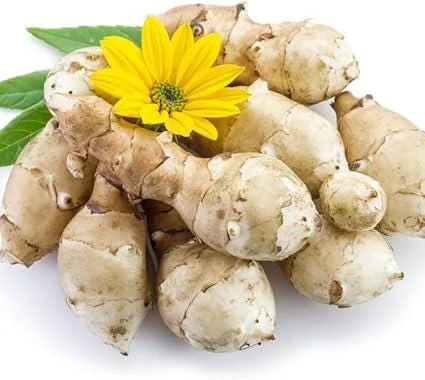
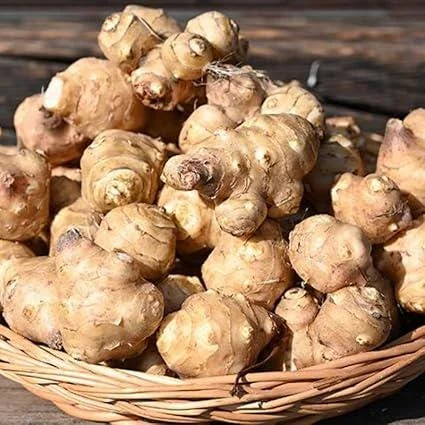
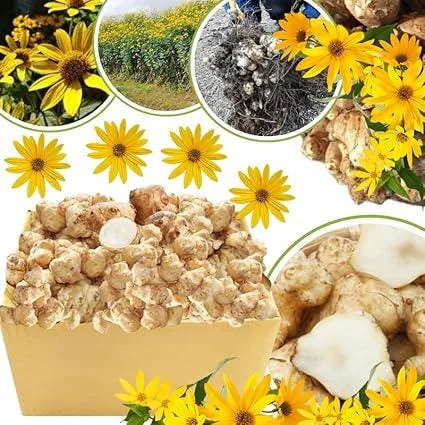
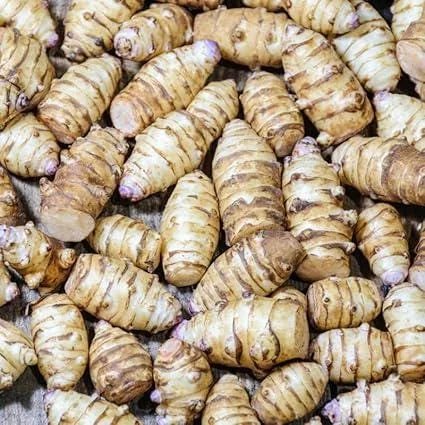
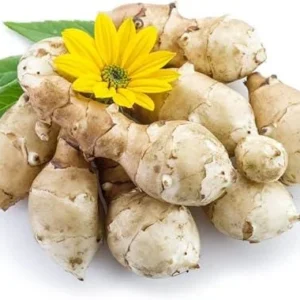
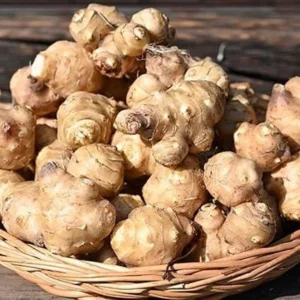
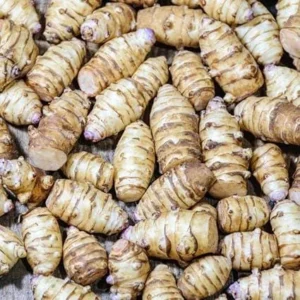
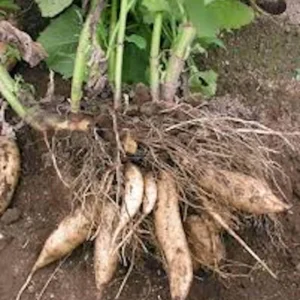
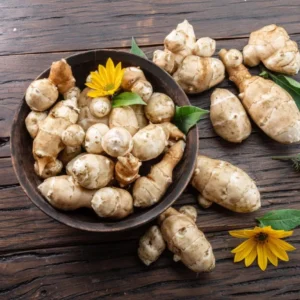
Introducing our premium selection of sunchoke tubers, also widely recognized as jerusalem artichoke tubers. These fascinating root vegetables, scientifically known as Helianthus tuberosus, are a delightful addition to any kitchen or garden. Each package contains 4oz of freshly harvested tubers, ready for culinary use or planting. Sunchokes are cherished for their distinctive knobby appearance, thin light-brown skin, and crisp, white interior. They offer a mildly sweet and nutty flavor profile, which deepens and becomes slightly earthy when cooked. Often compared to water chestnuts for their satisfying crunch, sunchokes are incredibly versatile, making them a favorite among chefs and home cooks alike. Beyond their unique taste and texture, these edible root vegetables are also valued for their nutritional content, particularly their high inulin levels, which can support digestive health.
Whether you’re looking to explore new flavors in your cooking or cultivate your own patch of these rewarding plants, our sunchoke tubers provide an excellent starting point. They are robust and relatively easy to grow, making them suitable for gardeners of all experience levels. Enjoy the satisfaction of harvesting your own delicious and healthy produce while adding an interesting element to your garden landscape. Their natural resilience and adaptability ensure a successful yield, bringing both culinary delight and nutritional value to your table.
Key Benefits
Our sunchoke tubers offer a multitude of benefits, from their culinary versatility to their potential health advantages, making them a valuable addition to your diet and garden.
- Unique Culinary Flavor: Experience the distinct mildly sweet and nutty flavor of these tubers, which becomes richer and earthier when cooked. They are perfect for adding a gourmet touch to a variety of dishes.
- Versatile Cooking Ingredient: These edible root vegetables can be enjoyed raw in salads, roasted to perfection, sautéed as a side dish, or blended into creamy soups, offering endless culinary possibilities.
- Digestive Health Support: Naturally high in inulin, a prebiotic fiber, sunchoke tubers can contribute to a healthy digestive system, supporting gut flora and overall well-being.
- Crunchy Texture: Often likened to water chestnuts, sunchokes provide a satisfying crisp texture that holds up well in cooking, adding an appealing element to your meals.
- Nutrient-Rich: Beyond inulin, sunchokes contain essential vitamins and minerals, contributing to a balanced and nutritious diet.
- Easy to Grow: Known for their vigorous growth and adaptability, growing sunchokes is a rewarding experience for gardeners, requiring minimal fuss for a bountiful harvest.
- Aesthetic Garden Addition: As part of the sunflower family, the plants produce attractive, small, yellow, sunflower-like blooms in late summer, adding beauty to your garden landscape.
Plant Care & Growing Tips
Growing sunchokes is a relatively straightforward process, as these plants are quite resilient and adaptable. For optimal growth, plant your sunchoke tubers in a location that receives full sun, meaning at least 6-8 hours of direct sunlight per day. While they can tolerate some partial shade, abundant sunshine promotes better tuber development and overall plant health. Prepare your soil by ensuring it is well-draining, as sunchokes do not like waterlogged conditions. A loamy or sandy loam soil enriched with organic matter is ideal. They are not particularly fussy about soil pH but prefer a slightly acidic to neutral range (6.0-7.0).
Watering should be consistent, especially during dry spells and when the plants are actively growing. Aim for about 1 inch of water per week, either from rainfall or irrigation. Avoid overwatering, which can lead to tuber rot. Sunchokes are quite vigorous growers and can reach heights of 5-10 feet, so consider their mature size when choosing a planting location; they can even form a natural screen. Fertilization is generally not heavily required, especially if your soil is rich in organic matter. However, a balanced all-purpose fertilizer applied in early spring can boost growth. These hardy plants are generally pest and disease resistant, making their care relatively low maintenance. Remember that while sunchoke benefits include their ease of growth, they can spread aggressively, so consider planting them in an area where their spread can be managed, or in containers.
Size & Details
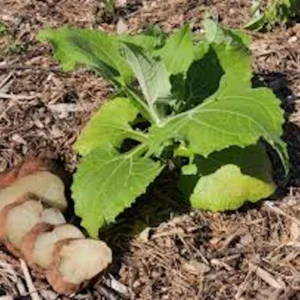
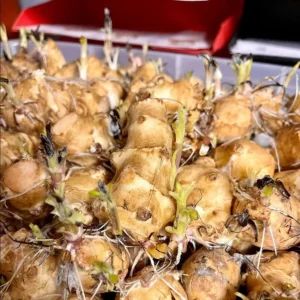
This offering includes 4oz of fresh sunchoke tubers, providing a generous quantity for either culinary enjoyment or for planting in your garden. Each tuber is carefully selected to ensure quality and viability. When planted, these tubers will develop into tall, sunflower-like plants, typically reaching heights of 5 to 10 feet, depending on growing conditions and climate. The tubers themselves vary in size and shape, generally being knobby and elongated, similar to ginger root. Sunchokes are known for their vigorous growth rate, producing a substantial harvest of new tubers within a single growing season. They are usually harvested in late fall after the plants have died back, or even left in the ground through winter for a spring harvest. These edible root vegetables are shipped in a dormant state, ready for immediate use or planting.
Expect the tubers to be firm and free from blemishes, ensuring they are in prime condition upon arrival. The 4oz weight provides enough material for several meals or to establish a small patch in your garden. Sunchokes are an excellent choice for those seeking a unique and productive addition to their home garden or pantry. Their natural resilience means they often thrive with minimal intervention, delivering a rewarding yield each year. The plants will produce small, yellow, daisy-like flowers in late summer to early autumn, adding a cheerful splash of color to your landscape before the tubers are ready for harvest.
Frequently Asked Questions
- Q: How many sunchoke tubers are in a 4oz package? A: The exact number of tubers will vary depending on their individual size, but a 4oz package typically contains several medium-sized tubers, sufficient for culinary use or planting a small patch.
- Q: Can these sunchoke tubers be planted to grow new plants? A: Yes, absolutely! These tubers are viable for planting. Simply bury them a few inches deep in well-draining soil, and they will sprout into mature sunchoke plants.
- Q: What are the best growing conditions for jerusalem artichoke tubers? A: They thrive in full sun (at least 6-8 hours daily) and well-draining soil. They are remarkably hardy and can tolerate a range of soil types, though they prefer loamy or sandy loam.
- Q: Are these tubers ready to eat upon arrival? A: Yes, they are fresh and ready for immediate culinary use. Wash them thoroughly before peeling (optional) and preparing them as desired.
- Q: What are the main sunchoke benefits for health? A: Sunchokes are notably high in inulin, a prebiotic fiber that aids in digestive health. They also contain essential vitamins and minerals, contributing to overall well-being.
- Q: How do I store leftover sunchoke tubers? A: Store them in a cool, dark, and slightly humid place, such as a refrigerator crisper drawer or a root cellar. They can last for several weeks if stored properly.
- Q: Do sunchokes spread aggressively in the garden? A: Yes, sunchokes are known for their vigorous growth and can spread. To manage their spread, consider planting them in a dedicated area, using root barriers, or growing them in large containers.
- Q: Can I grow sunchoke tubers in containers? A: Yes, they can be grown in large containers (at least 15-20 gallons) to help control their spread. Ensure the container has good drainage.
- Q: When is the best time to plant sunchoke tubers? A: The ideal time to plant is in early spring, after the last frost, or in late fall before the ground freezes in milder climates.
- Q: Are there any common issues when growing sunchokes? A: While generally robust, some people may experience gas or bloating due to the high inulin content if consumed in large quantities. Pests and diseases are rarely a significant problem.
Related products
-20%
Original price was: $48.00.$38.40Current price is: $38.40.
-20%

Original price was: $17.00.$13.60Current price is: $13.60.
-25%
Original price was: $39.99.$29.90Current price is: $29.90.
-30%
Original price was: $59.98.$41.98Current price is: $41.98.
-50%
Original price was: $37.99.$18.99Current price is: $18.99.
-20%
Original price was: $36.00.$28.80Current price is: $28.80.
-20%
Original price was: $84.00.$67.20Current price is: $67.20.
PLANTING & CARE

Growing Glencoe Raspberry: A Complete Guide for Gardeners
If you’re looking to add something unique to your garden, look no further than the
31
Mar
Mar

The Comprehensive Guide to Growing Bay Leaf Plants for a Flavorful Garden
Imagine stepping into your garden, greeted by the earthy aroma of fresh bay leaves, their
09
Feb
Feb

How to Make Comfrey Tea: The Ultimate Organic Plant Food
Growing an organic garden can be surprisingly expensive, especially when most store-bought fertilizers come in
02
Feb
Feb

True Comfrey: 7 Essential Tips Before You Plant This Herb
A staple in permaculture practices across the US, True Comfrey easily earns its reputation as
27
Jan
Jan

7 Heart-Shaped Plants for a Lasting Valentine’s Gift
If you’ve ever bought a bouquet of roses for Valentine’s Day, you know they are
26
Jan
Jan

Best Types of Ivy Plant for Houses: How to Choose the Perfect Ones for Your Home
Are you a garden lover looking to introduce some greenery into your home? Maybe you’ve
14
Nov
Nov

When to Harvest Garlic (Especially Fall-Planted Garlic)
TIMING IS EVERYTHING, they say – and for garlic, that truth hits with surprising accuracy.
13
Nov
Nov

11 of the Best Sweet Potato Varieties to Grow for Your Garden
If you’ve ever tried growing sweet potatoes, you know that picking the right variety can
12
Nov
Nov