Sweetbay Magnolia Tree Live Plant, 6-12 Inch, 4 Inch Pot, Fragrant White Flowers, Outdoor
-50%
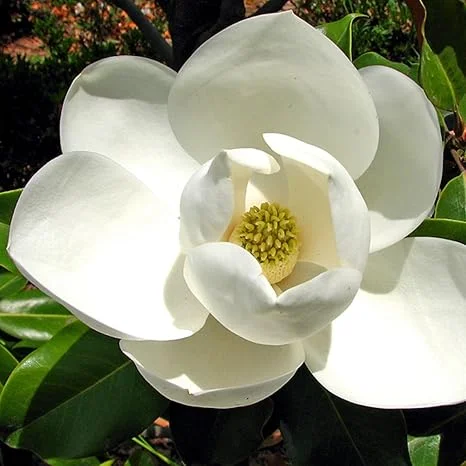
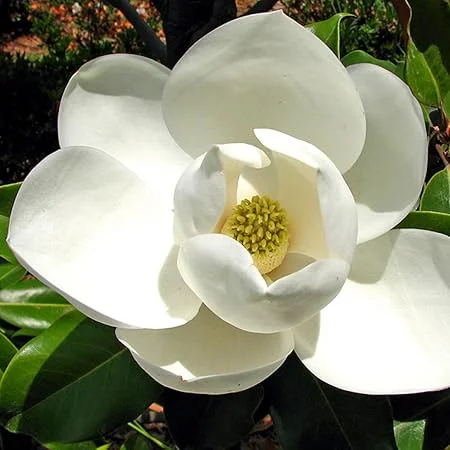
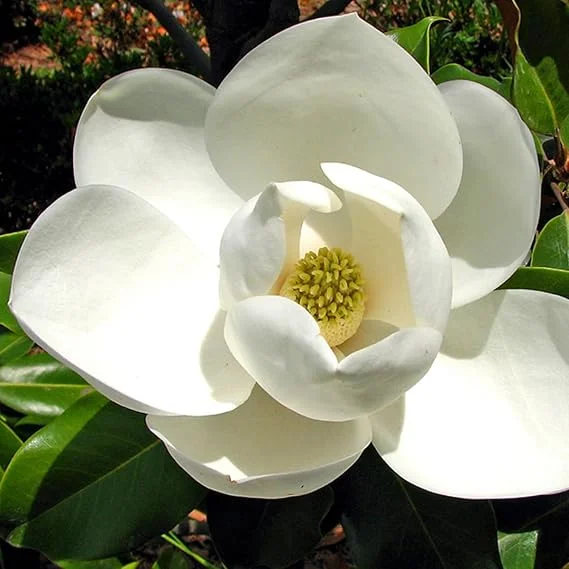
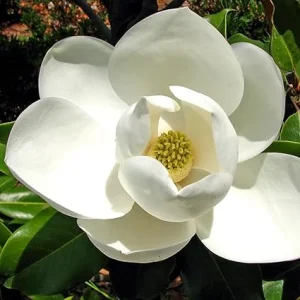
Sweetbay Magnolia Tree Live Plant, 6-12 Inch, 4 Inch Pot, Fragrant White Flowers, Outdoor
Bring elegance and fragrance to your landscape with a sweetbay magnolia tree. This magnolia virginiana live plant is supplied in a 4-inch pot, standing 6-12 inches tall, ready for outdoor planting. Enjoy its beautiful, fragrant white flowers in spring and summer.
Original price was: $45.98.$22.99Current price is: $22.99.

With our Alive & Thrive Guarantee, we’ve got your back for the first 30 days! If you have any concerns about your plants, just reach out to us. Our team is here to help answer your questions and guide you in selecting the best plants for your garden, climate, and unique preferences. We're excited to help you create the garden of your dreams!
Estimated arrival
Apr 13
Apr 18 - Apr 20
Apr 23 - Apr 27


Product Details
-
USDA Hardiness Zone
5-10 -
Soil type
Well-draining, adaptable to various types -
Sunlight Exposure
Full sun to partial shade -
Expected Planting Period
Spring or early fall
Overview
Introduce timeless beauty and intoxicating fragrance to your outdoor space with a sweetbay magnolia tree. This exquisite live plant, scientifically known as Magnolia virginiana, is a highly sought-after ornamental tree renowned for its stunning white, cup-shaped flowers and glossy green foliage. Our sweetbay magnolia tree arrives as a vibrant specimen, typically 6-12 inches in height and nestled in a 4-inch nursery pot, perfectly sized for successful transplanting into your garden or a larger container. Though it may appear dormant and leafless during late fall and winter, this is a natural and healthy stage for the plant, indicating its readiness to burst into life with the arrival of spring. Known for its adaptability and graceful form, the sweetbay magnolia is a fantastic choice for gardeners looking to add year-round interest and a delightful aroma to their landscape.
The magnolia virginiana live plant is a versatile addition, thriving in a variety of conditions and offering a magnificent display of nature’s artistry. Its ability to adapt to different soil types and light conditions makes it a favorite among both novice and experienced gardeners. Whether you’re aiming to create a focal point, a privacy screen, or simply enjoy the serene presence of a beautiful tree, the sweetbay magnolia delivers. Its distinctive features and relatively easy care make it a rewarding plant that will enhance the aesthetic and sensory appeal of your garden for many years to come.
Key Benefits
The sweetbay magnolia tree offers a multitude of benefits, making it an excellent choice for almost any landscape. From its visual appeal to its hardiness, this tree is a true garden gem.
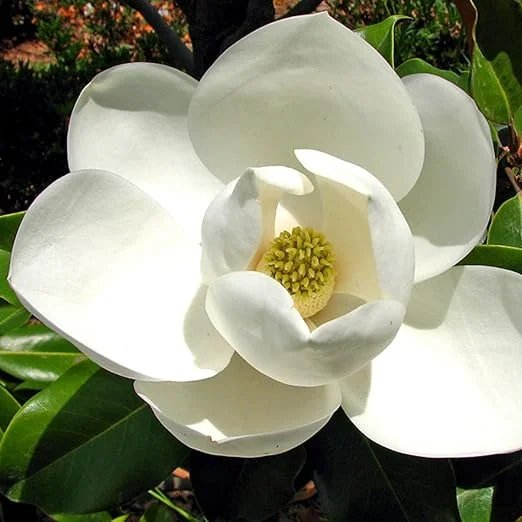
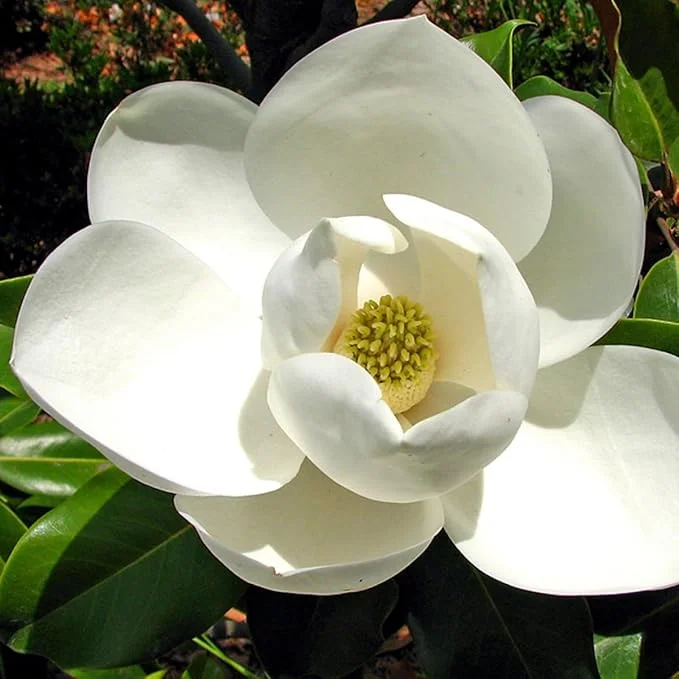
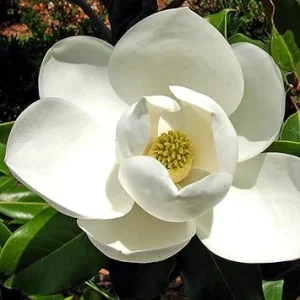
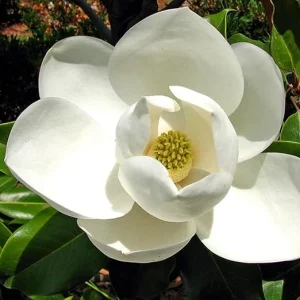
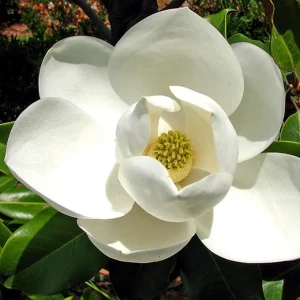
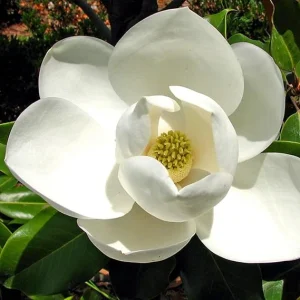
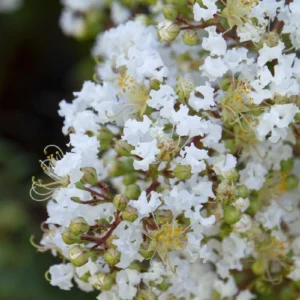
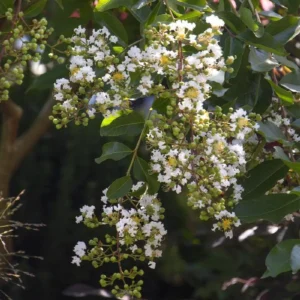
- Fragrant White Flowers: One of the most cherished features of the sweetbay magnolia is its abundant, creamy white, cup-shaped flowers. These blossoms emerge in late spring and continue through summer, releasing a delightful, lemony fragrance that can perfume an entire garden area. This natural perfume creates a serene and inviting atmosphere, perfect for relaxing outdoors.
- Adaptable Growth: This tree is remarkably adaptable, thriving in a wide range of conditions. It can tolerate both wet and dry soils once established and is hardy in USDA zones 5-10, making it suitable for many climates across the United States. Its ability to grow in full sun to partial shade further enhances its versatility.
- Attractive Foliage: The magnolia virginiana live plant boasts lustrous, dark green leaves with a silvery underside, which shimmers in the breeze. In warmer climates, it can be semi-evergreen or evergreen, providing year-round visual interest. In cooler zones, it is deciduous, offering a beautiful transition through the seasons.
- Low Maintenance: Once established, the sweetbay magnolia tree is relatively low maintenance. It requires minimal pruning and is generally resistant to most pests and diseases, allowing you more time to enjoy its beauty rather than tending to its needs. Its natural growth habit is graceful and appealing, reducing the need for extensive shaping.
- Wildlife Attraction: The flowers of the sweetbay magnolia attract pollinators like bees and butterflies, contributing to the biodiversity of your garden. Furthermore, its red seed cones provide a food source for birds in the fall, making it a valuable addition for wildlife enthusiasts.
- Versatile Landscaping Use: Whether used as a specimen tree, part of a mixed border, or even in a rain garden, the sweetbay magnolia fits beautifully. Its moderate size makes it suitable for both smaller suburban yards and larger landscapes, adding vertical interest and a touch of sophistication.
- Natural Beauty: The overall aesthetic of the sweetbay magnolia tree is one of understated elegance. Its smooth bark, graceful branching, and beautiful flowers create a picturesque scene that enhances any outdoor setting.
Plant Care & Growing Tips
Caring for your sweetbay magnolia tree is straightforward, ensuring it will thrive and bring joy to your garden for years. This resilient tree, also known as magnolia virginiana live plant, prefers a location with full sun to partial shade, meaning it should receive at least 4-6 hours of direct sunlight daily. While it can tolerate some shade, more sun generally leads to more abundant flowering. It’s particularly well-suited for areas with moist soil, as it naturally occurs in wetlands, but it’s also adaptable to average garden soils once established. Ensure the planting site has good drainage to prevent root rot, especially in heavier clay soils. Amending the soil with organic matter like compost can improve both drainage and moisture retention.
Watering is crucial, especially during the first year after planting, to help the tree establish a strong root system. Keep the soil consistently moist but not waterlogged. Once established, the fragrant magnolia tree is quite drought-tolerant but will benefit from supplemental watering during prolonged dry spells. Fertilize in early spring with a balanced, slow-release granular fertilizer formulated for trees and shrubs. Follow the product instructions carefully to avoid over-fertilization. Pruning is generally minimal, focusing on removing any dead, damaged, or crossing branches to maintain a healthy structure. You can also prune to shape the tree or control its size, ideally after it has finished flowering in late summer.
The growing sweetbay magnolia is hardy in USDA Zones 5-10, making it a robust choice for many regions. In colder zones, ensure it’s planted in a sheltered location to protect it from harsh winter winds, and apply a layer of mulch around the base to insulate the roots. While generally pest and disease resistant, keep an eye out for common issues like aphids or scale. Address any problems promptly with appropriate organic or chemical treatments. Providing these basic care requirements will ensure your sweetbay magnolia tree flourishes and continues to produce its beautiful, fragrant blossoms season after season.
Size & Details
This sweetbay magnolia tree is provided as a live plant, typically measuring between 6 to 12 inches in height from the top of the soil. It comes securely planted in a 4-inch nursery pot, providing ample space for its initial root development and ensuring a smooth transition to your garden. The mature size of a fragrant magnolia tree can vary depending on its growing environment and climate. In cooler regions (USDA Zones 5-7), it generally reaches a height of 10-20 feet, often taking on a shrub-like form or a small, multi-stemmed tree. In warmer climates (USDA Zones 8-10), it can grow significantly larger, potentially reaching 30-35 feet tall, developing into a more substantial tree with a broader canopy. The growth rate is moderate, allowing you to enjoy its development over time.
When you receive your magnolia virginiana live plant, it will be well-packaged to ensure its health during transit. During the late fall and winter months, it is natural for the plant to enter dormancy, appearing leafless or with minimal foliage. This is a normal part of its life cycle and indicates a healthy plant ready to burst forth with new growth and its characteristic fragrant white flowers in the spring. This ornamental tree is an excellent choice for yards, outdoor gardens, or even as a container plant in its early years before transplanting to its permanent location.
Frequently Asked Questions
- Q: How big does this sweetbay magnolia tree get? A: The size of a sweetbay magnolia tree varies with climate. In cooler zones (5-7), it typically reaches 10-20 feet tall, often as a large shrub or small tree. In warmer zones (8-10), it can grow up to 30-35 feet tall, forming a more traditional tree shape.
- Q: What size pot does it come in? A: This sweetbay magnolia tree is shipped as a live plant in a 4-inch nursery pot, ready for planting upon arrival.
- Q: Is this an indoor or outdoor plant? A: The magnolia virginiana live plant is an outdoor tree, ideal for landscaping in gardens, yards, and other outdoor spaces. It is not suitable for long-term indoor cultivation.
- Q: How much sunlight does it need? A: This fragrant magnolia tree performs best in full sun to partial shade, meaning it requires at least 4-6 hours of direct sunlight per day to thrive and produce abundant flowers.
- Q: Is this plant easy to care for? A: Yes, the growing sweetbay magnolia is considered low maintenance once established. It’s adaptable to various soil types and generally resistant to pests and diseases, making it a good choice for most gardeners.
- Q: What condition will it arrive in? A: Your sweetbay magnolia tree will arrive as a healthy, live plant. During late fall and winter, it may be dormant and leafless, which is normal and indicates its readiness for spring growth.
- Q: When is the best time to plant a sweetbay magnolia? A: The best time to plant a sweetbay magnolia tree is in spring or early fall, allowing the roots to establish before extreme temperatures.
- Q: Will it survive winter in my zone? A: The sweetbay magnolia is hardy in USDA Zones 5-10. If you are within these zones, it should survive winter, though in Zone 5, some protection from harsh winds is beneficial.
- Q: How long until it blooms? A: While young plants may bloom in their first or second year, a well-established magnolia virginiana live plant will typically begin producing its characteristic fragrant white flowers consistently from late spring through summer.
- Q: What type of soil does it prefer? A: The sweetbay magnolia prefers moist, acidic to neutral, well-draining soil, but it is adaptable to various soil types, including clay, sand, and loam.
Related products
PLANTING & CARE
Growing Glencoe Raspberry: A Complete Guide for Gardeners
If you’re looking to add something unique to your garden, look no further than the
31
Mar
Mar

The Comprehensive Guide to Growing Bay Leaf Plants for a Flavorful Garden
Imagine stepping into your garden, greeted by the earthy aroma of fresh bay leaves, their
09
Feb
Feb

How to Make Comfrey Tea: The Ultimate Organic Plant Food
Growing an organic garden can be surprisingly expensive, especially when most store-bought fertilizers come in
02
Feb
Feb

True Comfrey: 7 Essential Tips Before You Plant This Herb
A staple in permaculture practices across the US, True Comfrey easily earns its reputation as
27
Jan
Jan

7 Heart-Shaped Plants for a Lasting Valentine’s Gift
If you’ve ever bought a bouquet of roses for Valentine’s Day, you know they are
26
Jan
Jan

Best Types of Ivy Plant for Houses: How to Choose the Perfect Ones for Your Home
Are you a garden lover looking to introduce some greenery into your home? Maybe you’ve
14
Nov
Nov

When to Harvest Garlic (Especially Fall-Planted Garlic)
TIMING IS EVERYTHING, they say – and for garlic, that truth hits with surprising accuracy.
13
Nov
Nov

11 of the Best Sweet Potato Varieties to Grow for Your Garden
If you’ve ever tried growing sweet potatoes, you know that picking the right variety can
12
Nov
Nov