Syngonium Milk Confetti Live Plant – Potted Houseplant, Variegated Aroid


Syngonium Milk Confetti Live Plant – Potted Houseplant, Variegated Aroid
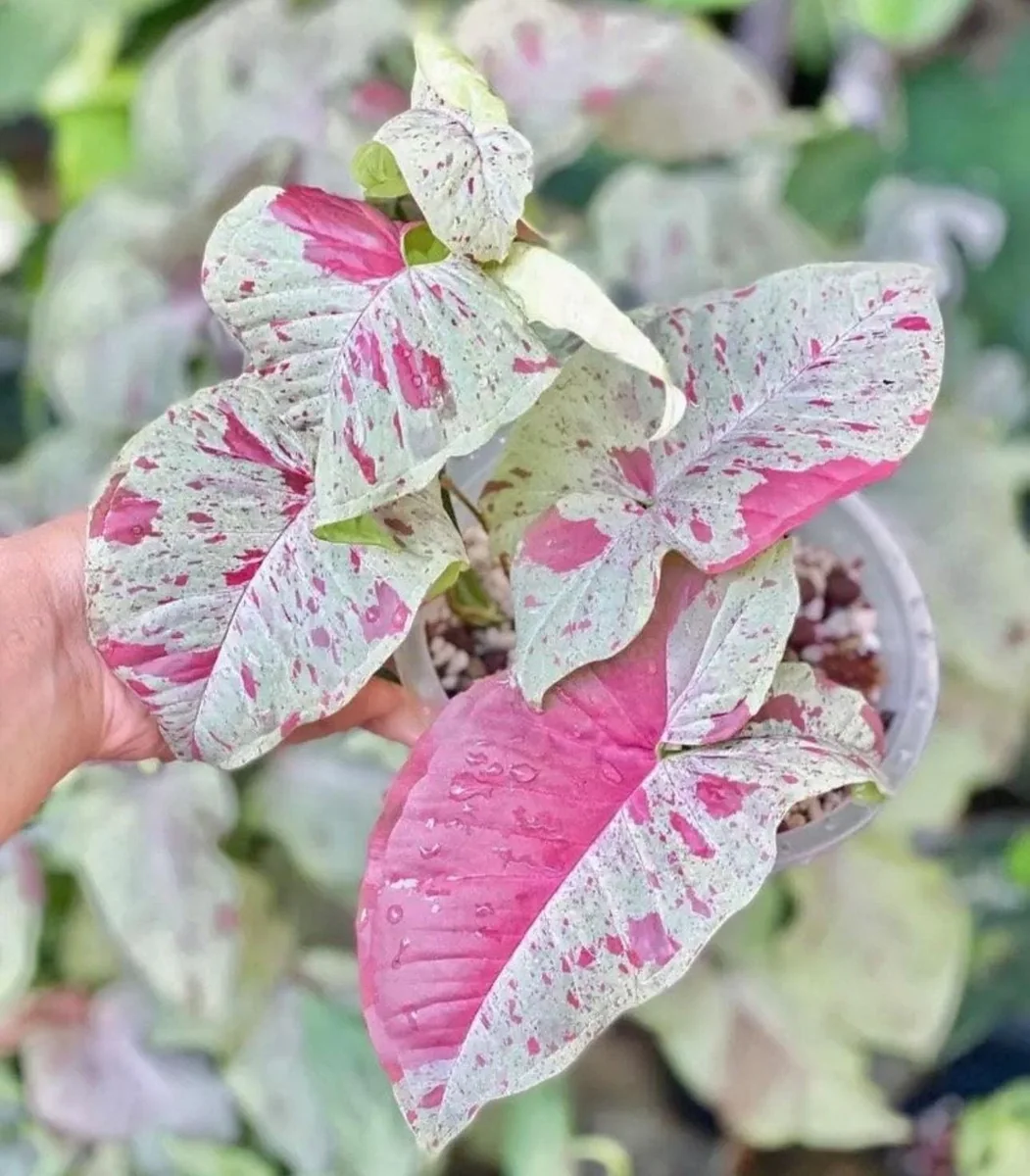
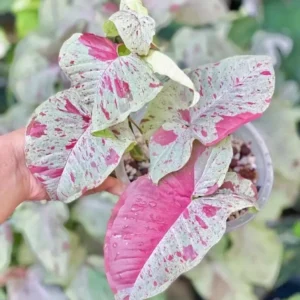
Bring home a captivating Syngonium Milk Confetti live plant, cherished for its unique green leaves splashed with delicate pink variegation. This easy-care aroid is perfect for adding a pop of color to any indoor space, thriving in bright, indirect light. An ideal choice for both novice and experienced plant parents.
$19.22

With our Alive & Thrive Guarantee, we’ve got your back for the first 30 days! If you have any concerns about your plants, just reach out to us. Our team is here to help answer your questions and guide you in selecting the best plants for your garden, climate, and unique preferences. We're excited to help you create the garden of your dreams!
Estimated arrival
Mar 30
Apr 04 - Apr 06
Apr 09 - Apr 13







Product Details
-
USDA Hardiness Zone
unknown (indoor plant) -
Soil type
well-draining potting mix -
Sunlight Exposure
bright indirect light -
Expected Planting Period
year-round indoors
Overview
Introduce a touch of elegance to your indoor plant collection with the exquisite Syngonium Milk Confetti live plant. This highly sought-after houseplant, a member of the Araceae family, is celebrated for its arrow-shaped leaves adorned with stunning speckles of white and vibrant pink, resembling delicate confetti. Also known simply as ‘Milk Confetti’ or ‘Pink Confetti’ Syngonium, its unique variegation makes each leaf a miniature work of art. As a live plant, it offers dynamic growth and an ever-evolving display of color, making it a fantastic focal point in any room. The Syngonium Milk Confetti live plant starts as a compact specimen but can develop a vining habit over time, offering versatility in how it’s displayed, whether trailing from a shelf or climbing a moss pole.
This particular variety of Syngonium podophyllum brings vibrant life and a cheerful aesthetic to your home or office. Unlike many other plants, its striking coloration is consistent, ensuring a beautiful display year-round. Growing a Syngonium Milk Confetti live plant is a rewarding experience, as it is relatively forgiving and adapts well to typical indoor conditions, making it an excellent choice for those looking to expand their collection with something truly special.
Key Benefits
The Syngonium Milk Confetti live plant offers numerous advantages beyond its obvious beauty, making it a desirable addition to any indoor environment. Its unique characteristics contribute to a healthier and more aesthetically pleasing living space.
- Stunning Variegation: The most prominent benefit is its eye-catching foliage, featuring green leaves generously speckled with vibrant pink and white, providing a continuous visual delight. This variegated Syngonium adds a unique decorative element.
- Air Purification: Like many houseplants, the Syngonium ‘Milk Confetti’ contributes to improved indoor air quality by filtering out common airborne toxins, creating a fresher and healthier atmosphere.
- Adaptable Growth Habit: This plant can be maintained as a compact, bushy plant with regular pruning or allowed to vine and trail, making it versatile for various display options, from tabletops to hanging baskets.
- Relatively Low Maintenance: Despite its exotic appearance, the Syngonium Milk Confetti live plant is quite easy to care for, making it suitable for both beginners and experienced plant enthusiasts.
- Boosts Mood and Well-being: Studies suggest that having plants indoors can reduce stress, improve focus, and enhance overall feelings of well-being, and the cheerful colors of the Milk Confetti certainly contribute to this.
- Unique Collector’s Item: For plant collectors, the ‘Milk Confetti’ is a prized possession due to its distinct and highly sought-after variegation pattern, making it a conversation starter.
Plant Care & Growing Tips
Caring for your Syngonium Milk Confetti live plant is straightforward and rewarding, ensuring its vibrant colors and healthy growth. The key to successful cultivation lies in understanding its basic needs for light, water, and humidity. This indoor aroid plant thrives in environments that mimic its tropical origins, but it is surprisingly adaptable to typical household conditions.
For optimal growth, provide your Syngonium with bright, indirect light. Direct sunlight can scorch its delicate variegated leaves, causing the pink and white speckles to fade or turn brown. An east-facing window or a few feet away from a south or west-facing window is usually ideal. Rotate the plant periodically to ensure even growth and variegation. When it comes to watering, allow the top inch or two of the soil to dry out between waterings. Overwatering can lead to root rot, which is a common issue for many houseplants. Ensure your pot has good drainage holes. The soil should be a well-draining potting mix, ideally one formulated for aroids, which often includes perlite or orchid bark to enhance aeration and drainage. This provides the ideal environment for healthy roots for your pink Syngonium care.
The Syngonium Milk Confetti live plant prefers temperatures between 60-80°F (15-27°C) and appreciates higher humidity, around 50-60%. You can increase humidity by misting regularly, placing the plant near a humidifier, or using a pebble tray with water. Fertilize every 2-4 weeks during the growing season (spring and summer) with a balanced liquid fertilizer diluted to half strength. Reduce or stop fertilizing during the dormant winter months. Pruning can help maintain a bushy shape or encourage a fuller vining habit. Remove any yellowing or damaged leaves to keep the plant healthy. Common pests include spider mites and mealybugs, which can typically be managed with insecticidal soap or neem oil. With proper easy care houseplants techniques, your Syngonium Milk Confetti will flourish.
Size & Details
This offering is for a Syngonium Milk Confetti live plant, typically a starter plant. Each plant is unique, and variations in size, variegation, and leaf count are expected. The plant will be shipped in a nursery pot, ready for you to acclimate it to its new environment. While specific dimensions can vary, a starter plant generally stands a few inches tall with several leaves, showcasing its characteristic pink and white ‘confetti’ variegation. The growth rate is moderate, and with proper care, it can grow into a lush, full plant, eventually developing a vining habit that can reach several feet in length over time.
The exact pot size may vary but is generally suitable for a young plant, typically a 2-4 inch nursery pot. This size allows for easy transplanting into a decorative pot of your choice once the plant has settled into its new home. Expect the plant to arrive well-packaged, though some minor yellowing or stress from transit is normal. This variegated Syngonium is a strong grower and will quickly recover and thrive with consistent care.
Frequently Asked Questions
- Q: How big does this plant get? A: A Syngonium Milk Confetti live plant can stay relatively compact if pruned regularly. If allowed to vine, its stems can grow several feet long, making it suitable for hanging baskets or climbing.
- Q: What size pot does it come in? A: Your Syngonium Milk Confetti live plant will typically arrive in a 2-4 inch nursery pot, perfect for a starter plant. You can repot it into a slightly larger decorative pot once it’s established.
- Q: Is this an indoor or outdoor plant? A: The Syngonium Milk Confetti live plant is primarily an indoor houseplant due to its tropical nature and sensitivity to cold temperatures. It can be placed outdoors in shaded areas during warm summer months in appropriate climates.
- Q: How much sunlight does it need? A: This indoor aroid plant thrives in bright, indirect light. Avoid direct sunlight, which can burn its delicate variegated leaves and cause the colors to fade.
- Q: Is this plant easy to care for? A: Yes, the Syngonium Milk Confetti live plant is considered relatively easy to care for, even for beginners. It’s forgiving of minor care mistakes, making it one of the more resilient easy care houseplants.
- Q: What condition will it arrive in? A: Plants are carefully packaged to ensure safe delivery. It’s normal for shipped plants to show some minor stress, such as a few yellowed leaves, especially if shipped to extreme climates.
- Q: When is the best time to repot this plant? A: The best time to repot your Syngonium Milk Confetti live plant is in the spring or early summer when it is actively growing. Choose a pot that is only slightly larger than its current one.
- Q: What’s the minimum temperature this plant can tolerate? A: This tropical plant prefers temperatures above 60°F (15°C). It should be protected from temperatures below 50°F (10°C) to prevent damage.
- Q: How often should I fertilize my Syngonium Milk Confetti? A: Fertilize your Syngonium Milk Confetti live plant every 2-4 weeks during the spring and summer growing seasons with a balanced liquid fertilizer, diluted to half strength.
- Q: What’s the best way to encourage more pink variegation? A: Providing ample bright, indirect light is key to enhancing the pink variegation in your pink Syngonium care. Ensure it gets enough light without direct sun exposure.
Related products

-35%
Original price was: $29.80.$19.36Current price is: $19.36.


-25%

Original price was: $20.90.$15.68Current price is: $15.68.

PLANTING & CARE

The Comprehensive Guide to Growing Bay Leaf Plants for a Flavorful Garden
Imagine stepping into your garden, greeted by the earthy aroma of fresh bay leaves, their
09
Feb
Feb

How to Make Comfrey Tea: The Ultimate Organic Plant Food
Growing an organic garden can be surprisingly expensive, especially when most store-bought fertilizers come in
02
Feb
Feb

True Comfrey: 7 Essential Tips Before You Plant This Herb
A staple in permaculture practices across the US, True Comfrey easily earns its reputation as
27
Jan
Jan

7 Heart-Shaped Plants for a Lasting Valentine’s Gift
If you’ve ever bought a bouquet of roses for Valentine’s Day, you know they are
26
Jan
Jan

Best Types of Ivy Plant for Houses: How to Choose the Perfect Ones for Your Home
Are you a garden lover looking to introduce some greenery into your home? Maybe you’ve
14
Nov
Nov

When to Harvest Garlic (Especially Fall-Planted Garlic)
TIMING IS EVERYTHING, they say – and for garlic, that truth hits with surprising accuracy.
13
Nov
Nov

11 of the Best Sweet Potato Varieties to Grow for Your Garden
If you’ve ever tried growing sweet potatoes, you know that picking the right variety can
12
Nov
Nov

Pruning Bougainvillea for Winter
Bougainvillea vines are known for their dazzling display of magenta, orange, and fuchsia bracts that
05
Nov
Nov