2 Syngonium Milk Confetti Live Plant – Potted Houseplant, Variegated Aroid


2 Syngonium Milk Confetti Live Plant – Potted Houseplant, Variegated Aroid
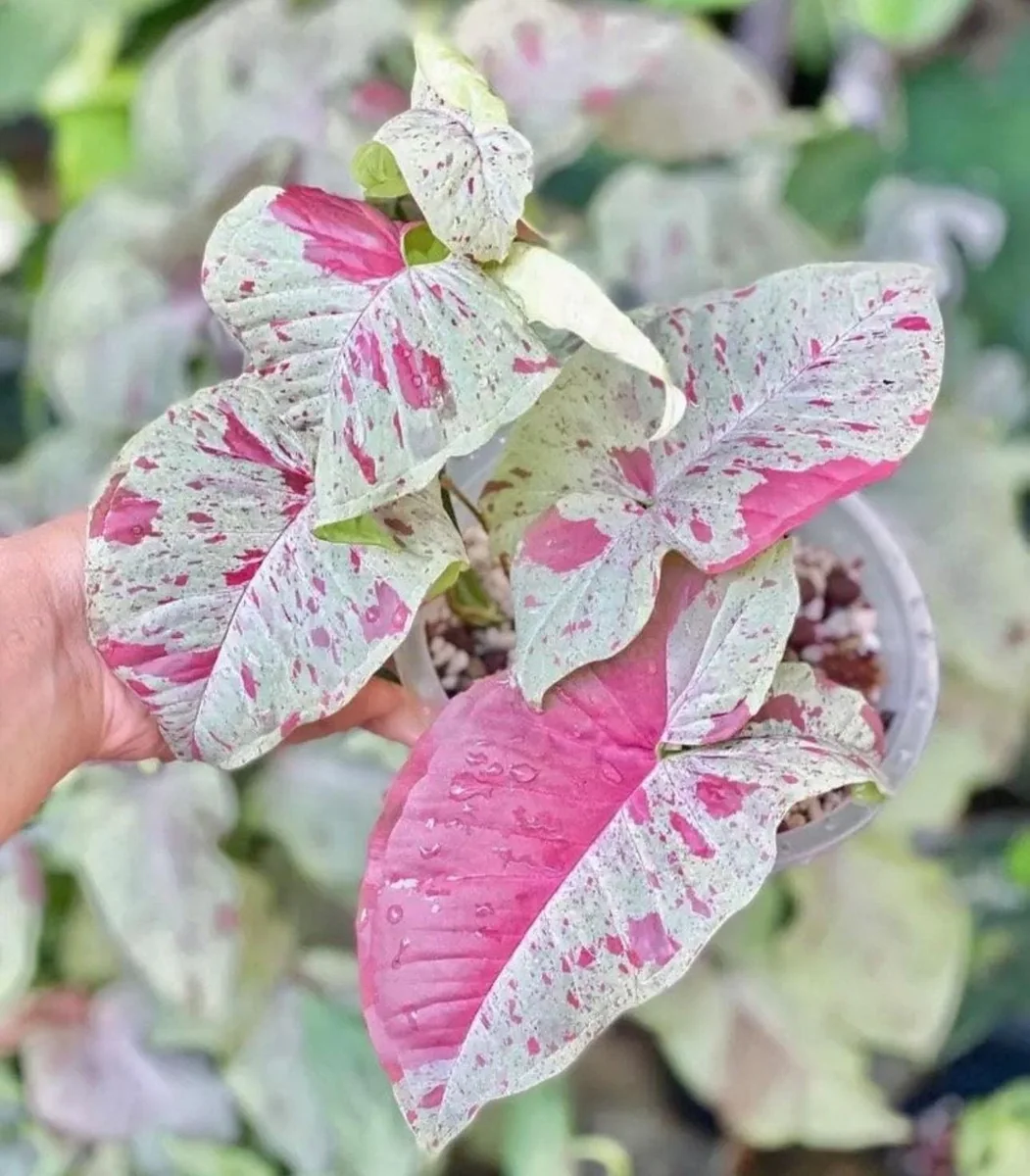
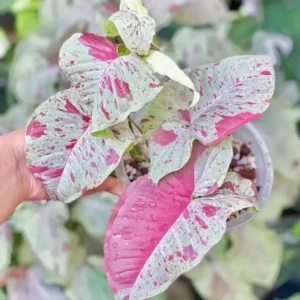
Add a touch of delicate beauty to your home with the Syngonium Milk Confetti live plant. This captivating aroid features arrowhead-shaped leaves adorned with splashes of pink and cream variegation, making it a highly sought-after indoor plant. Perfect for beginners and enthusiasts alike, it thrives with minimal fuss.
$22.99

With our Alive & Thrive Guarantee, we’ve got your back for the first 30 days! If you have any concerns about your plants, just reach out to us. Our team is here to help answer your questions and guide you in selecting the best plants for your garden, climate, and unique preferences. We're excited to help you create the garden of your dreams!
Estimated arrival
Mar 30
Apr 04 - Apr 06
Apr 09 - Apr 13





Product Details
-
USDA Hardiness Zone
USDA zones 10-11 (indoors elsewhere) -
Soil type
Well-draining aroid mix -
Sunlight Exposure
Bright indirect light -
Expected Planting Period
Year-round indoors
Overview
Introduce a splash of unique color and texture to your indoor plant collection with the exquisite Syngonium Milk Confetti live plant. Known for its striking variegated foliage, this popular houseplant, also called Arrowhead Plant, features light green leaves generously speckled with charming pink and creamy-white spots. Each leaf is a miniature work of art, offering a dynamic and ever-evolving display. This particular variety, ‘Milk Confetti’, is highly prized for its abundant and vibrant speckling, making it a standout specimen. As an aroid, it belongs to a diverse family of plants celebrated for their ornamental leaves and relatively easy care. Whether you’re a seasoned plant parent or just starting your green journey, the Syngonium Milk Confetti live plant offers an engaging and rewarding growing experience, transforming any space into a lush, vibrant sanctuary.
Key Benefits
The Syngonium Milk Confetti live plant is not just a pretty face; it offers several benefits that make it an excellent choice for any indoor setting. Its appealing aesthetics are matched by its adaptability and positive impact on your living environment. This plant is known for its ability to brighten up spaces and provide a calming presence.
- Stunning Variegated Foliage: The primary appeal of the Milk Confetti is its unique coloration. Its green leaves are liberally splashed with pink and white, creating a ‘confetti’ effect that adds vibrant visual interest to any room. This dramatic variegation ensures it remains a focal point.
- Air Purification: Like many houseplants, the Syngonium Milk Confetti live plant contributes to a healthier indoor environment by helping to filter airborne toxins. It’s a natural way to improve the air quality in your home or office space.
- Versatile Growth Habit: Syngoniums can be grown as compact bushy plants or allowed to trail and climb, making them highly versatile for different display options. You can prune them to maintain a bushy shape or let their vines cascade from shelves.
- Relatively Low Maintenance: This plant is forgiving and generally easy to care for, making it suitable for both novice and experienced plant enthusiasts. It doesn’t demand constant attention and can adapt to various indoor conditions.
- Aesthetic Appeal: The delicate pink and white speckles against the green backdrop offer a soft yet captivating aesthetic, perfect for adding a pop of color without being overwhelming. It complements various interior design styles, from minimalist to bohemian.
- Boosts Mood and Well-being: Surrounding yourself with plants, especially beautiful ones like the variegated Syngonium plant, has been shown to reduce stress, improve focus, and enhance overall mood. Its natural beauty provides a sense of tranquility.
- Collectible Cultivar: For plant collectors, the ‘Milk Confetti’ is a highly sought-after cultivar due to its distinctive and stable variegation, adding significant value and appeal to a collection.
Plant Care & Growing Tips
Caring for your Syngonium Milk Confetti live plant is straightforward, allowing even beginner plant parents to enjoy its beauty. Understanding its basic needs will ensure healthy growth and vibrant variegation. This plant thrives in conditions that mimic its natural tropical habitat, favoring warmth and humidity.
For optimal growth, provide your indoor Milk Confetti with bright, indirect light. Direct sunlight can scorch its delicate leaves and fade its vibrant variegation, so an east-facing window or a spot a few feet away from a south or west-facing window works best. Rotate the plant periodically to ensure even growth. When it comes to watering, allow the top inch or two of the soil to dry out completely between waterings. Overwatering is a common issue and can lead to root rot. You can check soil moisture with your finger or a moisture meter. During winter months, reduce watering frequency as the plant’s growth slows down.
The ideal temperature range for a Syngonium Milk Confetti live plant is between 60-80°F (15-27°C). Avoid exposing it to temperatures below 50°F (10°C) or sudden cold drafts, which can cause leaf damage. High humidity is appreciated, so consider placing your plant near a humidifier, grouping it with other plants, or using a pebble tray. A well-draining potting mix is crucial; a standard aroid mix containing perlite, orchid bark, and peat moss or coco coir will provide excellent drainage and aeration. Fertilize every 2-4 weeks during the growing season (spring and summer) with a balanced liquid houseplant fertilizer diluted to half strength. Reduce or stop fertilizing in fall and winter. Regularly wipe down the leaves with a damp cloth to remove dust and allow for better photosynthesis. Pruning can be done to maintain a desired shape and size or to encourage bushier growth.
Size & Details
This Syngonium Milk Confetti live plant is typically shipped as a starter plant, ready for you to nurture and grow into a magnificent specimen. It arrives potted in a small nursery container, usually between 2 to 4 inches, with established roots and several healthy leaves. The exact size and leaf count may vary as each plant is unique, but it will be a robust, young plant ready to thrive in your care. When mature, Syngoniums can reach heights of 1-2 feet as bushy plants or trail several feet if allowed to climb or hang. Its growth rate is moderate, allowing you to observe its development over time. Expect it to fill out its pot within a few months with proper care, showcasing its distinctive pink splash Syngonium variegation beautifully.
Frequently Asked Questions
- Q: How big does this plant get? A: A Syngonium Milk Confetti live plant can grow to be 1-2 feet tall as a bushy plant indoors. If given support or allowed to trail, its vines can extend several feet in length, making it quite versatile for different display preferences.
- Q: Is this an indoor or outdoor plant? A: The Syngonium Milk Confetti live plant is primarily an indoor houseplant, best suited for controlled indoor environments. It can be moved outdoors in warm, humid climates during summer but must be protected from direct sun and cold temperatures.
- Q: How much sunlight does it need? A: This Syngonium thrives in bright, indirect light. Avoid direct sunlight, which can scorch the leaves and diminish the variegation. A spot near an east-facing window or a shaded area near a south or west window is ideal.
- Q: Is this plant easy to care for? A: Yes, the Syngonium Milk Confetti live plant is considered relatively easy to care for, making it a good choice for both beginners and experienced plant enthusiasts. Its needs are straightforward: consistent watering, bright indirect light, and moderate humidity.
- Q: What condition will it arrive in? A: Your Syngonium Milk Confetti live plant will arrive as a healthy starter plant in a nursery pot, with its roots established and foliage intact. We package carefully to ensure safe transit, though some minor leaf yellowing can occur due to shipping stress.
- Q: How often should I water my Syngonium Milk Confetti? A: Water your indoor Milk Confetti when the top 1-2 inches of soil feel dry to the touch. This typically means once every 1-2 weeks, but it can vary based on light, humidity, and pot size. Always ensure good drainage to prevent root rot.
- Q: Is this plant pet-safe? A: No, Syngoniums, including the Syngonium Milk Confetti live plant, are toxic if ingested due to calcium oxalate crystals. Keep it out of reach of pets and children.
- Q: What kind of soil is best for Syngonium care tips? A: A well-draining, airy potting mix is essential. A blend of potting soil, perlite, and orchid bark or coco coir works well to provide both moisture retention and proper aeration for the roots of your variegated Syngonium plant.
- Q: Does it need high humidity? A: While adaptable, the Syngonium Milk Confetti live plant appreciates higher humidity. You can increase humidity by misting, using a pebble tray, or placing a humidifier nearby.
- Q: What are common problems with this plant? A: Common issues include yellowing leaves from overwatering or underwatering, browning leaf tips from low humidity, and faded variegation from too much direct sun. Pests like spider mites can also occur but are manageable with early detection.
Related products
-30%
Original price was: $129.98.$90.98Current price is: $90.98.

-35%


Original price was: $72.52.$47.14Current price is: $47.14.
-30%
Original price was: $25.98.$18.18Current price is: $18.18.
-30%

Original price was: $79.98.$55.98Current price is: $55.98.
-25%

Original price was: $30.00.$22.50Current price is: $22.50.
PLANTING & CARE

The Comprehensive Guide to Growing Bay Leaf Plants for a Flavorful Garden
Imagine stepping into your garden, greeted by the earthy aroma of fresh bay leaves, their
09
Feb
Feb

How to Make Comfrey Tea: The Ultimate Organic Plant Food
Growing an organic garden can be surprisingly expensive, especially when most store-bought fertilizers come in
02
Feb
Feb

True Comfrey: 7 Essential Tips Before You Plant This Herb
A staple in permaculture practices across the US, True Comfrey easily earns its reputation as
27
Jan
Jan

7 Heart-Shaped Plants for a Lasting Valentine’s Gift
If you’ve ever bought a bouquet of roses for Valentine’s Day, you know they are
26
Jan
Jan

Best Types of Ivy Plant for Houses: How to Choose the Perfect Ones for Your Home
Are you a garden lover looking to introduce some greenery into your home? Maybe you’ve
14
Nov
Nov

When to Harvest Garlic (Especially Fall-Planted Garlic)
TIMING IS EVERYTHING, they say – and for garlic, that truth hits with surprising accuracy.
13
Nov
Nov

11 of the Best Sweet Potato Varieties to Grow for Your Garden
If you’ve ever tried growing sweet potatoes, you know that picking the right variety can
12
Nov
Nov

Pruning Bougainvillea for Winter
Bougainvillea vines are known for their dazzling display of magenta, orange, and fuchsia bracts that
05
Nov
Nov