Tamarind Tree Live Plant – 15 Inch Seedling (Tamarindus indica)
-28%
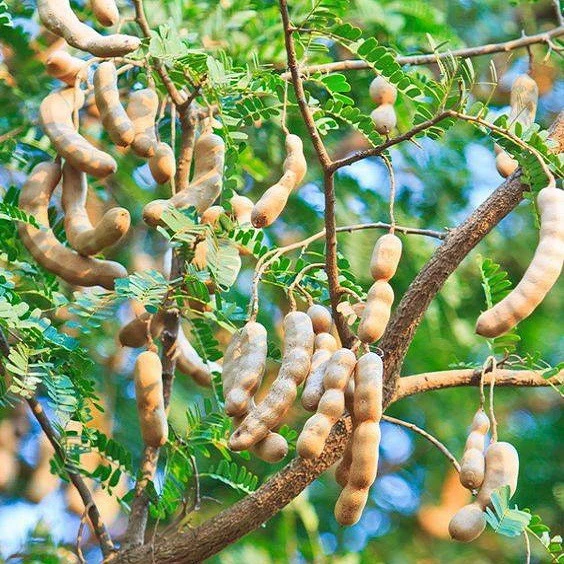
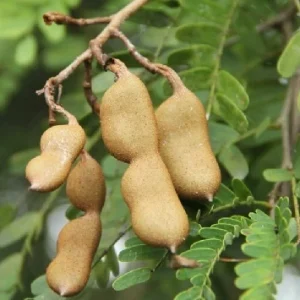
Tamarind Tree Live Plant – 15 Inch Seedling (Tamarindus indica)
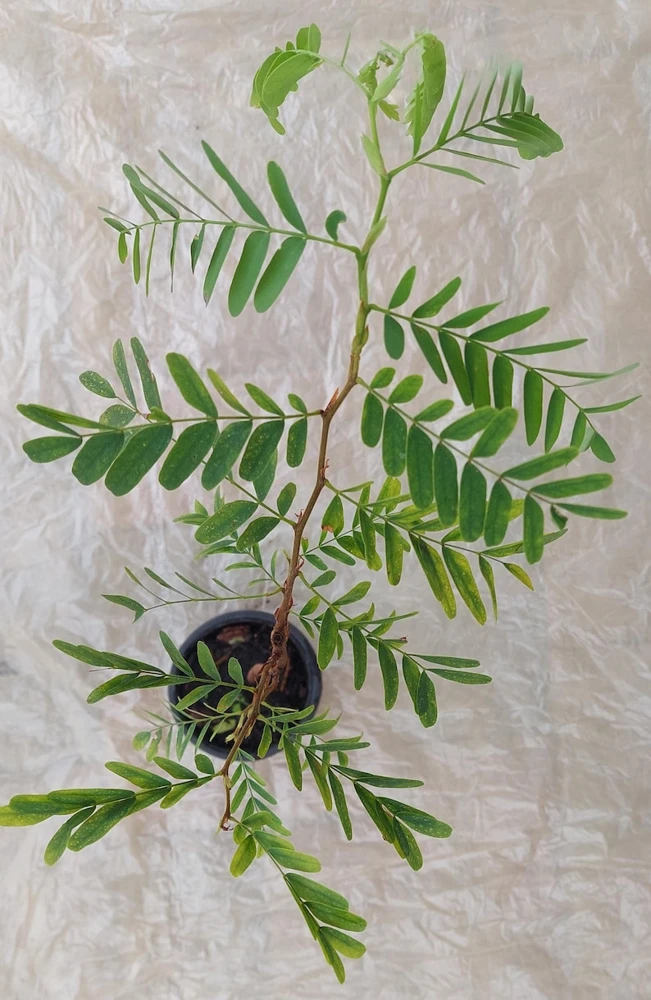
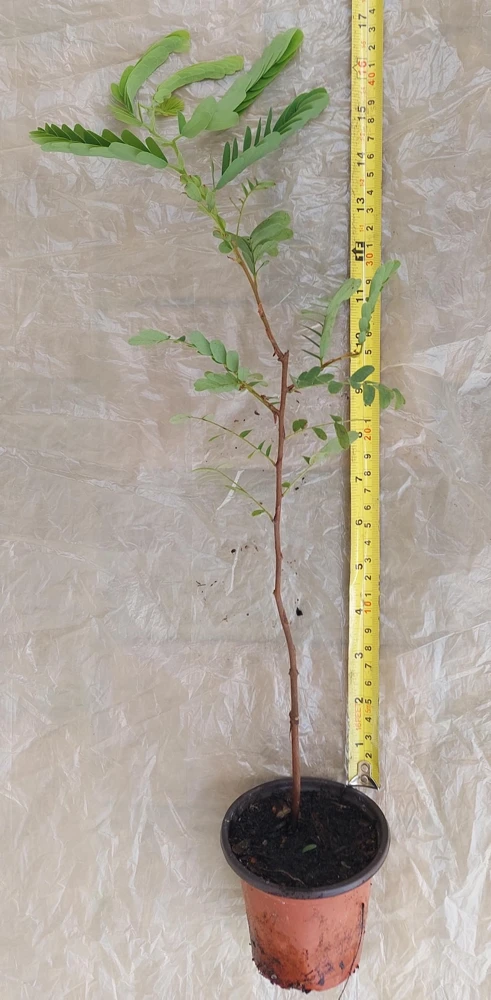
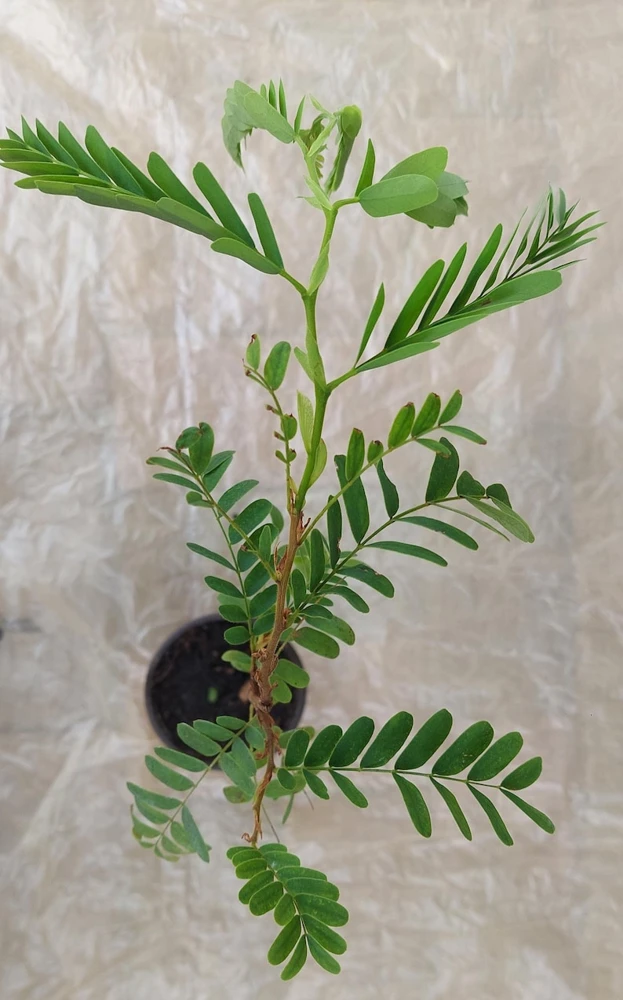
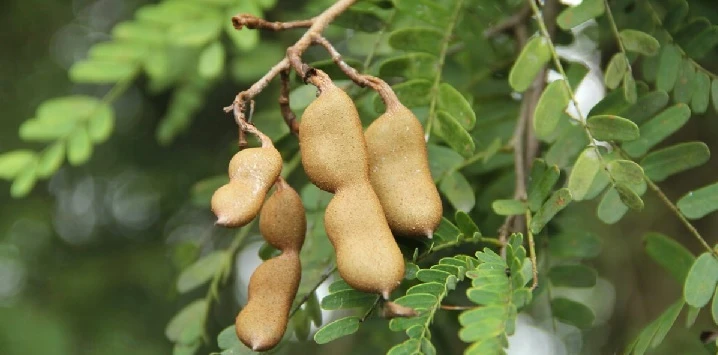
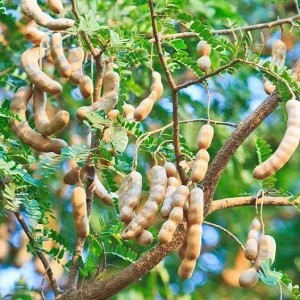
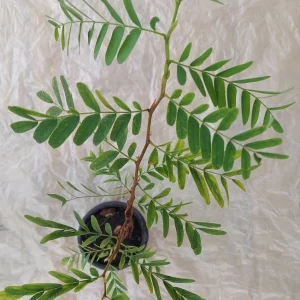
Cultivate your own exotic fruit with this healthy tamarind tree live plant. This 15-inch tall seedling, Tamarindus indica, is ready to thrive in your garden or as a patio container plant. Known for its tangy pods, the tamarind fruit tree adds a unique tropical touch and delicious harvest.
Original price was: $46.98.$33.99Current price is: $33.99.

With our Alive & Thrive Guarantee, we’ve got your back for the first 30 days! If you have any concerns about your plants, just reach out to us. Our team is here to help answer your questions and guide you in selecting the best plants for your garden, climate, and unique preferences. We're excited to help you create the garden of your dreams!
Estimated arrival
Oct 21
Oct 26 - Oct 28
Oct 31 - Nov 04

Product Details
-
USDA Hardiness Zone
USDA zones 9–11 (outdoors), or indoors -
Soil type
Well-draining, sandy loam -
Sunlight Exposure
Full sun (6-8+ hours direct light) -
Expected Planting Period
Year-round indoors; spring/summer outdoors
Overview
Embark on a rewarding gardening journey with our vigorous tamarind tree live plant. This approximately 15-inch tall seedling of Tamarindus indica, also commonly known as Tamarindo, offers the exciting opportunity to cultivate your own source of this beloved tropical fruit. Originating from tropical Africa, the tamarind tree is cherished worldwide for its sweet and sour pods, which are a staple in various cuisines, beverages, and traditional medicines. Growing a tamarind tree live plant brings a touch of the tropics to your home, whether you’re in a warm climate or planning to grow it as a container plant indoors during colder months. This young plant is robust and ready to establish itself, promising years of lush foliage and eventually, bountiful harvests of delicious tamarind pods. It’s an excellent choice for both experienced gardeners and those looking to try their hand at growing exotic fruits.
The tamarind tree live plant is not just about its fruit; it’s also an attractive ornamental tree with graceful, feathery leaves and a dense canopy, making it a beautiful addition to any landscape or patio. Its adaptability allows it to be grown in a wide range of conditions, provided its basic needs for warmth and sunlight are met. This tamarindus indica seedling represents the beginning of a living legacy, offering both aesthetic pleasure and practical rewards. Imagine harvesting your own fresh tamarind to create chutneys, curries, drinks, or desserts, all from a plant you’ve nurtured from a young age. This 15-inch seedling is perfectly sized to get started, providing a significant head start compared to growing from seed.
Key Benefits
Cultivating a tamarind tree live plant offers a multitude of benefits, from its culinary contributions to its ornamental value. Here are some of the key advantages of adding this unique tropical tree to your collection:
- Delicious Fruit Production: The primary appeal of the tamarind tree live plant is its ability to produce the highly sought-after tamarind fruit. These pods contain a tangy, sweet pulp used extensively in Asian, Latin American, and African cuisines for sauces, drinks, candies, and desserts. Harvesting your own fresh tamarind ensures quality and flavor.
- Exotic Ornamental Value: Beyond its fruit, the tamarind tree is a beautiful specimen. Its delicate, feathery leaves provide a lush, tropical aesthetic, and it can grow into a stately shade tree in warmer climates. Even as a container plant, it adds an elegant, exotic touch to patios and indoor spaces.
- Adaptable Growth: While native to tropical regions, the tamarindus indica seedling is surprisingly adaptable. It can be grown outdoors in USDA Zones 9-11 and successfully cultivated in containers in cooler climates, allowing you to bring it indoors during winter. This versatility makes it accessible to a broader range of gardeners.
- Long-Lived & Productive: Tamarind trees are known for their longevity and can produce fruit for many decades once mature. Investing in a young tamarind tree live plant means you’re planting a long-term asset that will offer enjoyment and harvest for years to come.
- Medicinal & Traditional Uses: Various parts of the tamarind tree, including its leaves, bark, and fruit, have been used in traditional medicine for their purported anti-inflammatory, antiseptic, and digestive properties. Growing your own provides access to these traditional remedies.
- A Unique Gardening Experience: For those who enjoy growing unusual or exotic plants, a tamarind tree live plant offers a truly unique and satisfying gardening experience. Watching it grow and eventually bear fruit is incredibly rewarding.
Plant Care & Growing Tips
Caring for your tamarind tree live plant is relatively straightforward, especially once it’s established. Understanding its basic needs will ensure a healthy and productive tree. Tamarind trees thrive in warm, sunny conditions, so providing ample sunlight is crucial. For outdoor planting, choose a location that receives at least 6-8 hours of direct sunlight per day. If growing indoors or in a container, place your tamarindus indica seedling near a south-facing window or use supplemental grow lights to ensure it gets enough light. Protection from frost is essential; if temperatures drop below 40°F (4°C), bring container-grown plants indoors.
When it comes to watering, the tamarind tree live plant prefers consistent moisture but is also quite drought-tolerant once mature. During its younger stages, keep the soil consistently moist but not waterlogged. Allow the top inch or two of soil to dry out between waterings. Good drainage is paramount, so ensure your pot has drainage holes and your garden soil is well-draining. A sandy loam soil with a slightly acidic to neutral pH (6.0-7.0) is ideal. Fertilize your tamarind fruit tree during the growing season (spring and summer) with a balanced, slow-release fertilizer or an organic compost tea. Reduce fertilization during fall and winter when growth slows.
Pruning is generally done to shape the tree, remove dead or diseased branches, and encourage fruit production. For container plants, pruning can help manage size and promote a bushier habit. Watch out for common pests like aphids, scale insects, and mealybugs, and treat them with organic insecticidal soap if necessary. Fungal issues are rare if good air circulation and proper watering practices are maintained. With proper care, your tamarind tree live plant will flourish, providing you with beautiful foliage and delicious fruit for many years.
Size & Details
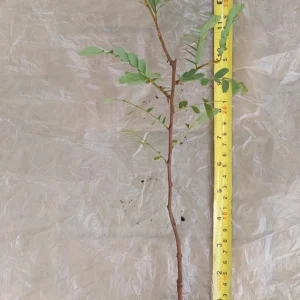
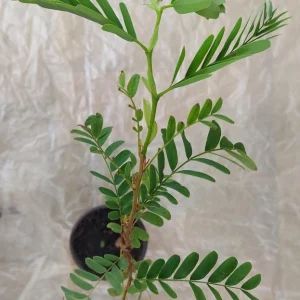
This offering is for one healthy tamarind tree live plant, which is currently a robust seedling measuring approximately 15 inches tall from the base of the pot to the tip of its tallest leaf. It is shipped in a nursery pot, typically 4-6 inches in diameter, with its root ball intact and protected, ensuring minimal transplant shock. The tamarindus indica seedling is at an ideal stage for transplanting into a larger pot or directly into the ground in suitable climates. While this young plant is not yet fruit-bearing, tamarind trees typically begin to produce pods within 3-7 years when grown from a seedling of this size, depending on growing conditions and care. The mature size of a tamarind tree can vary significantly; in its native habitat, it can reach heights of 50-80 feet with a spread of 30-50 feet. However, when grown in containers, its size can be effectively managed through pruning, often staying within 6-15 feet, making it suitable for patios or large indoor spaces. This tamarind fruit tree has a moderate to fast growth rate under optimal conditions, quickly developing into a substantial plant.
Frequently Asked Questions
- Q: How big does this tamarind tree live plant get? A: This seedling is approximately 15 inches tall upon arrival. When grown in the ground in warm climates, tamarind trees can reach 50-80 feet tall. In containers, their size can be maintained at 6-15 feet with regular pruning.
- Q: Is this an indoor or outdoor plant? A: The tamarind tree live plant thrives outdoors in USDA Zones 9-11. In cooler climates, it can be grown outdoors during warm months and brought indoors as a container plant for winter.
- Q: How much sunlight does the tamarindus indica seedling need? A: Tamarind trees require full sun, meaning at least 6-8 hours of direct sunlight per day. If growing indoors, place it in the brightest possible location, such as a south-facing window.
- Q: Is this plant easy to care for? A: Yes, tamarind trees are considered relatively easy to care for once established. They require consistent watering when young, good drainage, and protection from cold temperatures.
- Q: What condition will the tamarind tree live plant arrive in? A: Your plant will arrive as a healthy, approximately 15-inch tall seedling, carefully packaged in its nursery pot with its root ball protected to ensure safe transit and minimal stress.
- Q: How long until this tamarind fruit tree produces fruit? A: When grown from a seedling of this size, tamarind trees typically begin bearing fruit within 3-7 years, given proper care and ideal growing conditions.
- Q: What’s the best soil type for a tamarind tree live plant? A: Tamarind trees prefer well-draining, sandy loam soil with a slightly acidic to neutral pH (6.0-7.0). Ensure good drainage to prevent root rot.
- Q: Will it survive winter in my zone if I live outside USDA Zones 9-11? A: No, it will not survive frost. If you live outside USDA Zones 9-11, you must grow your tamarind tree live plant in a container and bring it indoors to a warm, brightly lit location during the colder months.
- Q: Can I use the fruit from this tree for cooking? A: Absolutely! The fruit produced by the tamarind fruit tree is the same delicious pulp used in various culinary applications, from sweet and sour dishes to beverages and desserts.
- Q: How often should I water my tamarind tree live plant? A: During its active growing season, water regularly to keep the soil consistently moist but not soggy. Allow the top inch or two of soil to dry out between waterings. Reduce watering in winter.
Related products

-36%
Original price was: $279.98.$179.98Current price is: $179.98.
-42%
Original price was: $56.99.$33.29Current price is: $33.29.
PLANTING & CARE
Lemon Tree Growing: Choose, Plant, and Harvest
Learn how to choose, plant, feed, and protect a lemon tree so it fits your
23
Sep
Sep
Dwarf Meyer Lemon Tree Australia: Climate Guide
Learn where dwarf Meyer lemon trees grow, how much cold they tolerate, and whether Australia,
Where to Buy a Dwarf Meyer Lemon Tree: Buyer’s Guide
Find the right dwarf Meyer lemon tree online or locally, compare starter sizes and costs,
Dwarf Meyer Lemon Tree for Sale: Buying Guide
Compare Meyer lemon tree sizes, prices, shipping limits, indoor growing and California options before you
Dwarf Meyer Lemon Tree Guide: Size, Care and Fruit
META: Learn how large a dwarf Meyer lemon tree grows, where it thrives, and how
How to Prune a Dwarf Meyer Lemon Tree
Learn when and how to prune a dwarf Meyer lemon tree, including tools, shaping cuts,
Can You Grow a Dwarf Meyer Lemon Tree in a Pot?
META: Learn how to grow a dwarf Meyer lemon tree in a pot, including container
When Do Dwarf Meyer Lemon Trees Bloom and Fruit?
META: Dwarf Meyer lemon trees usually bloom from winter through spring and may flower again