Tamarind Tree (Tamarindus indica) Live Plant – 3ft Air Layered Tree – Edible Fruit


Tamarind Tree (Tamarindus indica) Live Plant – 3ft Air Layered Tree – Edible Fruit
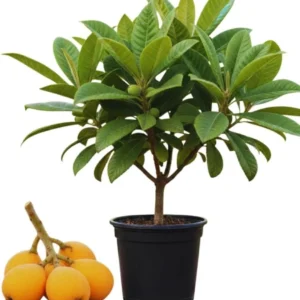
Cultivate your own exotic fruit with this tamarind tree live plant. This 3ft air-layered tamarindus indica tree is ready to thrive, offering delicious edible pods. Suitable for both indoor and outdoor growing in appropriate climates, it’s a unique addition for any gardener.
$170.00

With our Alive & Thrive Guarantee, we’ve got your back for the first 30 days! If you have any concerns about your plants, just reach out to us. Our team is here to help answer your questions and guide you in selecting the best plants for your garden, climate, and unique preferences. We're excited to help you create the garden of your dreams!
Estimated arrival
Apr 03
Apr 08 - Apr 10
Apr 13 - Apr 17

Product Details
-
USDA Hardiness Zone
USDA Zones 9-11 -
Soil type
Well-draining sandy loam -
Sunlight Exposure
Full sun -
Expected Planting Period
Spring to early summer
Overview
Bring the taste of the tropics to your home with this exquisite tamarind tree live plant. Known botanically as Tamarindus indica, this 3ft air-layered specimen is a fantastic choice for enthusiasts looking to grow their own exotic fruit. The tamarind tree is celebrated for its distinctive pods, which contain a tangy, sweet pulp widely used in culinary applications around the world. This particular tamarindus indica tree has been propagated using the air-layering method, ensuring a robust and healthy plant that will establish itself well in your garden or a large container. Whether you’re an experienced horticulturist or a budding green thumb, cultivating this tropical gem offers a rewarding experience and a bountiful harvest.
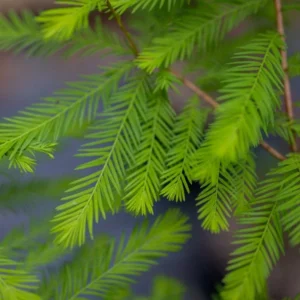
The tamarind tree is a long-lived, medium-growth tree that can reach considerable sizes in its native habitat. However, when grown in containers or in cooler climates, its size can be managed, making it suitable for a wider range of environments. Its beautiful, feathery foliage provides ample shade and an attractive ornamental quality, making it a dual-purpose plant for both its fruit and aesthetic appeal. This tamarind tree live plant is a perfect way to introduce a touch of the exotic to your landscape or patio.
Key Benefits
Beyond its striking appearance, the tamarind tree live plant offers numerous advantages for the home grower. From its delicious fruit to its robust nature, this tree is a valuable addition:
- Edible Fruit Production: The primary benefit is the production of delicious, tangy-sweet tamarind pods. The pulp is versatile, used in drinks, desserts, sauces, and savory dishes, providing a unique flavor profile to your culinary creations. Growing your own edible tamarind plant ensures fresh, organic fruit.
- Ornamental Value: With its graceful, pinnate leaves and dense canopy, the tamarindus indica tree makes an attractive landscape plant. It can provide excellent shade in warmer climates and adds a tropical ambiance to any setting.
- Adaptability: While a tropical plant, with proper care and protection, the tamarind can be grown in various regions. It thrives both in the ground in warm zones and in large containers where it can be moved indoors during colder months, making it suitable for growing tamarind at home in diverse climates.
- Drought Tolerance: Once established, the tamarind tree is remarkably drought-tolerant, requiring less frequent watering compared to many other fruit trees, which makes it a relatively low-maintenance option.
- Long Lifespan: Tamarind trees are known for their longevity, often living for many decades, providing a sustainable source of fruit and beauty for years to come.
- Air-Layered Quality: This 3ft tamarind tree is air-layered, meaning it was propagated from a mature tree. This method often results in plants that are genetically identical to the parent, mature faster, and produce fruit sooner than those grown from seed.
Plant Care & Growing Tips
Caring for your tamarind tree live plant ensures a healthy, productive specimen. While generally robust, understanding its specific needs will help it flourish.
Sunlight Requirements: The tamarind tree thrives in full sun, requiring at least 6-8 hours of direct sunlight per day to produce the best fruit. If growing indoors, place it near a south-facing window or use supplemental grow lights to ensure it receives adequate light. For outdoor planting, choose a location that is not shaded by other large trees or structures.
Watering Schedule and Soil Moisture: Young tamarind trees need consistent moisture. Water regularly, especially during dry periods, allowing the top inch or two of soil to dry out between waterings. Once established, the tree becomes more drought-tolerant. Reduce watering in cooler months or if the tree is dormant. Overwatering can lead to root rot, so ensure good drainage.
Soil Type and Drainage Requirements: Tamarind trees prefer well-draining soil. A sandy loam with good organic matter is ideal. They can tolerate a range of soil types, including slightly acidic to slightly alkaline, but good drainage is crucial. For container-grown plants, use a high-quality potting mix formulated for trees or tropical plants, often containing perlite or sand for improved drainage.
Temperature Range and USDA Hardiness Zone: As a tropical plant, the tamarind prefers warm temperatures. It is best suited for USDA Hardiness Zones 9-11 for outdoor cultivation. It can tolerate brief periods of cold, but prolonged exposure to temperatures below 32°F (0°C) can cause damage or even kill the tree. If you are in a colder zone, grow your tamarindus indica tree in a container so it can be moved indoors during winter months.
Fertilization Schedule and Type: Fertilize your tamarind tree during its active growing season (spring and summer). Use a balanced fertilizer (e.g., 8-8-8 or 10-10-10) or a fertilizer specifically designed for fruit trees. Follow the manufacturer’s recommendations for application rates. Reduce or stop fertilizing during fall and winter. Regular feeding supports healthy growth and fruit production for your edible tamarind plant.
Common Problems and Solutions: Tamarind trees are relatively pest-resistant, but they can occasionally be affected by mealybugs, scale insects, or aphids. Inspect your tree regularly and treat infestations with insecticidal soap or neem oil. Fungal issues, such as powdery mildew, can occur in humid conditions; ensure good air circulation and treat with appropriate fungicides if necessary. Proper care, including adequate sunlight and drainage, will help prevent most problems when growing tamarind at home.
Size & Details
This 3ft tamarind tree is an air-layered live plant, meaning it has a well-developed root system and is ready for planting. Air-layered plants typically begin to produce fruit much sooner than seed-grown trees, often within 3-5 years from planting. The tree will arrive carefully packaged to ensure its health during transit. In optimal conditions, a tamarind tree can grow quite large, reaching heights of 50-80 feet with a spread of 30-50 feet. However, when grown in a container, its size can be effectively managed through pruning, allowing it to remain a more compact and manageable specimen for patios or indoor spaces. The foliage is evergreen in tropical climates, providing year-round interest. Expect vigorous growth with proper care, leading to a mature and fruitful tamarind tree live plant.
Frequently Asked Questions
- Q: How big does this 3ft tamarind tree get? A: While this 3ft tamarind tree can grow up to 50-80 feet tall in ideal tropical conditions when planted in the ground, its size can be managed through regular pruning if grown in a container. This makes it suitable for smaller gardens or patio growing.
- Q: Is this an indoor or outdoor plant? A: The tamarind tree live plant can be grown outdoors in USDA Zones 9-11. In colder climates, it should be grown in a container and brought indoors during the winter months to protect it from frost. It can also be a beautiful indoor plant with sufficient light.
- Q: How much sunlight does the tamarindus indica tree need? A: Your tamarindus indica tree requires full sun, meaning at least 6-8 hours of direct sunlight each day. This is crucial for healthy growth and optimal fruit production.
- Q: Is this plant easy to care for? A: Once established, the tamarind tree is relatively low-maintenance and drought-tolerant. Young plants require more consistent watering and protection from cold. Overall, it’s considered moderately easy to care for, especially if you understand its tropical needs.
- Q: Will this edible tamarind plant produce fruit quickly? A: Yes, because this is an air-layered plant, it is genetically mature and typically produces fruit much faster than seed-grown trees, often within 3-5 years of planting.
- Q: When is the best time to plant a tamarind tree? A: The best time to plant your edible tamarind plant is in the spring or early summer after all danger of frost has passed, allowing it ample time to establish itself before cooler weather.
- Q: What kind of soil is best for growing tamarind at home? A: For growing tamarind at home, a well-draining sandy loam soil is ideal. If planting in a container, use a good quality potting mix amended with perlite or sand to ensure excellent drainage.
- Q: Is the tamarind tree evergreen? A: In tropical and subtropical climates, the tamarind tree is typically evergreen. In areas with a distinct dry season, it may shed some of its leaves.
- Q: Can I use the fruit from this tree in cooking? A: Absolutely! The fruit of the tamarind tree live plant is highly prized for its tangy-sweet pulp, which is a staple in many cuisines for making chutneys, sauces, drinks, and desserts.
- Q: How should I water my tamarind tree? A: Water regularly to keep the soil consistently moist but not waterlogged, especially for young trees. Allow the top soil to dry slightly before watering again. Established trees are more drought-tolerant.
Related products

-20%
Original price was: $90.00.$72.00Current price is: $72.00.

PLANTING & CARE

Growing Glencoe Raspberry: A Complete Guide for Gardeners
If you’re looking to add something unique to your garden, look no further than the
31
Mar
Mar

The Comprehensive Guide to Growing Bay Leaf Plants for a Flavorful Garden
Imagine stepping into your garden, greeted by the earthy aroma of fresh bay leaves, their
09
Feb
Feb

How to Make Comfrey Tea: The Ultimate Organic Plant Food
Growing an organic garden can be surprisingly expensive, especially when most store-bought fertilizers come in
02
Feb
Feb

True Comfrey: 7 Essential Tips Before You Plant This Herb
A staple in permaculture practices across the US, True Comfrey easily earns its reputation as
27
Jan
Jan

7 Heart-Shaped Plants for a Lasting Valentine’s Gift
If you’ve ever bought a bouquet of roses for Valentine’s Day, you know they are
26
Jan
Jan

Best Types of Ivy Plant for Houses: How to Choose the Perfect Ones for Your Home
Are you a garden lover looking to introduce some greenery into your home? Maybe you’ve
14
Nov
Nov

When to Harvest Garlic (Especially Fall-Planted Garlic)
TIMING IS EVERYTHING, they say – and for garlic, that truth hits with surprising accuracy.
13
Nov
Nov

11 of the Best Sweet Potato Varieties to Grow for Your Garden
If you’ve ever tried growing sweet potatoes, you know that picking the right variety can
12
Nov
Nov