Tarragon Live Plant – 2 Pack, 5-9 Inch Tall Herb for Culinary Gardens
-50%
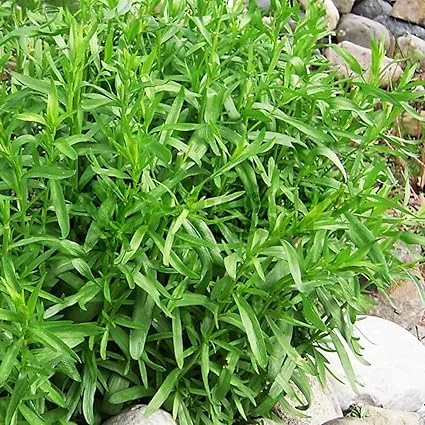
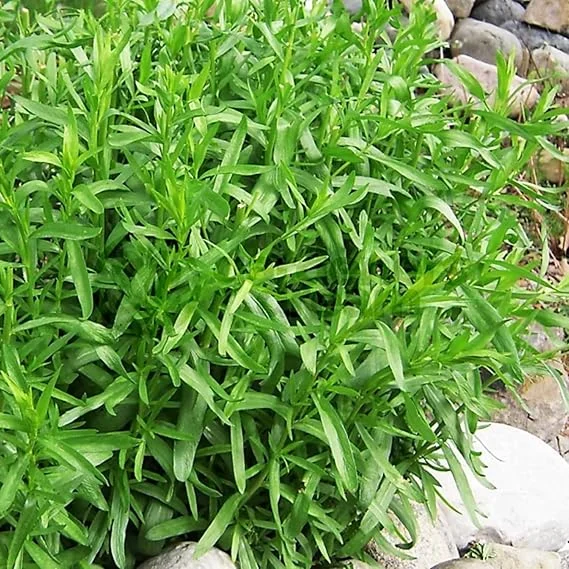
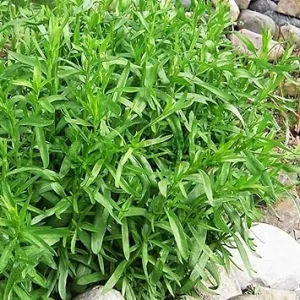
Tarragon Live Plant – 2 Pack, 5-9 Inch Tall Herb for Culinary Gardens
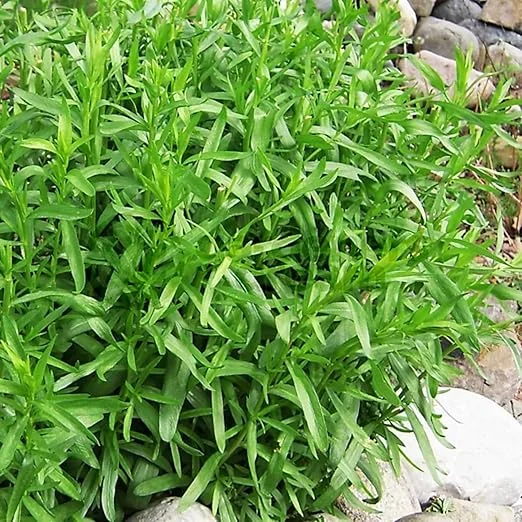
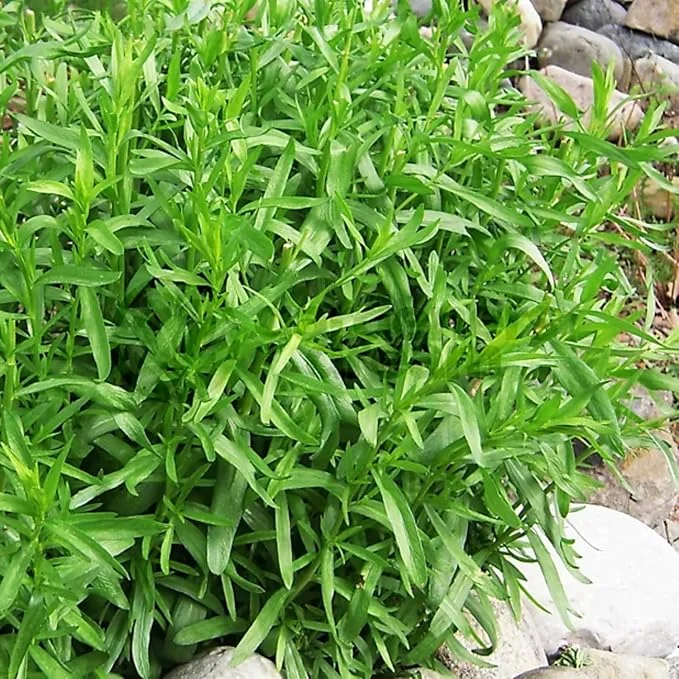
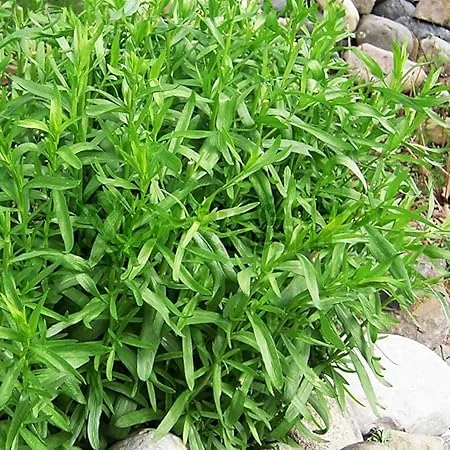
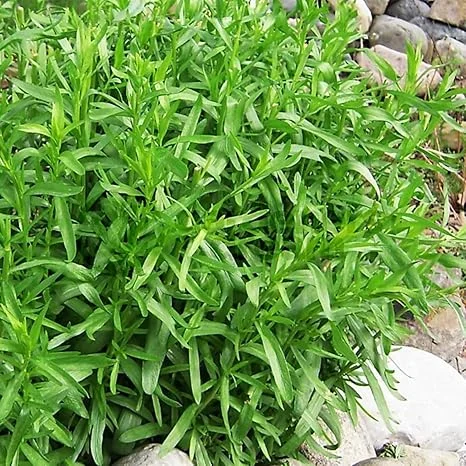
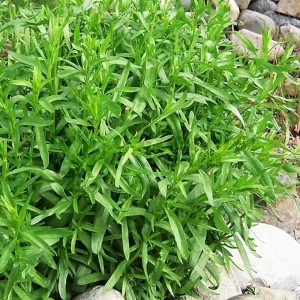
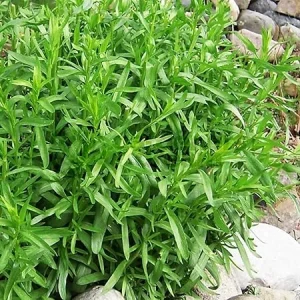
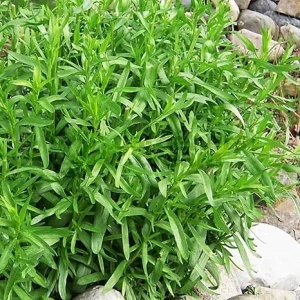
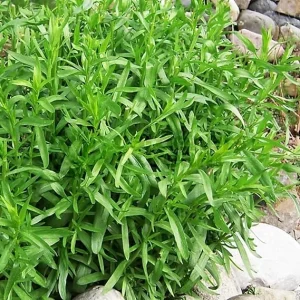
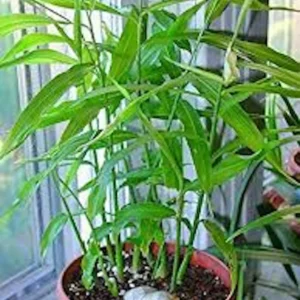
Cultivate your own flavorful tarragon live plant with this convenient 2-pack. Each tarragon herb plant stands 5-9 inches tall, ready to thrive in your garden or containers. Enjoy fresh leaves for culinary dishes, bringing an anise-like flavor to your cooking. Ideal for zones 3-9.
Original price was: $39.98.$19.99Current price is: $19.99.

With our Alive & Thrive Guarantee, we’ve got your back for the first 30 days! If you have any concerns about your plants, just reach out to us. Our team is here to help answer your questions and guide you in selecting the best plants for your garden, climate, and unique preferences. We're excited to help you create the garden of your dreams!
Estimated arrival
Mar 28
Apr 02 - Apr 04
Apr 07 - Apr 11
Product Details
-
USDA Hardiness Zone
3 to 9 -
Soil type
Well-draining soil -
Sunlight Exposure
Full sun -
Expected Planting Period
Spring to early summer outdoors, year-round indoors
Overview
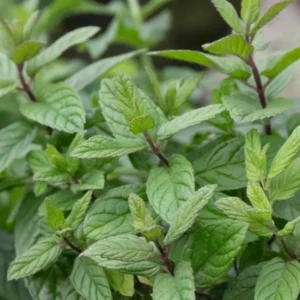
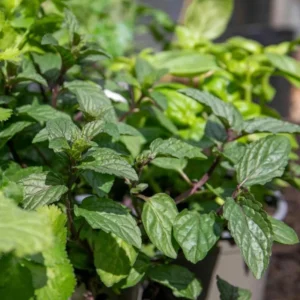
Enhance your culinary adventures and garden’s aroma with this 2-pack of tarragon live plant. Known for its distinctive anise-like flavor, tarragon (Artemisia dracunculus) is a beloved herb in French cuisine and beyond. These vigorous plants arrive ready to grow, typically measuring 5-9 inches tall, making them perfect for immediate integration into your herb garden, raised beds, or patio containers. Growing your own fresh tarragon ensures you have a constant supply of this aromatic herb, far superior in taste to dried varieties. This tarragon live plant offers an easy and rewarding way to bring gourmet flavors right to your kitchen.
French tarragon, the most common culinary variety, is a perennial herb that adds a sophisticated touch to sauces, poultry, and fish dishes. Its slender, dark green leaves release a subtle, peppery, and slightly sweet flavor. With proper care, these plants will flourish, providing bountiful harvests throughout the growing season. Whether you’re an experienced gardener or just starting, our tarragon live plant collection is an excellent choice for anyone looking to cultivate high-quality herbs at home.
Key Benefits
Growing your own tarragon live plant offers a multitude of advantages, from culinary convenience to garden aesthetics. Discover why these herb plants are a must-have for any home gardener:
- Fresh Culinary Flavor: Enjoy the superior taste of freshly picked tarragon, essential for classic dishes like Béarnaise sauce, chicken tarragon, and various vinaigrettes. The delicate, sweet, and peppery notes are unmatched by dried alternatives.
- Easy to Grow: These robust plants are delivered ready to plant, making it simple to start your herb garden. They are relatively low-maintenance once established, perfect for gardeners of all skill levels.
- Perennial Herb: Tarragon is a hardy perennial in many zones, meaning it will return year after year, providing a continuous harvest without the need for replanting. This makes it a cost-effective and sustainable choice.
- Aromatic Garden Addition: The elegant foliage and subtle scent of tarragon herb plant add a pleasant aroma and texture to your garden landscape, attracting beneficial insects.
- Health Benefits: Traditionally, tarragon has been used for its digestive properties and as a mild stimulant. Incorporating fresh herbs into your diet is a great way to boost overall wellness.
- Versatile Use: Beyond French cuisine, fresh tarragon for cooking can elevate salads, eggs, seafood, and even infused vinegars and oils, expanding your culinary repertoire.
- Space-Saving: Ideal for container gardening, these plants can thrive on patios, balconies, or in small garden spaces, allowing anyone to grow tarragon at home.
Plant Care & Growing Tips
Caring for your tarragon live plant is straightforward, ensuring a healthy and productive herb for years to come. Tarragon thrives in conditions that mimic its Mediterranean origins.
Sunlight Requirements: Tarragon prefers full sun, meaning at least 6-8 hours of direct sunlight per day. While it can tolerate some partial shade, especially in hotter climates, too little sun can lead to leggy growth and reduced flavor intensity. If growing indoors, place your tarragon herb plant near a south-facing window or under a grow light.
Watering Schedule and Soil Moisture: Water moderately, allowing the top inch or two of soil to dry out between waterings. Tarragon dislikes consistently wet feet, which can lead to root rot. Ensure the soil is well-draining to prevent waterlogging. During dry spells, increase watering frequency, but always check soil moisture first.
Soil Type and Drainage: A key to successful tarragon cultivation is well-draining soil. A sandy loam with a neutral to slightly alkaline pH (6.5-7.5) is ideal. If planting in containers, use a high-quality potting mix amended with perlite or sand to improve drainage. Good drainage is crucial for preventing diseases in your tarragon live plant.
Temperature Range and USDA Hardiness Zone: This tarragon live plant is hardy in USDA Zones 3 to 9. It prefers moderate temperatures and can tolerate light frosts. In colder zones, it will die back in winter and re-emerge in spring. In warmer, humid climates, it may struggle in the peak of summer heat; providing some afternoon shade can help. Protect from severe winter conditions by mulching or bringing potted plants indoors.
Fertilization: Tarragon is not a heavy feeder. A light application of a balanced, all-purpose organic fertilizer in spring is usually sufficient. Over-fertilizing can diminish the herb’s flavor. For best results when you grow tarragon at home, prioritize soil health and proper drainage over excessive feeding.
Common Problems and Solutions: Tarragon is generally pest-resistant. However, watch out for aphids or spider mites, especially in dry conditions. Treat with insecticidal soap if necessary. Root rot can occur in poorly draining soil; ensure proper watering and soil conditions to prevent this. Powdery mildew might appear in high humidity; improve air circulation and consider a fungicide if severe. Regular harvesting also helps maintain plant vigor and prevents fungal issues.
Size & Details
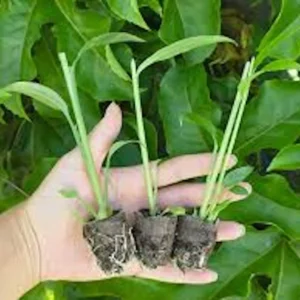
This offering includes a pack of two healthy tarragon live plant specimens, each carefully nurtured to arrive at your doorstep ready for planting. Each plant typically measures between 5 to 9 inches in height from the base of the soil to the tip of its foliage, providing a good head start for your herb garden. They are shipped in their nursery pots with established root systems, ensuring a smooth transition to your garden or larger containers. Tarragon is a relatively fast-growing herb, and with optimal conditions, you can expect to begin harvesting leaves within a few weeks of planting. Mature plants can reach up to 2-3 feet in height and spread, forming attractive, bushy clumps. The plants are robust and designed to thrive, ready to provide you with an abundance of fresh tarragon for cooking throughout the growing season and beyond.
Frequently Asked Questions
- Q: How big does this plant get? A: Each tarragon live plant typically arrives 5-9 inches tall. When mature, it can reach a height of 2-3 feet with a similar spread, forming a bushy perennial herb.
- Q: Is this an indoor or outdoor plant? A: Tarragon can be grown both indoors and outdoors. It thrives outdoors in full sun in USDA Zones 3-9. Indoors, place it near a bright, sunny window or under a grow light.
- Q: How much sunlight does it need? A: For best growth and flavor, your tarragon herb plant requires at least 6-8 hours of direct sunlight daily. It can tolerate some partial shade, especially in hot climates.
- Q: Is this plant easy to care for? A: Yes, tarragon is considered an easy-to-care-for herb. It requires well-draining soil, moderate watering, and plenty of sunlight. It’s a great choice for beginners looking to grow tarragon at home.
- Q: What condition will it arrive in? A: Your tarragon live plant will arrive safely packaged, in its nursery pot with an established root system, ready for planting. We ensure careful handling during transit.
- Q: Can I use tarragon in cooking? A: Absolutely! This is a culinary variety of tarragon, perfect for adding its distinctive anise-like flavor to chicken, fish, sauces, salads, and more. Enjoy fresh tarragon for cooking straight from your garden.
- Q: How long until it’s ready to harvest? A: You can typically begin light harvesting of the leaves within a few weeks of planting your tarragon herb plant. Allow it to establish itself before taking larger harvests.
- Q: When is the best time to plant? A: The best time to plant tarragon outdoors is in spring after the last frost. If growing indoors, it can be planted year-round.
- Q: Will it survive winter in my zone? A: Tarragon is a hardy perennial in USDA Zones 3-9. In these zones, it will die back in winter and regrow from the roots in spring. In colder zones, it may need winter protection or to be brought indoors.
- Q: What’s the minimum temperature it can tolerate? A: As a perennial in zones 3-9, established tarragon plants can tolerate temperatures down to about -30°F (-34°C) with proper mulching, though foliage will die back in freezing conditions.
Related products
-67%
Original price was: $75.72.$25.24Current price is: $25.24.
-50%
Original price was: $27.96.$13.98Current price is: $13.98.
-10%
Original price was: $75.00.$67.50Current price is: $67.50.
-48%
Original price was: $39.99.$20.99Current price is: $20.99.
-10%
Original price was: $65.00.$58.50Current price is: $58.50.
-67%
From Original price was: $35.22.$11.74Current price is: $11.74.
-50%
Original price was: $59.96.$29.98Current price is: $29.98.
-20%
Original price was: $35.00.$28.00Current price is: $28.00.
PLANTING & CARE

The Comprehensive Guide to Growing Bay Leaf Plants for a Flavorful Garden
Imagine stepping into your garden, greeted by the earthy aroma of fresh bay leaves, their
09
Feb
Feb

How to Make Comfrey Tea: The Ultimate Organic Plant Food
Growing an organic garden can be surprisingly expensive, especially when most store-bought fertilizers come in
02
Feb
Feb

True Comfrey: 7 Essential Tips Before You Plant This Herb
A staple in permaculture practices across the US, True Comfrey easily earns its reputation as
27
Jan
Jan

7 Heart-Shaped Plants for a Lasting Valentine’s Gift
If you’ve ever bought a bouquet of roses for Valentine’s Day, you know they are
26
Jan
Jan

Best Types of Ivy Plant for Houses: How to Choose the Perfect Ones for Your Home
Are you a garden lover looking to introduce some greenery into your home? Maybe you’ve
14
Nov
Nov

When to Harvest Garlic (Especially Fall-Planted Garlic)
TIMING IS EVERYTHING, they say – and for garlic, that truth hits with surprising accuracy.
13
Nov
Nov

11 of the Best Sweet Potato Varieties to Grow for Your Garden
If you’ve ever tried growing sweet potatoes, you know that picking the right variety can
12
Nov
Nov
Pruning Bougainvillea for Winter
Bougainvillea vines are known for their dazzling display of magenta, orange, and fuchsia bracts that
05
Nov
Nov