Thornless Chester Blackberry Live Plant – 5-9 inches Tall Berry Bush, Cold Hardy Zones 5-8, Late Season Fruit
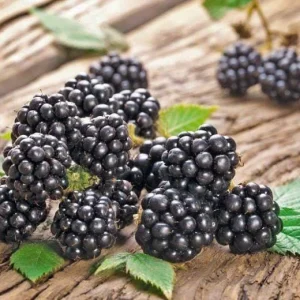
Thornless Chester Blackberry Live Plant – 5-9 inches Tall Berry Bush, Cold Hardy Zones 5-8, Late Season Fruit
Bring delicious, late-season fruit to your garden with this Chester blackberry live plant. This vigorous, thornless variety grows 5-9 inches tall, offering easy harvesting of sweet, firm berries. It’s a cold hardy blackberry, thriving in zones 5-8, and resistant to disease, making it a low-maintenance choice for backyard growers.
$27.98

With our Alive & Thrive Guarantee, we’ve got your back for the first 30 days! If you have any concerns about your plants, just reach out to us. Our team is here to help answer your questions and guide you in selecting the best plants for your garden, climate, and unique preferences. We're excited to help you create the garden of your dreams!
Estimated arrival
Oct 14
Oct 19 - Oct 21
Oct 24 - Oct 28
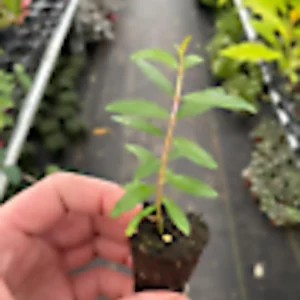
Product Details
-
USDA Hardiness Zone
5-8 -
Soil type
Well-draining, slightly acidic soil (pH 6.0-6.8) -
Sunlight Exposure
Full sun (6+ hours) -
Expected Planting Period
Spring to early summer
Overview
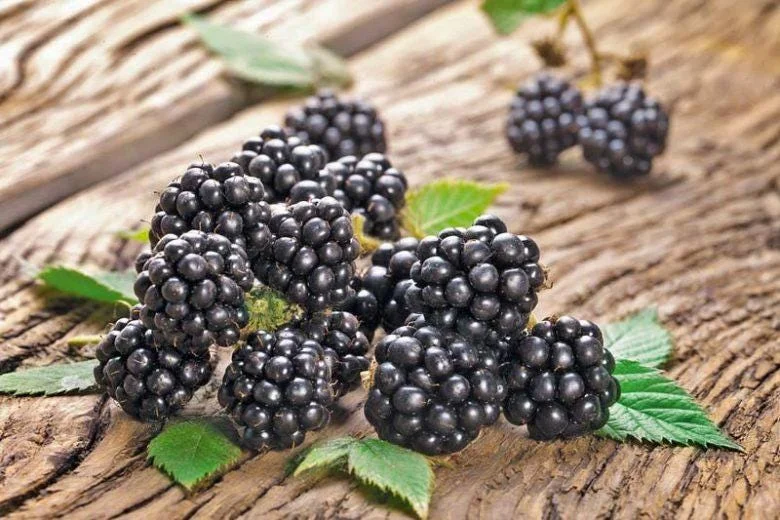
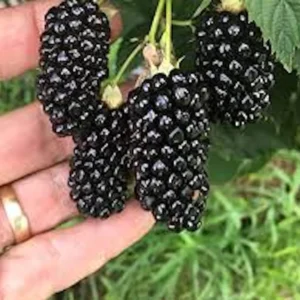
Introduce a bounty of sweet, firm berries to your landscape with the exceptional Chester blackberry live plant. This premium variety, known for its outstanding flavor and robust growth, arrives as a well-rooted starter, typically 5-9 inches tall, ready to establish quickly in your garden. The ‘Chester’ blackberry is a true gem for any fruit enthusiast, offering a unique combination of qualities that make it a standout among berry bushes. Its vigorous, semi-erect canes are completely thornless, ensuring a pain-free harvesting experience, a feature highly prized by home gardeners. This makes growing Chester blackberries an enjoyable activity for the whole family, free from scratches and snags. Enjoy a generous yield of large, jet-black fruit that ripens late in the season, extending your fresh berry enjoyment well into autumn when other varieties have finished producing.
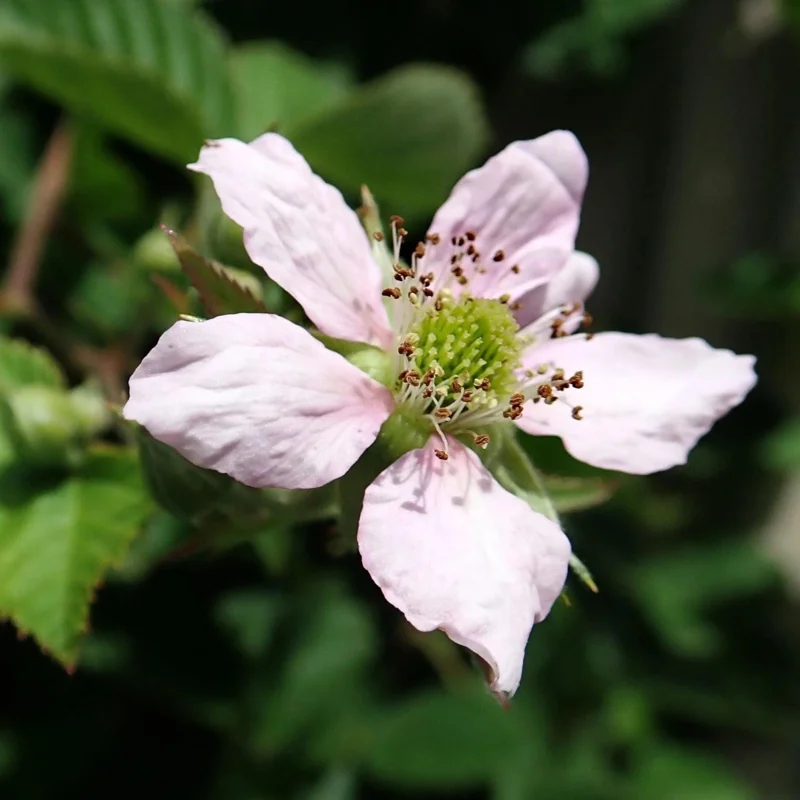
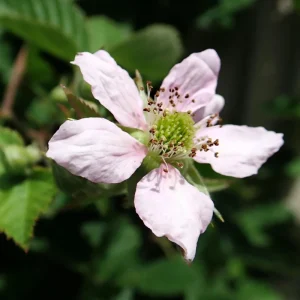
The ‘Chester’ blackberry (Rubus hybrid) is celebrated not only for its delicious fruit but also for its remarkable resilience. It’s considered one of the toughest thornless varieties available, boasting excellent cold hardiness and disease resistance, particularly against cane blight. This makes it an ideal choice for gardeners seeking a low-maintenance yet highly productive berry bush. Whether you’re an experienced grower or new to fruit gardening, this thornless blackberry bush provides an accessible and rewarding path to homegrown sweetness. Its beautiful white spring blossoms will also add ornamental value to your garden before transforming into an abundant harvest of delectable fruit.
Key Benefits
The Chester blackberry live plant offers a multitude of advantages that make it a must-have for any home garden. From its ease of care to its abundant harvest, you’ll find countless reasons to love this productive berry bush.
- Thornless Harvesting: Say goodbye to painful pricks and torn clothes. The ‘Chester’ variety is completely thornless, making picking berries a joy for adults and children alike. This feature greatly enhances the gardening experience and encourages more frequent harvesting.
- Extended Berry Season: Unlike many other blackberry varieties that finish fruiting early, ‘Chester’ is a late-ripening producer, typically yielding fruit from August through September. This extends your fresh berry supply, allowing you to enjoy homegrown goodness when other fruits are scarce.
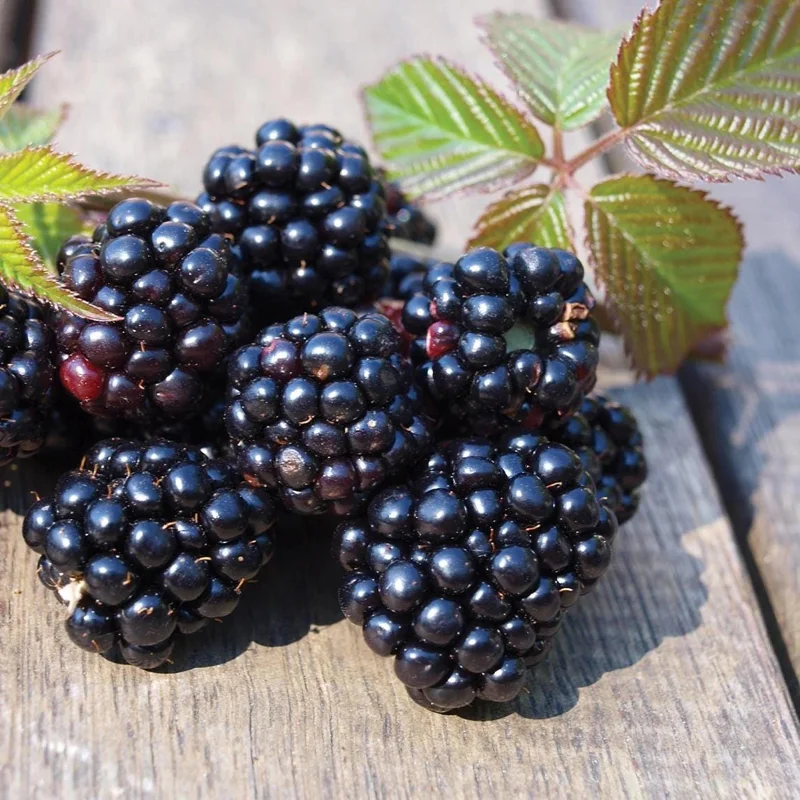
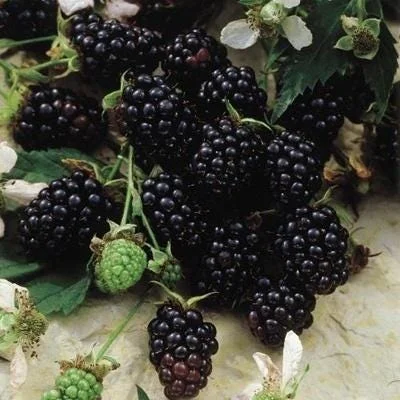
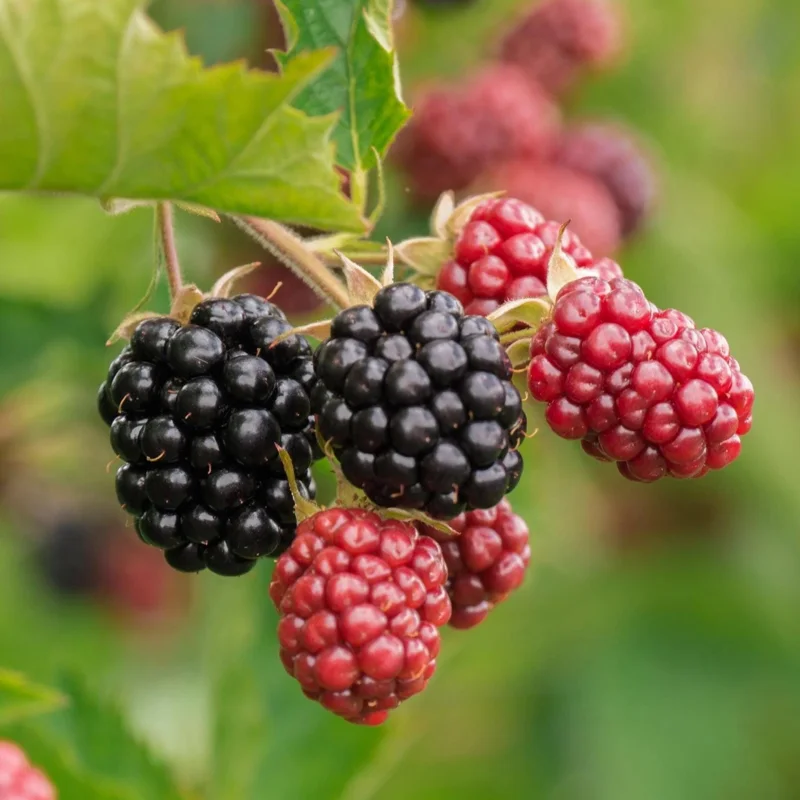
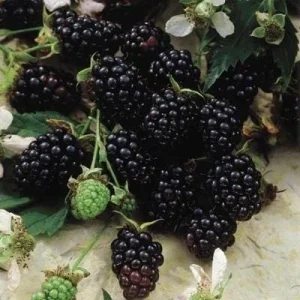
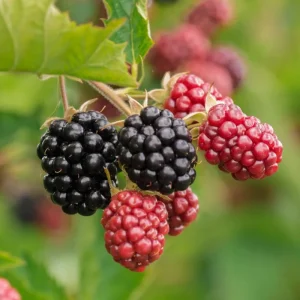
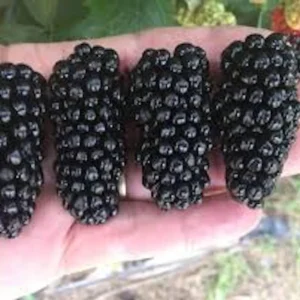
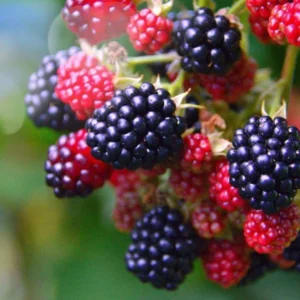
- Abundant & Sweet Fruit: Expect a massive harvest of large, firm, and incredibly sweet jet-black berries. These berries are perfect for fresh eating, baking, jams, jellies, and preserving, offering versatile culinary uses.
- Cold Hardy & Disease Resistant: This variety is renowned for being a cold hardy blackberry, thriving reliably in USDA Zones 5-8. It also exhibits strong resistance to common blackberry diseases like cane blight, ensuring a healthy and productive plant with minimal intervention.
- Attracts Pollinators: The beautiful white spring blossoms not only signal the coming harvest but also provide valuable nectar for bees, butterflies, and other beneficial pollinators, enhancing your garden’s ecosystem.
- Versatile Growing Options: Suitable for planting in the ground along a trellis or in large patio containers. Its semi-erect canes can be trained for optimal support and space efficiency.
- Low Maintenance: With its natural vigor, disease resistance, and thornless nature, this plant requires less effort than many other fruit-bearing plants, making growing Chester blackberries a rewarding and manageable endeavor.
Plant Care & Growing Tips
Caring for your Chester blackberry live plant is straightforward, and with proper attention, you’ll be rewarded with years of delicious fruit. Upon arrival, unpack your plant immediately. If the soil feels dry, water it lightly. Place it in a shaded area for 24-48 hours to help it acclimate to its new environment before planting in its permanent location. Blackberries thrive in full sun, meaning they need at least 6 hours of direct sunlight per day to produce the best fruit. Ensure your chosen spot receives ample light throughout the day.
Plant your thornless blackberry bush in well-draining, slightly acidic soil with a pH between 6.0 and 6.8. Loam, sandy, or silt soils are ideal. Dig a hole wide enough to comfortably spread the roots, and ensure the crown of the plant is at soil level. Water deeply immediately after planting to settle the soil around the roots. Consistent moisture is crucial, especially during fruiting; aim for 1-2 inches of water per week, either from rainfall or irrigation. Applying a layer of mulch around the base will help retain soil moisture and suppress weeds. For optimal support and easier harvesting, install a trellis or fence for the semi-erect canes to grow on.
Pruning is essential for maintaining plant health and maximizing fruit production. In late fall or winter, prune canes that have finished fruiting back to the ground. These are typically older, darker canes. New canes will emerge to produce fruit next season. Fertilize your Chester blackberry live plant in early spring with a balanced fruit fertilizer to encourage vigorous growth and a bountiful harvest. With these simple steps, your cold hardy blackberry will flourish, providing you with an abundance of sweet berries.
Size & Details
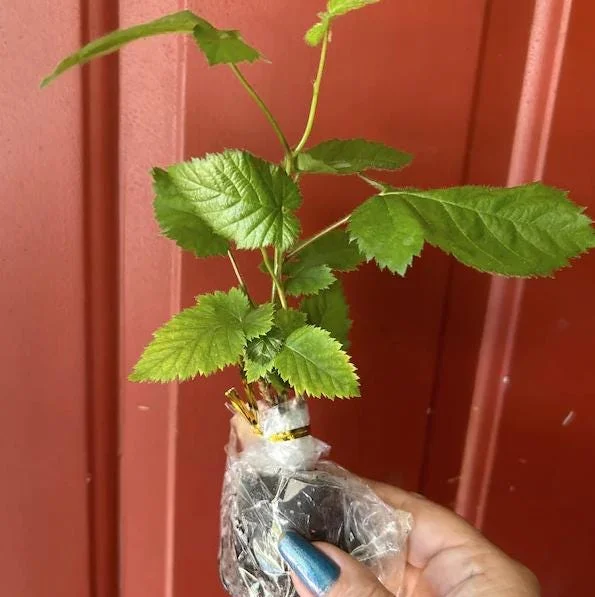
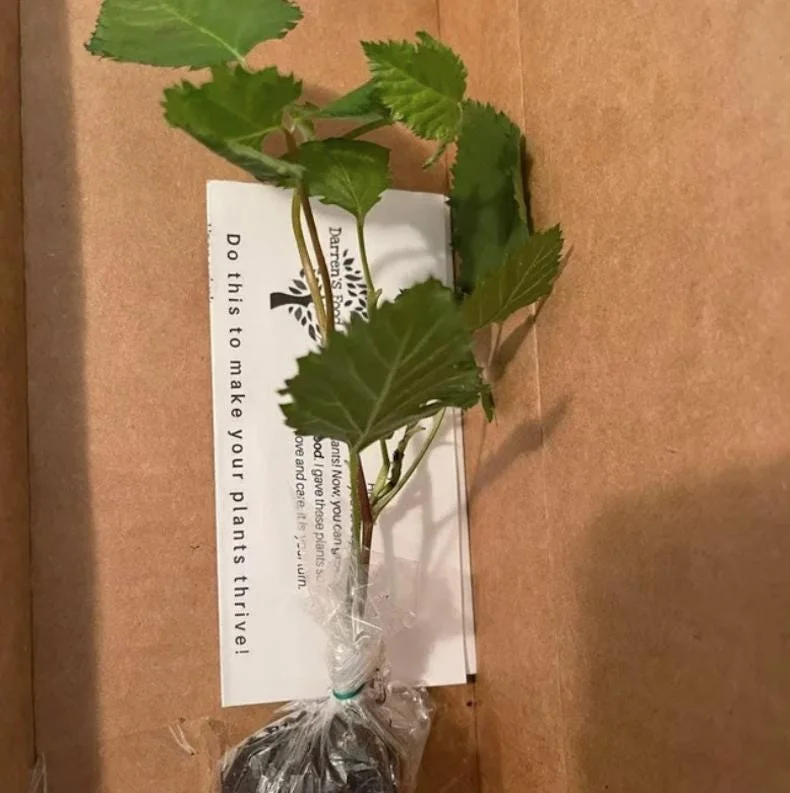
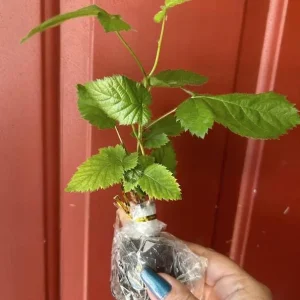
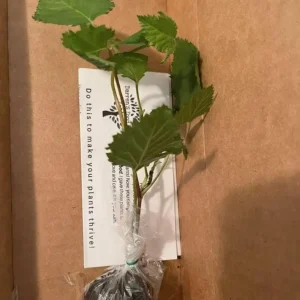
You will receive one premium Chester blackberry live plant, typically measuring 5-9 inches in height upon arrival. This vigorous, well-rooted starter plant is shipped ready to plant directly into your garden or a large container. In containers, this thornless blackberry bush can reach a mature height of 3-4 feet, making it suitable for patio gardening. When planted in the ground with proper support like a trellis, it can grow 4-5 feet tall, with canes trailing longer. The plant is known for its relatively fast growth rate, establishing quickly and typically beginning to fruit within 1-2 years after planting, with significant harvests in subsequent years.
The ‘Chester’ variety produces beautiful white blooms in spring, which mature into large, firm, jet-black fruit during its late-ripening season of August-September. It is highly adaptable and performs best in USDA Hardiness Zones 5-8. The plant prefers full sun exposure (6+ hours daily) and requires regular watering to maintain consistent soil moisture. Ideal soil types include loam, sandy, or silt, all of which should be well-draining with a pH between 6.0-6.8. This plant is engineered for resilience, offering a low-maintenance gardening experience for those interested in growing Chester blackberries.
Frequently Asked Questions
- Q: How big does this Chester blackberry live plant get? A: In containers, it typically reaches 3-4 feet tall. When planted in the ground with a trellis, it can grow 4-5 feet tall, with canes potentially trailing longer.
- Q: Is this an indoor or outdoor plant? A: This is an outdoor fruiting plant. It requires full sun and thrives in garden settings, suitable for USDA Zones 5-8.
- Q: How much sunlight does the thornless blackberry bush need? A: It requires full sun, meaning at least 6 hours of direct sunlight per day, for optimal growth and fruit production.
- Q: Is this plant easy to care for? A: Yes, the ‘Chester’ variety is considered low-maintenance due to its thornless nature, cold hardiness, and disease resistance, making growing Chester blackberries relatively easy for gardeners.
- Q: What condition will the cold hardy blackberry arrive in? A: You will receive a premium, well-rooted live plant, typically 5-9 inches tall, packaged to ensure healthy roots during transit.
- Q: When is the best time to plant this blackberry? A: The best time to plant is in spring after the last frost, or in early fall in milder climates.
- Q: Can I grow this blackberry in a large pot on my patio? A: Yes, it adapts well to large patio containers, though it may require more frequent watering than if planted in the ground.
- Q: What USDA zones is this Chester blackberry live plant suitable for? A: It is best suited for USDA Hardiness Zones 5-8, known for its excellent cold hardiness.
- Q: How long until it starts producing fruit? A: This plant typically begins to produce fruit within 1-2 years after planting, with full production in subsequent years.
- Q: What kind of soil does it prefer? A: It prefers well-draining, slightly acidic soil with a pH between 6.0 and 6.8. Loamy, sandy, or silt soils are ideal.
Related products
-20%
Original price was: $80.00.$64.00Current price is: $64.00.
-20%
Original price was: $36.00.$28.80Current price is: $28.80.
-20%
Original price was: $36.00.$28.80Current price is: $28.80.
-50%
Original price was: $39.98.$19.99Current price is: $19.99.
-51%
Original price was: $43.99.$21.59Current price is: $21.59.
-20%
Original price was: $36.00.$28.80Current price is: $28.80.
-20%
Original price was: $32.00.$25.60Current price is: $25.60.
-20%
Original price was: $60.00.$48.00Current price is: $48.00.
PLANTING & CARE
Lemon Tree Growing: Choose, Plant, and Harvest
Learn how to choose, plant, feed, and protect a lemon tree so it fits your
23
Sep
Sep
Dwarf Meyer Lemon Tree Australia: Climate Guide
Learn where dwarf Meyer lemon trees grow, how much cold they tolerate, and whether Australia,
Where to Buy a Dwarf Meyer Lemon Tree: Buyer’s Guide
Find the right dwarf Meyer lemon tree online or locally, compare starter sizes and costs,
Dwarf Meyer Lemon Tree for Sale: Buying Guide
Compare Meyer lemon tree sizes, prices, shipping limits, indoor growing and California options before you
Dwarf Meyer Lemon Tree Guide: Size, Care and Fruit
META: Learn how large a dwarf Meyer lemon tree grows, where it thrives, and how
How to Prune a Dwarf Meyer Lemon Tree
Learn when and how to prune a dwarf Meyer lemon tree, including tools, shaping cuts,
Can You Grow a Dwarf Meyer Lemon Tree in a Pot?
META: Learn how to grow a dwarf Meyer lemon tree in a pot, including container
When Do Dwarf Meyer Lemon Trees Bloom and Fruit?
META: Dwarf Meyer lemon trees usually bloom from winter through spring and may flower again