Tiny Banana Plant Musa acuminata Live Starter Plant – Indoor/Container, 2-3 ft Tall
-20%
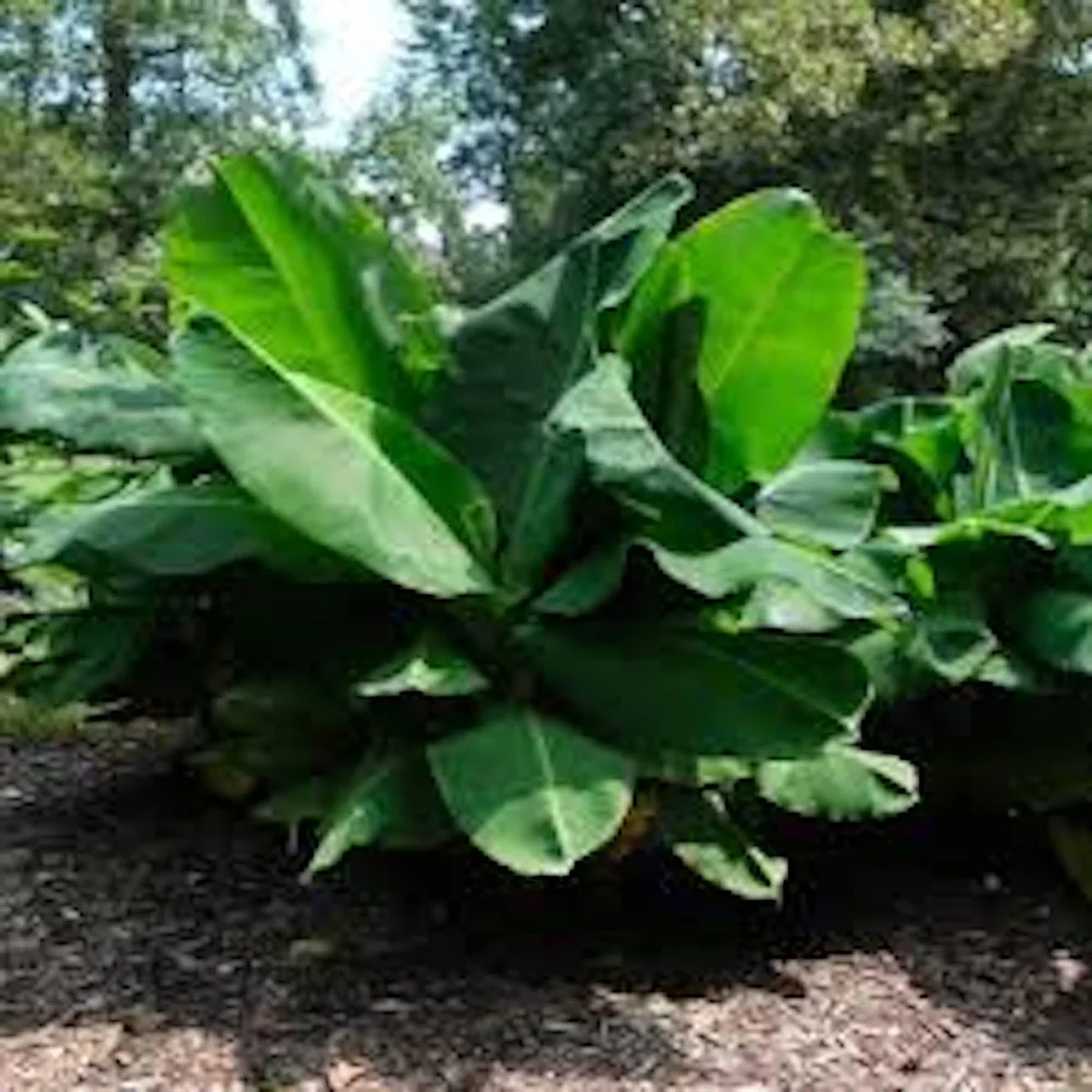
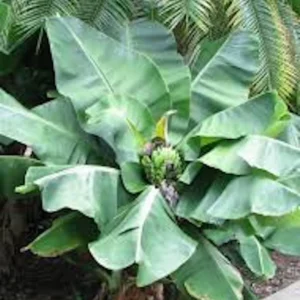
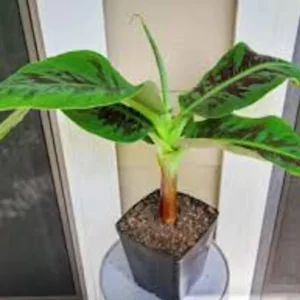
Tiny Banana Plant Musa acuminata Live Starter Plant – Indoor/Container, 2-3 ft Tall
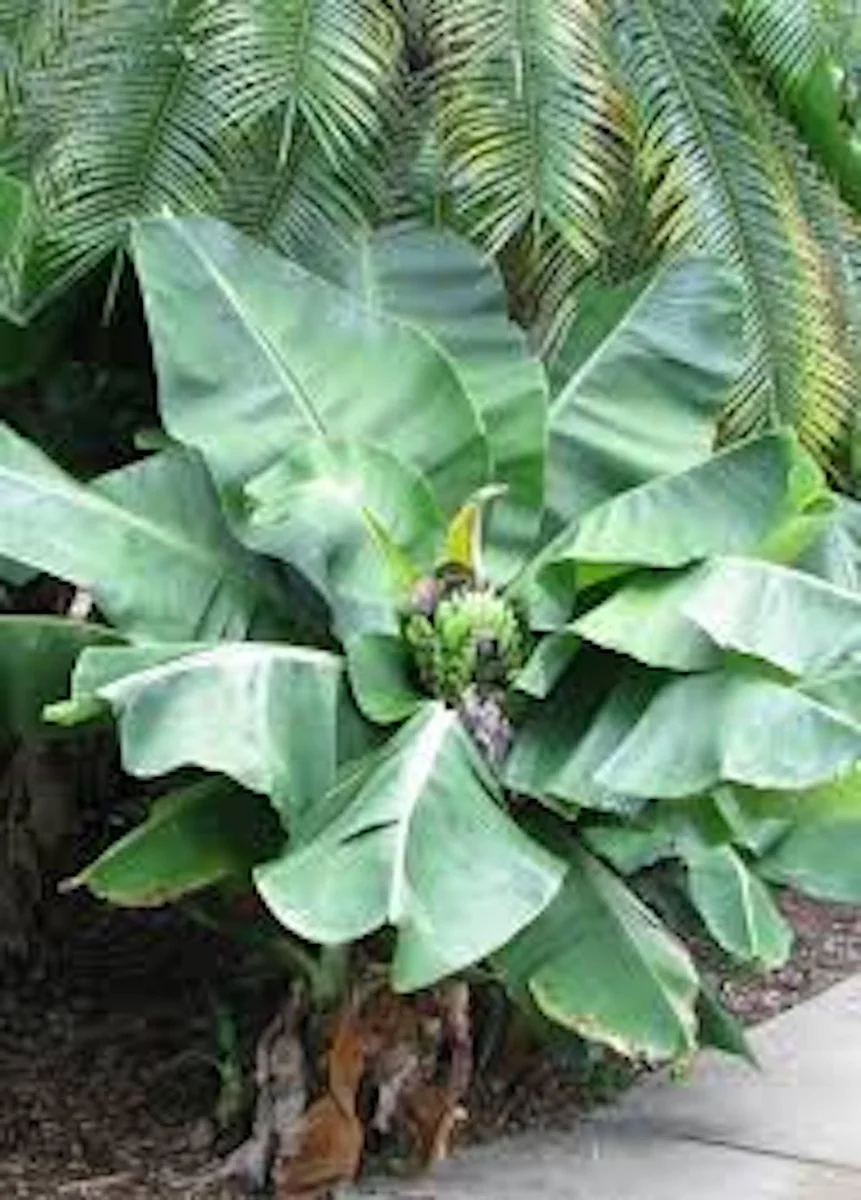
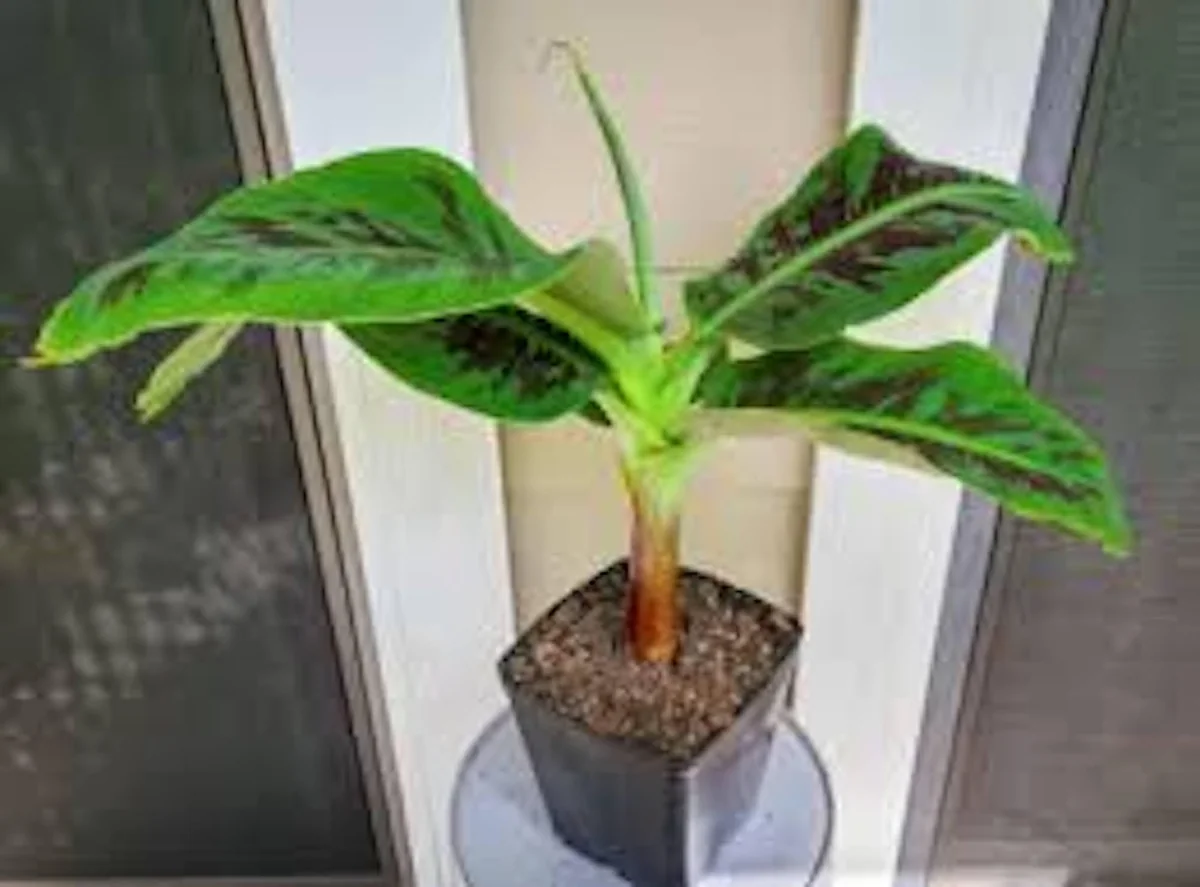
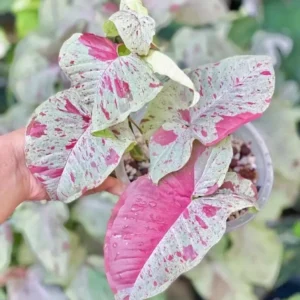
Bring the tropics indoors with the tiny banana plant (Musa acuminata), a live starter plant perfect for small spaces. This compact variety, also known as the truly tiny banana, reaches only 2-3 feet tall, making it an ideal indoor banana tree or container plant. Enjoy its vibrant red variegated leaves and the promise of fresh, homegrown bananas.
Original price was: $38.00.$30.40Current price is: $30.40.

With our Alive & Thrive Guarantee, we’ve got your back for the first 30 days! If you have any concerns about your plants, just reach out to us. Our team is here to help answer your questions and guide you in selecting the best plants for your garden, climate, and unique preferences. We're excited to help you create the garden of your dreams!
Estimated arrival
Apr 03
Apr 08 - Apr 10
Apr 13 - Apr 17
Product Details
-
USDA Hardiness Zone
USDA zones 9-11 (outdoors), year-round indoors -
Soil type
Well-draining potting mix -
Sunlight Exposure
Bright, direct sunlight (6-8 hours daily) -
Expected Planting Period
Year-round indoors
Overview
Introduce a touch of the exotic to your home with the remarkable tiny banana plant, scientifically known as Musa acuminata. This live starter plant is celebrated as the world’s smallest banana variety, maturing to a manageable height of just 2-3 feet. It’s a miniature version of the well-loved Dwarf Cavendish, specifically bred for its compact size and vibrant aesthetic. Perfect for urban gardeners, apartment dwellers, or anyone seeking a unique indoor botanical accent, this plant transforms any space into a tropical oasis. Its distinctive red variegation on the leaves adds an ornamental appeal, making it a conversation starter even before it bears fruit. Whether you’re looking to cultivate your own bananas or simply enjoy the lush foliage, the Musa acuminata live plant offers both beauty and potential bounty.
Key Benefits
The tiny banana plant offers a multitude of benefits, making it an excellent choice for both novice and experienced plant enthusiasts. Its unique characteristics contribute to a vibrant and productive indoor garden.
- Compact Size for Any Space: Reaching only 2-3 feet tall, this dwarf banana plant is perfectly suited for indoor environments, balconies, or small patios. It allows anyone to grow bananas, regardless of garden size.
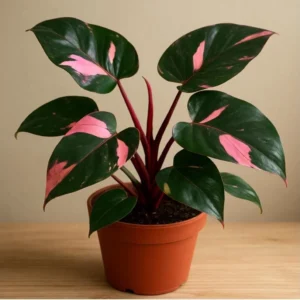
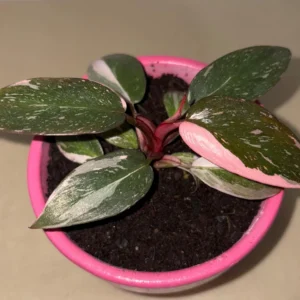
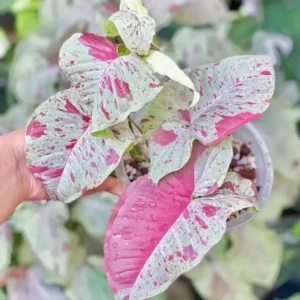
- Ornamental Appeal: Beyond its fruit-bearing potential, the Musa acuminata boasts striking red variegation on its leaves, adding a splash of tropical color and texture to your decor.
- Fresh Homegrown Bananas: Experience the satisfaction of harvesting your own bananas right from your living room. While smaller, the fruit retains the delicious flavor of its larger relatives.
- Air Purification: Like many houseplants, the indoor banana tree contributes to a healthier living environment by naturally filtering airborne toxins, improving indoor air quality.
- Educational Experience: Growing a banana plant from a starter allows for a fascinating educational journey, observing its growth cycle from foliage to fruit.
- Stress Reduction: Tending to plants, especially a unique specimen like the truly tiny banana, has been shown to reduce stress and improve overall well-being.
- Versatile Growing Options: Ideal for container gardening, this plant thrives in pots and can be easily moved to optimize light conditions or bring indoors during cooler weather.
Plant Care & Growing Tips
Caring for your tiny banana plant involves understanding its tropical needs to ensure robust growth and potential fruit production. This Musa acuminata live plant, while compact, still requires consistent attention to thrive.
Sunlight Requirements: Banana plants are sun-lovers. Provide your indoor banana tree with at least 6-8 hours of bright, direct sunlight daily. A south-facing window is often ideal. If natural light is insufficient, consider supplementing with a grow light to mimic tropical conditions. In outdoor settings during warmer months, ensure it receives full sun but protect it from extreme, scorching afternoon sun in very hot climates.
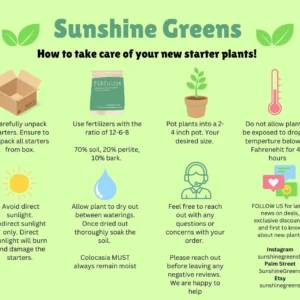
Watering Schedule and Soil Moisture: These plants prefer consistently moist, but not waterlogged, soil. Water thoroughly when the top inch of soil feels dry to the touch. During warmer months or when the plant is actively growing, it may require daily watering. Reduce watering slightly in cooler months. Ensure excellent drainage to prevent root rot, a common issue for banana plants.
Soil Type and Drainage: A rich, well-draining potting mix is crucial for the dwarf banana plant. A blend formulated for tropical plants or a mix of peat moss, perlite, and compost works well. The pot must have drainage holes to allow excess water to escape. Repotting every 1-2 years into a slightly larger pot with fresh soil will benefit its growth.
Temperature Range and USDA Hardiness Zone: Being a tropical plant, the truly tiny banana thrives in warm temperatures, ideally between 65-80°F (18-27°C). It is not frost-tolerant and should be brought indoors when temperatures drop below 50°F (10°C). For outdoor planting in the ground, it’s typically suited for USDA Zones 9-11, where winters are mild. Maintain high humidity around the plant, especially indoors; misting regularly or using a pebble tray can help.
Fertilization Schedule: Banana plants are heavy feeders. Fertilize your tiny banana plant every 2-4 weeks during the growing season (spring and summer) with a balanced, slow-release fertilizer or a liquid fertilizer diluted to half strength. Reduce feeding in fall and winter. Look for fertilizers with a higher potassium content once the plant starts to mature, to encourage flowering and fruiting.
Common Problems and Solutions: Watch out for spider mites, mealybugs, and aphids, especially indoors. Treat infestations with insecticidal soap or neem oil. Yellowing leaves can indicate overwatering or nutrient deficiency. Ensure proper watering and regular fertilization. Brown, crispy leaf edges often point to low humidity; increase misting or use a humidifier.
Size & Details
This offering is for one tiny banana plant live starter plant, typically shipped bare root without a pot to ensure safe transit and reduce shipping stress. Upon arrival, the plant will be ready for immediate potting in your preferred container. The ‘Truly Tiny’ variety of Musa acuminata is renowned for its compact mature size, typically reaching a height of 2-3 feet (60-90 cm) with a similar spread, making it an excellent choice for indoor cultivation or small outdoor spaces. Its growth rate is moderate, and with optimal care, you can expect it to mature and potentially bear fruit within 1-2 years. The unique red variegation on the leaves is a distinctive feature of this particular dwarf banana plant. This plant is a miniature marvel, designed to bring the joy of banana growing to any home.
Frequently Asked Questions
- Q: How big does this plant get? A: The tiny banana plant, also known as the truly tiny banana, typically reaches a mature height of 2-3 feet (60-90 cm). This compact size makes it ideal for indoor growing or container gardening.
- Q: Is this an indoor or outdoor plant? A: While it can thrive outdoors in warm climates (USDA Zones 9-11), the Musa acuminata live plant is primarily grown as an indoor banana tree in most regions due to its sensitivity to cold and compact size.
- Q: How much sunlight does it need? A: This plant requires abundant sunlight, ideally 6-8 hours of bright, direct light daily. A south-facing window or a grow light setup is recommended for optimal growth indoors.
- Q: Is this plant easy to care for? A: The dwarf banana plant is considered moderately easy to care for. It requires consistent watering, bright light, and warmth, but with proper attention, it’s a rewarding plant for beginners and experienced gardeners alike.
- Q: What condition will it arrive in? A: Your tiny banana plant will arrive as a healthy, bare-root starter plant, carefully packaged to ensure its safety during transit. It will need to be potted immediately upon arrival.
- Q: How long until it blooms and fruits? A: With ideal growing conditions and proper care, your indoor banana tree can start producing flowers and fruit within 1-2 years of planting. Patience and consistent care are key.
- Q: Will it survive winter in my zone? A: Unless you are in USDA Zones 9-11, this tropical plant will not survive outdoor winters. It must be brought indoors when temperatures drop below 50°F (10°C) to protect it from cold damage.
- Q: What kind of soil is best for this banana plant? A: A rich, well-draining potting mix is essential for the tiny banana plant. A good quality tropical plant mix or a homemade blend with peat moss, compost, and perlite will provide the necessary nutrients and drainage.
- Q: Can I use the bananas from this plant for eating? A: Yes, the bananas produced by the truly tiny banana are edible and delicious, offering a fresh, homegrown tropical treat.
- Q: Does it need high humidity? A: Yes, as a tropical plant, the Musa acuminata live plant thrives in high humidity. Misting the leaves regularly or placing the pot on a pebble tray with water can help maintain adequate humidity levels, especially in dry indoor environments.
Related products
-25%
Original price was: $16.80.$12.60Current price is: $12.60.
-25%
Original price was: $23.00.$17.24Current price is: $17.24.
-35%
Original price was: $29.80.$19.36Current price is: $19.36.
-30%
Original price was: $13.98.$9.78Current price is: $9.78.
-25%
Original price was: $20.90.$15.68Current price is: $15.68.
-30%
Original price was: $129.98.$90.98Current price is: $90.98.
PLANTING & CARE

Growing Glencoe Raspberry: A Complete Guide for Gardeners
If you’re looking to add something unique to your garden, look no further than the
31
Mar
Mar

The Comprehensive Guide to Growing Bay Leaf Plants for a Flavorful Garden
Imagine stepping into your garden, greeted by the earthy aroma of fresh bay leaves, their
09
Feb
Feb

How to Make Comfrey Tea: The Ultimate Organic Plant Food
Growing an organic garden can be surprisingly expensive, especially when most store-bought fertilizers come in
02
Feb
Feb

True Comfrey: 7 Essential Tips Before You Plant This Herb
A staple in permaculture practices across the US, True Comfrey easily earns its reputation as
27
Jan
Jan

7 Heart-Shaped Plants for a Lasting Valentine’s Gift
If you’ve ever bought a bouquet of roses for Valentine’s Day, you know they are
26
Jan
Jan

Best Types of Ivy Plant for Houses: How to Choose the Perfect Ones for Your Home
Are you a garden lover looking to introduce some greenery into your home? Maybe you’ve
14
Nov
Nov

When to Harvest Garlic (Especially Fall-Planted Garlic)
TIMING IS EVERYTHING, they say – and for garlic, that truth hits with surprising accuracy.
13
Nov
Nov

11 of the Best Sweet Potato Varieties to Grow for Your Garden
If you’ve ever tried growing sweet potatoes, you know that picking the right variety can
12
Nov
Nov