Tropical Milkweed Live Plant – 4 inch Pot – Outdoor Butterfly Host
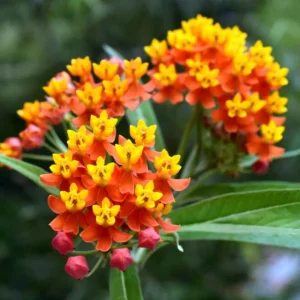
Tropical Milkweed Live Plant – 4 inch Pot – Outdoor Butterfly Host
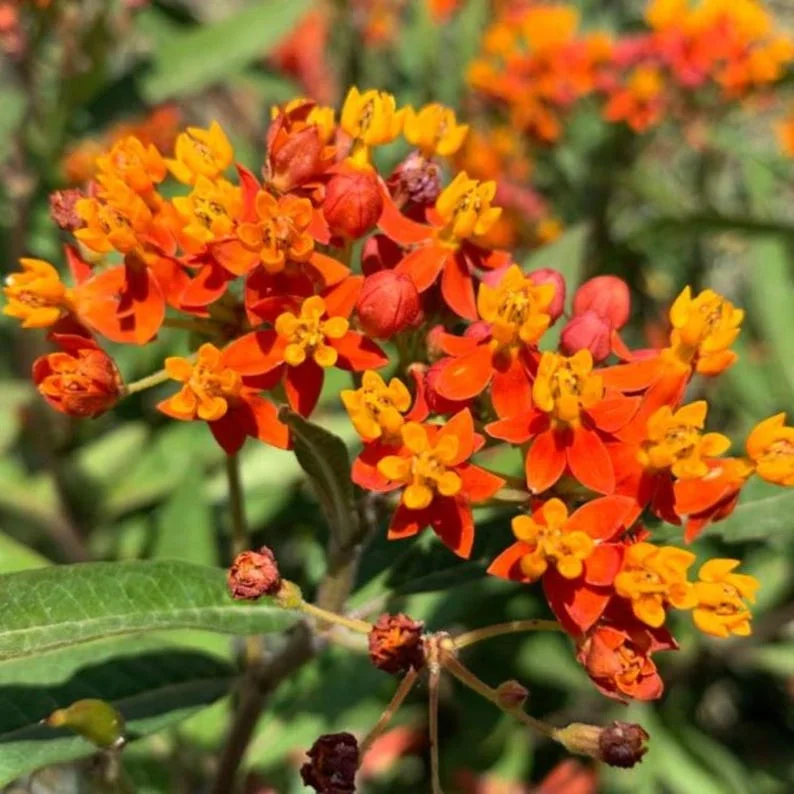
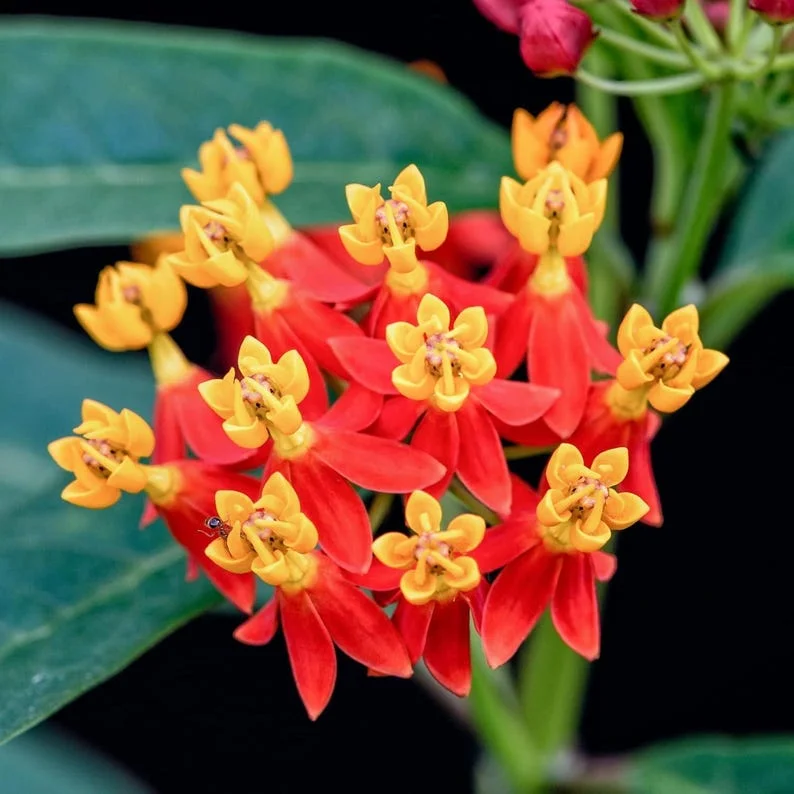
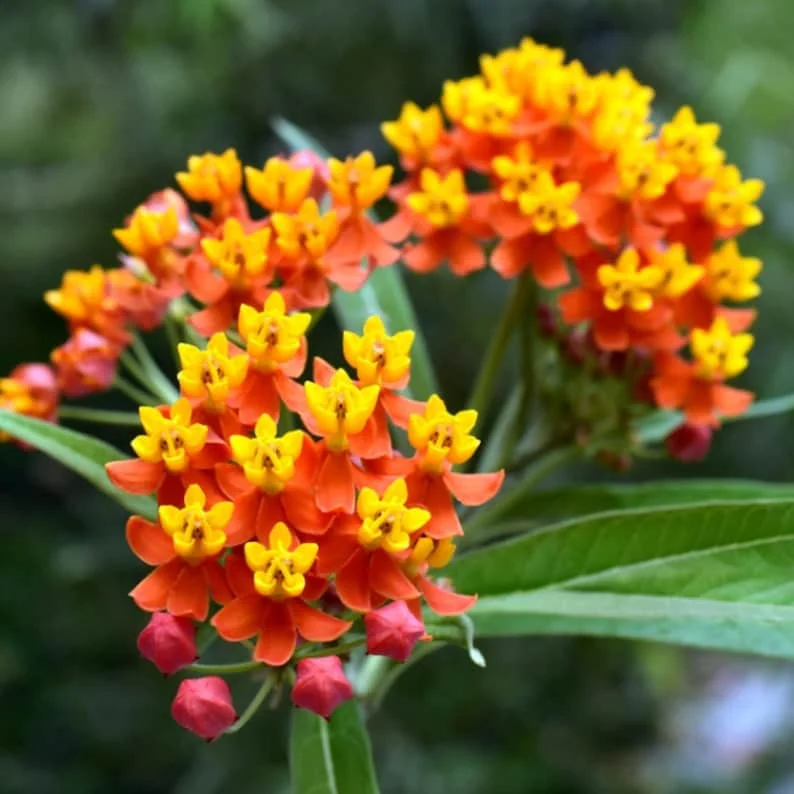
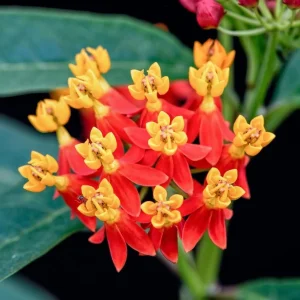
Bring life and color to your garden with this beautiful tropical milkweed live plant, housed in a convenient 4-inch pot. Known for its vibrant red and yellow flowers, this plant is a crucial host for monarch butterfly caterpillars and a favorite nectar source for adult butterflies. Perfect for pollinator gardens, containers, or garden beds.

With our Alive & Thrive Guarantee, we’ve got your back for the first 30 days! If you have any concerns about your plants, just reach out to us. Our team is here to help answer your questions and guide you in selecting the best plants for your garden, climate, and unique preferences. We're excited to help you create the garden of your dreams!
Estimated arrival
Sep 10
Sep 15 - Sep 17
Sep 20 - Sep 24


Product Details
-
USDA Hardiness Zone
USDA zones 9–11 (as perennial), zones 2-8 (as annual) -
Soil type
Well-draining, moderately fertile soil -
Sunlight Exposure
Full sun (6-8+ hours daily) -
Expected Planting Period
Spring to early summer
Overview
Welcome the beauty of nature into your garden with our vibrant tropical milkweed live plant. This stunning specimen, scientifically known as Asclepias curassavica, is not only a visual delight with its striking red and yellow blooms but also plays a vital role in supporting the monarch butterfly population. Each plant arrives healthy and ready to thrive in a 4-inch nursery pot, perfectly sized for immediate planting in your garden or a larger container. Also commonly referred to as Bloodflower, Scarlet Milkweed, or Mexican Milkweed, this species is a fast-growing perennial in warmer climates and an excellent annual in cooler regions. Its continuous blooming throughout the warmer months ensures a steady supply of nectar for adult butterflies and provides essential foliage for monarch caterpillars, making it an indispensable addition to any pollinator-friendly landscape. Embrace the cycle of nature and create an inviting habitat for these magnificent creatures with a thriving tropical milkweed live plant.
The tropical milkweed live plant is celebrated for its ease of care and its undeniable charm. It’s an ideal choice for both seasoned gardeners and beginners looking to make a positive impact on local ecosystems. Its upright growth habit and dense foliage make it a fantastic focal point or a complementary plant in mixed borders. Beyond its ecological benefits, the bright colors add a cheerful and exotic touch to any outdoor space, from sprawling gardens to compact patios and balconies. Invest in a plant that gives back to nature and provides endless fascination.
Key Benefits
Adding a tropical milkweed live plant to your garden offers a multitude of benefits, transforming your outdoor space into a vibrant haven for wildlife and a source of natural beauty. This plant is a cornerstone for supporting biodiversity:
- Monarch Butterfly Host Plant: This is the primary benefit, as the leaves of the tropical milkweed live plant are the sole food source for monarch butterfly caterpillars. By planting it, you provide a critical breeding ground and ensure the survival of this iconic species. Watching the full life cycle of the monarch unfold in your own garden is a truly rewarding experience.
- Pollinator Magnet: Beyond monarchs, the bright flowers are a rich nectar source, attracting a wide array of other pollinators including bees, hummingbirds, and various butterfly species. This boosts the health of your garden and surrounding ecosystem.
- Vibrant Floral Display: The brilliant red and yellow flowers provide continuous color from spring through fall (or even year-round in tropical climates). These cheerful blooms add a tropical flair and visual interest to any garden setting, making it an eye-catching addition.
- Low Maintenance & Easy Care: Once established, tropical milkweed care is relatively straightforward. It tolerates a range of soil conditions and is quite drought-tolerant, making it a robust choice for busy gardeners.
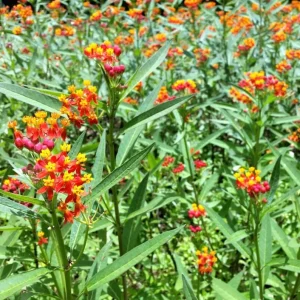
- Versatile Garden Use: Perfect for garden beds, borders, container gardening, or even as part of a meadow garden. Its upright form allows it to fit into various landscape designs, complementing other plants beautifully.
- Educational Value: Provides an incredible opportunity for children and adults alike to observe the fascinating metamorphosis of monarch butterflies up close, fostering an appreciation for nature and conservation.
- Deer Resistant: Generally, deer tend to avoid milkweed, making it a good choice for areas where deer browsing is a concern.
Plant Care & Growing Tips
Ensuring your tropical milkweed live plant thrives is simple with the right care. This resilient plant prefers full sun, meaning at least 6-8 hours of direct sunlight per day is ideal. In hotter climates, a little afternoon shade can be beneficial to prevent scorching, but too much shade will result in leggy growth and fewer blooms. When it comes to watering, this plant is quite adaptable. While it prefers consistently moist soil when establishing, it becomes relatively drought-tolerant once mature. Water deeply when the top inch or two of soil feels dry to the touch, and allow the soil to dry out slightly between waterings to prevent root rot. Avoid overwatering, especially in containers where drainage is key.
The ideal soil for Asclepias curassavica is well-draining and moderately fertile. A good quality potting mix for container plants or an amended garden soil with compost will provide the necessary nutrients and drainage. Tropical milkweed thrives in USDA hardiness zones 9-11 as a perennial, where it can grow year-round. In zones 8 and below, it is typically grown as an annual, dying back with the first frost and often self-seeding for the following year. Fertilization is generally not heavily required; a balanced, slow-release fertilizer once in spring or a light liquid feed every few weeks during the growing season is usually sufficient. Avoid high-nitrogen fertilizers which can promote foliage at the expense of flowers. Pinching back young plants can encourage bushier growth, and deadheading spent blooms will promote continuous flowering and prevent excessive self-seeding. Watch out for common pests like aphids, which can be managed with a strong spray of water or insecticidal soap.
Understanding tropical milkweed care is essential for a flourishing plant. Remember that this specific variety, asclepias curassavica, is known for its prolific blooming and can be a significant food source for monarch caterpillars. If you are concerned about the spread of tropical milkweed and its potential impact on monarch migration patterns, consider cutting it back in late fall or early winter to encourage monarchs to continue their migration rather than breeding year-round. This practice helps mimic the natural dieback of native milkweed species. Choosing the right location and providing consistent, but not excessive, watering will ensure your plant is healthy and attractive to monarchs. For those seeking to support these pollinators, having a healthy supply of milkweed for sale is crucial.
Size & Details
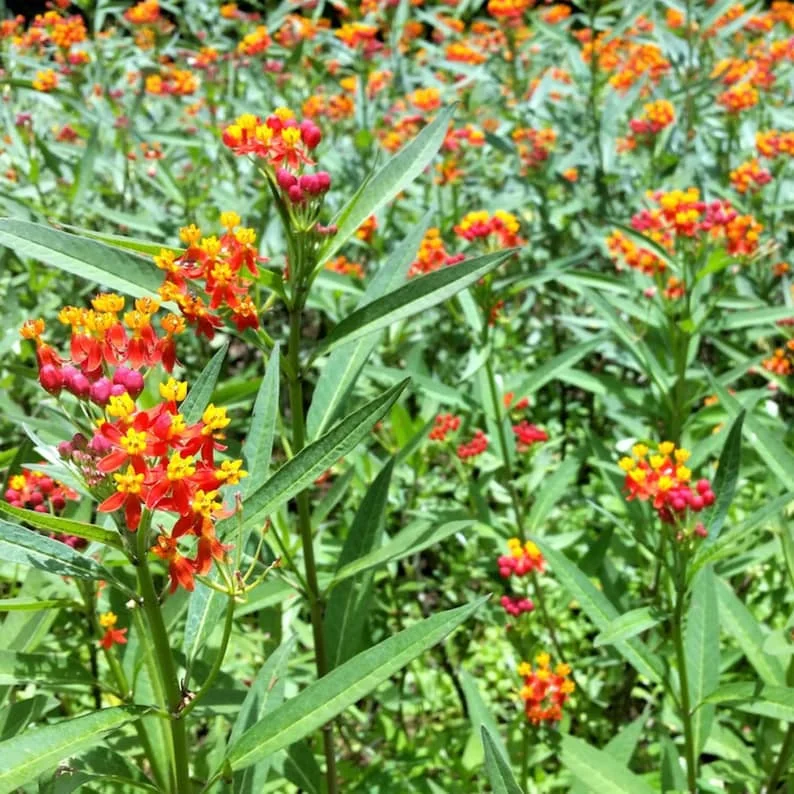
This tropical milkweed live plant is provided in a 4-inch nursery pot, ensuring it arrives with an established root system ready for planting. At the time of shipment, plants typically stand between 6 to 10 inches tall, depending on growth stage and seasonal availability. Once planted in suitable conditions, these plants can quickly grow to a mature height of 2 to 4 feet tall and spread 1 to 2 feet wide, forming an attractive, upright clump. Expect a moderate to fast growth rate, with blooms appearing continuously from late spring through fall in most climates, and potentially year-round in frost-free zones. The plant will be shipped securely to minimize stress during transit, arriving as a healthy, actively growing specimen. These plants are ideal for adding instant impact to your garden or for starting a new pollinator patch. The vibrant flowers will attract butterflies almost immediately upon blooming, offering a quick reward for your gardening efforts. This makes it an excellent choice for anyone looking for a reliable and beautiful host plant.
Frequently Asked Questions
- Q: How big does this plant get? A: Your tropical milkweed live plant will typically grow to a mature height of 2 to 4 feet tall and spread 1 to 2 feet wide. It arrives in a 4-inch pot, usually 6-10 inches tall.
- Q: What size pot does it come in? A: Each tropical milkweed live plant is shipped in a 4-inch diameter nursery pot, ready for transplanting into your garden or a larger container.
- Q: Is this an indoor or outdoor plant? A: Tropical milkweed is primarily an outdoor plant, thriving in full sun. While it can be grown indoors temporarily in a very bright, sunny window, it performs best in an outdoor garden setting.
- Q: How much sunlight does it need? A: This plant requires at least 6-8 hours of direct full sun per day to produce abundant blooms and maintain a healthy growth habit.
- Q: Is this plant easy to care for? A: Yes, tropical milkweed care is generally considered easy. It’s a robust plant that tolerates various conditions once established, making it suitable for gardeners of all experience levels.
- Q: What condition will it arrive in? A: Your plant will arrive as a healthy, actively growing specimen, securely packaged to ensure minimal stress during transit. Some minor leaf yellowing may occur but the plant will quickly recover.
- Q: Is it shipped in soil? A: Yes, the tropical milkweed live plant is shipped rooted in its 4-inch nursery pot with soil to maintain its health and hydration during delivery.
- Q: Can I use asclepias curassavica for medicinal purposes? A: While some parts of milkweed have historical medicinal uses, tropical milkweed is toxic if ingested. It is primarily grown for ornamental purposes and as a host plant for monarch butterflies.
- Q: How long until it blooms? A: If purchased as a young plant, it may already have buds or flowers, or it will typically begin blooming within a few weeks to a couple of months after planting, depending on the season and growing conditions.
- Q: When is the best time to plant? A: The best time to plant tropical milkweed is in spring after all danger of frost has passed, or in early summer, allowing it ample time to establish before cooler weather.
- Q: Will it survive winter in my zone? A: Tropical milkweed is perennial in USDA zones 9-11. In colder zones (8 and below), it is typically grown as an annual and will die back in winter, though it may self-seed for the next season.
- Q: Where can I find more milkweed for sale? A: You can often find a variety of milkweed plants at local nurseries, garden centers, or online specialty plant retailers, especially those focused on native plants and pollinator support.
Related products
-83%
Original price was: $44.97.$7.74Current price is: $7.74.
-67%
Original price was: $37.47.$12.49Current price is: $12.49.
-67%
Original price was: $44.97.$14.98Current price is: $14.98.
-80%
Original price was: $113.97.$22.69Current price is: $22.69.
-20%
Original price was: $98.00.$78.40Current price is: $78.40.
PLANTING & CARE
How to Grow and Care Pequin Peppers
If you’re a chili enthusiast who loves a fiery kick in a small package, you
17
Aug
Aug
How to Grow Persian Silk Trees Easily in Your Garden
If you’re looking for a tree that brings a soft, tropical feel to your garden,
04
Aug
Aug
How to Grow Blue Java Banana Trees: A Beginner’s Guide
Have you ever heard of the Blue Java banana tree? If not, you’re in for
28
Jun
Jun
5 Common Blue Java Banana Tree Problems and How to Fix Them
Have you ever looked at your Blue Java banana tree (aka “ice cream banana”) and
19
Jun
Jun
Top 10 Plants for Father’s Day to Honor Dad This Father’s Day
Father’s Day is a special time to show your dad just how much he means
19
Jun
Jun

The Comprehensive Guide to Growing Bougainvillea for Colorful Blooms
Have you ever wanted your garden to be filled with brilliant color and tropical energy
19
Jun
Jun

How to Successfully Plant Bare Root Strawberries in Containers
Have you ever wondered about planting strawberries in containers, but aren’t sure where to begin?
11
Jun
Jun
Top 5 Easiest Ornamental Trees to Grow for Beginners
Ever feel overwhelmed by the idea of planting a tree in your yard? You’re not
11
Jun
Jun