Unique Hexagonal Pattern Cactus Live Plant – Rare Succulent – 2 Inch Diameter – Indoor
-39%
Unique Hexagonal Pattern Cactus Live Plant – Rare Succulent – 2 Inch Diameter – Indoor
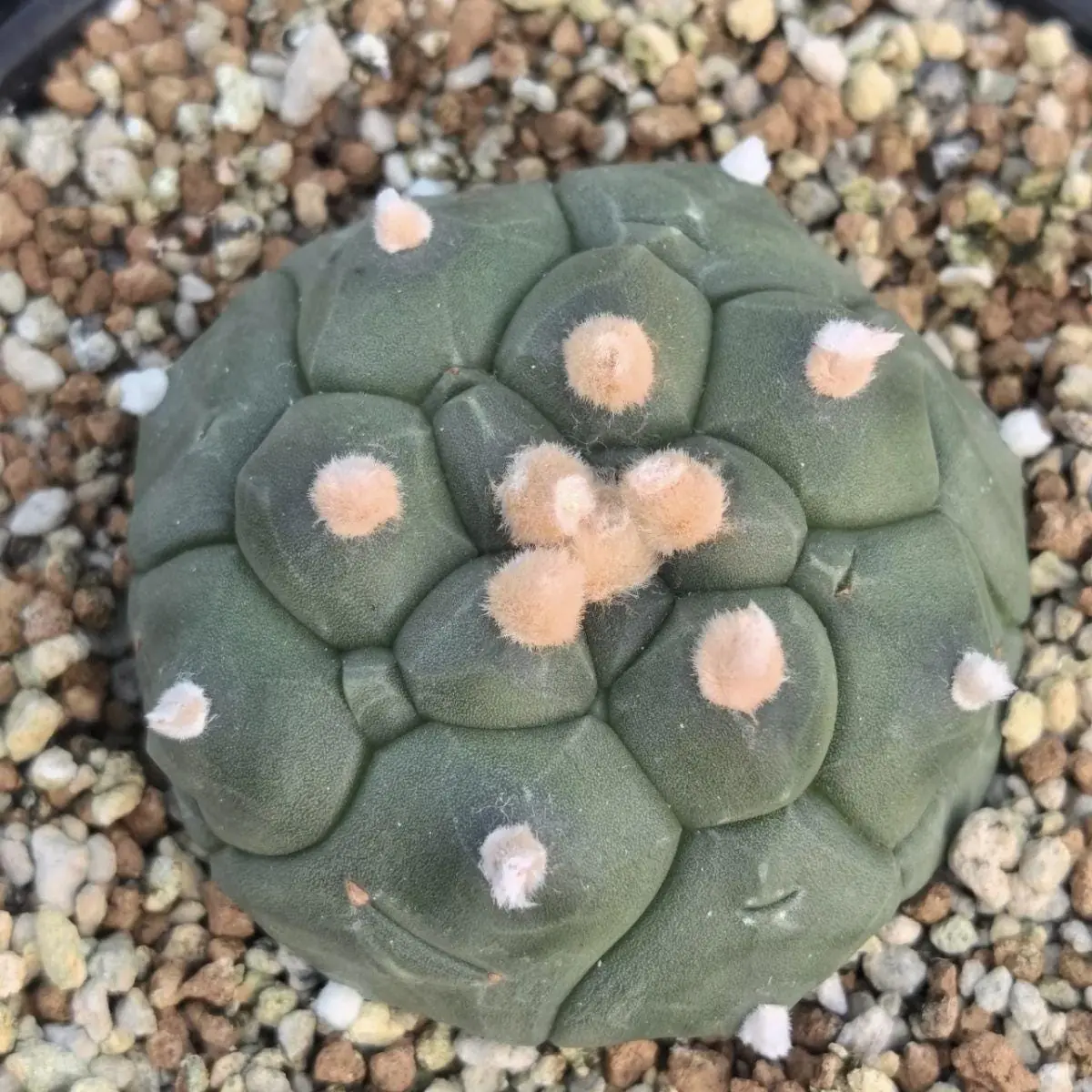
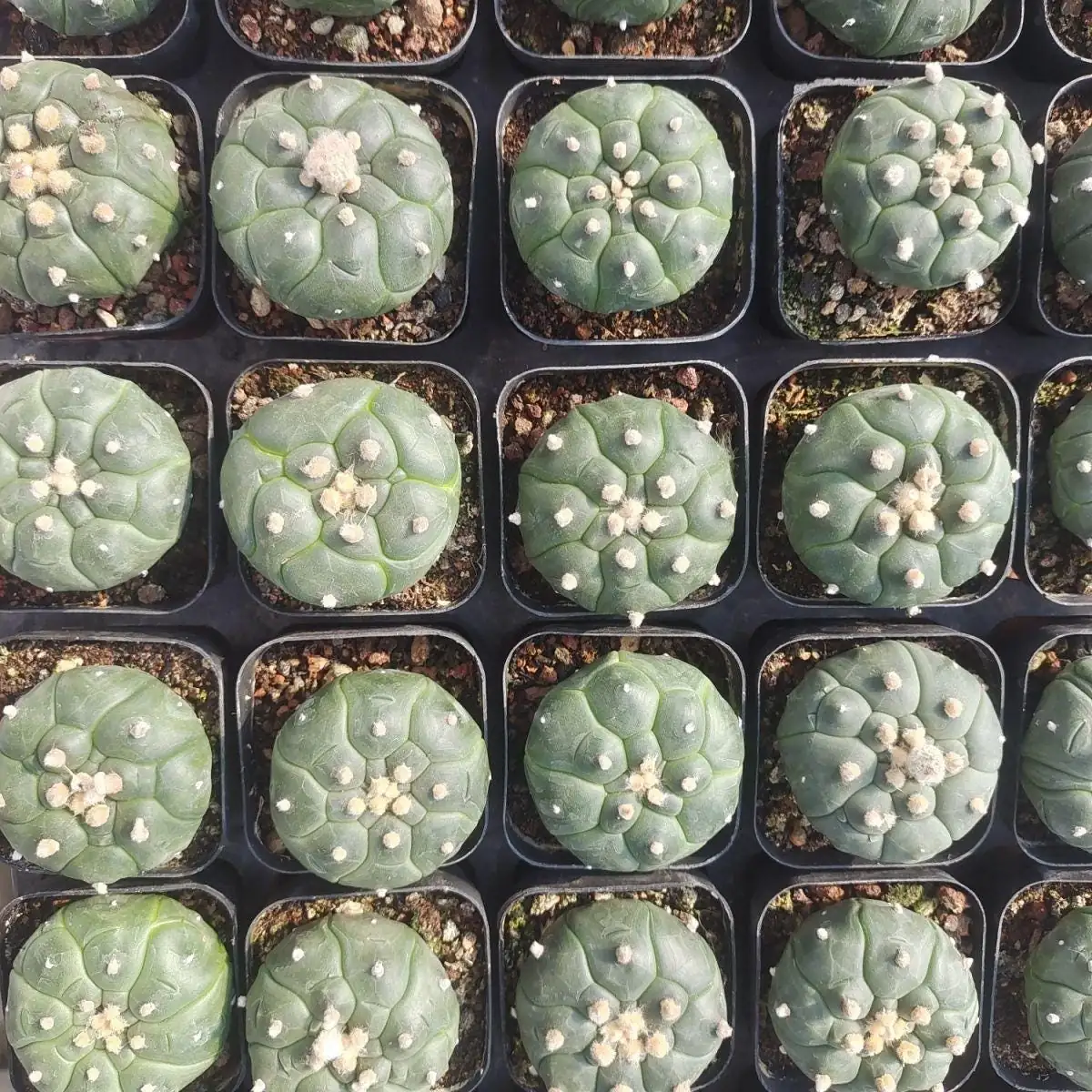
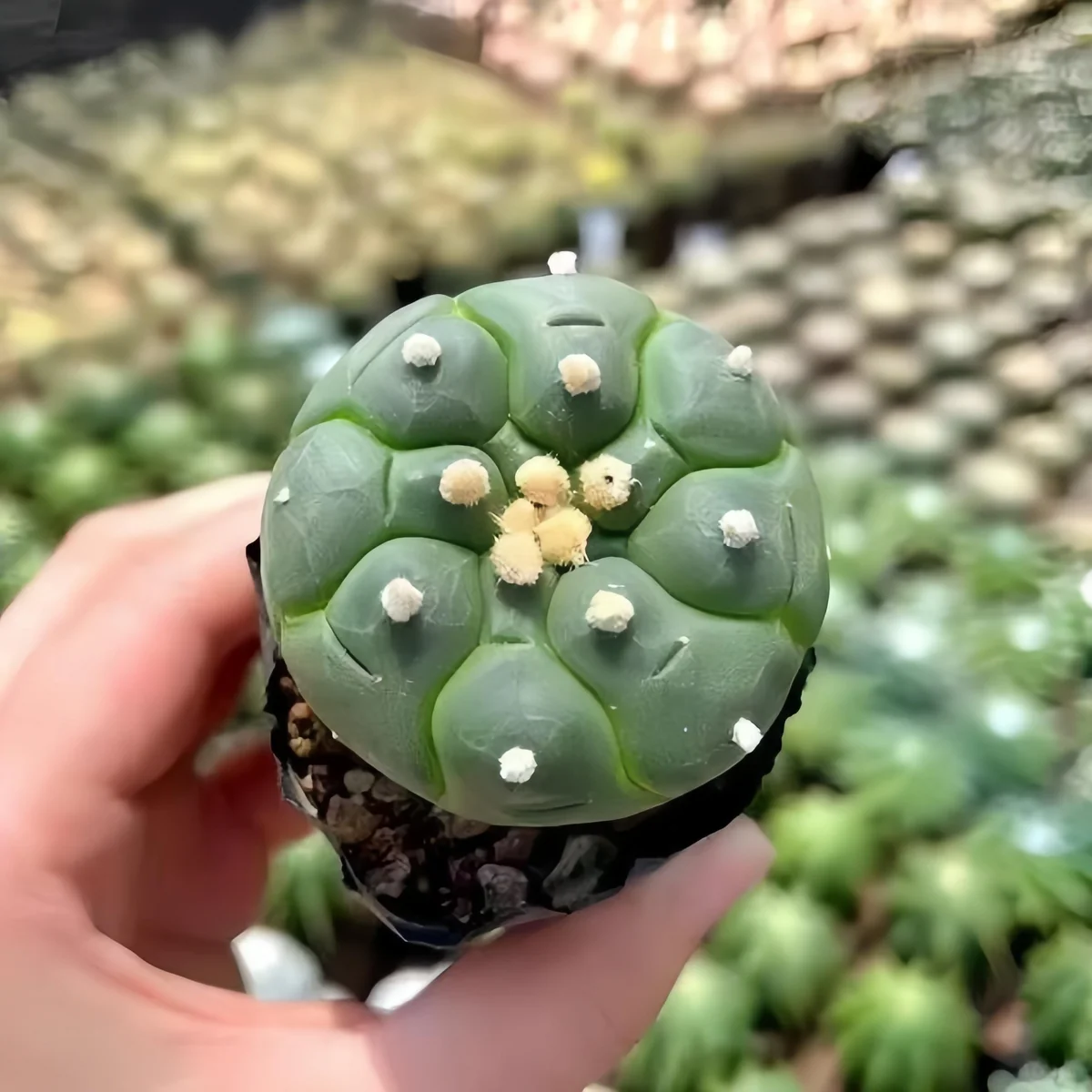
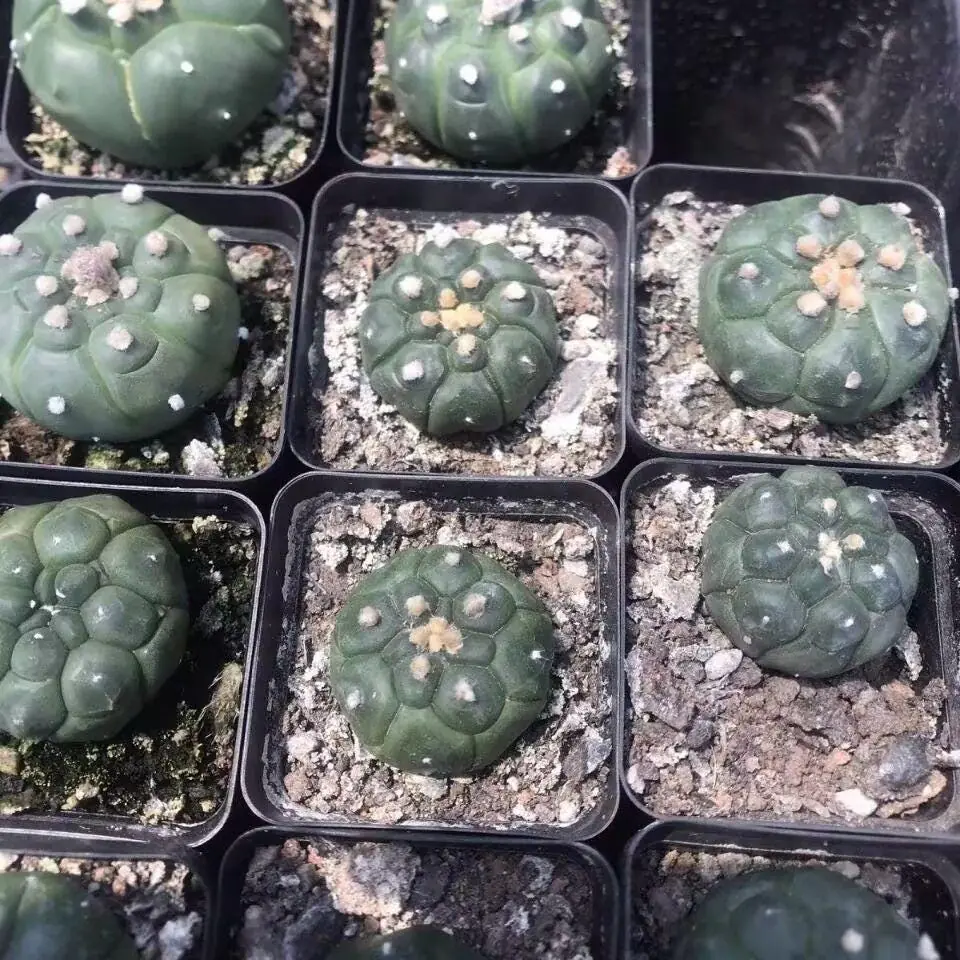
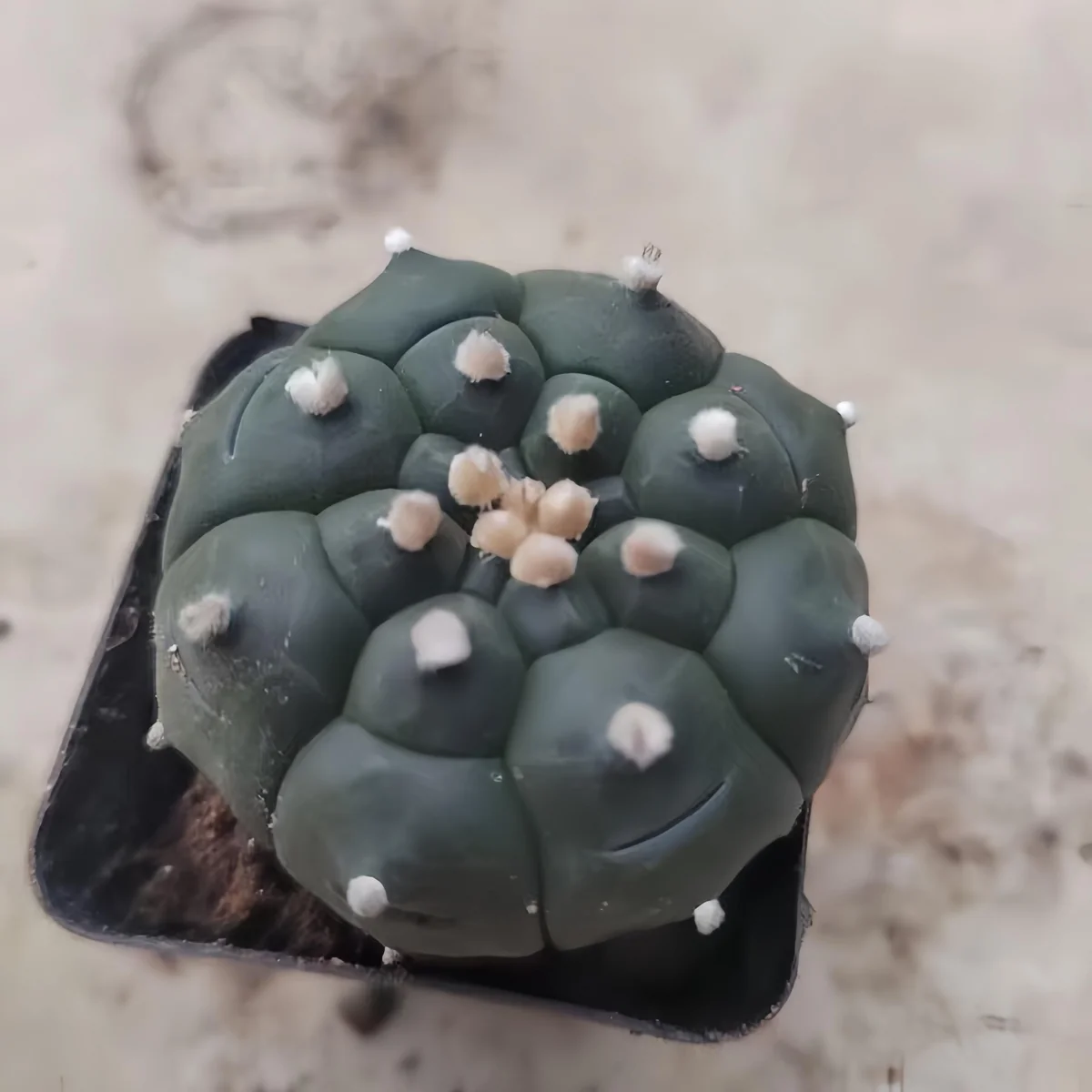
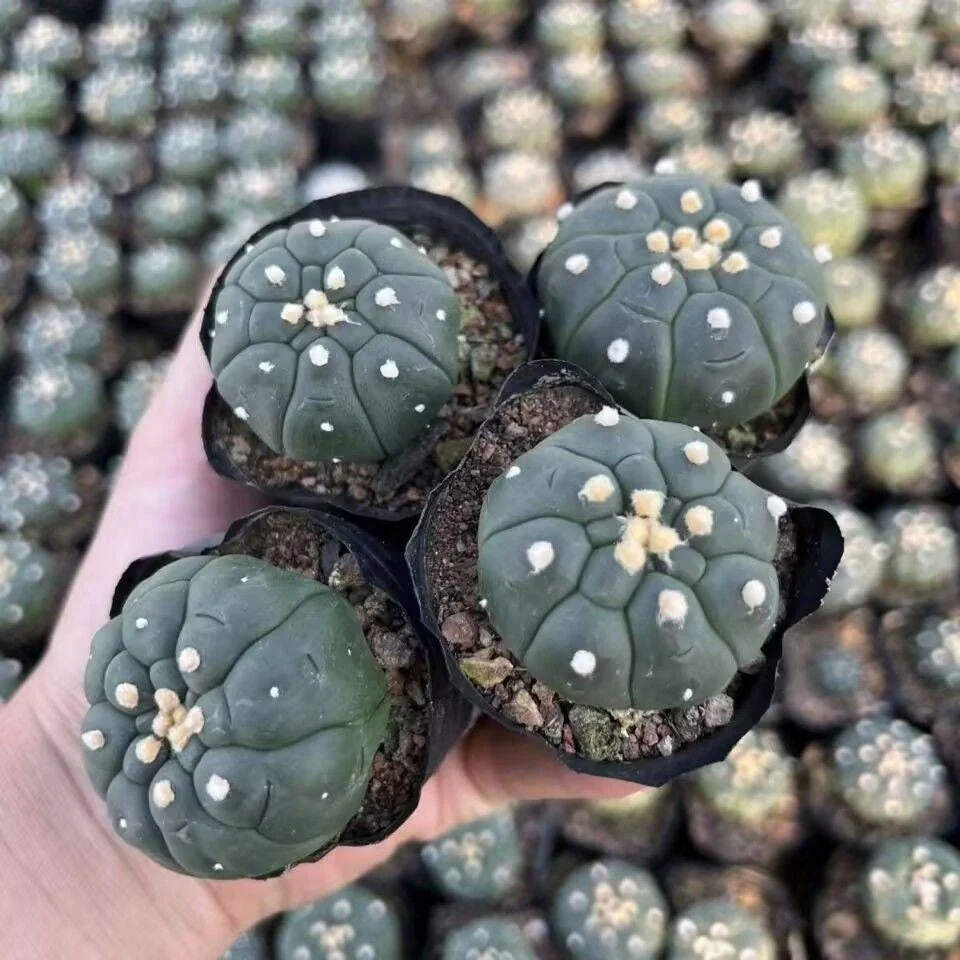
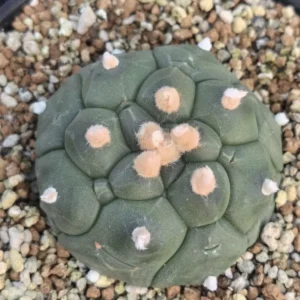
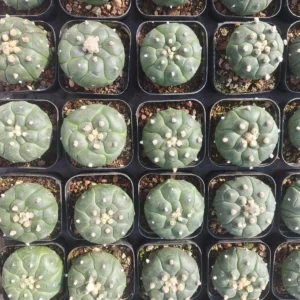
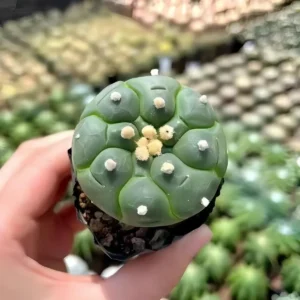
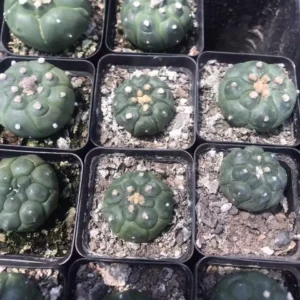
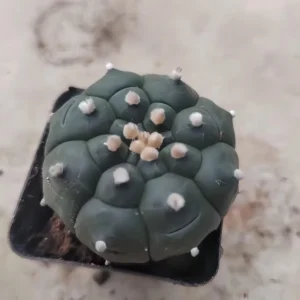
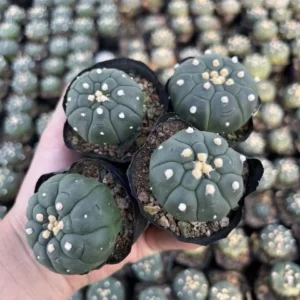
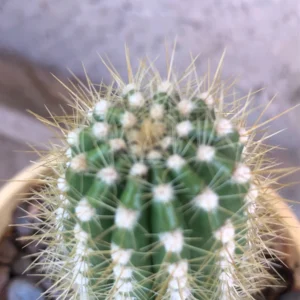
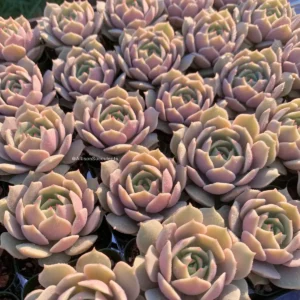
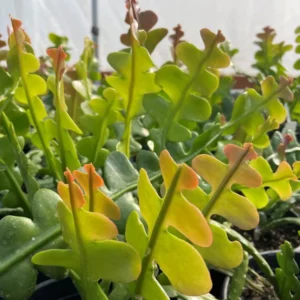
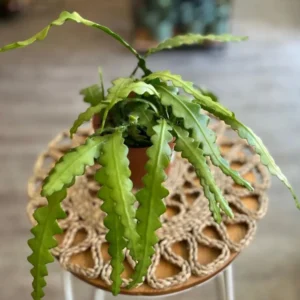
Add a truly unique and sculptural element to your collection with this hexagonal pattern cactus. This spineless cactus features a captivating turtle-shell pattern, making it a highly sought-after rare succulent collector item. Measuring 2 inches in diameter, it’s a perfect display piece for your indoor garden.
Original price was: $39.98.$24.50Current price is: $24.50.

With our Alive & Thrive Guarantee, we’ve got your back for the first 30 days! If you have any concerns about your plants, just reach out to us. Our team is here to help answer your questions and guide you in selecting the best plants for your garden, climate, and unique preferences. We're excited to help you create the garden of your dreams!
Estimated arrival
Mar 30
Apr 04 - Apr 06
Apr 09 - Apr 13

Product Details
-
USDA Hardiness Zone
USDA zones 9-11 (or indoor year-round) -
Soil type
Well-draining cactus or succulent potting mix -
Sunlight Exposure
Bright, indirect light -
Expected Planting Period
Year-round indoors
Overview
Introduce an extraordinary botanical specimen to your collection with the hexagonal pattern cactus. This isn’t just any ordinary succulent; it’s a living sculpture, showcasing a unique growth form where typical ribs are replaced by distinct, raised hexagonal bumps, creating a mesmerizing ‘turtle-shell’ pattern. This unique cactus plant is a true conversation starter and a prized possession for any plant enthusiast. Unlike common varieties, this particular form is highly sought after for its distinctive aesthetic and slow-growing nature, ensuring that each well-established specimen is a valuable and long-lasting addition. It’s a live plant that promises to bring a touch of the exotic and unusual to your indoor plant display or succulent garden.
Cultivated for its exceptional visual appeal, this hexagonal pattern cactus stands out from the crowd. Its intricate surface texture and robust form make it an ideal centerpiece. The mature plant, measuring 2 inches in diameter, is perfectly sized for display on a desk, shelf, or as part of a larger succulent arrangement. Its rarity and distinctive features elevate it beyond a simple plant; it’s a piece of living art.
Key Benefits
The hexagonal pattern cactus offers more than just visual appeal; it brings several unique benefits to its owner and environment, making it a standout choice for plant lovers and collectors alike. This rare succulent collector item truly delivers on its promise of uniqueness and beauty.
- Exceptional Aesthetic Appeal: The primary benefit is its stunning, one-of-a-kind hexagonal or ‘turtle-shell’ pattern, which provides a sculptural and artistic element to any space. It transforms any display into a focal point.
- Prized Collector’s Item: Due to its unique monstrous growth form and slow-growing nature, this plant is highly valued by collectors. Owning a well-established specimen like this unique cactus plant signifies a valuable addition to a serious collection.
- Completely Spineless: Enjoy the intricate textures and beauty of this cactus without the worry of thorns. Its spineless nature makes it safe to handle and display in homes with pets or children.
- Low Maintenance & Drought Tolerant: As a succulent, it requires minimal watering and care, making it perfect for busy individuals or those new to plant care. It thrives on neglect, needing water only when the soil is completely dry.
- Ideal for Indoor Display: With its compact 2-inch diameter, this spineless cactus is perfectly sized for indoor environments, making it an excellent choice for desks, windowsills, or succulent arrangements.
- Unique Conversation Starter: The unusual appearance of this turtle shell cactus is guaranteed to draw attention and spark conversations, making it an intriguing focal point in any room.
Plant Care & Growing Tips
Caring for your hexagonal pattern cactus is relatively straightforward, making it an enjoyable experience for both novice and experienced plant enthusiasts. This unique cactus plant thrives with proper attention to its specific needs, ensuring its continued health and distinctive beauty. The most crucial aspect of care is providing the right balance of light and water, mimicking its natural arid habitat.
For optimal growth, this spineless cactus prefers bright, indirect light. While it can tolerate some direct morning sun, intense afternoon sun can scorch its unique surface. Place it near a south or west-facing window where it receives ample light but is shielded from harsh rays, or consider using a sheer curtain to diffuse the light. Good air circulation is also beneficial. When it comes to watering, less is definitely more. Allow the soil to completely dry out between waterings. Overwatering is the most common cause of succulent demise, leading to root rot. A good practice is to check the soil moisture with your finger; if the top inch or two is dry, it’s safe to water thoroughly until water drains from the bottom. During winter dormancy, reduce watering frequency significantly.
Well-draining soil is paramount for this rare succulent collector item. A specialized cactus or succulent potting mix, often containing sand, perlite, or pumice, will provide the necessary drainage and aeration. Avoid heavy, moisture-retentive soils. The ideal temperature range for this turtle shell cactus is between 65-80°F (18-27°C). It can tolerate slightly cooler temperatures but should be protected from frost. Fertilization is not frequently required; a diluted, balanced succulent fertilizer can be applied once in spring and once in summer during its active growing season. Watch out for common pests like mealybugs or spider mites, and treat them promptly with insecticidal soap if they appear.
Size & Details
This exquisite hexagonal pattern cactus is a mature specimen, measuring approximately 2 inches in diameter. Its compact size makes it an ideal candidate for various indoor displays, from small terrariums to standalone pots on a windowsill or desk. As a slow-growing succulent, its unique ‘turtle-shell’ pattern develops beautifully over time, making each plant a long-term investment in botanical artistry. This unique cactus plant is shipped bare-root to ensure its health and minimize stress during transit, a common practice for succulents.
Upon arrival, simply plant it in a well-draining succulent mix in a pot with drainage holes. Detailed care instructions are included to guide you through its initial establishment and ongoing care. While its growth rate is slow, it will steadily mature, enhancing its intricate hexagonal structure. Expect this rare succulent collector item to maintain its manageable size for many years, offering a consistent point of interest without outgrowing its space quickly. Its robust nature and distinctive form ensure it remains a captivating focal point.
Frequently Asked Questions
- Q: How big does this hexagonal pattern cactus get? A: This mature plant measures 2 inches in diameter. While it is slow-growing, it will gradually increase in size, but typically remains compact, making it ideal for indoor displays.
- Q: Is this an indoor or outdoor plant? A: This unique cactus plant is best suited for indoor environments, especially in regions with cold winters. It thrives in bright, indirect indoor light and can be moved outdoors to a protected spot during warm summer months.
- Q: How much sunlight does it need? A: Your spineless cactus prefers bright, indirect sunlight. A few hours of mild morning sun is acceptable, but protect it from harsh, direct afternoon sun which can cause sunburn.
- Q: Is this plant easy to care for? Is it good for beginners? A: Yes, this hexagonal pattern cactus is relatively easy to care for, making it suitable for beginners. Its drought-tolerant nature means it requires less frequent watering than many other houseplants.
- Q: What condition will the rare succulent collector item arrive in? A: For the plant’s health and safety, it will be shipped carefully bare-root. This method minimizes stress during transit and ensures it arrives in optimal condition, ready for planting.
- Q: What size pot does this turtle shell cactus come in? A: The plant itself is 2 inches in diameter and is shipped bare-root, meaning it does not come with a pot. You will need to provide a well-draining pot upon arrival.
- Q: How often should I water this hexagonal pattern cactus? A: Water thoroughly only when the soil is completely dry. This typically means every 2-4 weeks, depending on light, temperature, and humidity. Always err on the side of underwatering rather than overwatering.
- Q: Is this cactus truly spineless? A: Yes, one of the key features of this plant is that it is completely spineless. You can enjoy its unique textural beauty safely without the worry of thorns.
- Q: What kind of soil is best for this unique cactus plant? A: A well-draining cactus or succulent potting mix is essential. This type of soil will prevent waterlogging and promote healthy root growth for your plant.
- Q: How do I know if my rare succulent collector item is getting enough light? A: If the plant starts to stretch or become leggy, it’s an indication it needs more light. If it develops yellowing or reddish tints, it might be getting too much direct sun.
Related products
-97%
Original price was: $316.80.$9.92Current price is: $9.92.
-30%
Original price was: $79.98.$55.98Current price is: $55.98.
-30%
Original price was: $129.98.$90.98Current price is: $90.98.
-30%
Original price was: $79.98.$55.98Current price is: $55.98.
-30%
Original price was: $79.98.$55.98Current price is: $55.98.
-30%
Original price was: $47.98.$33.58Current price is: $33.58.
-30%
Original price was: $79.98.$55.98Current price is: $55.98.
PLANTING & CARE

The Comprehensive Guide to Growing Bay Leaf Plants for a Flavorful Garden
Imagine stepping into your garden, greeted by the earthy aroma of fresh bay leaves, their
09
Feb
Feb

How to Make Comfrey Tea: The Ultimate Organic Plant Food
Growing an organic garden can be surprisingly expensive, especially when most store-bought fertilizers come in
02
Feb
Feb

True Comfrey: 7 Essential Tips Before You Plant This Herb
A staple in permaculture practices across the US, True Comfrey easily earns its reputation as
27
Jan
Jan

7 Heart-Shaped Plants for a Lasting Valentine’s Gift
If you’ve ever bought a bouquet of roses for Valentine’s Day, you know they are
26
Jan
Jan

Best Types of Ivy Plant for Houses: How to Choose the Perfect Ones for Your Home
Are you a garden lover looking to introduce some greenery into your home? Maybe you’ve
14
Nov
Nov

When to Harvest Garlic (Especially Fall-Planted Garlic)
TIMING IS EVERYTHING, they say – and for garlic, that truth hits with surprising accuracy.
13
Nov
Nov

11 of the Best Sweet Potato Varieties to Grow for Your Garden
If you’ve ever tried growing sweet potatoes, you know that picking the right variety can
12
Nov
Nov
Pruning Bougainvillea for Winter
Bougainvillea vines are known for their dazzling display of magenta, orange, and fuchsia bracts that
05
Nov
Nov