Ursa Kale Seeds – Nutrient-Packed Magenta Stem Kale Seeds – 100+ Seeds – Indoor/Outdoor
-50%
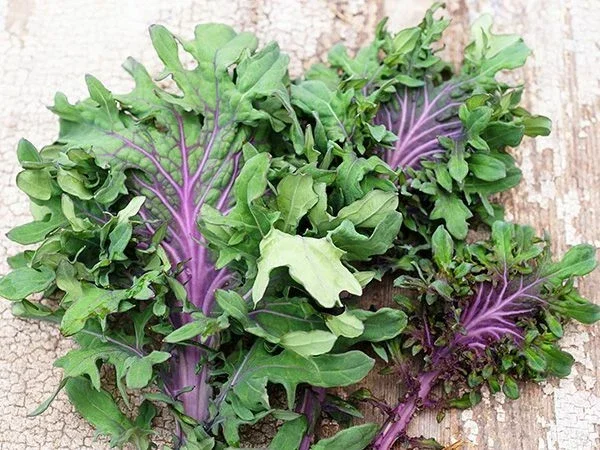
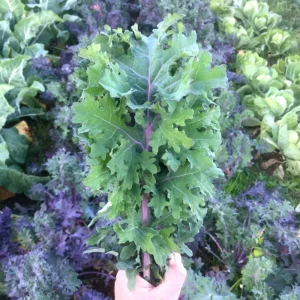
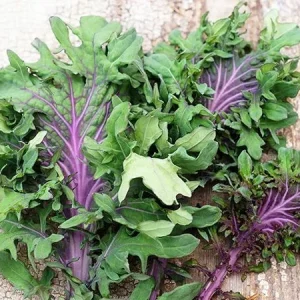
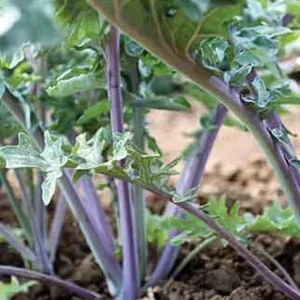
Ursa Kale Seeds – Nutrient-Packed Magenta Stem Kale Seeds – 100+ Seeds – Indoor/Outdoor
Cultivate your own vibrant and healthy ursa kale seeds with ease. These magenta stem kale seeds promise a bountiful harvest of nutrient-packed leaves, suitable for both indoor and outdoor gardening. Enjoy fresh, delicious kale right from your garden.
From Original price was: $8.52.$4.26Current price is: $4.26.

With our Alive & Thrive Guarantee, we’ve got your back for the first 30 days! If you have any concerns about your plants, just reach out to us. Our team is here to help answer your questions and guide you in selecting the best plants for your garden, climate, and unique preferences. We're excited to help you create the garden of your dreams!
Estimated arrival
Apr 03
Apr 08 - Apr 10
Apr 13 - Apr 17


Product Details
-
USDA Hardiness Zone
USDA Zones 3-9 -
Soil type
Well-draining, fertile soil rich in organic matter -
Sunlight Exposure
Full sun to partial shade -
Expected Planting Period
Spring to late summer
Overview
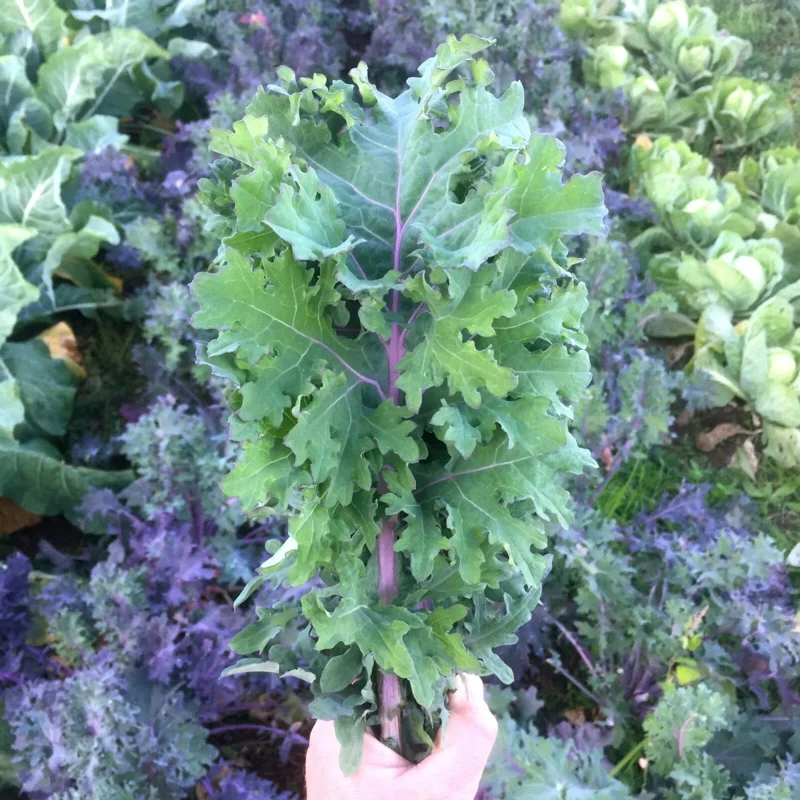
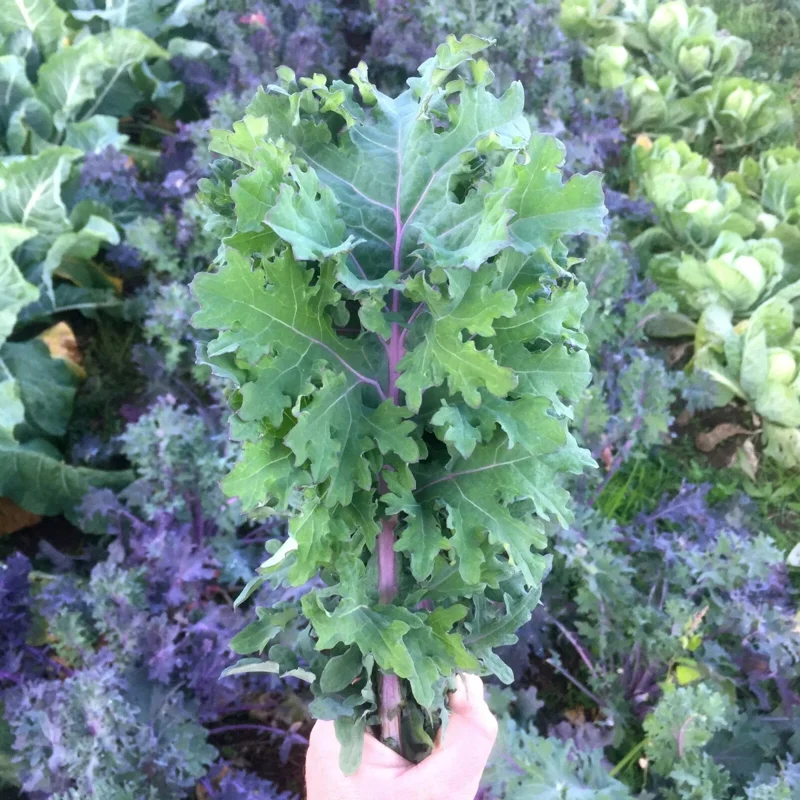
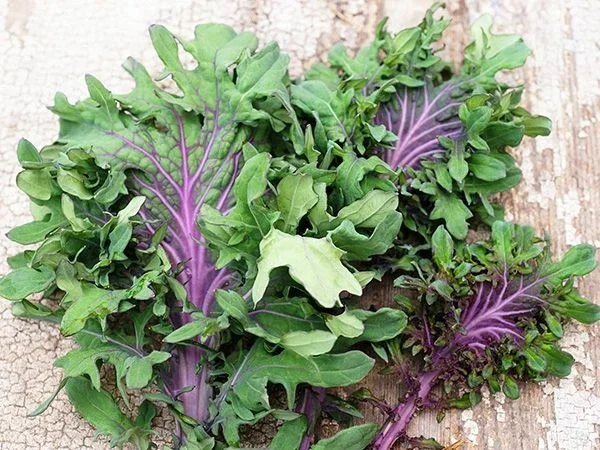
Embark on a rewarding gardening journey with our premium ursa kale seeds. This particular variety, known for its striking magenta stems and deeply textured leaves, offers not only visual appeal but also a powerhouse of nutrition. Growing your own ursa kale seeds allows you to enjoy fresh, organic produce right from your garden, ensuring maximum flavor and health benefits. Whether you are a seasoned gardener or just starting out, these seeds provide an excellent opportunity to cultivate a resilient and productive kale plant. Ursa kale (Brassica oleracea var. sabellica) is a robust and cold-hardy vegetable, making it a reliable choice for various climates. These ursa kale seeds are perfect for anyone looking to add a vibrant and healthy addition to their culinary repertoire.
Our ursa kale seeds are carefully selected to ensure high germination rates and vigorous growth. The resulting plants are known for their tender yet firm leaves, which are ideal for salads, smoothies, stir-fries, and more. With its distinctive magenta hue, this kale variety adds a touch of color to your garden and your plate. Discover the satisfaction of harvesting your own nutrient-rich kale with these exceptional seeds.
Key Benefits
Growing ursa kale seeds offers a multitude of advantages for both your garden and your health. This hearty vegetable is a nutritional powerhouse and a joy to cultivate, providing fresh greens directly from your backyard or patio.
- Nutrient-Rich Harvest: Ursa kale is celebrated for its high content of vitamins A, C, and K, as well as essential minerals and antioxidants. Growing nutrient-packed kale at home ensures you have access to fresh, healthy greens whenever you need them, contributing to a balanced diet and overall well-being.
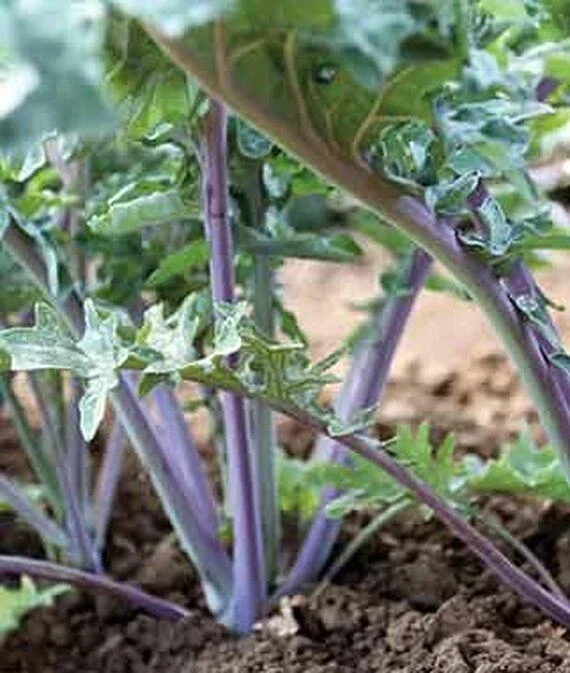
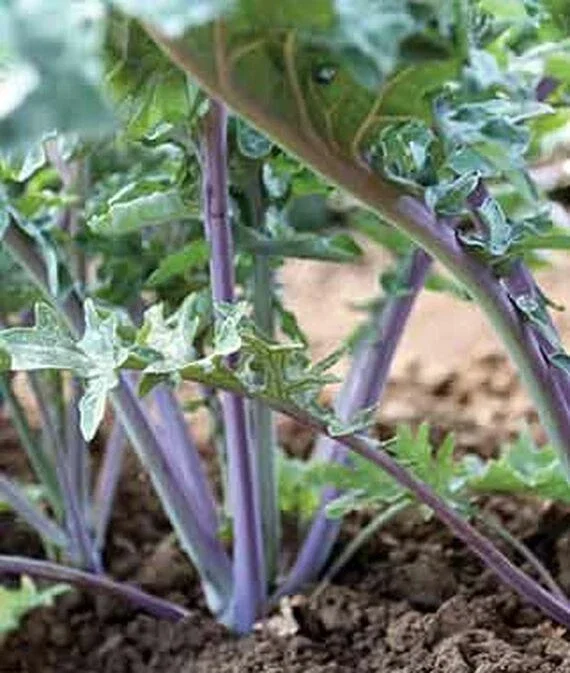
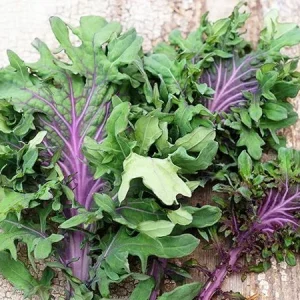
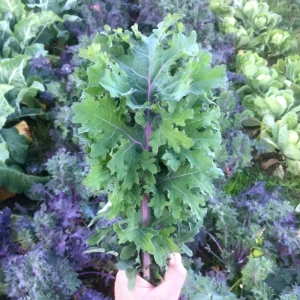
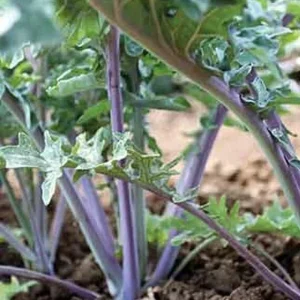
- Striking Visual Appeal: The distinctive magenta stems of this kale variety create a beautiful contrast with its dark green leaves, adding an ornamental touch to your vegetable patch or container garden. It’s a plant that looks as good as it tastes.
- Versatile Culinary Use: The tender leaves of magenta stem kale are incredibly versatile in the kitchen. They can be enjoyed raw in salads, blended into smoothies, sautéed, roasted, or used in soups and stews, offering a wide range of delicious possibilities.
- Easy to Grow: These ursa kale seeds are known for their ease of cultivation, making them suitable for gardeners of all experience levels. With basic care, you can expect a successful harvest, even if you are new to growing vegetables.
- Cold Hardy and Resilient: Ursa kale is a robust plant that can withstand cooler temperatures, often becoming sweeter after a light frost. This resilience extends the growing season, allowing for harvests well into fall and even winter in some regions.
- Supports Healthy Living: By choosing to grow kale yourself, you take control over the quality of your food, avoiding pesticides and ensuring freshness. This supports a healthier lifestyle and a deeper connection to your food source.
- Continuous Harvest Potential: With proper techniques, you can enjoy a continuous harvest by picking outer leaves, allowing the plant to continue producing new growth. This ensures a steady supply of fresh kale throughout the growing season.
Plant Care & Growing Tips
Successful cultivation of ursa kale seeds begins with proper planting and attentive care. Kale is a relatively forgiving plant, making it an excellent choice for beginner gardeners, but understanding its needs will ensure a more abundant and healthier crop. To grow kale, start by direct sowing seeds outdoors in spring after the last frost, or indoors 4-6 weeks before the last frost date for transplanting. Plant the seeds about 1/2 inch deep and 1 inch apart in rows, thinning to 8-12 inches apart once seedlings are established. If transplanting, ensure healthy root development before moving them to their final location. The ideal soil temperature for germination is between 55-75°F (13-24°C).
Sunlight requirements for ursa kale seeds are flexible; it thrives in full sun (at least 6 hours of direct sunlight per day) but can also tolerate partial shade, especially in warmer climates where afternoon shade can prevent bolting. When it comes to watering, kale prefers consistently moist soil. Aim for about 1-1.5 inches of water per week, either from rainfall or irrigation. Avoid letting the soil completely dry out, as this can lead to bitter-tasting leaves. Good drainage is crucial to prevent root rot. For soil type, kale prefers well-draining, fertile soil rich in organic matter, with a pH between 6.0 and 7.0. Amend your soil with compost or well-rotted manure before planting to provide essential nutrients and improve soil structure. This will greatly benefit the growth of your magenta stem kale.
Fertilization is important for vigorous growth. A balanced organic fertilizer can be applied when plants are about 6 inches tall and again midway through the growing season. Kale is a heavy feeder, so regular nutrient replenishment will support its lush foliage. The ideal temperature range for kale is between 60-70°F (15-21°C), although it is quite cold-hardy and can tolerate light frosts, which often sweeten the leaves. In hot weather, it may become bitter or bolt. Common problems include aphids, cabbage worms, and flea beetles. Organic pest control methods such as neem oil, insecticidal soap, or row covers can help manage these issues. Practicing crop rotation also helps prevent soil-borne diseases and pests, ensuring robust kale plant care throughout the season.
Size & Details
These ursa kale seeds are provided in packs containing 100+ seeds, offering ample opportunity for a successful and abundant harvest. When grown under optimal conditions, the kale plant typically reaches a height of 24-36 inches (60-90 cm) and spreads about 12-18 inches (30-45 cm) wide, forming an attractive, upright clump. The growth rate is relatively fast, with plants ready for their first harvest in approximately 55-75 days from sowing. The leaves can be continuously harvested, allowing the plant to produce new growth throughout its season. These seeds are suitable for planting in USDA zones 3-9, demonstrating excellent cold hardiness. They are shipped as high-quality, viable seeds, ready for planting upon arrival. Expect vigorous growth and a steady supply of fresh, nutrient-packed kale from these reliable seeds.
Frequently Asked Questions
- Q: How big does this ursa kale plant get and what size pot does it need? A: A mature ursa kale plant typically grows 24-36 inches tall and 12-18 inches wide. If growing in pots, a container at least 10-12 inches deep and wide is recommended per plant to allow for adequate root development and healthy growth.
- Q: Is this an indoor or outdoor plant, and how much sunlight does it need? A: Ursa kale is primarily an outdoor plant, thriving in full sun (6+ hours daily). It can tolerate partial shade, especially in warmer climates. While not typically grown indoors as a long-term plant, seedlings can be started indoors.
- Q: Is this kale variety easy to care for, and is it good for beginners? A: Yes, ursa kale seeds are considered very easy to grow, making them an excellent choice for beginner gardeners. With consistent watering, good soil, and adequate sunlight, you can expect a successful harvest.
- Q: What condition will the seeds arrive in, and is there a specific planting time? A: The ursa kale seeds will arrive in a sealed packet, ready for planting. The ideal planting time is in early spring after the last frost, or in late summer for a fall/winter harvest. Indoor starting can be done 4-6 weeks before the last frost.
- Q: Can I use this magenta stem kale in cooking, and is it as nutritious as other kale varieties? A: Absolutely! The magenta stem kale is perfect for all culinary uses, including salads, smoothies, and cooking. It is highly nutritious, packed with vitamins, minerals, and antioxidants, similar to other popular kale varieties.
- Q: How long until I can harvest the kale after planting the seeds? A: You can typically begin harvesting the outer leaves of your kale plant in about 55-75 days after sowing the seeds. Regular harvesting encourages more growth, allowing for a continuous supply.
- Q: Will this kale survive winter in my zone, and what’s its cold tolerance? A: Ursa kale is quite cold-hardy and can withstand light frosts, often improving its flavor. It is generally suitable for USDA Zones 3-9. In colder zones, you can extend the harvest with row covers or by growing in cold frames.
- Q: What kind of soil is best for growing ursa kale seeds? A: Ursa kale seeds thrive in well-draining, fertile soil that is rich in organic matter. A slightly acidic to neutral pH (6.0-7.0) is ideal. Amending your garden bed with compost before planting will yield the best results.
- Q: How often should I water my kale plant? A: Keep the soil consistently moist but not waterlogged. About 1 to 1.5 inches of water per week is usually sufficient, adjusting based on weather conditions and soil type. Avoid letting the soil dry out completely.
- Q: How can I ensure I get nutrient-packed kale? A: To ensure your kale is nutrient-packed, provide it with rich, organic soil and consider regular feeding with a balanced organic fertilizer. Adequate sunlight and consistent watering also contribute to healthy, nutrient-dense leaves.
| Style | 1000Seeds, 100Seeds, 250Seeds, 25Seeds, 500Seeds, 50Seeds, Sample 10Seed |
|---|
Related products
-50%
Original price was: $39.96.$19.98Current price is: $19.98.
-50%
Original price was: $39.96.$19.98Current price is: $19.98.
-48%
Original price was: $28.99.$14.99Current price is: $14.99.
-50%
Original price was: $15.96.$7.98Current price is: $7.98.
-48%
Original price was: $28.99.$14.99Current price is: $14.99.
-50%
Original price was: $59.96.$29.98Current price is: $29.98.
-48%
Original price was: $28.99.$14.99Current price is: $14.99.
PLANTING & CARE

Growing Glencoe Raspberry: A Complete Guide for Gardeners
If you’re looking to add something unique to your garden, look no further than the
31
Mar
Mar

The Comprehensive Guide to Growing Bay Leaf Plants for a Flavorful Garden
Imagine stepping into your garden, greeted by the earthy aroma of fresh bay leaves, their
09
Feb
Feb

How to Make Comfrey Tea: The Ultimate Organic Plant Food
Growing an organic garden can be surprisingly expensive, especially when most store-bought fertilizers come in
02
Feb
Feb

True Comfrey: 7 Essential Tips Before You Plant This Herb
A staple in permaculture practices across the US, True Comfrey easily earns its reputation as
27
Jan
Jan

7 Heart-Shaped Plants for a Lasting Valentine’s Gift
If you’ve ever bought a bouquet of roses for Valentine’s Day, you know they are
26
Jan
Jan

Best Types of Ivy Plant for Houses: How to Choose the Perfect Ones for Your Home
Are you a garden lover looking to introduce some greenery into your home? Maybe you’ve
14
Nov
Nov

When to Harvest Garlic (Especially Fall-Planted Garlic)
TIMING IS EVERYTHING, they say – and for garlic, that truth hits with surprising accuracy.
13
Nov
Nov

11 of the Best Sweet Potato Varieties to Grow for Your Garden
If you’ve ever tried growing sweet potatoes, you know that picking the right variety can
12
Nov
Nov