Vanilla Planifolia Orchid Plant – Rooted Live Vanilla Vine
-36%
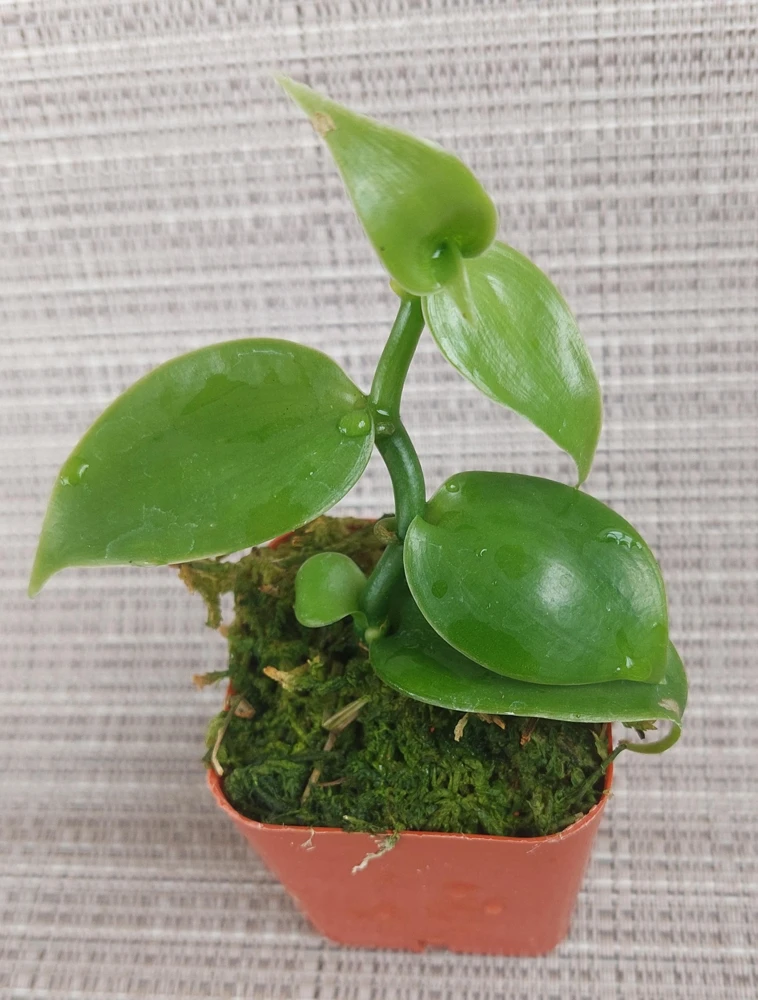
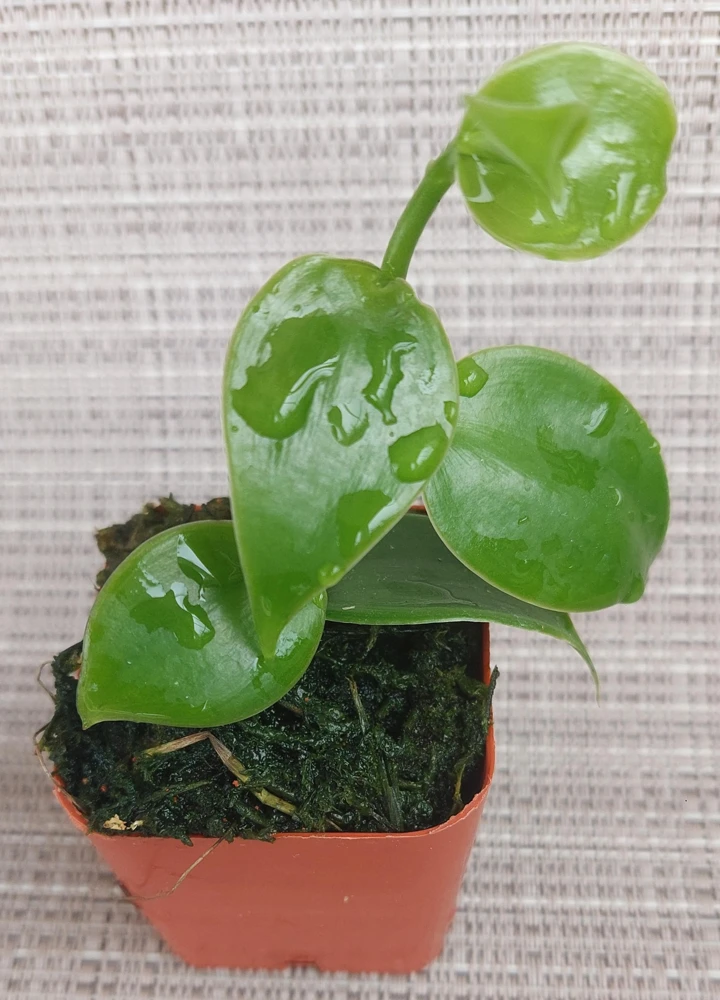
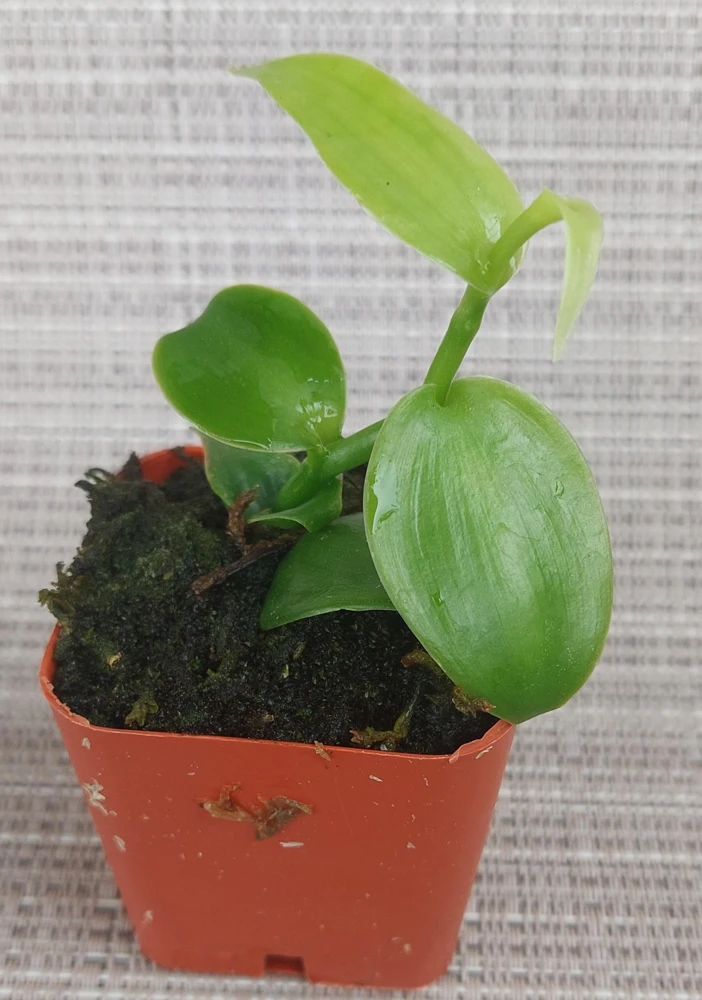
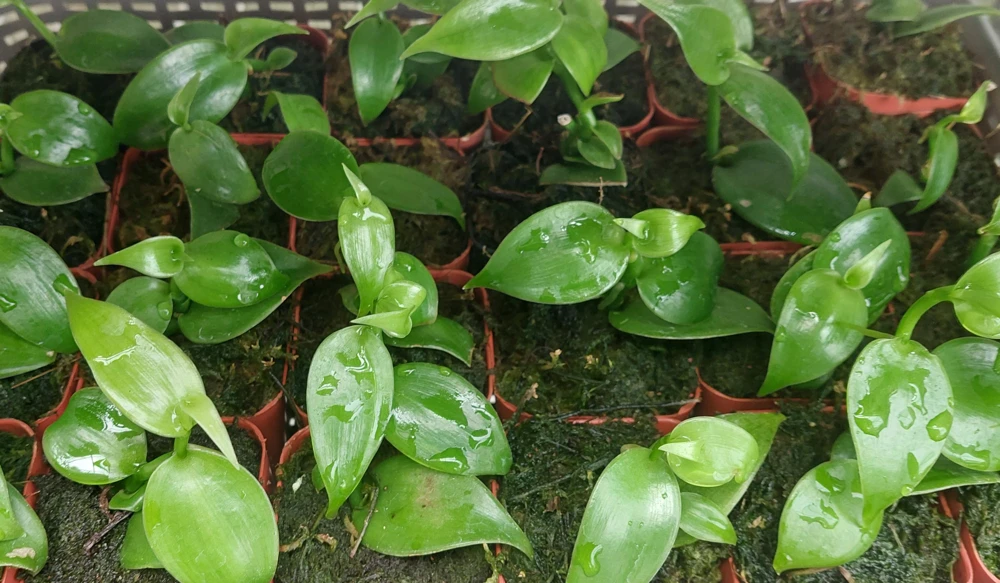
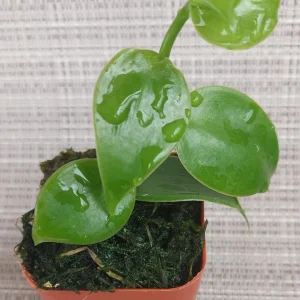
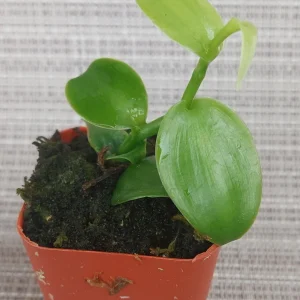
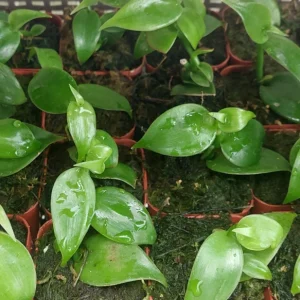
Vanilla Planifolia Orchid Plant – Rooted Live Vanilla Vine
Cultivate your own aromatic vanilla with a vanilla planifolia orchid. This beautiful, rooted live vanilla plant is ready to thrive, bringing exotic charm and the potential for delicious vanilla beans to your home. Ideal for indoor growing with proper care.
Original price was: $35.98.$22.99Current price is: $22.99.

With our Alive & Thrive Guarantee, we’ve got your back for the first 30 days! If you have any concerns about your plants, just reach out to us. Our team is here to help answer your questions and guide you in selecting the best plants for your garden, climate, and unique preferences. We're excited to help you create the garden of your dreams!
Estimated arrival
Oct 21
Oct 26 - Oct 28
Oct 31 - Nov 04


Product Details
-
USDA Hardiness Zone
USDA zones 10-11 (outdoors) or year-round indoors -
Soil type
Well-draining orchid potting mix -
Sunlight Exposure
Bright, indirect light -
Expected Planting Period
Year-round indoors, spring to early summer outdoors
Overview
Bring the exotic beauty and sweet potential of the tropics into your home with a vanilla planifolia orchid. This rooted live plant offers you the unique opportunity to cultivate the very source of natural vanilla. Known botanically as Vanilla planifolia, this climbing orchid is the primary species from which vanilla flavoring is derived. Unlike common orchids, the vanilla planifolia orchid is a vining plant that requires support to climb, mimicking its natural habitat in humid, tropical forests. When mature, it produces beautiful, fragrant, pale yellow-green flowers that, with proper pollination, develop into the prized vanilla beans. This robust, rooted cutting is an excellent way to start your own vanilla journey, whether you’re an experienced orchid enthusiast or a curious beginner eager to grow vanilla plant at home.
Our live vanilla plant arrives healthy and ready for potting, providing a rewarding experience as you watch it grow and develop. Imagine the satisfaction of harvesting your own vanilla pods, a truly unique and sustainable endeavor. This plant is not only a source of culinary delight but also a stunning ornamental addition, with its thick, succulent leaves and graceful climbing habit. It thrives in warm, humid conditions, making it an ideal candidate for indoor growing in most climates, or outdoors in suitable tropical zones. Discover the joy and challenge of growing one of the world’s most beloved spices right in your living space.
Key Benefits
Growing a vanilla planifolia orchid offers a multitude of benefits, from its aesthetic appeal to the potential for producing your own vanilla beans. This unique plant provides a connection to nature and a rewarding gardening experience.
- Source of Natural Vanilla: The most significant benefit is the potential to harvest your own vanilla beans. With patience and proper care, including hand-pollination, you can produce the aromatic pods used in cooking, baking, and aromatherapy. This makes the vanilla planifolia orchid a truly special addition to any plant collection.
- Exotic Tropical Beauty: The vibrant green, succulent leaves and vining habit of the vanilla planifolia orchid add a lush, tropical touch to any indoor space. Its unique growth pattern and occasional delicate flowers (when mature) create a captivating display.
- Air Purification: Like many houseplants, the live vanilla plant contributes to a healthier indoor environment by helping to filter and purify the air, removing common toxins and releasing oxygen.
- Rewarding Gardening Project: Cultivating a vanilla vine is a fulfilling endeavor for plant enthusiasts. Learning the intricacies of vanilla vine care and achieving successful pollination and bean production offers immense satisfaction.
- Unique Conversation Starter: A thriving vanilla plant is an unusual and interesting specimen, sure to spark conversations and admiration from guests. It’s not every day you see the source of vanilla growing in someone’s home.
- Educational Experience: Growing vanilla provides a hands-on lesson in botany, horticulture, and the origins of a global commodity. It’s a fantastic learning opportunity for both adults and children.
- Long-Lived Plant: With appropriate vanilla vine care, this orchid can live for many years, becoming a long-term, cherished member of your plant family and potentially producing beans for decades.
Plant Care & Growing Tips
Caring for your vanilla planifolia orchid involves understanding its tropical origins and replicating those conditions as closely as possible. This climbing orchid thrives in warm, humid environments with plenty of indirect light. For successful growth and eventual bean production, consistent attention to light, water, and humidity is crucial. Providing a suitable support structure for the vanilla vine care is also essential, as it will naturally seek to climb.
Sunlight requirements: The vanilla planifolia orchid prefers bright, indirect light. Direct, harsh sunlight can scorch its leaves, especially in the afternoon. An east-facing window is often ideal, providing gentle morning sun. If grown outdoors, position it in a spot with filtered light, such as under a canopy of trees. For indoor growing, a sheer curtain can diffuse strong light. During winter months, supplemental grow lights may be beneficial to ensure adequate light exposure. Adequate light is vital for the plant to reach maturity and produce flowers that can be pollinated.
Watering schedule and soil moisture preferences: This orchid enjoys consistent moisture but dislikes soggy roots. Water thoroughly when the top inch or two of the soil feels dry to the touch. Allow excess water to drain completely from the pot. Reduce watering slightly during cooler, darker months. Overwatering can lead to root rot, a common issue for many orchids. Using a well-draining potting mix specifically designed for orchids or a blend that retains some moisture but drains freely is key to proper vanilla vine care. High humidity is also very important for a live vanilla plant; misting the foliage daily or placing the pot on a pebble tray filled with water can help increase ambient humidity around the plant.
Soil type and drainage requirements: A loose, airy, and well-draining substrate is critical for the health of your vanilla planifolia orchid. A mix designed for epiphytic orchids, often containing bark, perlite, and charcoal, works well. You can also create your own mix with equal parts orchid bark, peat moss, and perlite. The soil should hold some moisture but never become waterlogged. Good drainage prevents root rot and ensures proper aeration for the roots. As the plant grows, consider repotting every 1-2 years into a slightly larger pot with fresh substrate to refresh nutrients and prevent compaction.
Temperature range and USDA hardiness zone: Vanilla orchids are truly tropical plants, thriving in temperatures between 60°F and 90°F (15°C to 32°C). They are not frost-tolerant and should be protected from temperatures below 50°F (10°C). If you live in USDA zones 10-11, you may be able to grow this plant outdoors year-round. Otherwise, it is best grown as an indoor houseplant, moved outdoors only during the warmest summer months. Consistent warm temperatures are essential for the plant’s overall vigor and likelihood of flowering. Drafts and sudden temperature fluctuations should be avoided.
Fertilization schedule and type: Feed your vanilla planifolia orchid with a balanced liquid fertilizer diluted to half strength during its active growing season (spring and summer), typically every 2-4 weeks. Reduce or stop fertilization during the fall and winter dormant period. An orchid-specific fertilizer is ideal, but a general houseplant fertilizer with a balanced NPK ratio (e.g., 20-20-20) can also be used. Always water the plant before fertilizing to prevent root burn. Proper nutrition supports vigorous growth and the development of strong vines and leaves, preparing the plant for the eventual production of vanilla beans.
Common problems and solutions: Watch out for common orchid pests like mealybugs, scale, and spider mites. Inspect your plant regularly, especially the undersides of leaves and stem joints. Treat infestations with insecticidal soap or neem oil. Yellowing leaves can indicate overwatering or nutrient deficiency, while brown, crispy edges suggest insufficient humidity or underwatering. Lack of flowering is often due to insufficient light, low humidity, or the plant not being mature enough (it can take several years for a vanilla planifolia orchid to flower). Providing a sturdy support for the vine to climb encourages maturity and flowering. Ensure good air circulation to prevent fungal issues, especially in high humidity.
Size & Details
This offering is for a healthy, rooted vanilla planifolia orchid, typically provided as a well-established cutting ready for planting. The plant will arrive with a robust root system and several inches of healthy vine, ready to begin its climbing journey in your home. The exact size may vary slightly based on seasonal growth, but each plant is selected for its vigor and potential. Upon arrival, it should be potted in a suitable orchid mix in a container with good drainage. The live vanilla plant is a vigorous climber and, with proper vanilla vine care, can grow several feet in length each year. While it will begin as a smaller, manageable plant, mature vanilla vines can reach impressive lengths of 20 feet or more in ideal conditions, though they can be pruned to maintain a desired size indoors. The plant will initially focus on vegetative growth, developing strong vines and leaves before it reaches flowering maturity, which can take 3-5 years or more from a cutting. The goal is to provide a sturdy support for the vine to climb, encouraging it to produce aerial roots and eventually flowers.
Expect thick, fleshy, dark green leaves that emerge alternately along the stem. The plant’s growth habit is epiphytic, meaning it naturally attaches to trees and other structures in its native habitat. Therefore, providing a moss pole, trellis, or even a rough piece of wood will greatly benefit its development and encourage the plant to produce the aerial roots that absorb moisture and nutrients from the air. This rooted cutting provides an excellent head start on growing your very own source of vanilla.
Frequently Asked Questions
- Q: How big does this plant get? A: A young, rooted vanilla planifolia orchid will arrive as a manageable cutting. With proper vanilla vine care, it can grow several feet per year. In ideal conditions, mature vines can reach 20 feet or more, but they can be pruned to maintain a desired indoor size.
- Q: What size pot does it come in? A: The live vanilla plant is typically shipped as a rooted cutting without a pot, allowing you to choose the best container for its initial growth. We recommend starting with a 4-6 inch pot with good drainage.
- Q: Is this an indoor or outdoor plant? A: The vanilla planifolia orchid is primarily an indoor plant in most climates due to its tropical nature. It can be grown outdoors year-round only in USDA Hardiness Zones 10-11, where temperatures remain consistently warm.
- Q: How much sunlight does it need? A: This orchid requires bright, indirect light. Avoid direct afternoon sun, which can scorch the leaves. An east-facing window or a spot with filtered light is ideal for growing a vanilla planifolia orchid.
- Q: Is this plant easy to care for? Is it good for beginners? A: While not the easiest houseplant, the vanilla planifolia orchid is manageable for dedicated beginners who are willing to learn its specific needs for humidity, light, and climbing support. It requires consistent attention but is very rewarding.
- Q: What condition will it arrive in? A: Your live vanilla plant will arrive as a healthy, rooted cutting, carefully packaged to ensure its safe journey. It will be ready for immediate potting upon arrival.
- Q: Can I use the beans from this plant in cooking? A: Yes, with patience and successful hand-pollination, the beans produced by a mature vanilla planifolia orchid can be cured and used for culinary purposes, just like commercially available vanilla.
- Q: How long until it blooms? When is the best time to plant? A: It typically takes 3-5 years or more for a vanilla plant to reach maturity and begin flowering from a rooted cutting. The best time to plant is spring or early summer, allowing the plant to establish itself during its active growing season.
- Q: What’s the minimum temperature this plant can tolerate? A: As a tropical plant, the vanilla planifolia orchid is sensitive to cold. It should not be exposed to temperatures below 50°F (10°C) for extended periods to prevent damage.
- Q: Is the vanilla orchid for sale pet-safe? A: The vanilla planifolia orchid is generally considered non-toxic to pets according to various plant toxicity lists, making it a safe choice for homes with animals.
Related products
-30%
Original price was: $25.98.$18.18Current price is: $18.18.
-30%
Original price was: $129.98.$90.98Current price is: $90.98.
-30%
Original price was: $129.98.$90.98Current price is: $90.98.
-25%
Original price was: $30.00.$22.50Current price is: $22.50.
-39%
Original price was: $49.00.$29.99Current price is: $29.99.
PLANTING & CARE
Lemon Tree Growing: Choose, Plant, and Harvest
Learn how to choose, plant, feed, and protect a lemon tree so it fits your
23
Sep
Sep
Dwarf Meyer Lemon Tree Australia: Climate Guide
Learn where dwarf Meyer lemon trees grow, how much cold they tolerate, and whether Australia,
Where to Buy a Dwarf Meyer Lemon Tree: Buyer’s Guide
Find the right dwarf Meyer lemon tree online or locally, compare starter sizes and costs,
Dwarf Meyer Lemon Tree for Sale: Buying Guide
Compare Meyer lemon tree sizes, prices, shipping limits, indoor growing and California options before you
Dwarf Meyer Lemon Tree Guide: Size, Care and Fruit
META: Learn how large a dwarf Meyer lemon tree grows, where it thrives, and how
How to Prune a Dwarf Meyer Lemon Tree
Learn when and how to prune a dwarf Meyer lemon tree, including tools, shaping cuts,
Can You Grow a Dwarf Meyer Lemon Tree in a Pot?
META: Learn how to grow a dwarf Meyer lemon tree in a pot, including container
When Do Dwarf Meyer Lemon Trees Bloom and Fruit?
META: Dwarf Meyer lemon trees usually bloom from winter through spring and may flower again