Variegated Bear Paw Succulent Live Plant – Cotyledon Tomentosa, 4 inch Pot
-50%
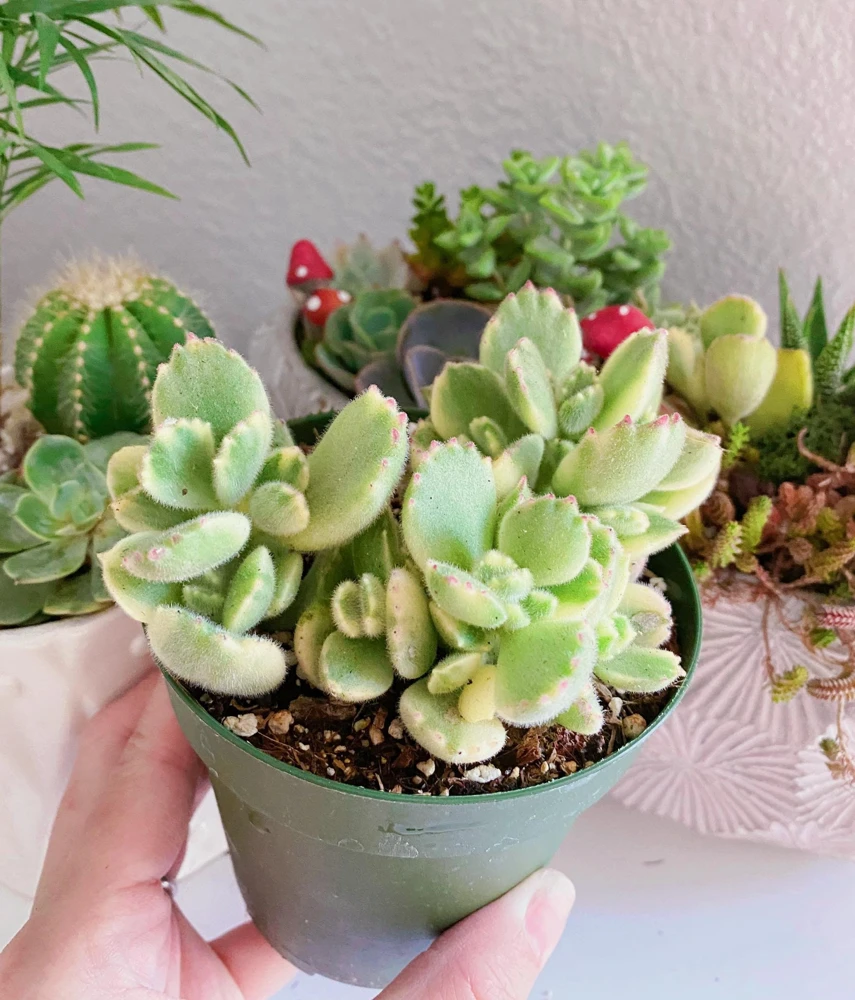
Variegated Bear Paw Succulent Live Plant – Cotyledon Tomentosa, 4 inch Pot
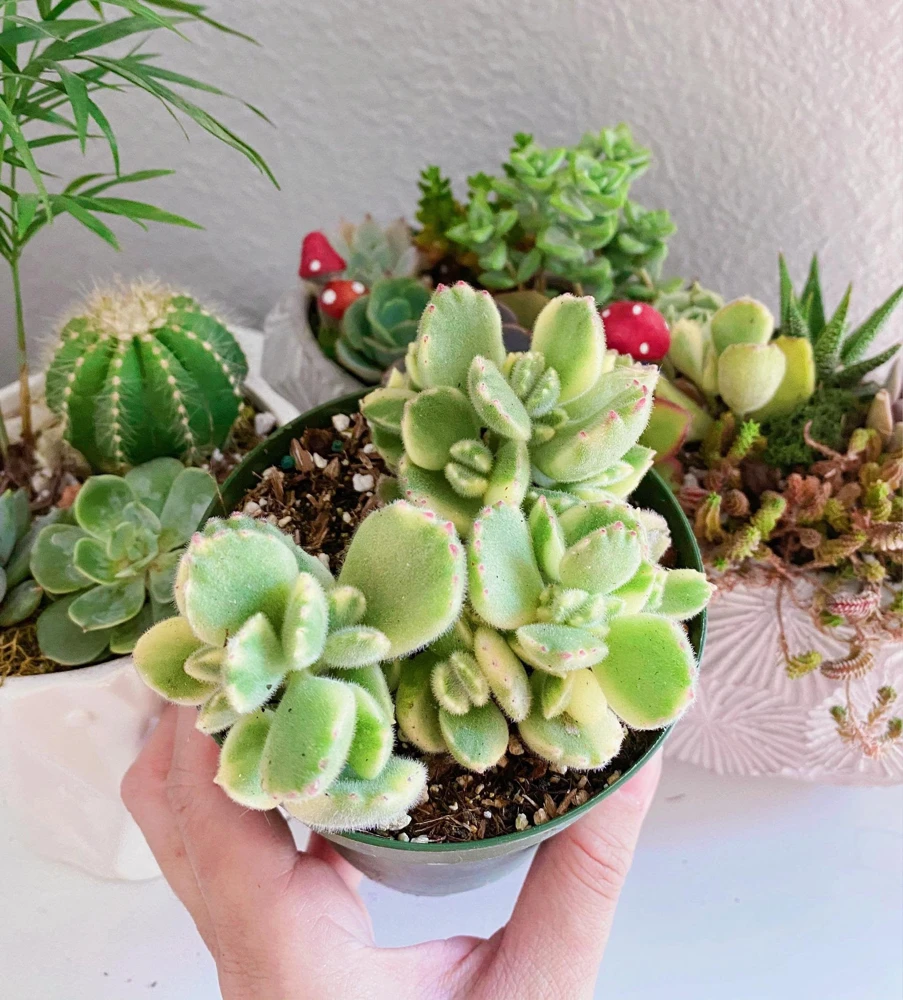
Bring home a charming variegated bear paw succulent, a unique live plant with fuzzy, paw-shaped leaves. This cotyledon tomentosa variegata is ideal for bright indoor light, offering a distinctive texture and color to your plant collection. Easy to care for and slow-growing, it’s a perfect choice for succulent enthusiasts.
Original price was: $60.00.$30.00Current price is: $30.00.

With our Alive & Thrive Guarantee, we’ve got your back for the first 30 days! If you have any concerns about your plants, just reach out to us. Our team is here to help answer your questions and guide you in selecting the best plants for your garden, climate, and unique preferences. We're excited to help you create the garden of your dreams!
Estimated arrival
Oct 14
Oct 19 - Oct 21
Oct 24 - Oct 28
Product Details
-
USDA Hardiness Zone
Zone 10 (30F) -
Soil type
Fast-draining succulent and cactus mix -
Sunlight Exposure
Bright Indoor Light, Filtered / Partial Sun -
Expected Planting Period
Year-round indoors
Overview
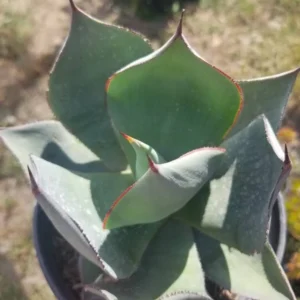
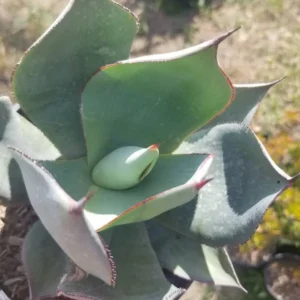
Introduce a delightful and unique specimen to your plant collection with the variegated bear paw succulent. Also known by its botanical name, Cotyledon tomentosa ssp. tomentosa variegata, this charming live plant is renowned for its thick, wedge-like leaves covered in a soft, velvety coating. The fuzzy leaves display striking stripes of green and cream, often featuring toothed edges that uncannily resemble a bear’s paw or claw, hence its popular common names like bear claw succulent plant. This captivating succulent makes an excellent houseplant, adding a touch of whimsy and natural beauty to any indoor space.
The cotyledon tomentosa variegata is a small shrublet that, while tempting to touch, will reward you with its distinctive appearance and relatively easy care. It produces lovely pale coral to white flowers, adding another layer of appeal to its already attractive foliage. If you’re searching for a unique and visually interesting succulent, the variegated bear paw succulent is an exceptional choice that will surely become a conversation starter.
Key Benefits
The variegated bear paw succulent offers numerous advantages for both seasoned plant collectors and beginners alike. Its unique aesthetics and manageable care requirements make it a standout choice for indoor gardening.
- Unique Aesthetic Appeal: The most striking feature of this succulent is its distinctive fuzzy, paw-like leaves with green and cream variegation. This makes the variegated bear paw succulent a visually captivating addition to any room or office desk.
- Easy to Care For: As a succulent, the cotyledon tomentosa variegata is remarkably low-maintenance, requiring infrequent watering and bright, indirect light, making it suitable for busy individuals or novice plant parents.
- Compact Size: Reaching a maximum height of 9-12 inches, this plant remains compact, making it ideal for windowsills, shelves, or small spaces where larger plants might not fit.
- Air Purifying Qualities: Like many houseplants, succulents contribute to improving indoor air quality by absorbing toxins and releasing oxygen.
- Drought Tolerant: Being a succulent, it naturally stores water in its leaves, allowing it to withstand periods of drought and reducing the frequency of watering needed.
- Distinctive Texture: The velvety, fuzzy texture of the leaves provides a unique tactile experience, adding sensory interest to your plant collection. This fuzzy succulent indoor plant is truly one-of-a-kind.
- Slow Growing: Its slow growth habit means it won’t outgrow its space quickly, requiring less frequent repotting and maintaining its charming size for longer.
Plant Care & Growing Tips
Caring for your variegated bear paw succulent is straightforward, making it a rewarding plant for many environments. Understanding its needs will ensure it thrives and maintains its vibrant variegation and unique leaf structure.
Light Requirements: This succulent thrives in bright indoor light. Place your plant in a location where it receives filtered or partial sun, such as near a south or west-facing window. While it loves bright light, avoid prolonged direct sunlight, especially during the hottest parts of the day, as this can scorch its delicate leaves. Adequate light is crucial for maintaining the vibrant colors of your cotyledon tomentosa variegata.
Watering: The most common mistake with succulents is overwatering. Water your bear claw succulent plant infrequently, typically no more than once a week, depending on your local climate and indoor humidity. Always allow the soil to dry out completely between waterings. You can check the soil moisture by inserting your finger about an inch or two into the soil; if it feels dry, it’s time to water. Ensure proper drainage to prevent root rot.
Soil and Potting: Use a fast-draining soil mix specifically formulated for succulents and cacti. A blend primarily composed of peat moss and/or succulent/cactus mix, supplemented with plenty of perlite, will provide the aeration and drainage this plant needs. If kept indoors, a well-draining terracotta pot is highly recommended. Terracotta pots help wick away excess moisture, promoting healthy root growth for your cotyledon ladismithiensis.
Temperature and Hardiness: The variegated bear paw succulent is cold hardy to USDA Zone 10 (30°F), meaning it prefers warmer temperatures. Protect it from frost if growing outdoors in cooler climates. Indoors, average room temperatures are generally suitable. This fuzzy succulent indoor variety appreciates a stable environment.
Fertilization: Fertilize your plant sparingly. During the growing season (spring and summer), you can fertilize once a month with a suitable houseplant food diluted to half strength. Avoid fertilizing during its dormant period in winter.
Size & Details
This offering includes one live variegated bear paw succulent, specifically a Cotyledon Tomentosa Variegata, carefully grown in a 4-inch nursery pot. The plant’s maximum height typically ranges from 9 to 12 inches, making it a perfectly sized accent for desks, shelves, or small plant arrangements. It exhibits a vertical grower/tall stem growth habit, slowly developing its unique form.
As a slow grower, this succulent will maintain its charming size and appearance for an extended period, requiring minimal pruning or repotting. Each plant is shipped securely with appropriate filler to ensure it arrives in the best possible condition. Please note that as living organisms, plants may vary slightly in color and shape from the images provided, and minor imperfections can occasionally occur during the shipping process, but rest assured, you will receive a healthy and vibrant variegated bear paw succulent.
Frequently Asked Questions
- Q: How big does this plant get? A: The variegated bear paw succulent typically reaches a maximum height of 9 to 12 inches, making it a compact and manageable indoor plant. Its slow growth habit means it will maintain this size for a long time.
- Q: Is this an indoor or outdoor plant? A: While it can be grown outdoors in warmer climates (USDA Zone 10 and above), it is primarily recommended as a houseplant due to its preference for bright, filtered indoor light and sensitivity to frost. It thrives as a fuzzy succulent indoor plant.
- Q: How much sunlight does it need? A: This succulent requires bright, indirect light. Place it near a sunny window where it receives plenty of light but is protected from intense, direct afternoon sun, which can cause leaf burn.
- Q: What size pot does it come in? A: Each cotyledon tomentosa variegata is provided in a 4-inch nursery pot, perfectly sized for its initial growth. We recommend repotting into a slightly larger terracotta pot for optimal health as it grows.
- Q: Is this plant easy to care for? A: Yes, the variegated bear paw succulent is considered easy to care for. It’s a drought-tolerant plant that requires minimal watering and thrives with bright, indirect light, making it suitable for beginners.
- Q: What kind of soil is best for this succulent? A: A fast-draining soil mix is essential. Use a specialized succulent and cactus mix, or create your own with plenty of perlite or pumice to ensure excellent drainage and aeration.
- Q: How often should I water my variegated bear paw succulent? A: Water sparingly. Allow the soil to dry out completely between waterings, typically once a week or less, depending on your environment. Overwatering is the biggest risk for this bear claw succulent plant.
- Q: Will the plant’s color change? A: The green and cream variegation of the leaves is stable, but the intensity of color can depend on light exposure. Adequate bright, indirect light helps maintain its vibrant hues.
- Q: Is this plant pet-safe? A: It’s always best to keep plants out of reach of pets. While not listed as highly toxic, ingestion of any plant material can cause mild discomfort.
- Q: What is a cotyledon ladismithiensis? A: Cotyledon ladismithiensis is a closely related species to Cotyledon tomentosa, often sharing similar characteristics, and sometimes used interchangeably in common naming for these fuzzy, paw-like succulents.
Related products
-30%
Original price was: $79.98.$55.98Current price is: $55.98.
-30%
Original price was: $79.98.$55.98Current price is: $55.98.
-30%
Original price was: $79.98.$55.98Current price is: $55.98.
-40%

Original price was: $19.60.$11.76Current price is: $11.76.
-30%
Original price was: $79.98.$55.98Current price is: $55.98.
-30%
Original price was: $129.98.$90.98Current price is: $90.98.
PLANTING & CARE
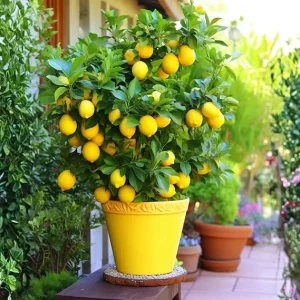
Lemon Tree Growing: Choose, Plant, and Harvest
Learn how to choose, plant, feed, and protect a lemon tree so it fits your
23
Sep
Sep
Dwarf Meyer Lemon Tree Australia: Climate Guide
Learn where dwarf Meyer lemon trees grow, how much cold they tolerate, and whether Australia,
Where to Buy a Dwarf Meyer Lemon Tree: Buyer’s Guide
Find the right dwarf Meyer lemon tree online or locally, compare starter sizes and costs,
Dwarf Meyer Lemon Tree for Sale: Buying Guide
Compare Meyer lemon tree sizes, prices, shipping limits, indoor growing and California options before you
Dwarf Meyer Lemon Tree Guide: Size, Care and Fruit
META: Learn how large a dwarf Meyer lemon tree grows, where it thrives, and how
How to Prune a Dwarf Meyer Lemon Tree
Learn when and how to prune a dwarf Meyer lemon tree, including tools, shaping cuts,
Can You Grow a Dwarf Meyer Lemon Tree in a Pot?
META: Learn how to grow a dwarf Meyer lemon tree in a pot, including container
When Do Dwarf Meyer Lemon Trees Bloom and Fruit?
META: Dwarf Meyer lemon trees usually bloom from winter through spring and may flower again