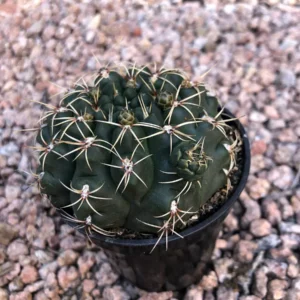
Variegated Gymnocalycium Cactus Live Plant, 4 inch Pot, Rooted
-30%
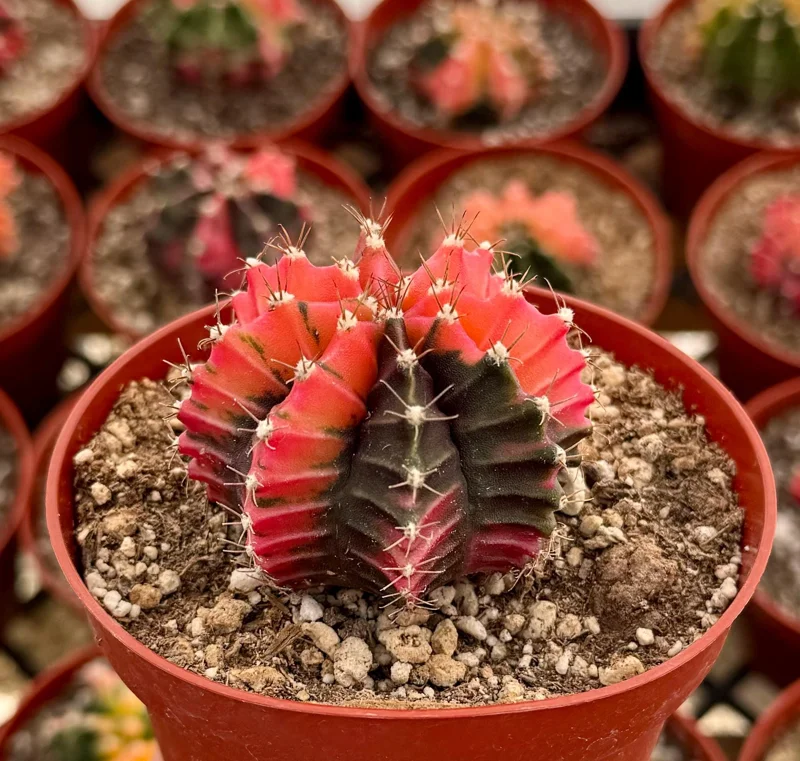
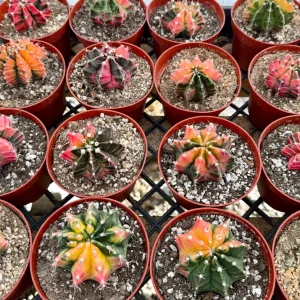
Variegated Gymnocalycium Cactus Live Plant, 4 inch Pot, Rooted
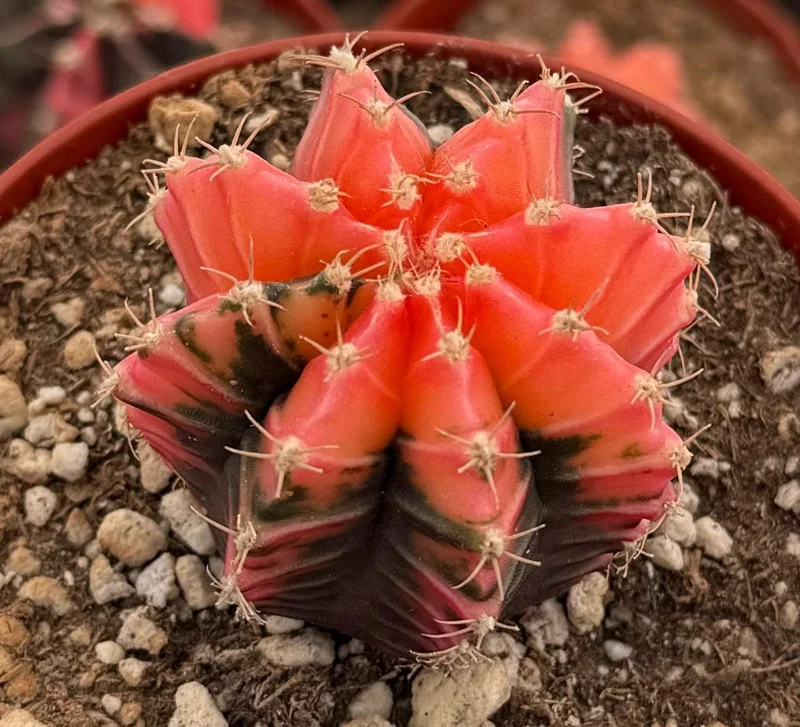
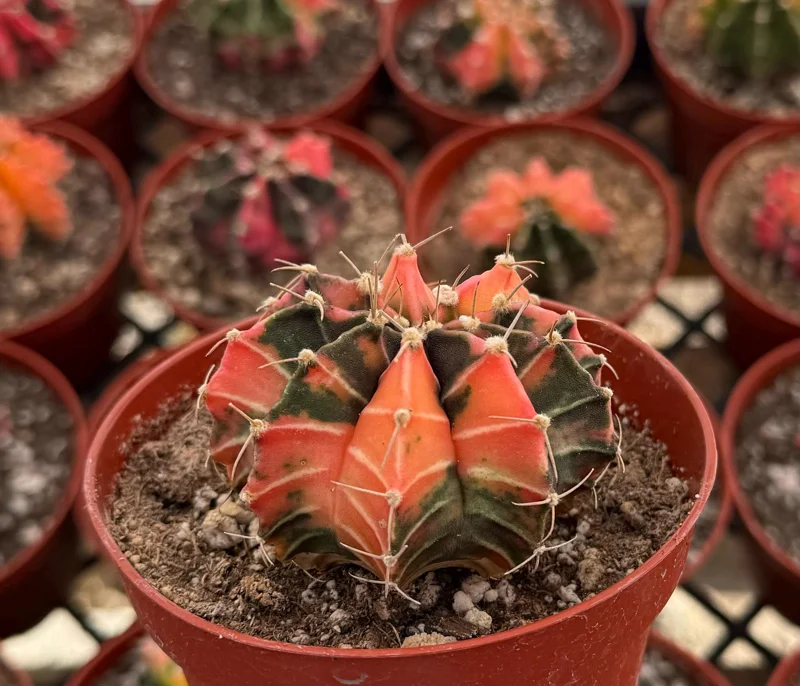
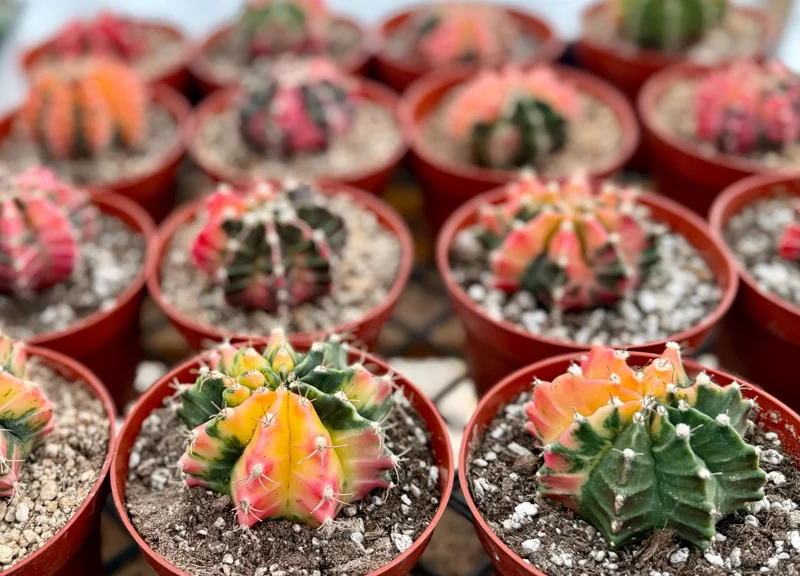
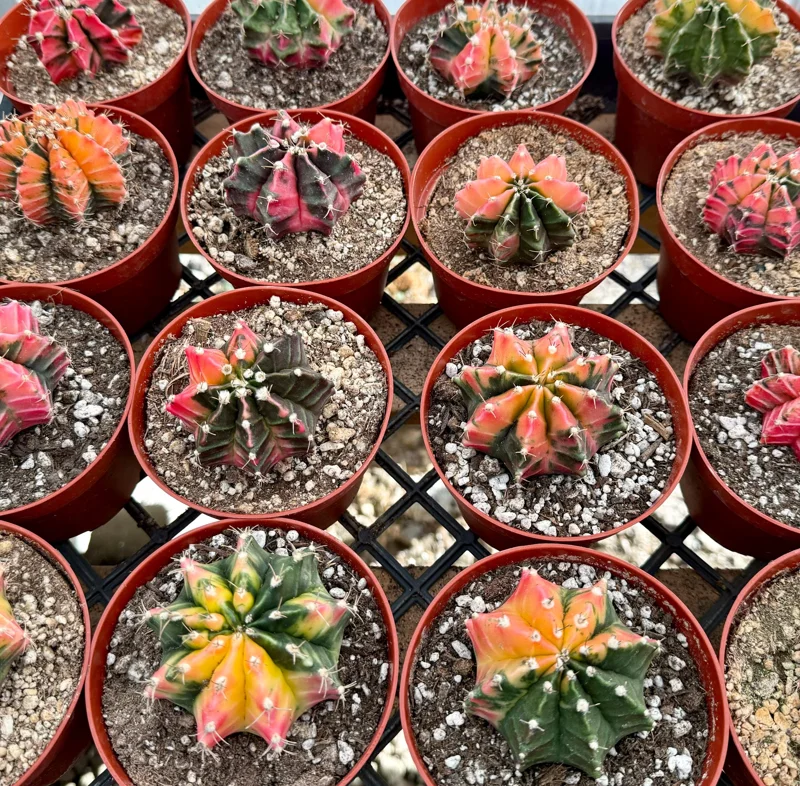
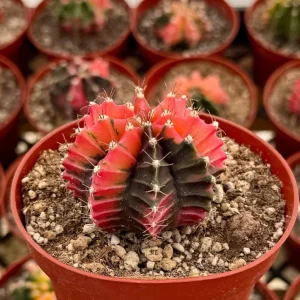
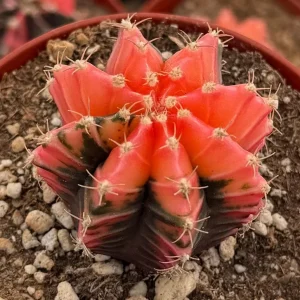
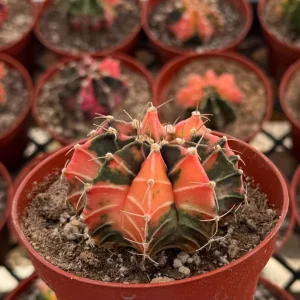
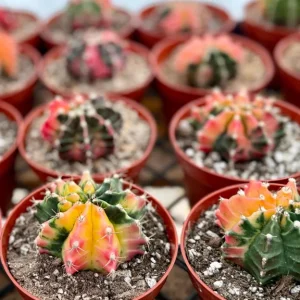
Bring home a captivating variegated Gymnocalycium cactus, a unique live plant showcasing stunning mixed colors. This 4-inch potted, rooted specimen is perfect for adding desert charm and a vibrant touch to any indoor collection. Easy to care for and visually striking.
Original price was: $59.98.$41.99Current price is: $41.99.

With our Alive & Thrive Guarantee, we’ve got your back for the first 30 days! If you have any concerns about your plants, just reach out to us. Our team is here to help answer your questions and guide you in selecting the best plants for your garden, climate, and unique preferences. We're excited to help you create the garden of your dreams!
Estimated arrival
Apr 13
Apr 18 - Apr 20
Apr 23 - Apr 27
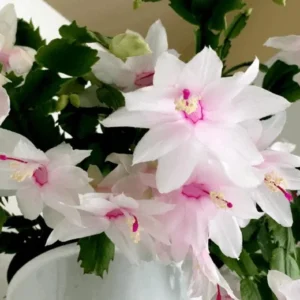
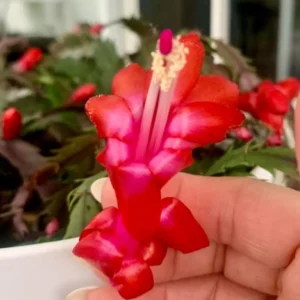
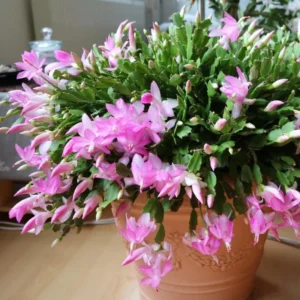
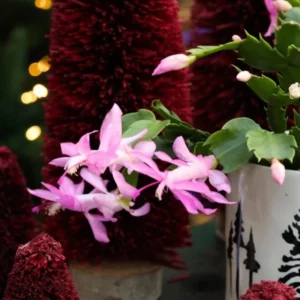
Product Details
-
USDA Hardiness Zone
USDA zones 9-11 (indoors recommended) -
Soil type
Well-draining cactus or succulent mix -
Sunlight Exposure
Bright indirect light -
Expected Planting Period
Year-round indoors
Overview
Introduce a splash of vibrant color and unique texture to your plant collection with this exquisite variegated Gymnocalycium cactus. This live plant, often simply called a Moon Cactus when grafted, but here offered as a rooted specimen, features distinctive patches of creamy white, yellow, pink, or red alongside its natural green tones. This natural phenomenon, known as variegation, occurs due to a lack of chlorophyll in certain areas of the plant, creating a truly eye-catching display. Each variegated Gymnocalycium cactus is a living work of art, making it a sought-after addition for both seasoned succulent enthusiasts and new plant parents looking for something special. It is a slow-growing, compact plant, ideal for windowsills, desks, or as part of a larger succulent arrangement.
Originating from South America, Gymnocalycium cacti are known for their generally globular shape and prominent ribs, often adorned with sparse spines. The variegated forms elevate their appeal, offering a dynamic visual interest that changes with light and maturity. This particular specimen comes as a robust, rooted cactus for sale in a 4-inch pot, ready to thrive in its new home. Its striking coloration makes it a focal point in any room, providing a continuous source of natural beauty and intrigue.
Key Benefits
The variegated Gymnocalycium cactus offers a range of benefits beyond its stunning aesthetics, making it a fantastic choice for various indoor environments. This unique desert plant is not only beautiful but also remarkably resilient and rewarding to grow.
- Exceptional Visual Appeal: The primary draw of this cactus is its incredible variegation, featuring vibrant streaks of pink, yellow, red, and white against green, ensuring it stands out in any collection. This makes it a truly colorful cactus plant.
- Low Maintenance: Like most cacti, the Gymnocalycium is drought-tolerant and requires minimal watering, perfect for busy individuals or those new to plant care.
- Compact Size: Growing slowly and staying relatively small, it’s an ideal plant for limited spaces such as desks, shelves, or small apartments.
- Unique Collector’s Item: Due to its distinct variegation, this plant is highly prized by succulent collectors, offering a unique specimen that sparks conversation.
- Air Purification: While not as prominent as some other houseplants, cacti contribute to improving indoor air quality by absorbing carbon dioxide and releasing oxygen, especially at night.
- Drought Tolerance: Its succulent nature means it can withstand periods of neglect, making it forgiving for those who might forget to water occasionally.
- Stress Reduction: The presence of plants, especially unique and beautiful ones like the variegated Gymnocalycium cactus, has been shown to reduce stress and improve overall well-being.
Plant Care & Growing Tips
Caring for your variegated Gymnocalycium cactus is straightforward, provided you understand its basic needs as a desert succulent. The key to success lies in providing adequate light, appropriate watering, and well-draining soil. This Gymnocalycium cactus care guide will help you ensure your plant thrives.
Sunlight Requirements: This cactus thrives in bright, indirect light. While it appreciates plenty of light, direct, intense afternoon sun, especially in warmer climates, can scorch its delicate variegated patches. An east or west-facing window is often ideal, providing several hours of gentle sunlight. If grown outdoors, place it in a spot with morning sun and afternoon shade. Insufficient light can lead to etiolation (stretching), causing the plant to lose its compact form and vibrant colors.
Watering Schedule: Overwatering is the most common cause of cactus demise. Allow the soil to dry out completely between waterings. During the active growing season (spring and summer), water thoroughly until water drains from the bottom of the pot. In fall and winter, when the plant is dormant, reduce watering significantly, perhaps once every 3-4 weeks or even less, depending on humidity. Always ensure the pot has drainage holes to prevent root rot.
Soil Type and Drainage: A crucial aspect of Gymnocalycium cactus care is the right soil. Use a specialized cactus or succulent potting mix that offers excellent drainage. You can also create your own by mixing regular potting soil with perlite, pumice, or coarse sand in a 1:1 ratio. This ensures that water doesn’t sit around the roots, which is vital for preventing rot.
Temperature Range & Hardiness: Gymnocalycium cacti prefer warm temperatures, ideally between 65-80°F (18-27°C) during the growing season. They can tolerate cooler temperatures in winter, down to about 40-50°F (4-10°C), but should be protected from frost. Most Gymnocalycium species are generally suitable for USDA Zones 9-11 if grown outdoors year-round, but as a variegated form, it’s often best kept as an indoor plant or brought indoors during colder months. Ensure it’s not exposed to sudden temperature drops or cold drafts.
Fertilization: Fertilize sparingly during the growing season (spring and summer) with a diluted, low-nitrogen cactus fertilizer. A balanced fertilizer at half strength once a month is usually sufficient. Avoid fertilizing in fall and winter when the plant is dormant, as this can lead to nutrient burn.
Common Problems: Watch out for common pests like mealybugs or spider mites, especially if the plant is stressed. Treat promptly with insecticidal soap or neem oil. Root rot is the most significant threat, caused by overwatering or poor drainage. If signs of rot appear (soft, mushy base), unpot the plant, trim affected areas, and repot in fresh, dry soil.
Size & Details
This offering is for one live variegated Gymnocalycium cactus, carefully cultivated and rooted, ready for its new home. It is shipped in a 4 inch pot, providing a stable environment for its journey and initial growth. At the time of shipment, the plant typically measures approximately 2-3 inches in diameter, though individual plant sizes and variegation patterns will vary, making each specimen uniquely beautiful. This slow-growing cactus will gradually increase in size, usually reaching a mature diameter of 4-6 inches over several years, making it a perfect long-term addition to your collection. It ships as a healthy, established plant in its nursery pot with soil, ensuring minimal transplant shock upon arrival. Expect a robust, visually striking specimen with a good root system, representative of a healthy rooted cactus for sale.
Frequently Asked Questions
- Q: How big does this plant get? A: This variegated Gymnocalycium cactus is a slow grower and typically reaches a mature diameter of about 4-6 inches. It remains compact, making it ideal for small spaces.
- Q: What size pot does it come in? A: Each variegated Gymnocalycium cactus is shipped in a 4 inch pot, providing a good starting size for its root system and initial growth.
- Q: Is this an indoor or outdoor plant? A: While Gymnocalycium cacti can tolerate some outdoor conditions in warm climates (USDA Zones 9-11), the variegated forms are generally best kept as an indoor plant to protect their delicate colors and ensure optimal Gymnocalycium cactus care.
- Q: How much sunlight does it need? A: This cactus thrives in bright, indirect light. Avoid prolonged exposure to intense, direct afternoon sun, which can scorch its variegated patches. Morning sun or filtered light is ideal.
- Q: Is this plant easy to care for? A: Yes, this colorful cactus plant is relatively easy to care for, especially for beginners. Its main requirements are bright light, well-draining soil, and infrequent watering.
- Q: What condition will it arrive in? A: Your rooted cactus for sale will arrive as a healthy, established live plant in its nursery pot with soil, carefully packaged to ensure its safe transit and minimal stress.
- Q: Is it pet-safe? A: While Gymnocalycium cacti are not typically listed as toxic, their spines can be irritating if ingested. It’s always best to keep plants out of reach of curious pets.
- Q: When is the best time to repot this variegated Gymnocalycium cactus? A: The best time to repot is during its active growing season in spring or early summer. Repot only when it has outgrown its current container, typically every 2-3 years.
- Q: How often should I water my unique desert plant? A: Water thoroughly only when the soil has completely dried out. Reduce watering significantly during the fall and winter dormancy period.
- Q: What makes this cactus variegated? A: Variegation occurs due to a natural genetic mutation where some plant cells lack chlorophyll, resulting in the beautiful patches of white, yellow, pink, or red alongside the green.
Related products
-30%
Original price was: $79.98.$55.98Current price is: $55.98.
-30%
Original price was: $79.98.$55.98Current price is: $55.98.
-30%
Original price was: $79.98.$55.98Current price is: $55.98.
-30%
Original price was: $85.98.$60.18Current price is: $60.18.
PLANTING & CARE

Growing Glencoe Raspberry: A Complete Guide for Gardeners
If you’re looking to add something unique to your garden, look no further than the
31
Mar
Mar

The Comprehensive Guide to Growing Bay Leaf Plants for a Flavorful Garden
Imagine stepping into your garden, greeted by the earthy aroma of fresh bay leaves, their
09
Feb
Feb

How to Make Comfrey Tea: The Ultimate Organic Plant Food
Growing an organic garden can be surprisingly expensive, especially when most store-bought fertilizers come in
02
Feb
Feb

True Comfrey: 7 Essential Tips Before You Plant This Herb
A staple in permaculture practices across the US, True Comfrey easily earns its reputation as
27
Jan
Jan

7 Heart-Shaped Plants for a Lasting Valentine’s Gift
If you’ve ever bought a bouquet of roses for Valentine’s Day, you know they are
26
Jan
Jan

Best Types of Ivy Plant for Houses: How to Choose the Perfect Ones for Your Home
Are you a garden lover looking to introduce some greenery into your home? Maybe you’ve
14
Nov
Nov

When to Harvest Garlic (Especially Fall-Planted Garlic)
TIMING IS EVERYTHING, they say – and for garlic, that truth hits with surprising accuracy.
13
Nov
Nov

11 of the Best Sweet Potato Varieties to Grow for Your Garden
If you’ve ever tried growing sweet potatoes, you know that picking the right variety can
12
Nov
Nov