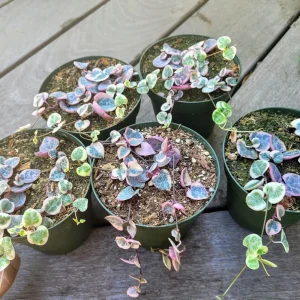
Variegated String of Hearts Live Plant – Ceropegia Woodii – 4 inch Pot – Trailing Succulent
-50%
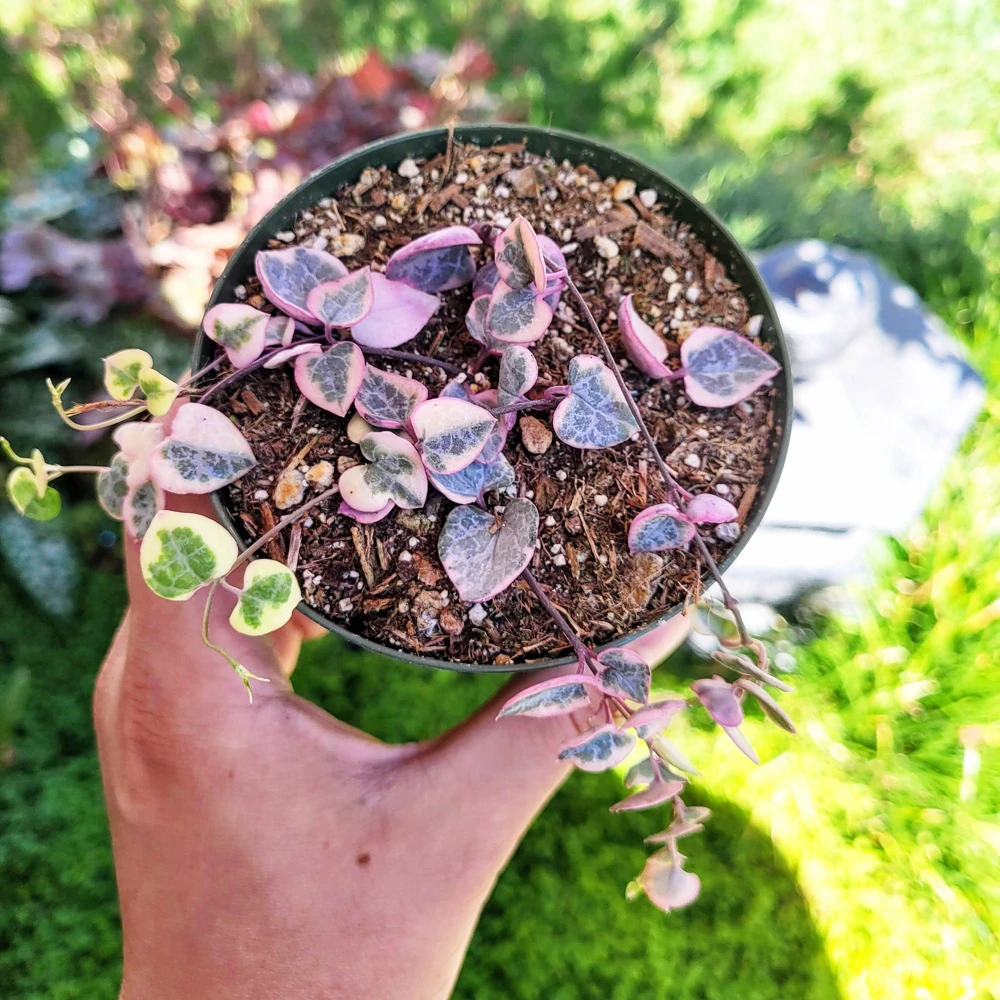
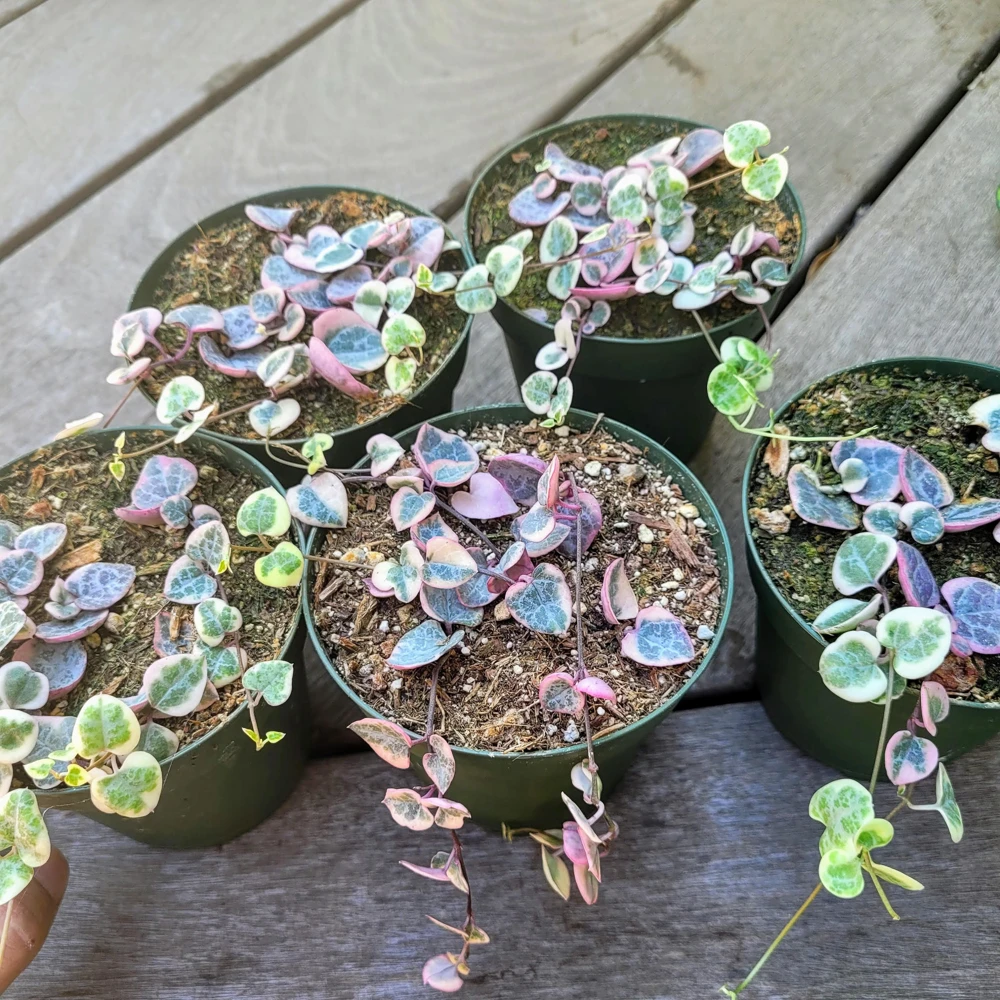
Variegated String of Hearts Live Plant – Ceropegia Woodii – 4 inch Pot – Trailing Succulent
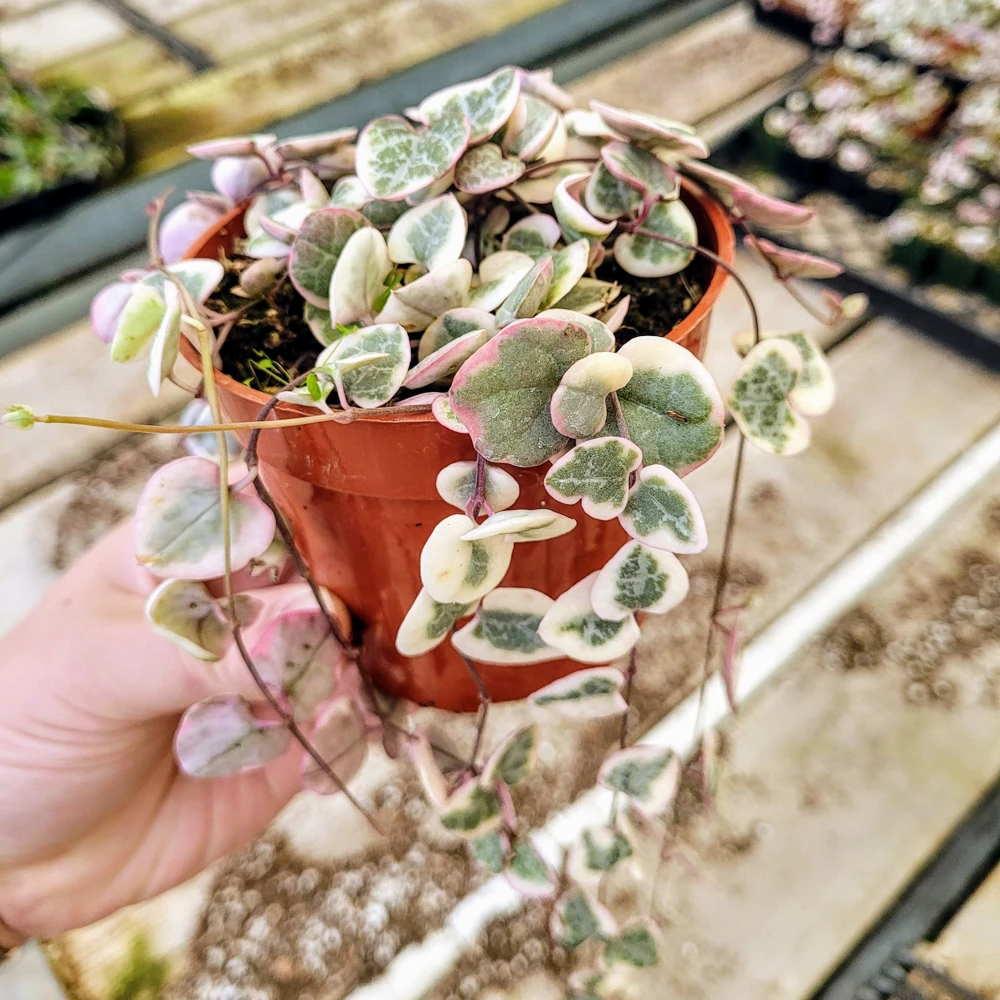
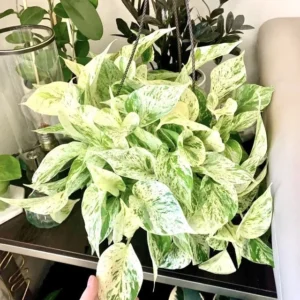
Bring charm to your home with a beautiful variegated string of hearts live plant in a 4 inch pot. This delightful trailing houseplant features unique heart-shaped leaves in shades of pink, white, and green, perfect for hanging baskets or shelves.
Original price was: $60.00.$30.00Current price is: $30.00.

With our Alive & Thrive Guarantee, we’ve got your back for the first 30 days! If you have any concerns about your plants, just reach out to us. Our team is here to help answer your questions and guide you in selecting the best plants for your garden, climate, and unique preferences. We're excited to help you create the garden of your dreams!
Estimated arrival
Oct 14
Oct 19 - Oct 21
Oct 24 - Oct 28
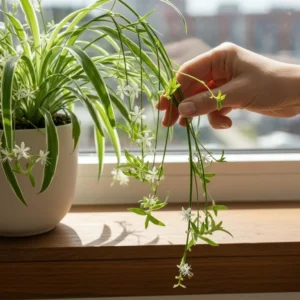
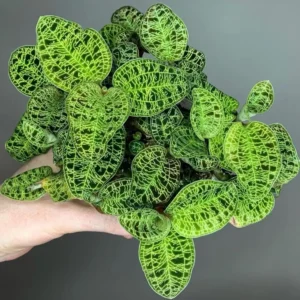
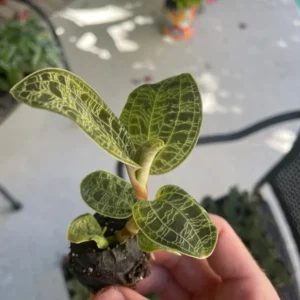
Product Details
-
USDA Hardiness Zone
unknown -
Soil type
well-draining succulent or cactus mix -
Sunlight Exposure
bright indirect light with some direct sun -
Expected Planting Period
year-round indoors
Overview
Introduce an enchanting touch to your indoor garden with the stunning variegated string of hearts live plant. Also known by its botanical name, Ceropegia Woodii, or common names like Rosary Vine and Sweetheart Vine, this semi-succulent trailing plant is celebrated for its distinctive heart-shaped leaves and elegant cascading growth. Each leaf boasts a beautiful variegation of pink, white, and deep green, making it a highly sought-after specimen for plant enthusiasts and beginners alike. This particular offering provides a robust plant in a 4 inch grower’s pot, ready to bring immediate beauty and elegance to your living space. Its unique appearance and relatively easy care make it a perfect choice for adding a touch of natural artistry to any room.
The variegated string of hearts live plant is an ideal choice for those looking for a low-maintenance yet visually striking houseplant. Its delicate appearance belies its hardy nature, thriving with minimal fuss once its basic needs are met. The long, slender vines can reach impressive lengths, creating a waterfall of tiny, heart-shaped foliage that is both captivating and soothing. Whether displayed in a hanging planter, on a high shelf, or as part of a larger plant arrangement, this plant is sure to draw admiration and add a vibrant, living element to your decor.
Key Benefits
The variegated string of hearts live plant offers numerous advantages, making it a beloved addition to any indoor plant collection. Its unique aesthetics and manageable care requirements contribute to a rewarding ownership experience. Here are some of the key benefits:
- Exceptional Decorative Appeal: The primary allure of this plant lies in its exquisitely patterned, heart-shaped leaves. The combination of deep green, soft pink, and creamy white creates a mesmerizing visual display that enhances any interior decor, from modern minimalist to bohemian chic. The cascading nature of the vines adds dynamic texture and movement.
- Low Maintenance & Drought Tolerant: As a semi-succulent, the variegated string of hearts live plant is forgiving of occasional neglect and prefers to dry out between waterings. This makes it an excellent choice for busy individuals or those new to plant care, as it is less prone to issues caused by overwatering.
- Air Purifying Qualities: Like many houseplants, the String of Hearts contributes to a healthier indoor environment by helping to filter airborne toxins and improve air quality. While not as potent as some larger plants, its presence still offers subtle benefits to your home’s atmosphere.
- Versatile Display Options: Its trailing habit makes it perfect for a variety of display settings. It looks stunning in hanging baskets, allowing its long vines to drape elegantly. It can also be placed on shelves, mantels, or plant stands where its foliage can cascade downwards, creating a living curtain effect.
- Unique Foliage & Growth: The plump, heart-shaped leaves are truly distinctive, and the occasional appearance of small purple, lantern-shaped flowers adds another layer of charm. The pinkish tinge on new growth and stems further enhances its visual interest, making it a constant source of delight.
- Easy Propagation: The sweetheart vine succulent is relatively easy to propagate from cuttings, allowing you to expand your collection or share with friends. This makes it a rewarding plant for those who enjoy the process of growing new plants.
- Compact Footprint: Despite its trailing length, the base of the plant remains compact in its 4 inch pot, making it suitable for smaller spaces or crowded plant shelves where larger plants might not fit.
Plant Care & Growing Tips
Caring for your variegated string of hearts live plant is straightforward, especially once you understand its semi-succulent nature. Proper care ensures vigorous growth and vibrant foliage. The key to a thriving plant lies in balancing light, water, and soil conditions to mimic its natural habitat.
Sunlight Requirements
This ceropegia woodii care guide emphasizes bright, indirect light with some direct sun. To maintain the best color and encourage dense foliage, place your plant in a location where it receives plenty of bright, filtered light. A spot near an east or west-facing window is often ideal, providing gentle morning or late afternoon sun without the harsh intensity of midday sun. If the spaces between the leaves become noticeably large (known as ‘legginess’), it’s a clear sign that the plant is not receiving enough light. Rotate your plant periodically to ensure even growth and light exposure on all sides.
Watering Schedule & Soil Moisture
As a semi-succulent, the rosary vine indoor needs to dry out completely between waterings. Overwatering is the most common cause of problems for this plant, leading to root rot. When in doubt, it’s always better to underwater than overwater. You can check the soil moisture by inserting a finger about an inch or two deep; if it feels dry, it’s time to water. During its active growing season (spring and summer), the soil should be lightly moist. In autumn and winter, when the plant goes dormant, significantly reduce watering frequency, allowing the soil to stay dry for longer periods.
Soil Type & Drainage
A well-draining soil mix is crucial for the health of your sweetheart vine succulent. A standard succulent or cactus potting mix is generally suitable. You can also create your own mix using equal parts potting soil, perlite, and coarse sand to ensure excellent drainage. Good drainage prevents water from sitting around the roots, which is vital for preventing rot. Ensure your pot has drainage holes.
Temperature Range & Humidity
The variegated string of hearts live plant thrives in average room temperatures, ideally between 65-75°F (18-24°C). Avoid exposing it to temperatures below 50°F (10°C), as it is not frost-tolerant. This plant enjoys moderate humidity, typically around 40-50%. In very dry environments, you can increase humidity by placing the pot on a pebble tray with water, but avoid misting the leaves directly, as this can lead to fungal issues.
Fertilization
During the growing season (spring and summer), fertilize your String of Hearts every 2-4 weeks with a balanced, diluted liquid fertilizer. Reduce or stop fertilization during the dormant winter months. Always follow the product instructions for dilution to avoid over-fertilizing, which can burn the roots.
Common Problems
Watch out for signs of overwatering (yellowing leaves, mushy stems) and insufficient light (leggy growth, dull leaf color). Pests like mealybugs or aphids can occasionally appear; treat these with neem oil or insecticidal soap if detected early. Providing good air circulation also helps prevent fungal diseases.
Size & Details
This offering includes a healthy variegated string of hearts live plant, meticulously grown and presented in a 4 inch nursery container. Each pot contains at least 4-5 individual plants, ensuring a full and lush appearance with multiple trailing vines. The vines themselves typically feature 3-7 nodes per plant, indicating robust growth and potential for further development. While the exact length of the trailing vines may vary upon arrival, they are well-established and actively growing, ready to continue their elegant cascade in your home. The plant is shipped securely in its pot with soil, minimizing transplant shock and ensuring a smooth transition to its new environment. Expect a moderate growth rate, with vines extending several inches per month under optimal conditions. This trailing houseplant will continue to grow and develop, providing long-lasting beauty.
Frequently Asked Questions
- Q: How big does this variegated string of hearts live plant get? A: While the plant comes in a 4 inch pot, its trailing vines can grow quite long, often reaching several feet in length over time. The length depends on growing conditions and how often you prune it.
- Q: Is this an indoor or outdoor plant? A: The variegated string of hearts live plant is primarily grown as an indoor houseplant in most climates. It can be moved outdoors in warm, frost-free conditions during summer, but must be brought inside before temperatures drop.
- Q: How much sunlight does my ceropegia woodii care require? A: It thrives in bright, indirect light with some direct morning or late afternoon sun. Avoid intense, direct midday sun, which can scorch the delicate leaves. Insufficient light can lead to leggy growth.
- Q: Is this plant easy to care for, good for beginners? A: Yes, the rosary vine indoor is considered relatively easy to care for, especially for beginners who understand its semi-succulent nature. The main thing to remember is to avoid overwatering and provide adequate light.
- Q: What condition will it arrive in? A: Your sweetheart vine succulent will arrive carefully packaged in its 4 inch nursery pot with soil, ensuring it is well-protected and ready to thrive in its new home. We take great care to minimize stress during transit.
- Q: How often should I water my String of Hearts? A: Water sparingly, allowing the soil to dry out completely between waterings. This plant is more tolerant of dry soil than wet soil. Reduce watering significantly during the dormant winter months.
- Q: Can I propagate my trailing houseplant? A: Yes, the String of Hearts is easy to propagate from stem cuttings. Simply take a section of vine with a few nodes, let it callus for a day or two, and then place it in well-draining soil or water to root.
- Q: Is the variegated string of hearts live plant pet-safe? A: While generally considered non-toxic to pets, it’s always best to keep plants out of reach of curious animals to prevent any accidental ingestion that could cause mild stomach upset.
- Q: What kind of soil is best for this plant? A: A well-draining succulent or cactus potting mix is ideal. You can also amend regular potting soil with perlite or coarse sand to improve drainage.
- Q: Does this plant flower? A: Yes, the String of Hearts produces small, unique, purple, urn-shaped flowers, typically in spring and summer, adding another charming dimension to its beauty.
Related products
-30%
Original price was: $129.98.$90.98Current price is: $90.98.

-36%
Original price was: $39.00.$25.00Current price is: $25.00.
-30%
Original price was: $129.98.$90.98Current price is: $90.98.
-30%
Original price was: $79.98.$55.98Current price is: $55.98.
PLANTING & CARE
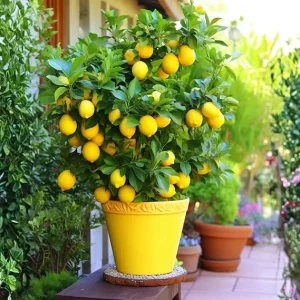
Lemon Tree Growing: Choose, Plant, and Harvest
Learn how to choose, plant, feed, and protect a lemon tree so it fits your
23
Sep
Sep
Dwarf Meyer Lemon Tree Australia: Climate Guide
Learn where dwarf Meyer lemon trees grow, how much cold they tolerate, and whether Australia,
Where to Buy a Dwarf Meyer Lemon Tree: Buyer’s Guide
Find the right dwarf Meyer lemon tree online or locally, compare starter sizes and costs,
Dwarf Meyer Lemon Tree for Sale: Buying Guide
Compare Meyer lemon tree sizes, prices, shipping limits, indoor growing and California options before you
Dwarf Meyer Lemon Tree Guide: Size, Care and Fruit
META: Learn how large a dwarf Meyer lemon tree grows, where it thrives, and how
How to Prune a Dwarf Meyer Lemon Tree
Learn when and how to prune a dwarf Meyer lemon tree, including tools, shaping cuts,
Can You Grow a Dwarf Meyer Lemon Tree in a Pot?
META: Learn how to grow a dwarf Meyer lemon tree in a pot, including container
When Do Dwarf Meyer Lemon Trees Bloom and Fruit?
META: Dwarf Meyer lemon trees usually bloom from winter through spring and may flower again