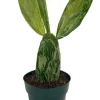
Velvet Opuntia Nopal Cactus Live Plant – Edible, Spineless, 6 inch Pot
-50%
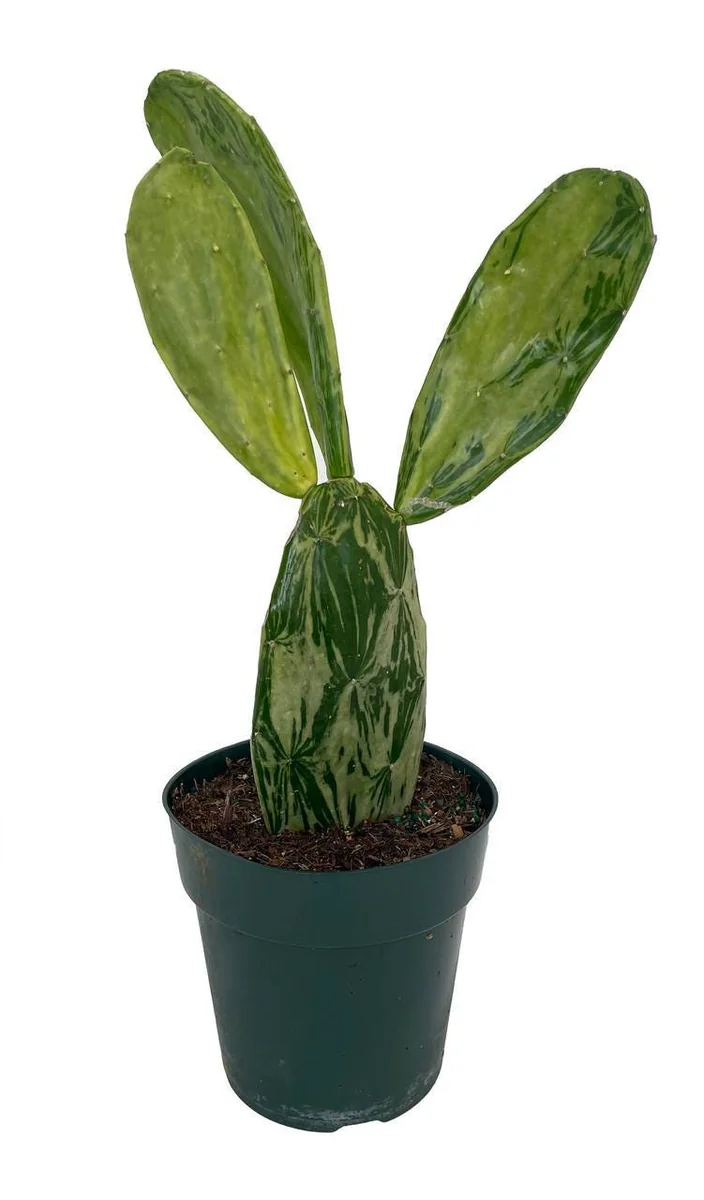
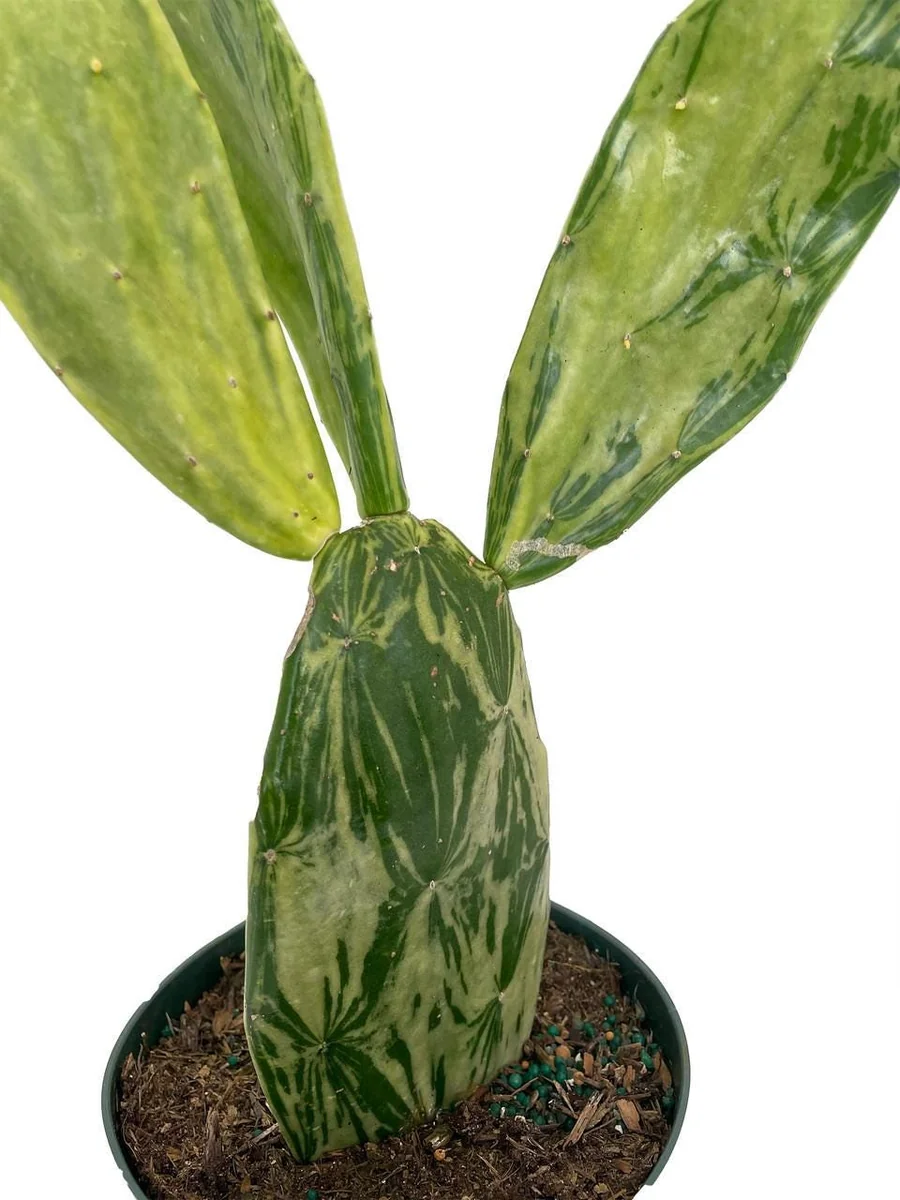
Velvet Opuntia Nopal Cactus Live Plant – Edible, Spineless, 6 inch Pot
Grow your own velvet opuntia nopal cactus, a unique live plant with thick, thornless leaves. This edible opuntia plant is easy to care for and forms a beautiful ornamental shrub, perfect for indoors or out. Enjoy its vibrant red flowers and nutritional value.
Original price was: $111.96.$55.98Current price is: $55.98.

With our Alive & Thrive Guarantee, we’ve got your back for the first 30 days! If you have any concerns about your plants, just reach out to us. Our team is here to help answer your questions and guide you in selecting the best plants for your garden, climate, and unique preferences. We're excited to help you create the garden of your dreams!
Estimated arrival
Apr 09
Apr 14 - Apr 16
Apr 19 - Apr 23
Product Details
-
USDA Hardiness Zone
USDA zones 9-11 -
Soil type
Well-draining cactus or succulent mix -
Sunlight Exposure
Full sun -
Expected Planting Period
Year-round indoors; Spring to Summer outdoors
Overview
Introducing the remarkable velvet opuntia nopal cactus, a truly unique and versatile live plant. This particular variety, scientifically known as Opuntia cochenillifera, stands out for its pleasant-to-touch, thick leaves that are nearly spineless, making it a joy to handle. Unlike many other cacti, this edible opuntia plant is not only ornamental but also provides a delicious and nutritious food source. Its common name, reflecting its smooth texture, hints at the delightful experience of growing this robust succulent. Whether you’re a seasoned gardener or just starting, this plant offers an unparalleled combination of beauty, ease of care, and culinary appeal. It forms a lovely ornamental shrub and thrives as a houseplant, bringing a touch of the desert’s resilience into your home or garden.
The velvet opuntia nopal cactus is recognized for its rapid growth and adaptability, tolerating a wide range of conditions. Its leaves, often called paddles, warm up under summer sun, giving them a ‘warm hand’ feel, adding to its unique charm. This makes it an ideal choice for those seeking a low-maintenance yet rewarding plant. Beyond its aesthetic appeal, the opuntia cochenillifera plant is celebrated for its health benefits, packed with essential vitamins and minerals. It’s a plant that truly gives back, both in beauty and in sustenance.
Key Benefits
The velvet opuntia nopal cactus offers a multitude of benefits, making it an excellent addition to any plant collection. Its unique characteristics provide both aesthetic pleasure and practical advantages.
-
Edible & Nutritious: The paddles of this edible opuntia plant are nearly spineless and easy to prepare. They offer a delightful taste, both raw and cooked, and are rich in potassium, magnesium, calcium, manganese, copper, zinc, iron, thiamine, lutein, niacin, riboflavin, and beta-carotene. This makes it a fantastic addition to a healthy diet.
-
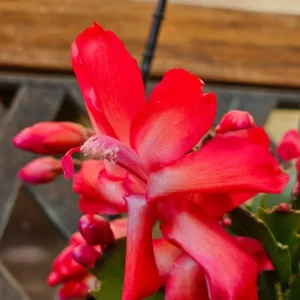
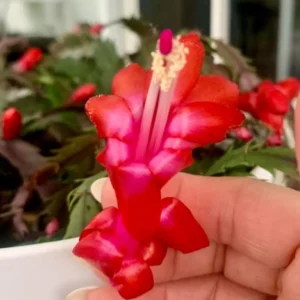
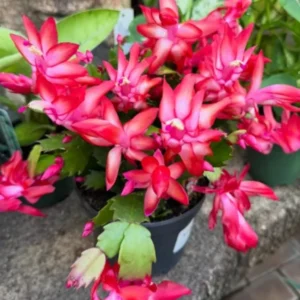
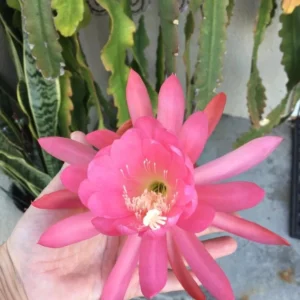
Ornamental Appeal: This cactus forms a beautiful, shapely ornamental shrub with thick, pleasant-to-touch leaves. Its vibrant red to crimson flowers add a spectacular splash of color, enhancing any indoor or outdoor space.
-
Nearly Spineless: Unlike many prickly cacti, this variety is nearly spineless, making it much safer and more enjoyable to handle and harvest. This feature is particularly beneficial for families or those who prefer plants with fewer hazards.
-
Extremely Low Maintenance: Known for its resilience, the velvet opuntia nopal cactus thrives on neglect. It tolerates almost any conditions, making it a perfect choice for beginners or those with busy lifestyles who desire an easy care cactus.
-
Fast Growing: This plant grows quickly, allowing you to enjoy its full beauty and harvest its edible paddles sooner. Its rapid growth also means it can quickly establish itself in your garden or home.
-
Drought Tolerant: As a cactus, it is naturally drought-tolerant and requires minimal watering once established, conserving water and reducing the effort needed for its care.
-
Versatile Placement: Suitable for both indoor and outdoor environments, it can be grown in pots as a houseplant or integrated into xeriscaping and garden beds in appropriate climates.
Plant Care & Growing Tips
Caring for your velvet opuntia nopal cactus is remarkably straightforward, making it an ideal choice for gardeners of all experience levels, especially those looking for an easy care cactus. This resilient plant thrives with minimal intervention, but understanding its basic needs will ensure optimal growth and health. For best results, consider its natural desert habitat when choosing its location and providing care. This includes proper sunlight, watering, and soil conditions to mimic its native environment.
When it comes to sunlight, the velvet opuntia nopal cactus prefers full sun exposure, meaning at least 6 hours of direct sunlight per day. If grown indoors, place it near a south-facing window or provide supplemental grow lights to ensure it receives adequate light. Insufficient light can lead to etiolation, where the plant stretches and becomes leggy. Regarding watering, less is often more. Allow the soil to dry out completely between waterings, especially during cooler months. Overwatering is the most common cause of cactus demise, leading to root rot. During the growing season (spring and summer), water thoroughly but infrequently. In fall and winter, reduce watering significantly. Good drainage is crucial; use a well-draining cactus or succulent potting mix, and ensure the pot has drainage holes. A mix of potting soil, perlite, and coarse sand in equal parts works well.
The opuntia cochenillifera plant is quite tolerant of various temperatures but prefers warm conditions. It is generally hardy in USDA zones 9-11, where it can be grown outdoors year-round. In colder climates, it should be brought indoors before the first frost. Fertilization is rarely needed for this hardy plant. If you choose to fertilize, use a balanced, low-nitrogen liquid fertilizer diluted to half strength once or twice during the active growing season. Watch out for common pests like mealybugs or scale, which can be treated with insecticidal soap or neem oil. With these simple tips, your velvet opuntia nopal cactus will flourish and provide you with both beauty and bounty.
Size & Details
This velvet opuntia nopal cactus is provided as a healthy, established live plant, ready to thrive in its new home. It arrives planted in a 6-inch nursery pot, offering a good foundation for continued growth. The plant typically reaches a mature height of 3 to 6 feet and can spread equally wide, forming a substantial and attractive ornamental shrub. Its growth rate is considered very fast, allowing it to establish quickly and produce edible paddles in a relatively short period. When grown outdoors in optimal conditions, it can become quite large, while indoor growth generally results in a more compact size, though regular pruning can maintain desired dimensions.
The paddles themselves are thick and fleshy, contributing to the plant’s unique texture and succulent nature. As an edible opuntia plant, the paddles can be harvested when they reach a desirable size, typically a few inches in length. This plant is shipped with care to ensure it arrives in excellent condition, ready for you to enjoy its beauty and bounty. Its robust nature means it adapts well to transplanting, making the transition to your garden or a decorative pot smooth and successful. Expect to enjoy the distinct warmth of its leaves and the vibrant red flowers as it matures.
Frequently Asked Questions
-
Q: How big does this velvet opuntia nopal cactus get? A: This cactus can typically grow to a height and spread of 3 to 6 feet when mature, especially when planted outdoors in ideal conditions. Indoor growth may be more compact, but it can still become a significant ornamental plant.
-
Q: What size pot does it come in? A: The velvet opuntia nopal cactus is shipped as a live plant in a 6-inch nursery pot, providing a good starting size for its development.
-
Q: Is this an indoor or outdoor plant? A: This versatile opuntia cochenillifera plant can thrive both indoors as a houseplant and outdoors in suitable climates (USDA zones 9-11). In colder regions, it’s best grown in a container and brought indoors during winter.
-
Q: How much sunlight does it need? A: The velvet opuntia nopal cactus requires at least 6 hours of direct sunlight daily. For indoor plants, a bright, south-facing window is ideal, or consider using supplemental grow lights.
-
Q: Is this plant easy to care for? A: Yes, it is considered an easy care cactus. It is very tolerant and thrives on neglect, making it perfect for beginners or those with busy schedules. It’s known for its resilience and adaptability.
-
Q: What condition will it arrive in? A: Your velvet opuntia nopal cactus will arrive carefully packaged as a healthy, live plant in its nursery pot, ready for you to plant or display.
-
Q: Can I eat the paddles of this cactus? A: Absolutely! This is an edible opuntia plant. The paddles are nearly spineless and can be prepared and eaten both raw and cooked. They are also packed with various vitamins and minerals.
-
Q: How long until it blooms? A: With proper care and sufficient sunlight, the velvet opuntia nopal cactus can produce its bright red to crimson flowers during its growing season, typically in warmer months, once it reaches a certain maturity.
-
Q: Will it survive winter in my zone? A: This cactus is hardy in USDA zones 9-11 for outdoor planting. If you live in a colder zone, it’s recommended to grow it in a pot and move it indoors before temperatures drop below freezing.
-
Q: What kind of soil is best for this spineless nopal cactus? A: A well-draining cactus or succulent potting mix is ideal. You can also create your own by mixing potting soil with perlite and coarse sand to ensure excellent drainage, which is crucial for preventing root rot.
Related products
-30%
Original price was: $129.98.$90.98Current price is: $90.98.
-30%
Original price was: $79.98.$55.98Current price is: $55.98.
-30%
Original price was: $85.98.$60.18Current price is: $60.18.
-30%
Original price was: $79.98.$55.98Current price is: $55.98.
-30%
Original price was: $49.98.$34.98Current price is: $34.98.
-30%
Original price was: $79.98.$55.98Current price is: $55.98.
PLANTING & CARE

Growing Glencoe Raspberry: A Complete Guide for Gardeners
If you’re looking to add something unique to your garden, look no further than the
31
Mar
Mar

The Comprehensive Guide to Growing Bay Leaf Plants for a Flavorful Garden
Imagine stepping into your garden, greeted by the earthy aroma of fresh bay leaves, their
09
Feb
Feb

How to Make Comfrey Tea: The Ultimate Organic Plant Food
Growing an organic garden can be surprisingly expensive, especially when most store-bought fertilizers come in
02
Feb
Feb

True Comfrey: 7 Essential Tips Before You Plant This Herb
A staple in permaculture practices across the US, True Comfrey easily earns its reputation as
27
Jan
Jan

7 Heart-Shaped Plants for a Lasting Valentine’s Gift
If you’ve ever bought a bouquet of roses for Valentine’s Day, you know they are
26
Jan
Jan

Best Types of Ivy Plant for Houses: How to Choose the Perfect Ones for Your Home
Are you a garden lover looking to introduce some greenery into your home? Maybe you’ve
14
Nov
Nov

When to Harvest Garlic (Especially Fall-Planted Garlic)
TIMING IS EVERYTHING, they say – and for garlic, that truth hits with surprising accuracy.
13
Nov
Nov

11 of the Best Sweet Potato Varieties to Grow for Your Garden
If you’ve ever tried growing sweet potatoes, you know that picking the right variety can
12
Nov
Nov