Vietnamese Fig Tree Live Plant – Fruit Bearing – 1-2 ft Tall – Gallon Pot – Outdoor
-10%
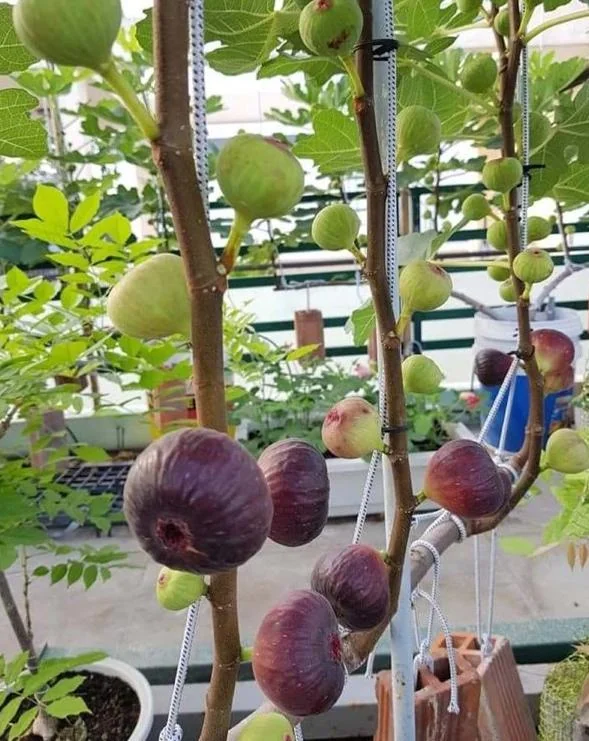
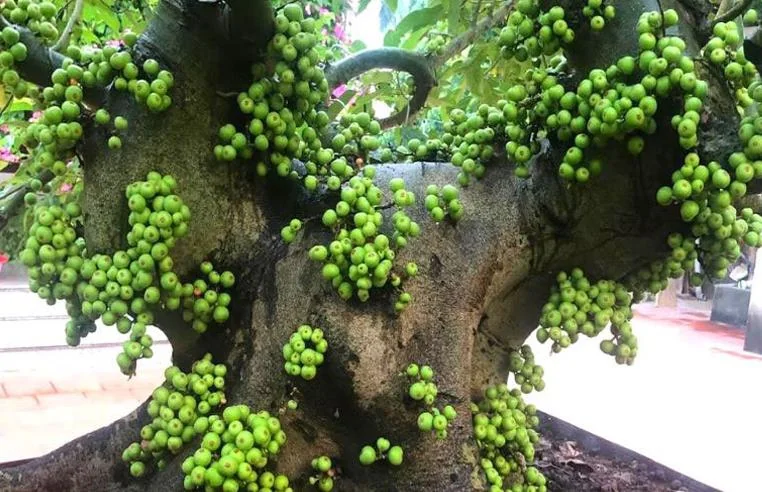
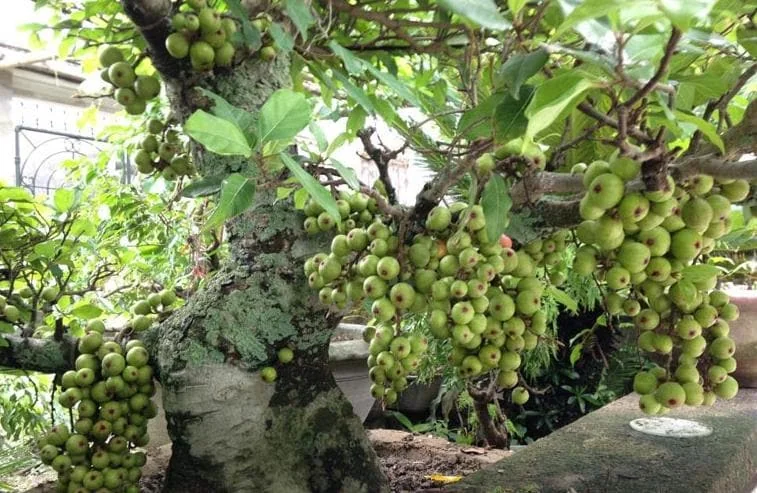
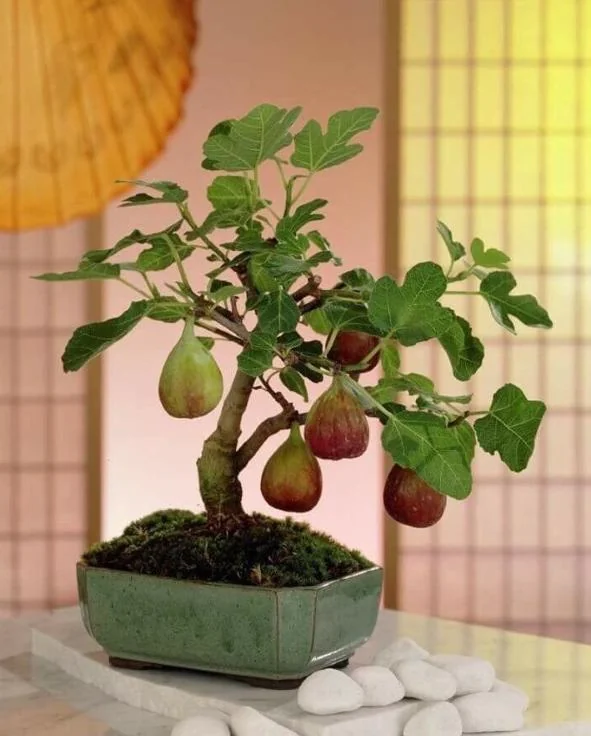
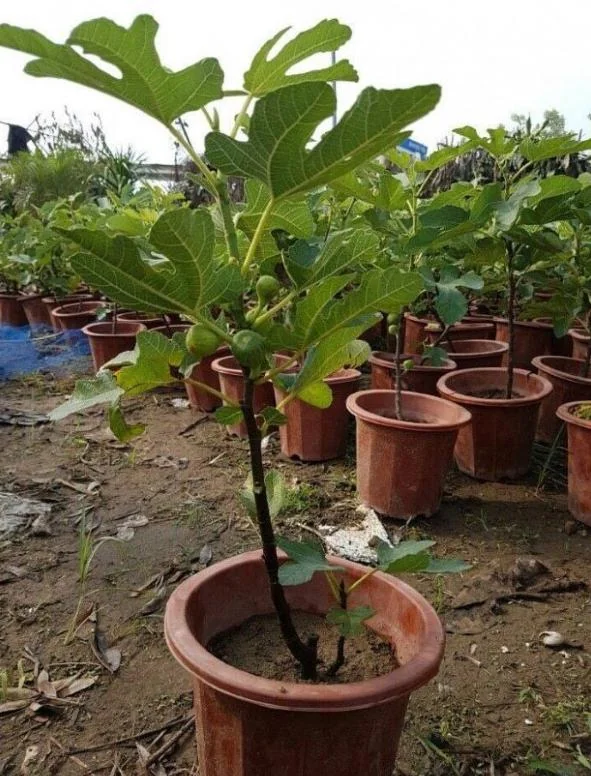
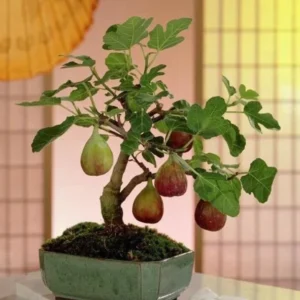
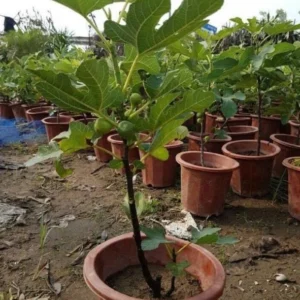
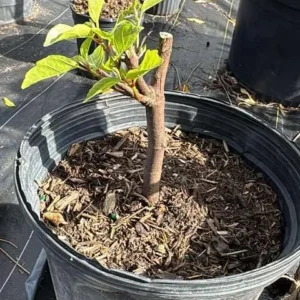
Vietnamese Fig Tree Live Plant – Fruit Bearing – 1-2 ft Tall – Gallon Pot – Outdoor
Bring the taste of the tropics to your garden with a Vietnamese fig tree live plant. This beautiful and productive plant, standing 1-2 ft tall, is ready to thrive outdoors and provide delicious, fresh figs. Enjoy easy care and a rewarding harvest from your own fruit bearing plant.
Original price was: $48.99.$44.09Current price is: $44.09.

With our Alive & Thrive Guarantee, we’ve got your back for the first 30 days! If you have any concerns about your plants, just reach out to us. Our team is here to help answer your questions and guide you in selecting the best plants for your garden, climate, and unique preferences. We're excited to help you create the garden of your dreams!
Estimated arrival
Apr 01
Apr 06 - Apr 08
Apr 11 - Apr 15
Product Details
-
USDA Hardiness Zone
USDA zones 7-10 -
Soil type
Well-draining soil, sandy loam -
Sunlight Exposure
Full sun (6-8 hours daily) -
Expected Planting Period
Spring to early summer
Overview
Cultivate your own delicious fruit with a Vietnamese fig tree live plant. This vibrant and productive specimen, standing approximately 1-2 ft tall, is perfect for home gardeners seeking to grow their own fresh figs. Known for its sweet and juicy fruits, the Vietnamese fig (a variety of Ficus carica) is a cherished addition to any edible landscape. This particular variety is celebrated for its vigorous growth and abundant yields, making it a rewarding choice for both novice and experienced growers. Our fig tree care guide will help you ensure a thriving plant that brings a touch of the exotic to your backyard. Experience the joy of growing figs at home and savor the unparalleled taste of freshly picked fruit.
The Vietnamese fig tree live plant is a wonderful investment for a sustainable garden, offering not just fruit but also aesthetic appeal with its lush foliage. It’s a robust plant that adapts well to various outdoor conditions, provided it receives adequate sunlight and proper care. Getting started with a young plant like this ensures quicker establishment and earlier fruit production compared to growing from seed. Discover the delight of a bountiful harvest with this exceptional fruit bearing plant.
Key Benefits
Adding a Vietnamese fig tree live plant to your garden offers numerous advantages, from fresh produce to ornamental beauty. This versatile plant provides a rewarding gardening experience:
- Fresh, Delicious Fruit: Enjoy an abundant supply of sweet, succulent figs directly from your garden. Homegrown figs often surpass store-bought varieties in flavor and freshness, making this fruit bearing plant a culinary delight.
- Ornamental Appeal: Beyond its fruit, the fig tree boasts attractive, lobed leaves that add a lush, Mediterranean feel to your landscape. It makes a beautiful focal point or addition to an edible garden design.
- Relatively Low Maintenance: Once established, the Ficus carica plant is quite resilient and requires moderate care, making it suitable for gardeners of various skill levels. Following basic fig tree care practices will ensure its health and productivity.
- Health Benefits: Figs are packed with fiber, vitamins, and minerals, contributing to a healthy diet. Having them fresh from your own tree means you’re getting the most nutritional value.
- Sustainable Gardening: Growing figs at home reduces your carbon footprint and provides a sustainable source of food, connecting you more closely with nature and your food supply.
- Long-Lived and Productive: With proper care, a fig tree can produce fruit for many years, becoming a lasting and valuable part of your garden.
Plant Care & Growing Tips
Caring for your Vietnamese fig tree live plant is straightforward and rewarding, leading to a healthy, fruit-producing specimen. The first step in successful fig tree care is selecting the right location. Figs thrive in full sun, requiring at least 6-8 hours of direct sunlight daily. Well-drained soil is crucial; sandy loam with a neutral to slightly alkaline pH is ideal. When planting, dig a hole that is twice as wide as the root ball and plant the tree at the same depth it was growing in its nursery pot. This ensures proper root development and establishment.
Watering is paramount during the establishment phase. Keep the soil consistently moist but never waterlogged. Once established, fig trees are relatively drought-tolerant, but regular watering during dry spells and fruit development will promote larger, juicier figs. Mulching around the base of the tree helps conserve soil moisture, regulate soil temperature, and suppress weeds. Fertilize your Ficus carica plant lightly in the spring with a balanced fertilizer, avoiding excessive nitrogen which can promote leafy growth at the expense of fruit production. Pruning should be done in late winter or early spring to shape the tree, remove any dead or weak branches, and encourage new fruiting wood. For those interested in growing figs at home, understanding these basic principles will lead to a successful harvest.
Protection from extreme cold is important in colder climates. While some fig varieties can tolerate mild frosts, consistent freezing temperatures can damage the plant. Consider planting in a sheltered location or providing winter protection if you live in a USDA zone at the lower end of its hardiness range. Vigilance for common pests and diseases, though generally minimal for figs, will also contribute to the overall health and productivity of your fruit bearing plant. With consistent attention to these care guidelines, your Vietnamese fig tree will flourish.
Size & Details
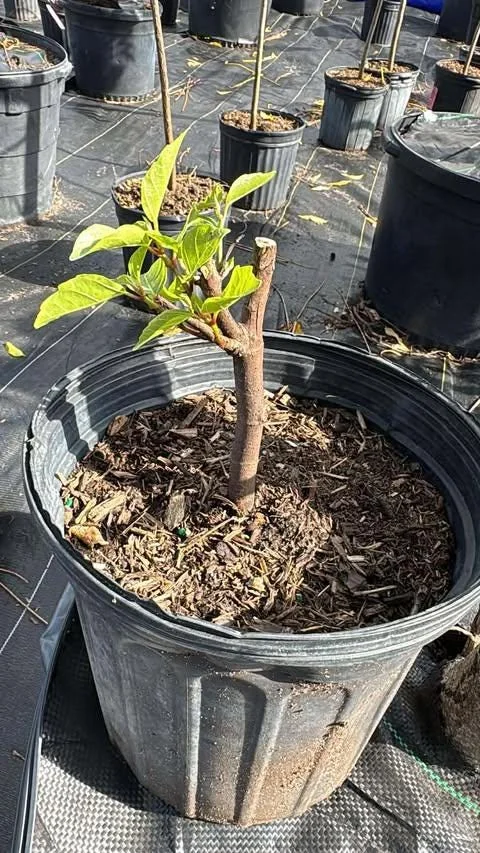
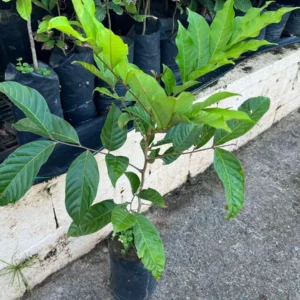
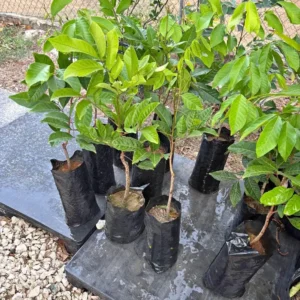
This Vietnamese fig tree live plant arrives as a well-rooted specimen, typically standing between 1-2 ft tall from the base of the soil to the top of the plant. It is grown in a 1-gallon nursery pot, providing a robust root system ready for transplanting into your garden or a larger container. The tree has already developed some branching, giving it a good head start for future growth. Expect a moderate growth rate, with the tree potentially reaching a mature height of 10-15 feet in optimal conditions, though it can be kept smaller with regular pruning. Fruit production can begin as early as the second or third year after planting, with peak yields increasing as the tree matures. This fruit bearing plant offers significant potential for a bountiful harvest season after season.
The lush green foliage adds an attractive element to any outdoor space, and the tree’s natural form is quite appealing. While specific mature dimensions depend on growing conditions and pruning practices, this young plant provides an excellent foundation for a healthy and productive fig tree. It is shipped carefully to ensure it arrives in the best possible condition, ready for its new home in your garden. This size is ideal for easy handling and quick establishment, making growing figs at home a more accessible and enjoyable experience.
Frequently Asked Questions
- Q: How big does this plant get? A: This Vietnamese fig tree live plant is 1-2 ft tall upon arrival. With proper care, it can reach a mature height of 10-15 feet, but can be maintained at a smaller size with regular pruning, making it versatile for various garden spaces.
- Q: What size pot does it come in? A: The plant is delivered in a 1-gallon nursery pot, providing a healthy root system ready for transplanting into your garden or a larger container.
- Q: Is this an indoor or outdoor plant? A: The Vietnamese fig tree live plant is primarily an outdoor plant, thriving in full sun. In colder climates (below USDA Zone 7), it can be grown in a large container and brought indoors during winter.
- Q: How much sunlight does it need? A: For optimal growth and fruit production, this Ficus carica plant requires full sun, meaning at least 6-8 hours of direct sunlight per day.
- Q: Is this plant easy to care for? A: Yes, with basic fig tree care, this plant is considered relatively easy to care for once established. It’s suitable for both beginner and experienced gardeners looking to try growing figs at home.
- Q: What condition will it arrive in? A: Your fruit bearing plant will arrive as a healthy, well-rooted specimen, carefully packaged to minimize stress during transit, ready for planting.
- Q: How long until it produces fruit? A: This young Vietnamese fig tree can start producing fruit as early as its second or third year after planting, with yields increasing significantly as the tree matures.
- Q: When is the best time to plant? A: The best time to plant your Vietnamese fig tree is in the spring after the danger of the last frost has passed, or in early fall in warmer climates.
- Q: What’s the minimum temperature this fig tree can withstand? A: While fig trees can tolerate some cold, this variety generally prefers USDA Zones 7-10. In colder zones, winter protection or container growing with indoor overwintering is recommended to protect the Vietnamese fig tree live plant.
- Q: What kind of soil does it prefer? A: This fig tree thrives in well-draining soil, ideally a sandy loam, with a neutral to slightly alkaline pH. Good drainage is essential to prevent root rot.
Related products
-20%
Original price was: $80.00.$64.00Current price is: $64.00.
-10%
Original price was: $158.00.$142.20Current price is: $142.20.
-20%
Original price was: $32.00.$25.60Current price is: $25.60.
-10%
Original price was: $28.99.$26.09Current price is: $26.09.
-20%
Original price was: $60.00.$48.00Current price is: $48.00.
-10%
Original price was: $89.99.$80.99Current price is: $80.99.
-49%
Original price was: $59.38.$29.99Current price is: $29.99.
PLANTING & CARE

Growing Glencoe Raspberry: A Complete Guide for Gardeners
If you’re looking to add something unique to your garden, look no further than the
31
Mar
Mar

The Comprehensive Guide to Growing Bay Leaf Plants for a Flavorful Garden
Imagine stepping into your garden, greeted by the earthy aroma of fresh bay leaves, their
09
Feb
Feb

How to Make Comfrey Tea: The Ultimate Organic Plant Food
Growing an organic garden can be surprisingly expensive, especially when most store-bought fertilizers come in
02
Feb
Feb

True Comfrey: 7 Essential Tips Before You Plant This Herb
A staple in permaculture practices across the US, True Comfrey easily earns its reputation as
27
Jan
Jan

7 Heart-Shaped Plants for a Lasting Valentine’s Gift
If you’ve ever bought a bouquet of roses for Valentine’s Day, you know they are
26
Jan
Jan

Best Types of Ivy Plant for Houses: How to Choose the Perfect Ones for Your Home
Are you a garden lover looking to introduce some greenery into your home? Maybe you’ve
14
Nov
Nov

When to Harvest Garlic (Especially Fall-Planted Garlic)
TIMING IS EVERYTHING, they say – and for garlic, that truth hits with surprising accuracy.
13
Nov
Nov

11 of the Best Sweet Potato Varieties to Grow for Your Garden
If you’ve ever tried growing sweet potatoes, you know that picking the right variety can
12
Nov
Nov