Vietnamese Large Leaf Coriander Seeds – 1000 Seed Pack for Planting
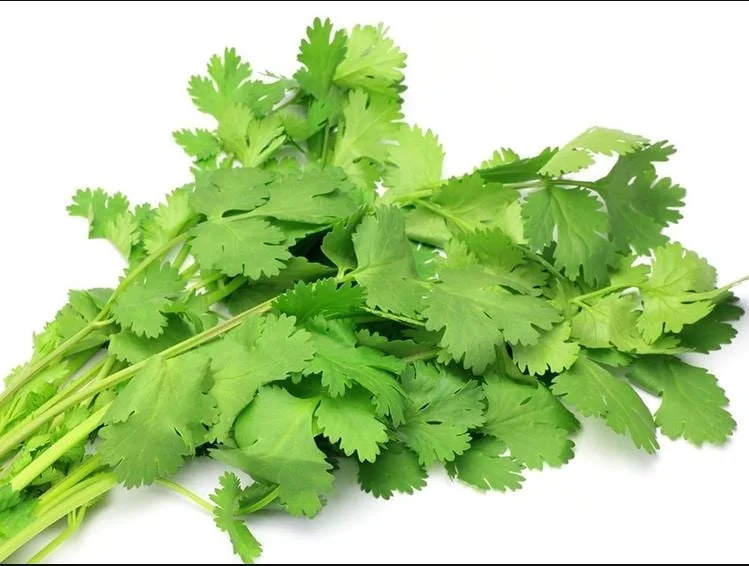
Vietnamese Large Leaf Coriander Seeds – 1000 Seed Pack for Planting
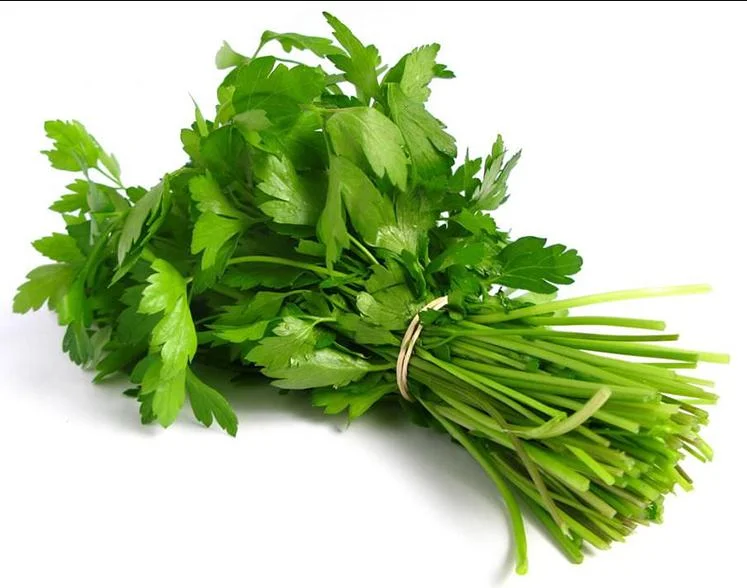
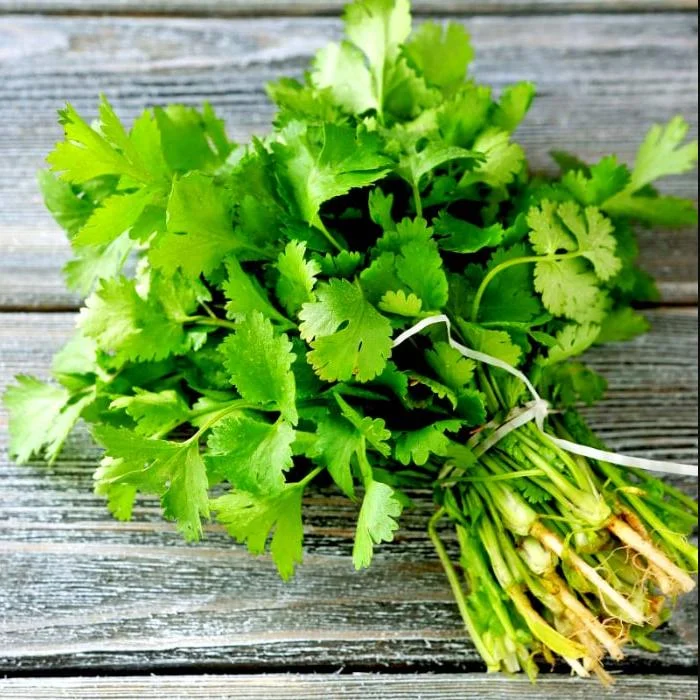
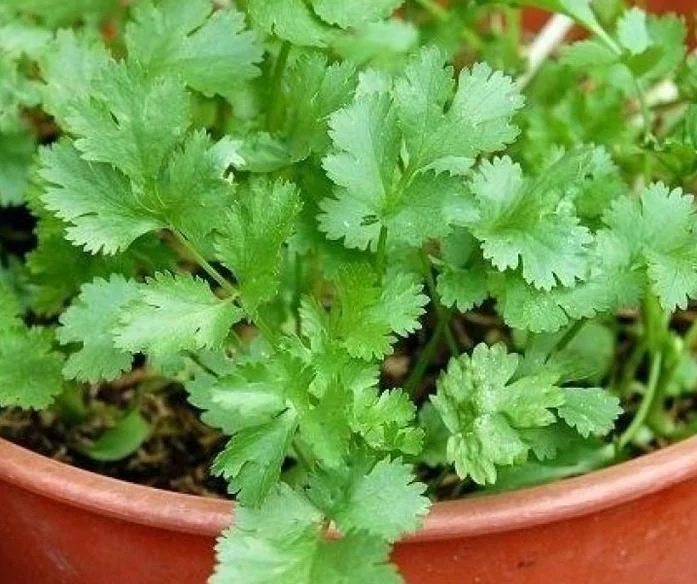
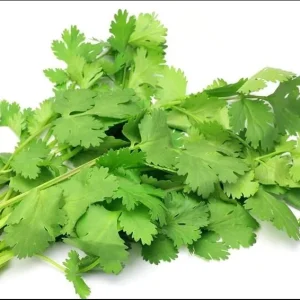
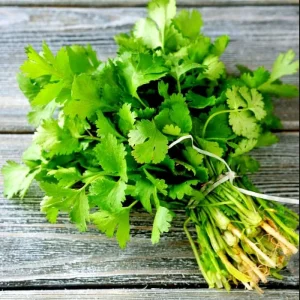
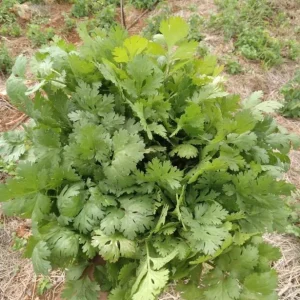
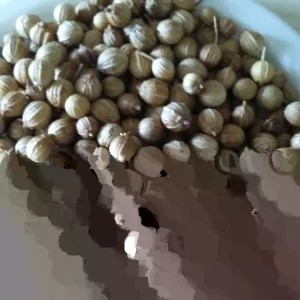
Cultivate fresh, aromatic Vietnamese large leaf coriander seeds right in your garden or on your patio. This pack contains approximately 1000 high-quality seeds, perfect for continuous harvesting of delicious cilantro. Easy to grow for both beginners and experienced gardeners.
$6.99

With our Alive & Thrive Guarantee, we’ve got your back for the first 30 days! If you have any concerns about your plants, just reach out to us. Our team is here to help answer your questions and guide you in selecting the best plants for your garden, climate, and unique preferences. We're excited to help you create the garden of your dreams!
Estimated arrival
Mar 22
Mar 27 - Mar 29
Apr 01 - Apr 05



Product Details
-
USDA Hardiness Zone
Annual in most zones; Perennial in USDA zones 9-11 -
Soil type
Loose, fertile, well-draining soil -
Sunlight Exposure
Full sun to partial shade -
Expected Planting Period
Spring and Fall
Overview
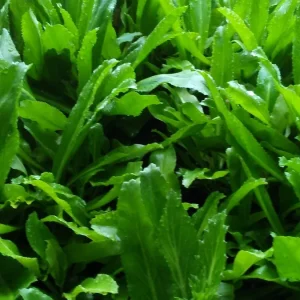
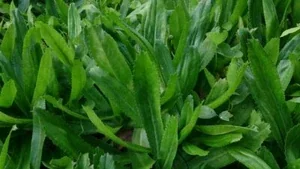
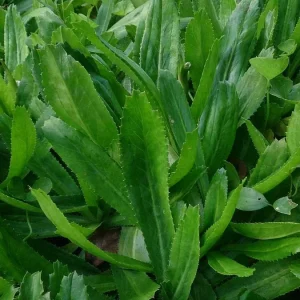
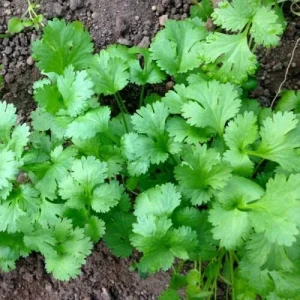
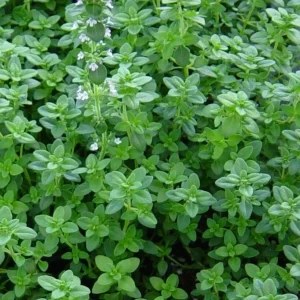
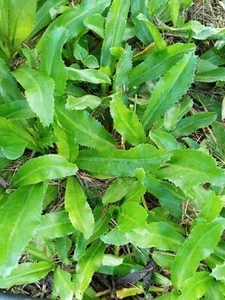
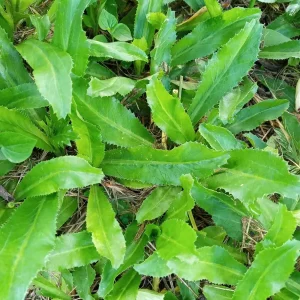
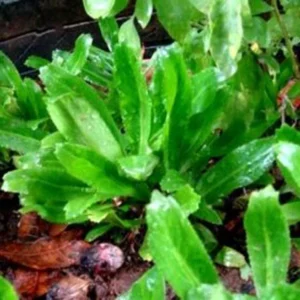
Embark on a culinary adventure by growing your own flavorful Vietnamese large leaf coriander seeds. This generous pack contains approximately 1000 premium seeds, providing an abundant supply for all your gardening and cooking needs. Also known as Vietnamese cilantro or just cilantro, this variety is prized for its robust flavor and larger leaves compared to common cilantro, making it a favorite in Southeast Asian cuisine. Whether you’re a seasoned gardener or just starting, these seeds offer an accessible way to cultivate a thriving patch of this versatile herb. Enjoy the satisfaction of harvesting fresh, aromatic leaves directly from your garden, ensuring the freshest ingredients for your dishes.
These cilantro for planting seeds are perfect for anyone looking to add an exotic and essential herb to their home garden. The vigorous growth and distinctive taste of large leaf coriander will elevate your cooking, from vibrant salads to savory stir-fries and aromatic soups. Experience the joy of nurturing your own herbs from seed to plate, and discover why this particular variety is so highly sought after by chefs and home cooks alike.
Key Benefits
Growing your own Vietnamese large leaf coriander seeds offers numerous advantages, enhancing both your garden and your kitchen:
- Abundant Harvest: With approximately 1000 seeds, you can ensure a continuous supply of fresh coriander throughout the growing season through succession planting, allowing for multiple harvests.
- Exceptional Flavor Profile: This variety is known for its strong, distinct aroma and flavor, which is a staple in many traditional Vietnamese and other Asian dishes, offering a more intense taste than regular cilantro.
- Versatile Culinary Use: Fresh leaves can be used in a wide array of recipes, including pho, curries, salads, salsas, and garnishes, adding a fresh, zesty note to any meal.
- Easy to Grow: How to grow cilantro from seed is straightforward, making these seeds suitable for gardeners of all experience levels, even those new to herb cultivation.
- Supports Healthy Eating: Having fresh herbs readily available encourages healthier cooking habits and allows you to control the quality of ingredients in your meals.
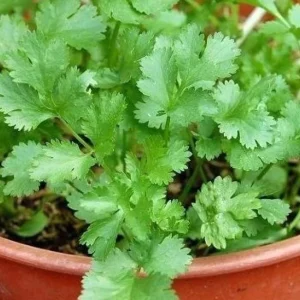
- Container Friendly: These cilantro for planting seeds thrive equally well in garden beds or containers, making them ideal for urban gardeners, balconies, or windowsills.
- Bolting Resistance: While all cilantro can bolt in hot weather, proper care and planting practices can help extend the harvest period of this robust large leaf coriander.
Plant Care & Growing Tips
Cultivating vibrant Vietnamese large leaf coriander seeds is a rewarding experience with a few key care considerations. Start by preparing your seeds: lightly crush them to split the two seeds contained within each husk, and then soak them in warm water for 8-12 hours to encourage faster germination. The ideal planting times are spring and fall, avoiding the heat of summer which can cause premature bolting. Ensure your soil temperature is between 59-77°F (15-25°C) for optimal growth.
For soil, choose a loose, fertile, and well-drained medium. Amending with compost or aged manure will provide essential nutrients, and aim for a soil pH between 6.0-7.0. You can direct sow these cilantro for planting seeds in garden beds or containers. In beds, sow ¼-½ inch deep, with rows 8-12 inches apart and seeds 1 inch apart, thinning later to 3-5 inches. For containers, use pots at least 6-8 inches deep, sowing seeds evenly and covering lightly. Keep the soil consistently moist but never soggy, using a fine spray to avoid disturbing young seedlings. Mulching can help retain moisture and suppress weeds. Full sun (6+ hours daily) is preferred, but in hotter climates, provide light afternoon shade to prevent bolting. Fertilization is optional if your soil is rich, but for longer crops, a diluted liquid fish or seaweed fertilizer every 2-3 weeks can be beneficial. Understanding how to grow cilantro from seed effectively ensures a bountiful harvest.
Harvesting can begin 30-35 days after planting. Cut the outer leaves 1-2 inches above the soil, allowing the center to regrow for continuous production. Avoid cutting the crown. If you desire seeds (coriander spice), let the plants flower and form seeds, which typically takes around 90 days. Once the seed heads turn brown, cut and dry them upside down to collect the seeds. For ongoing harvests of fresh leaves, practice succession planting by sowing a new batch of large leaf coriander every 2-3 weeks. Watch out for aphids, which can be managed with neem oil or soapy water. Prevent bolting by maintaining consistent moisture, mulching, and avoiding extreme heat. Ensure good drainage to prevent root rot, especially for those interested in growing Vietnamese herbs.
Size & Details
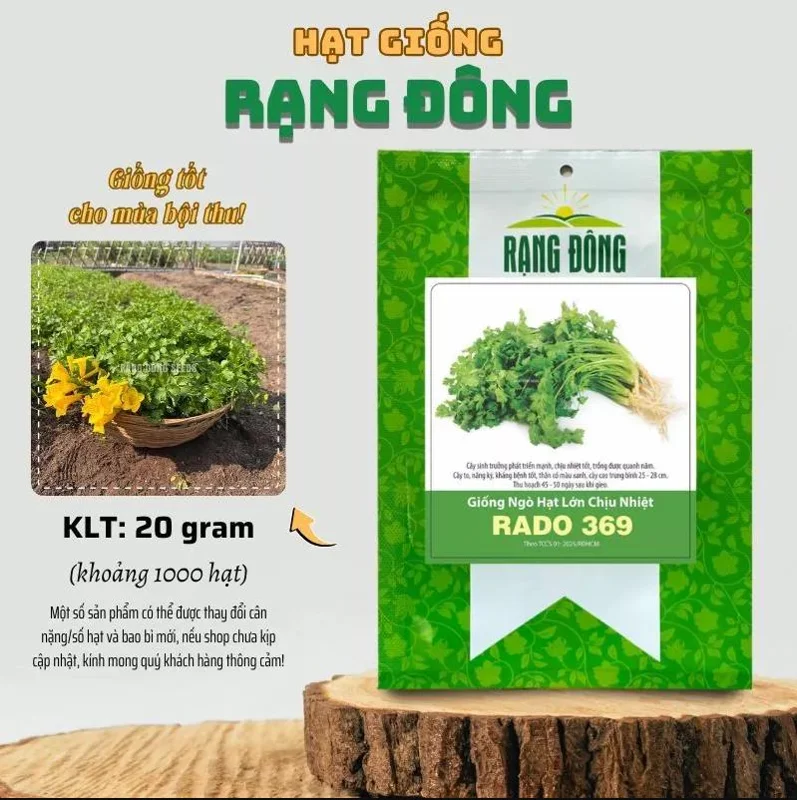
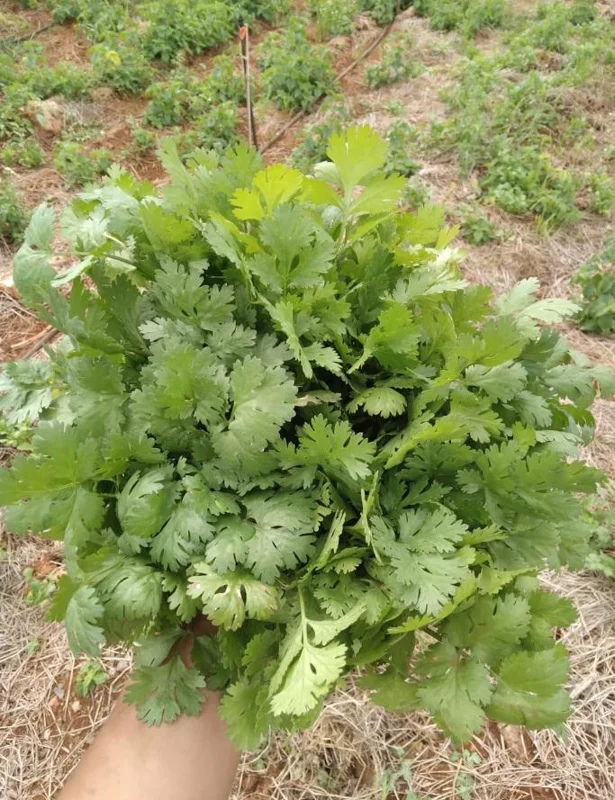
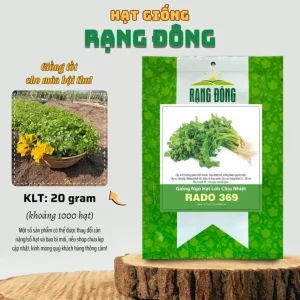
This product includes approximately 1000 high-quality Vietnamese large leaf coriander seeds, packaged for optimal freshness and viability. Each seed is capable of producing a robust plant that typically grows 12-18 inches tall, with a spread of 6-12 inches, depending on growing conditions and harvesting frequency. The plant has a relatively fast growth rate, allowing for the first harvest of leaves within 30-35 days after planting. If allowed to flower and go to seed, the plant will mature in approximately 90 days.
The seeds are suitable for direct sowing in garden beds, raised beds, or containers, offering flexibility for various gardening spaces. They are ideal for gardeners seeking a continuous supply of fresh cilantro through succession planting. The package weight is approximately 20 grams, ensuring a substantial quantity for multiple planting cycles. This makes it an excellent choice for individuals interested in cilantro for planting that provides long-term yields.
Frequently Asked Questions
- Q: How big does this plant get? A: Vietnamese Large Leaf Coriander plants typically grow to a height of 12-18 inches (30-45 cm) and can spread about 6-12 inches (15-30 cm) wide, depending on growing conditions and how often you harvest the leaves.
- Q: Is this an indoor or outdoor plant? A: While it thrives outdoors in garden beds, this Vietnamese large leaf coriander seeds variety can also be successfully grown indoors in containers on windowsills or balconies, provided it receives adequate sunlight.
- Q: How much sunlight does it need? A: For best results, growing Vietnamese herbs like this cilantro requires full sun, meaning at least 6 hours of direct sunlight daily. In very hot climates, a little afternoon shade can help prevent bolting.
- Q: Is this plant easy to care for? Is it good for beginners? A: Yes, cilantro is generally considered easy to grow from seed and is suitable for beginners. Providing well-drained soil, consistent moisture, and adequate sunlight are the main requirements for success with how to grow cilantro from seed.
- Q: What condition will the seeds arrive in? A: The seeds will arrive as dry, viable seeds, ready for planting. They are carefully packaged to ensure their quality and readiness for germination.
- Q: Can I use this large leaf coriander in cooking? A: Absolutely! This variety is specifically prized for its culinary uses, particularly in Southeast Asian dishes like pho, spring rolls, and various curries, offering a distinct and robust flavor.
- Q: When is the best time to plant these seeds? A: The best times to plant cilantro for planting are in the spring and fall. Avoid planting during the hottest summer months, as high temperatures can cause the plant to bolt prematurely.
- Q: How long until I can harvest the leaves? A: You can typically start harvesting the first fresh leaves from your large leaf coriander plants within 30-35 days after planting, allowing for quick enjoyment of your homegrown herb.
- Q: What is the ideal soil temperature for germination? A: The ideal soil temperature for germinating these seeds is between 59-77°F (15-25°C). Soaking the seeds beforehand can help speed up the germination process.
- Q: Will it survive winter in my zone? A: Cilantro is typically grown as an annual. In colder climates, it will not survive winter outdoors. In mild climates, it might overwinter, but it’s generally best to replant each season for fresh leaves.
Related products


PLANTING & CARE

The Comprehensive Guide to Growing Bay Leaf Plants for a Flavorful Garden
Imagine stepping into your garden, greeted by the earthy aroma of fresh bay leaves, their
09
Feb
Feb

How to Make Comfrey Tea: The Ultimate Organic Plant Food
Growing an organic garden can be surprisingly expensive, especially when most store-bought fertilizers come in
02
Feb
Feb

True Comfrey: 7 Essential Tips Before You Plant This Herb
A staple in permaculture practices across the US, True Comfrey easily earns its reputation as
27
Jan
Jan

7 Heart-Shaped Plants for a Lasting Valentine’s Gift
If you’ve ever bought a bouquet of roses for Valentine’s Day, you know they are
26
Jan
Jan

Best Types of Ivy Plant for Houses: How to Choose the Perfect Ones for Your Home
Are you a garden lover looking to introduce some greenery into your home? Maybe you’ve
14
Nov
Nov

When to Harvest Garlic (Especially Fall-Planted Garlic)
TIMING IS EVERYTHING, they say – and for garlic, that truth hits with surprising accuracy.
13
Nov
Nov

11 of the Best Sweet Potato Varieties to Grow for Your Garden
If you’ve ever tried growing sweet potatoes, you know that picking the right variety can
12
Nov
Nov
Pruning Bougainvillea for Winter
Bougainvillea vines are known for their dazzling display of magenta, orange, and fuchsia bracts that
05
Nov
Nov