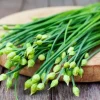
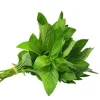
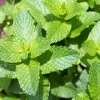
Vietnamese Mint Seeds – Elsholtzia Ciliata Herb Seeds for Planting, 1 Gr (1800 Seeds)
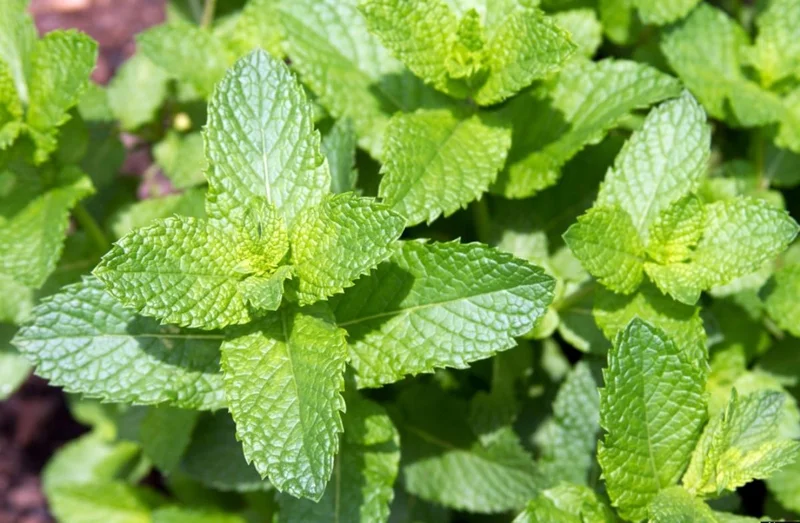
Vietnamese Mint Seeds – Elsholtzia Ciliata Herb Seeds for Planting, 1 Gr (1800 Seeds)
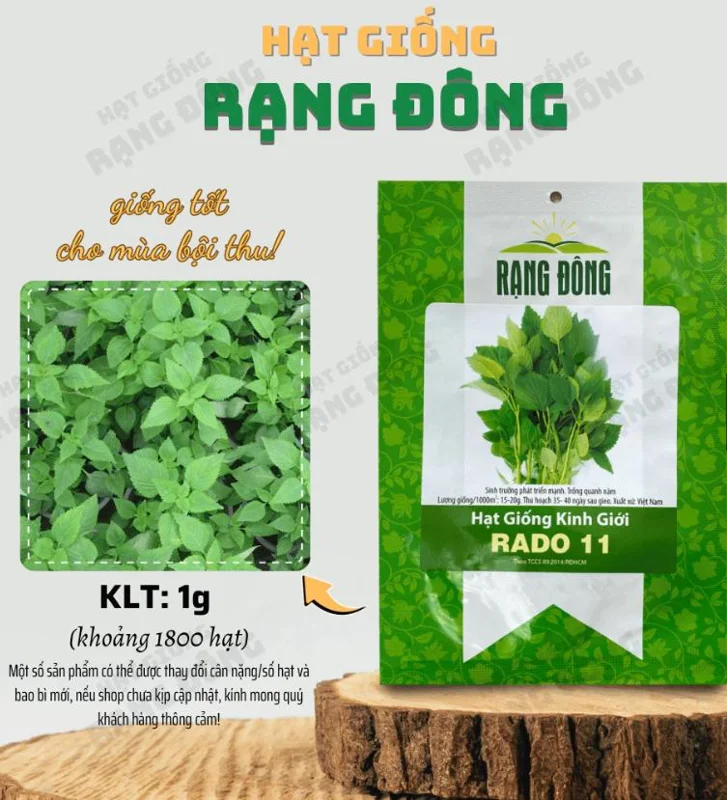
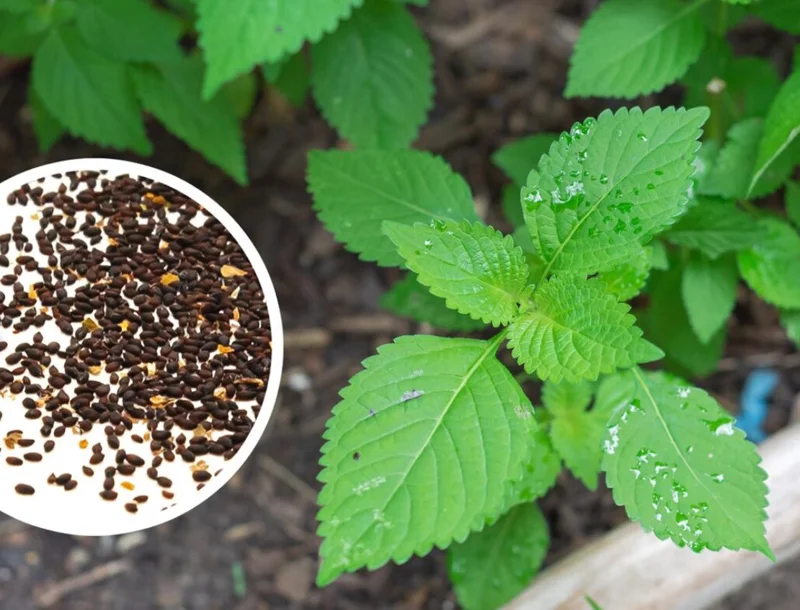
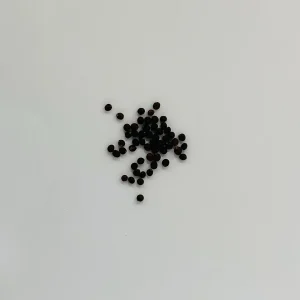
Cultivate fresh vietnamese mint seeds (Elsholtzia Ciliata) in your garden. This packet contains approximately 1800 high-quality seeds for planting. Enjoy the fragrant leaves of this popular asian herb seeds for culinary dishes or as an aromatic addition to your plant collection. Ideal for both beginners and experienced gardeners.
$6.99

With our Alive & Thrive Guarantee, we’ve got your back for the first 30 days! If you have any concerns about your plants, just reach out to us. Our team is here to help answer your questions and guide you in selecting the best plants for your garden, climate, and unique preferences. We're excited to help you create the garden of your dreams!
Estimated arrival
Apr 12
Apr 17 - Apr 19
Apr 22 - Apr 26


Product Details
-
USDA Hardiness Zone
USDA Zones 9-11 (Perennial), Annual in colder zones -
Soil type
Well-draining, loamy soil with moderate fertility -
Sunlight Exposure
Full sun to partial shade (at least 4-6 hours daily) -
Expected Planting Period
Spring to early summer
Overview
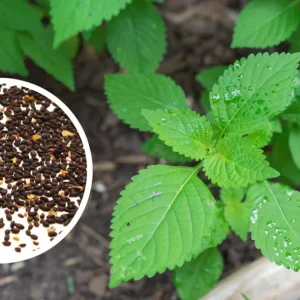
Cultivate the distinctive flavor and aroma of vietnamese mint seeds (Elsholtzia Ciliata), also widely known as Vietnamese Balm. This generous packet contains approximately 1 gram, which translates to around 1800 high-quality seeds, providing ample opportunity to establish a thriving patch of this beloved culinary herb. Originating from Asia, this herbaceous perennial is a staple in Vietnamese cuisine, offering a unique peppery, citrusy, and minty flavor profile that elevates a wide range of dishes. Growing your own vietnamese mint seeds allows you to enjoy fresh, organic produce right from your garden, ensuring the highest quality for your culinary endeavors. These seeds are perfect for gardeners looking to explore exotic flavors or expand their herb collection with a versatile and fragrant plant.
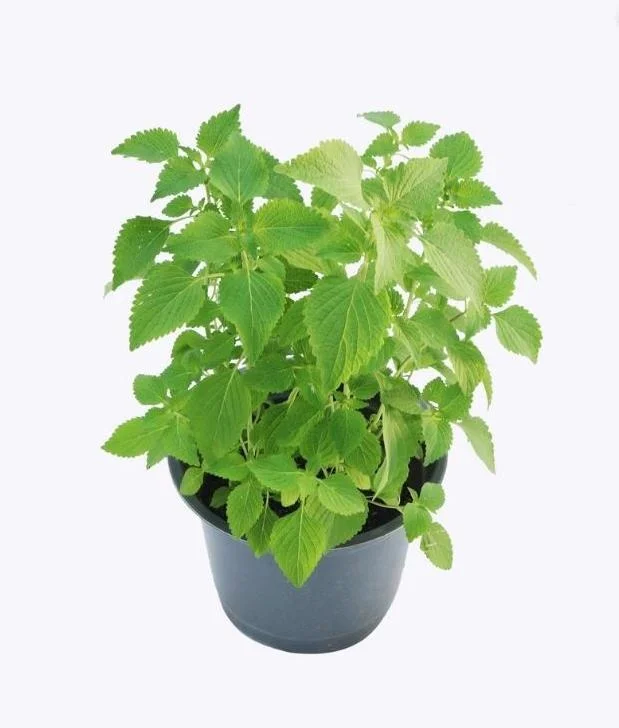
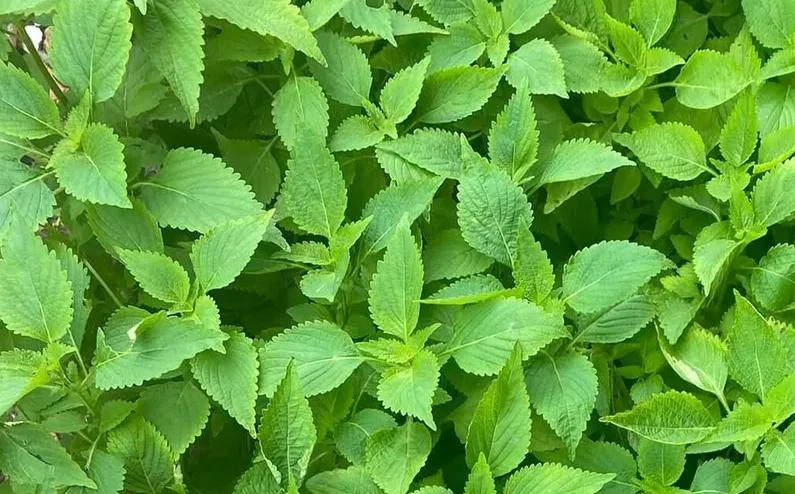
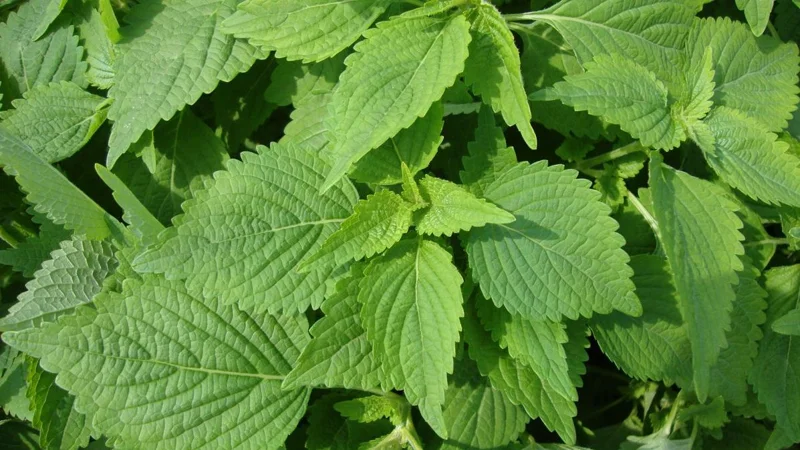
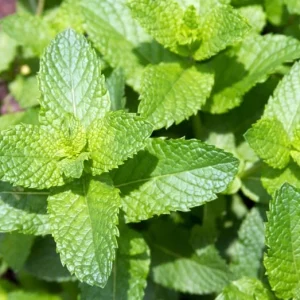
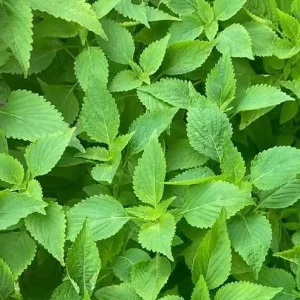
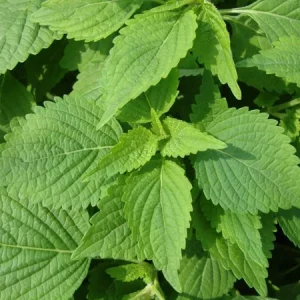
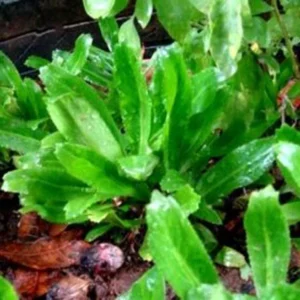
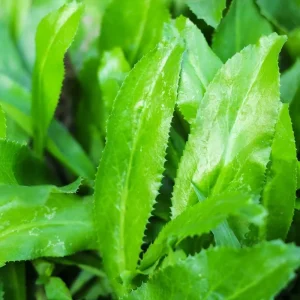
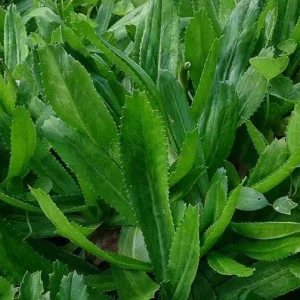
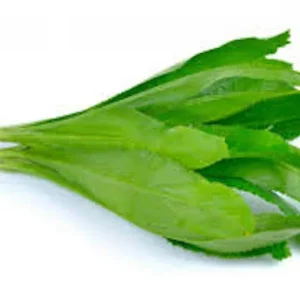
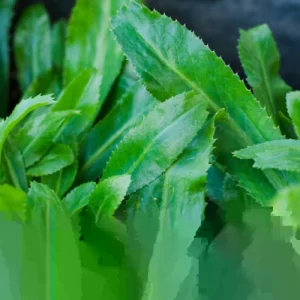
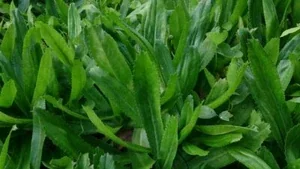
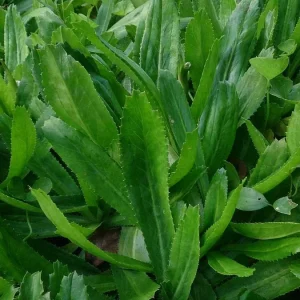
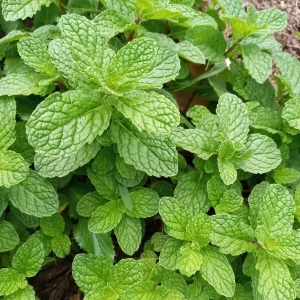
Elsholtzia Ciliata seeds are relatively easy to germinate and grow, making them suitable for gardeners of all experience levels. The plant itself is characterized by its vibrant green, serrated leaves and a delightful fragrance that can fill your garden. Whether you’re planning a dedicated herb garden, integrating it into mixed borders, or growing it in containers on a patio, this plant offers both aesthetic appeal and practical utility. The robust nature of the Vietnamese Mint ensures a bountiful harvest, allowing you to regularly incorporate its fresh leaves into salads, soups, and traditional Asian recipes. Discover the joy of nurturing this fascinating herb from seed to plate.
Key Benefits
Growing vietnamese mint seeds offers a multitude of benefits, from enhancing your culinary skills to adding an aromatic touch to your garden. This herb is not only delicious but also contributes to a vibrant and productive green space. The ease of cultivation makes it a rewarding choice for any home gardener.
- Fresh Culinary Ingredient: Harvest fresh vietnamese mint seeds (Elsholtzia Ciliata) leaves for authentic Asian dishes like pho, spring rolls, and salads. Its unique flavor profile is irreplaceable, offering a blend of mint, lemon, and pepper that brightens any meal.
- Aromatic Garden Addition: The fragrant foliage of Vietnamese Mint releases a pleasant scent, creating an inviting atmosphere in your garden or patio. It’s a wonderful plant to brush against, releasing its distinctive aroma.
- Easy to Grow from Seed: These seeds are known for their good germination rates and straightforward cultivation process, making them an excellent project for both novice and experienced gardeners. Follow simple instructions to successfully grow vietnamese mint from scratch.
- Versatile Plant: Ideal for garden beds, container gardening, or even as an attractive ground cover in suitable climates. Its adaptability allows it to thrive in various settings, providing continuous harvests.
- Bountiful Harvests: Once established, Vietnamese Mint produces abundant foliage, allowing for frequent harvesting throughout the growing season. This ensures a steady supply for all your culinary needs.
- Supports Biodiversity: While primarily grown for culinary use, the plant can attract beneficial insects to your garden, contributing to a healthier ecosystem.
- Educational Experience: Growing asian herb seeds from seed provides a valuable educational experience, connecting you directly with your food source and the natural world.
Plant Care & Growing Tips
Successful cultivation of vietnamese mint seeds begins with proper germination and continues with attentive care. To encourage faster germination, an optional but helpful step is to soak the seeds in warm water for 6–12 hours before sowing. Prepare seed trays or pots with a moist, well-draining seed-starting mix, gently pressing the soil to create a flat surface. Surface-sow the seeds lightly across the surface; do not cover them heavily with soil as these seeds require light to germinate. Mist lightly with water to settle them in. Maintain germination conditions with a temperature of 68–75°F (20–24°C) and provide bright indirect light or place them under grow lights. Keep the soil consistently moist but not soggy, using a humidity dome or plastic wrap to retain moisture. Germination typically occurs within 7–14 days, sometimes faster in warmer conditions.
Once seedlings have developed 2–3 true leaves, they are ready for thinning or transplanting. Thin them to 4–6 inches apart or transplant into individual pots or garden beds. If moving outdoors, remember to harden off the seedlings by gradually acclimating them to outside conditions over 5–7 days. For mature plants, provide full sun to partial shade, ensuring at least 4–6 hours of sunlight daily. The ideal soil is well-drained, loamy, and has moderate fertility. Maintain consistent moisture in the soil, but avoid waterlogging; allow the top layer to dry slightly between waterings. Regular harvesting will encourage bushier growth and prevent the plant from flowering too early, extending your harvest of fresh elsholtzia ciliata seeds foliage. Proper care ensures a continuous supply of this fragrant herb.
While growing vietnamese balm seeds, it’s important to monitor for common pests and diseases. Generally, Vietnamese Mint is quite resilient, but good air circulation and appropriate watering practices can prevent issues like powdery mildew. Fertilize sparingly with a balanced liquid fertilizer during the growing season to support vigorous growth. In colder climates, Vietnamese Mint can be grown as an annual or brought indoors during winter months to protect it from frost. With these care tips, you can enjoy a robust and productive patch of this wonderful asian herb seeds for many seasons.
Size & Details
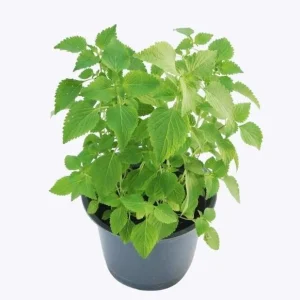
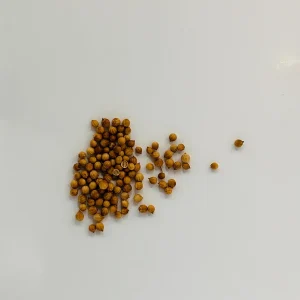
This product includes approximately 1 gram of vietnamese mint seeds (Elsholtzia Ciliata), which equates to roughly 1800 individual seeds, providing an abundant supply for multiple planting cycles or larger garden projects. Each seed is carefully selected to ensure high viability and germination rates, typically sprouting within 7–14 days under optimal conditions. Mature plants usually reach a height of 12-24 inches (30-60 cm) and can spread similarly, forming a dense, bushy habit when given adequate space.
The seeds are packaged to maintain freshness and are suitable for planting in a variety of settings, including outdoor garden beds, raised garden boxes, or containers. Expect continuous growth throughout the warm seasons, with leaves ready for harvest once the plant is established and has several sets of true leaves. This ensures a steady supply of fresh elsholtzia ciliata seeds for all your culinary and aromatic needs. The mature plant is a vigorous grower, offering a rewarding experience for any gardener.
Frequently Asked Questions
- Q: How big does Vietnamese Mint get? A: Vietnamese mint seeds (Elsholtzia Ciliata) typically grow to a height of 12-24 inches (30-60 cm) and can spread similarly, forming a bushy plant. Its size can be managed through regular harvesting and pruning.
- Q: Is this an indoor or outdoor plant? A: Vietnamese Mint can be grown both indoors and outdoors. It thrives outdoors in warm climates (USDA Zones 9-11) and can be grown as an annual or brought indoors during winter in colder regions. When grown indoors, ensure it receives bright indirect light.
- Q: How much sunlight does it need? A: For optimal growth, elsholtzia ciliata seeds plants require full sun to partial shade, meaning at least 4-6 hours of direct sunlight daily. In very hot climates, some afternoon shade can be beneficial.
- Q: Is this plant easy to care for? A: Yes, Vietnamese Mint is generally considered easy to care for, making it suitable for beginners. It requires consistent moisture and well-draining soil, but is otherwise low-maintenance.
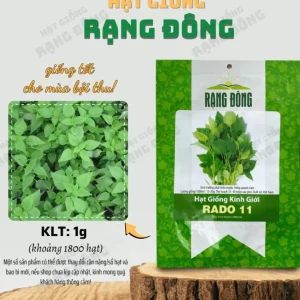
- Q: What condition will the seeds arrive in? A: The seeds will arrive in a sealed packet, ensuring their freshness and viability. They are ready for planting upon arrival.
- Q: Can I use Vietnamese Mint in cooking? A: Absolutely! Vietnamese mint seeds are a popular culinary herb, a staple in Vietnamese and other Asian cuisines. Its leaves add a unique, pungent, and minty flavor to salads, soups, and spring rolls.
- Q: When is the best time to plant these seeds? A: The best time to plant asian herb seeds is in spring after the last frost, or indoors 6-8 weeks before the last frost date. They prefer warm soil temperatures for germination and growth.
- Q: What type of soil does Vietnamese Mint prefer? A: Vietnamese Mint thrives in well-drained, loamy soil with moderate fertility. Ensure the soil remains consistently moist but not waterlogged.
- Q: How long until I can harvest the leaves? A: You can typically start harvesting leaves from your vietnamese balm seeds plants once they are established and have several sets of true leaves, usually a few weeks after transplanting. Regular harvesting encourages more growth.
- Q: Will it survive winter in my zone? A: In USDA Zones 9-11, Vietnamese Mint can survive winter outdoors as a perennial. In colder zones, it is best grown as an annual or brought indoors before the first frost.
Related products
-50%
Original price was: $32.00.$16.00Current price is: $16.00.

-50%
Original price was: $32.00.$16.00Current price is: $16.00.
-50%
Original price was: $32.00.$16.00Current price is: $16.00.
PLANTING & CARE
Growing Glencoe Raspberry: A Complete Guide for Gardeners
If you’re looking to add something unique to your garden, look no further than the
31
Mar
Mar

The Comprehensive Guide to Growing Bay Leaf Plants for a Flavorful Garden
Imagine stepping into your garden, greeted by the earthy aroma of fresh bay leaves, their
09
Feb
Feb

How to Make Comfrey Tea: The Ultimate Organic Plant Food
Growing an organic garden can be surprisingly expensive, especially when most store-bought fertilizers come in
02
Feb
Feb

True Comfrey: 7 Essential Tips Before You Plant This Herb
A staple in permaculture practices across the US, True Comfrey easily earns its reputation as
27
Jan
Jan

7 Heart-Shaped Plants for a Lasting Valentine’s Gift
If you’ve ever bought a bouquet of roses for Valentine’s Day, you know they are
26
Jan
Jan

Best Types of Ivy Plant for Houses: How to Choose the Perfect Ones for Your Home
Are you a garden lover looking to introduce some greenery into your home? Maybe you’ve
14
Nov
Nov

When to Harvest Garlic (Especially Fall-Planted Garlic)
TIMING IS EVERYTHING, they say – and for garlic, that truth hits with surprising accuracy.
13
Nov
Nov

11 of the Best Sweet Potato Varieties to Grow for Your Garden
If you’ve ever tried growing sweet potatoes, you know that picking the right variety can
12
Nov
Nov