Vietnamese Taro Plant Bac Ha Doc Mung Thai Elephant Ear Live Plant 8 inches
-50%




Vietnamese Taro Plant Bac Ha Doc Mung Thai Elephant Ear Live Plant 8 inches
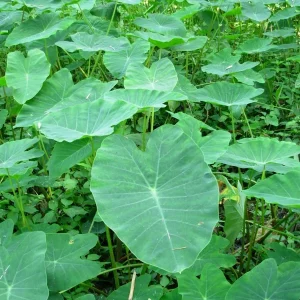
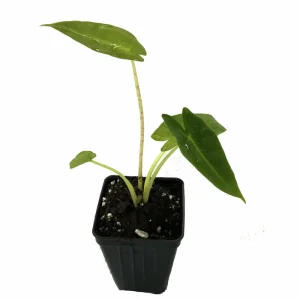
Bring a touch of the tropics to your home with this vibrant Vietnamese Taro Plant. Also known as Bac Ha Doc Mung or Thai Elephant Ear, this 8-inch live plant is ideal for both indoor and outdoor settings, offering lush, eye-catching foliage.
Original price was: $42.76.$21.38Current price is: $21.38.

With our Alive & Thrive Guarantee, we’ve got your back for the first 30 days! If you have any concerns about your plants, just reach out to us. Our team is here to help answer your questions and guide you in selecting the best plants for your garden, climate, and unique preferences. We're excited to help you create the garden of your dreams!
Estimated arrival
Mar 13
Mar 18 - Mar 20
Mar 23 - Mar 27

Product Details
-
USDA Hardiness Zone
8-11 -
Soil type
Rich, well-draining potting mix -
Sunlight Exposure
Partial Shade to Full Sun -
Expected Planting Period
Spring to Early Summer (Outdoors), Year-round (Indoors)
Overview
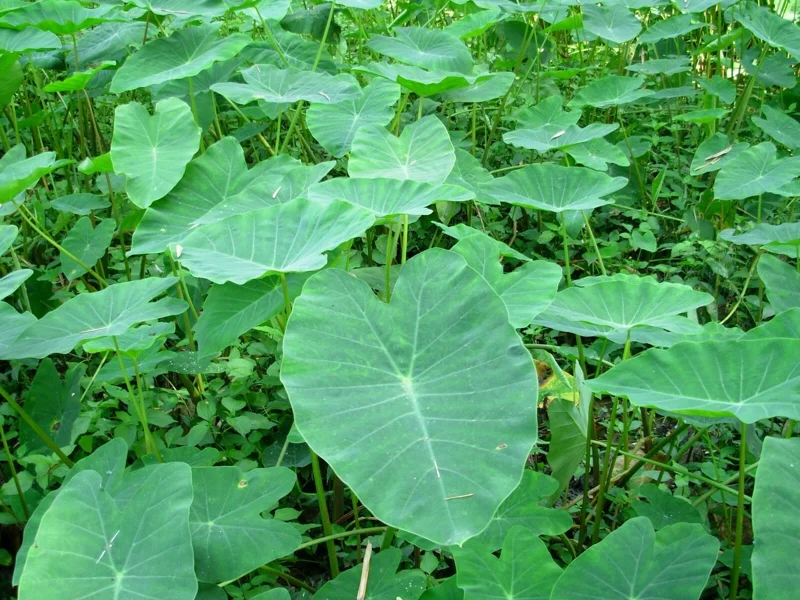
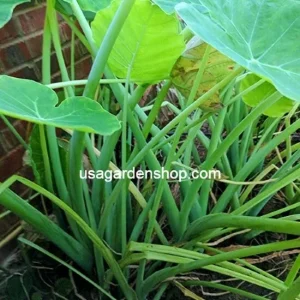
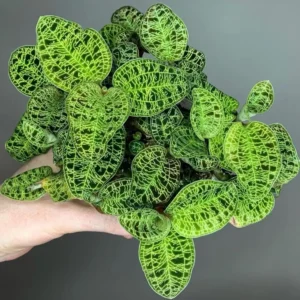
Introduce a dramatic tropical flair to your living space or garden with the stunning Vietnamese Taro Plant. This particular variety, often referred to as Bac Ha Doc Mung or Thai Elephant Ear, is a captivating live plant known for its impressively large, heart-shaped leaves that resemble an elephant’s ear. Measuring approximately 8 inches in length upon arrival, this young plant promises vigorous growth and a lush, vibrant display. Whether you’re an experienced gardener or just starting, the unique aesthetic of the Thai Elephant Ear makes it a focal point in any plant collection. It thrives in various climates, demonstrating its adaptability and resilience. This versatile plant can be grown both indoors, as a striking houseplant, or outdoors in suitable warm environments, adding an exotic touch to your landscape.
The Vietnamese Taro Plant is not only admired for its ornamental value but also for its cultural significance in many regions. Its robust growth habit and distinctive foliage make it a popular choice for those seeking a bold statement plant. As a Bac Ha Doc Mung cultivar, it is recognized for its specific characteristics that distinguish it from other taro varieties. This plant offers a dynamic presence, growing rapidly to fill its space with rich green hues. Embrace the beauty and vitality of this magnificent tropical specimen.
Key Benefits
The Vietnamese Taro Plant offers a multitude of benefits, making it an excellent addition to any plant enthusiast’s collection. Its striking appearance and adaptable nature contribute to its widespread appeal, ensuring a rewarding growing experience.
- Dramatic Foliage: The most prominent feature of the Thai Elephant Ear is its large, lush, heart-shaped leaves that can grow quite big, creating a bold, tropical statement in any setting. These leaves provide a vibrant green backdrop that instantly elevates the aesthetic of your space.
- Versatile Placement: This plant is suitable for both indoor and outdoor cultivation, provided the climate conditions are met. Indoors, it acts as a magnificent focal point, while outdoors, it can transform garden beds or patios into a lush paradise.
- Fast Growth Rate: Known for its rapid growth, the Bac Ha Doc Mung quickly establishes itself and produces new leaves, providing a satisfying and dynamic gardening experience as you watch it flourish.
- Air Purifying Qualities: Like many large-leaved plants, the Vietnamese Taro Plant helps improve indoor air quality by absorbing common airborne toxins and releasing oxygen, contributing to a healthier home environment.
- Low Maintenance: Once established, this plant is relatively easy to care for, requiring consistent moisture and adequate light but not demanding constant attention. This makes it suitable for gardeners of varying experience levels.
Plant Care & Growing Tips
Caring for your Vietnamese Taro Plant, or Bac Ha Doc Mung, involves understanding its basic needs to ensure healthy and vigorous growth. These plants thrive in conditions that mimic their native tropical habitats, making proper attention to light, water, and soil crucial for a flourishing Thai Elephant Ear.
For sunlight, this plant prefers partial shade to full sun, depending on your climate. In warmer, more intense sun regions, some afternoon shade is beneficial to prevent leaf scorching. Indoors, place your indoor taro plant near a bright window with filtered light. Direct, harsh sunlight can sometimes be too strong, especially for young plants. Watering is key; the Vietnamese Taro Plant loves consistent moisture. The soil should be kept evenly moist but not waterlogged. Allow the top inch of soil to dry slightly between waterings, but avoid letting the plant sit in completely dry soil for extended periods. Good drainage is essential to prevent root rot, so ensure your pot has drainage holes. The ideal soil type is a rich, well-draining potting mix, ideally one that is slightly acidic to neutral. Amending with compost or peat moss can enhance soil fertility and moisture retention while maintaining good drainage.
The Vietnamese Taro Plant is a tropical species and prefers warm temperatures, typically thriving in USDA Hardiness Zones 8-11 outdoors. If growing indoors, maintain temperatures between 65-85°F (18-29°C). Protect it from cold drafts and temperatures below 50°F (10°C), as it is not frost-tolerant. Fertilize every 2-4 weeks during the growing season (spring and summer) with a balanced liquid fertilizer, diluted to half strength. Reduce feeding in fall and winter. Common problems include yellowing leaves, which can indicate overwatering or nutrient deficiency, and crispy brown edges, suggesting underwatering or low humidity. Pests like spider mites can be managed with insecticidal soap. Proper Elephant Ear plant care ensures a stunning display of foliage year-round.
Size & Details
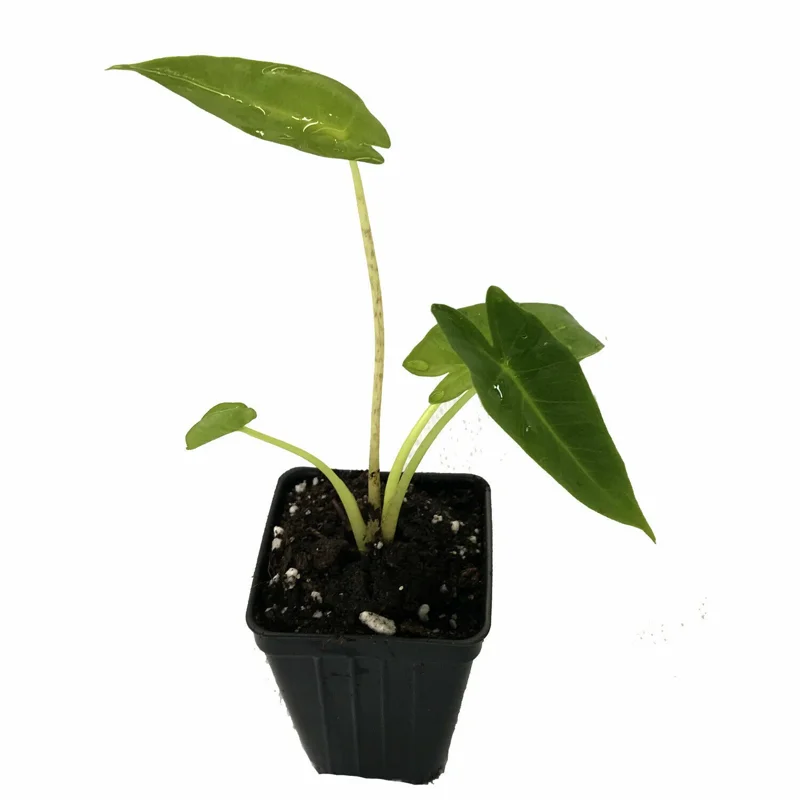
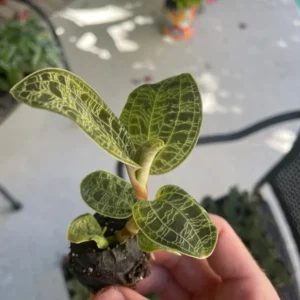
This offering is for one Vietnamese Taro Plant, specifically the Bac Ha Doc Mung or Thai Elephant Ear variety. The live plant you receive will be approximately 8 inches in height, measured from the base of the stem to the top of the foliage. It is shipped as a healthy seedling or young plant, ready to be transplanted into your desired pot or garden location. While specific pot size varies during shipping to ensure plant health, it is generally rooted well and prepared for immediate growth. The growth rate of this particular variety is considered fast, meaning you can expect it to quickly establish and increase in size under optimal conditions. Mature plants can reach impressive dimensions, with leaves spanning several feet, though this 8-inch starter plant will take some time to reach its full potential. Expect the plant to develop its full, rich green coloration and characteristic ‘elephant ear’ shape as it matures. The plant form is a live plant, carefully packaged to ensure its safe arrival, offering a fresh start for your tropical garden aspirations.
Frequently Asked Questions
- Q: How big does this Vietnamese Taro Plant get? A: While the plant arrives at approximately 8 inches, mature Bac Ha Doc Mung plants can grow quite large, with leaves reaching several feet in length and the overall plant height varying based on growing conditions, often reaching 3-5 feet or more.
- Q: Is this an indoor or outdoor plant? A: This versatile Thai Elephant Ear can be grown both indoors as a striking houseplant or outdoors in warm, humid climates, typically USDA Zones 8-11. It’s important to protect it from frost if grown outdoors in cooler regions.
- Q: How much sunlight does the Elephant Ear plant need? A: The Vietnamese Taro Plant thrives in partial shade to full sun. In hotter climates, provide some afternoon shade to prevent leaf scorch. Indoors, bright, indirect light is ideal.
- Q: Is this plant easy to care for? A: Yes, with consistent watering and adequate light, the Bac Ha Doc Mung is considered relatively easy to care for, making it suitable for both novice and experienced gardeners. Consistent moisture is key for healthy growth.
- Q: What condition will the indoor taro plant arrive in? A: Your plant will arrive as a healthy, live specimen, approximately 8 inches tall, carefully packaged to ensure minimal stress during transit. It will be ready for immediate planting upon arrival.
- Q: When is the best time to plant this Thai Elephant Ear? A: The best time to plant is in spring or early summer after the last frost, allowing the plant ample time to establish itself before cooler weather. Indoor planting can be done year-round.
- Q: Will it survive winter in my zone? A: If you are in USDA Zones 8-11, it can survive outdoors with proper care. In colder zones, it should be brought indoors or treated as an annual, or its corms can be dug up and stored over winter.
- Q: What kind of soil does this plant prefer? A: The Vietnamese Taro Plant prefers rich, well-draining soil that retains moisture. A good quality potting mix amended with organic matter works well.
- Q: How often should I fertilize my Bac Ha Doc Mung? A: During the active growing season (spring and summer), fertilize every 2-4 weeks with a balanced liquid fertilizer. Reduce or stop fertilizing during fall and winter.
- Q: Is the Elephant Ear plant pet-safe? A: No, like many plants in the Araceae family, all parts of the Vietnamese Taro Plant contain calcium oxalate crystals, which can be irritating if ingested by pets or humans. It’s best to keep it out of reach of curious animals and children.
Related products
-25%
Original price was: $23.80.$17.84Current price is: $17.84.
-30%
Original price was: $129.98.$90.98Current price is: $90.98.
-50%
Original price was: $39.98.$19.98Current price is: $19.98.
-30%
Original price was: $25.98.$18.18Current price is: $18.18.
PLANTING & CARE

The Comprehensive Guide to Growing Bay Leaf Plants for a Flavorful Garden
Imagine stepping into your garden, greeted by the earthy aroma of fresh bay leaves, their
09
Feb
Feb

How to Make Comfrey Tea: The Ultimate Organic Plant Food
Growing an organic garden can be surprisingly expensive, especially when most store-bought fertilizers come in
02
Feb
Feb

True Comfrey: 7 Essential Tips Before You Plant This Herb
A staple in permaculture practices across the US, True Comfrey easily earns its reputation as
27
Jan
Jan

7 Heart-Shaped Plants for a Lasting Valentine’s Gift
If you’ve ever bought a bouquet of roses for Valentine’s Day, you know they are
26
Jan
Jan

Best Types of Ivy Plant for Houses: How to Choose the Perfect Ones for Your Home
Are you a garden lover looking to introduce some greenery into your home? Maybe you’ve
14
Nov
Nov

When to Harvest Garlic (Especially Fall-Planted Garlic)
TIMING IS EVERYTHING, they say – and for garlic, that truth hits with surprising accuracy.
13
Nov
Nov

11 of the Best Sweet Potato Varieties to Grow for Your Garden
If you’ve ever tried growing sweet potatoes, you know that picking the right variety can
12
Nov
Nov

Pruning Bougainvillea for Winter
Bougainvillea vines are known for their dazzling display of magenta, orange, and fuchsia bracts that
05
Nov
Nov