Vinca Minor Vine Live Plant – 4″ Pot – Evergreen Groundcover Periwinkle
-30%
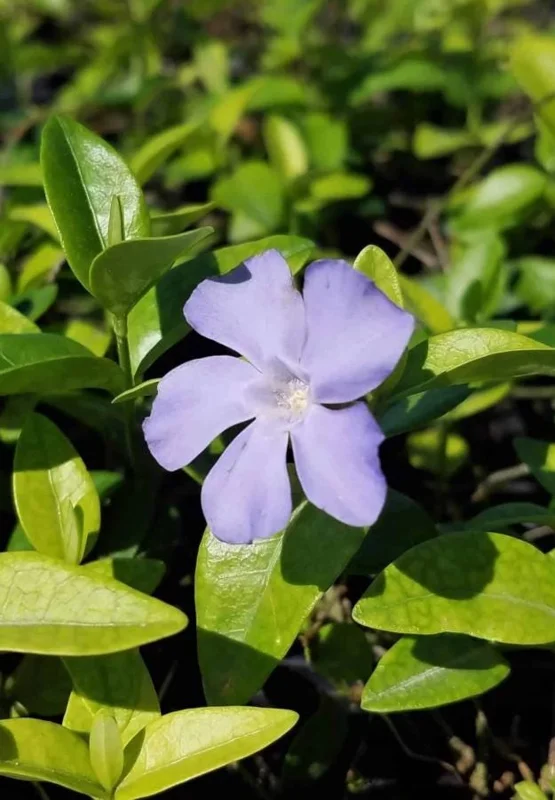
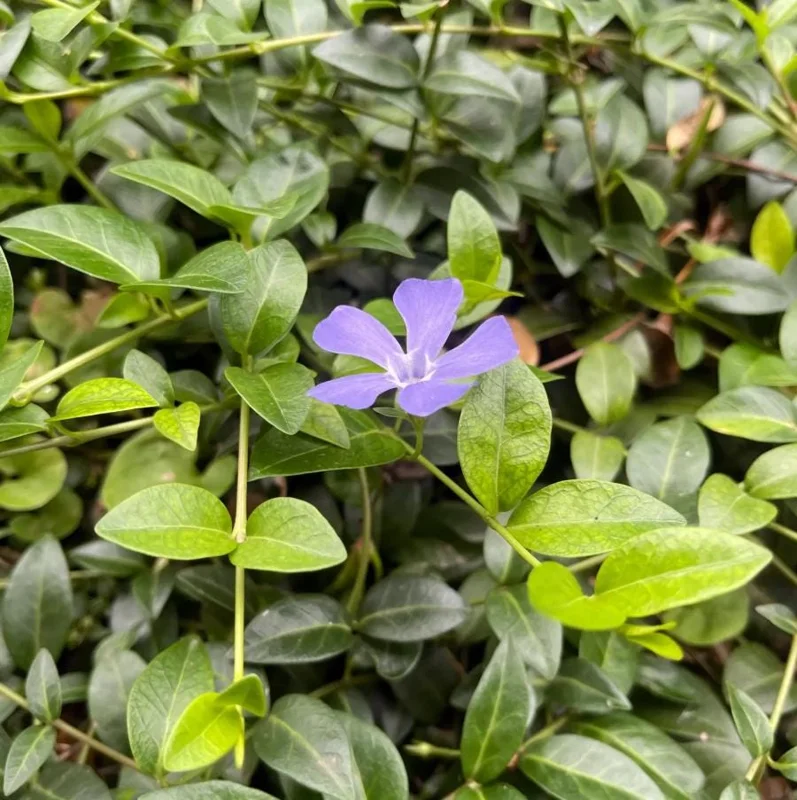
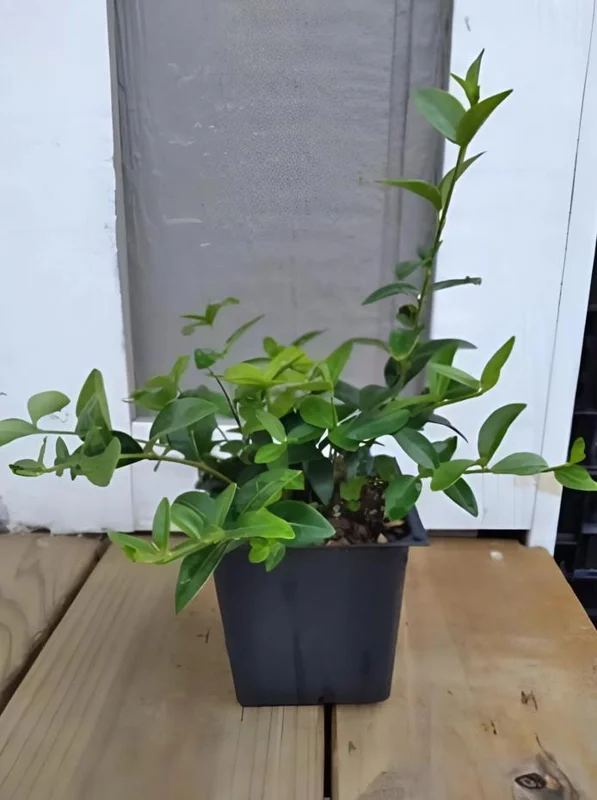
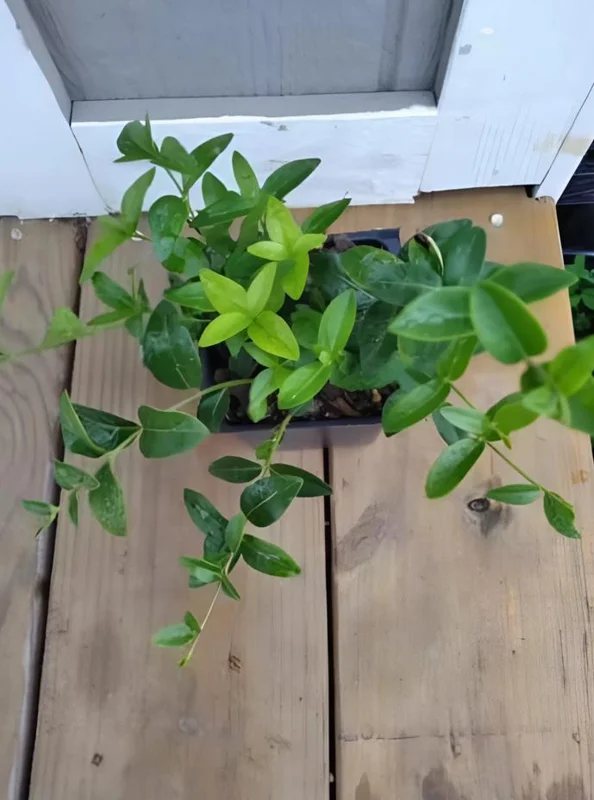
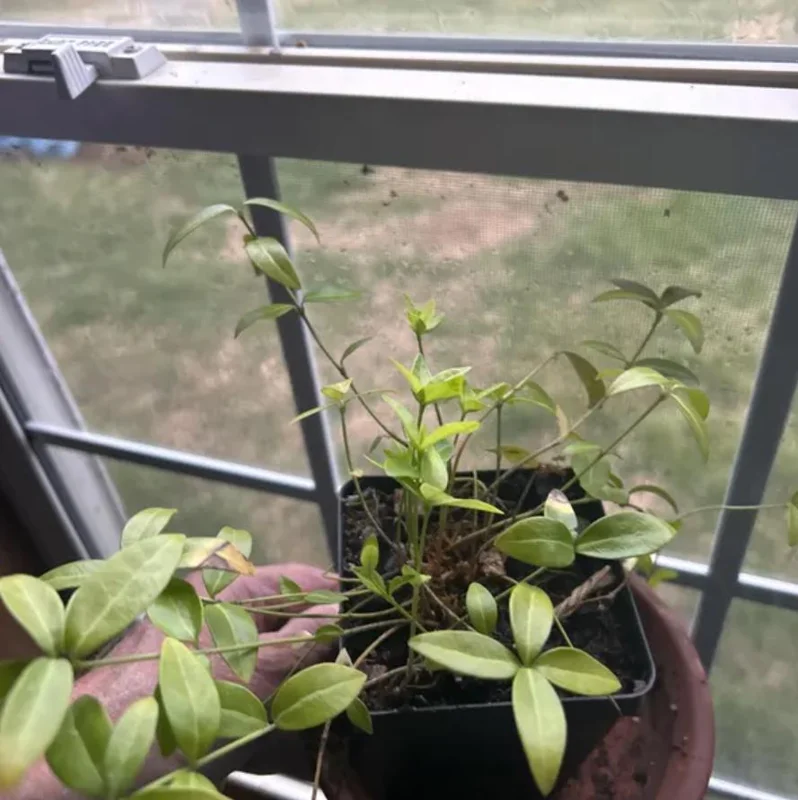
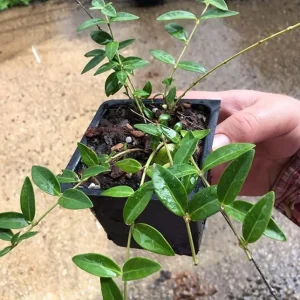
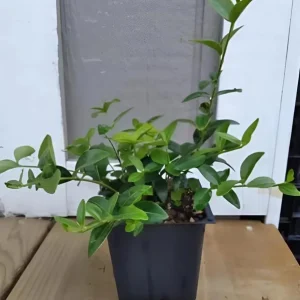
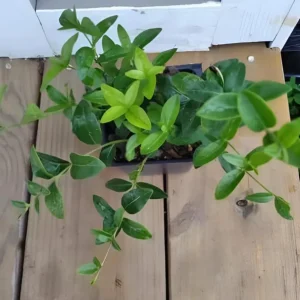
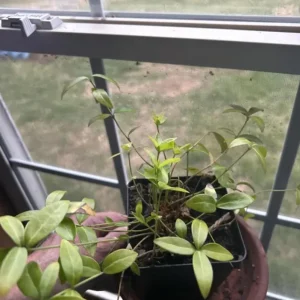
Vinca Minor Vine Live Plant – 4″ Pot – Evergreen Groundcover Periwinkle
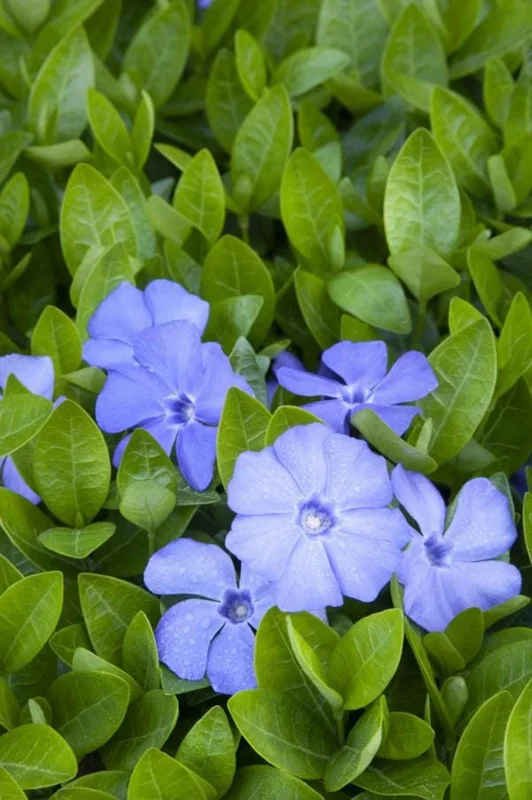
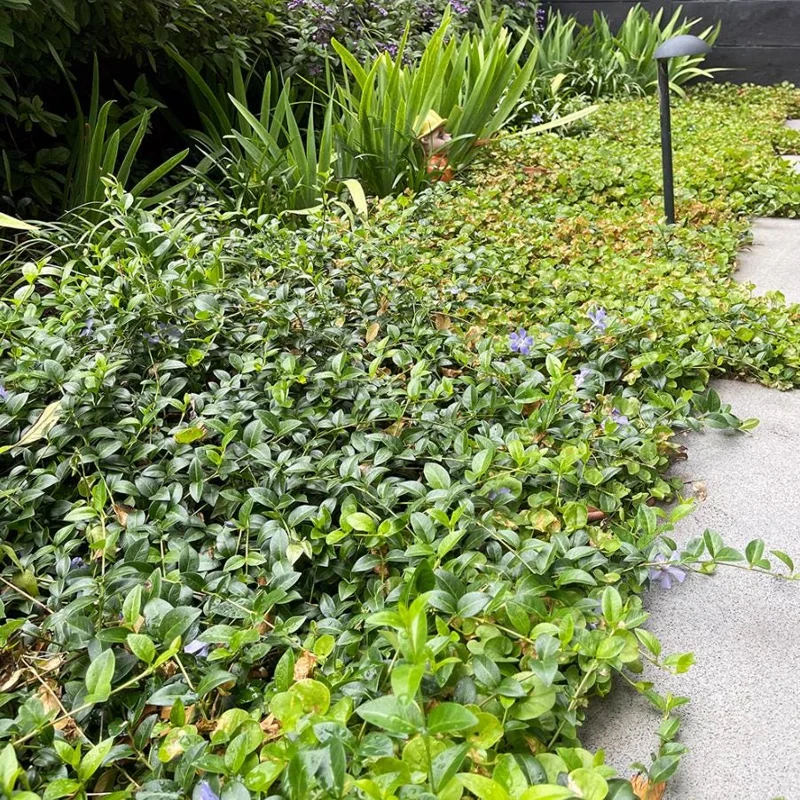
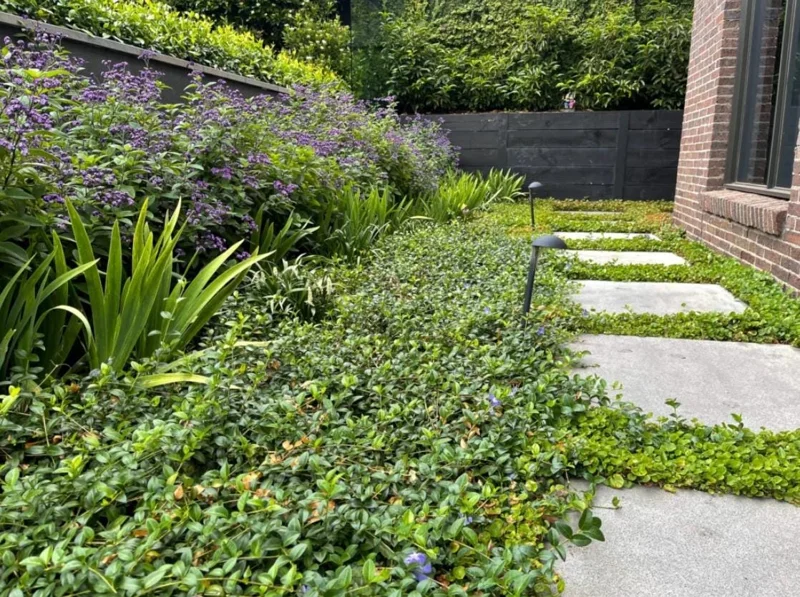
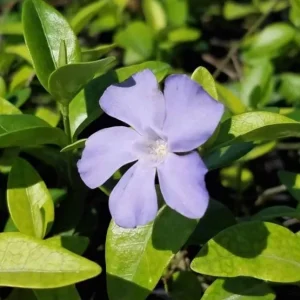
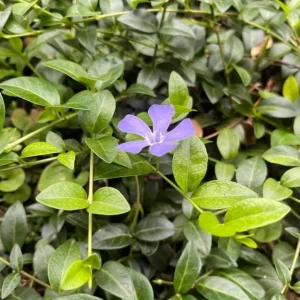
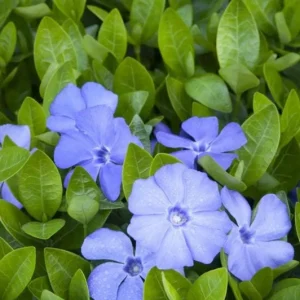
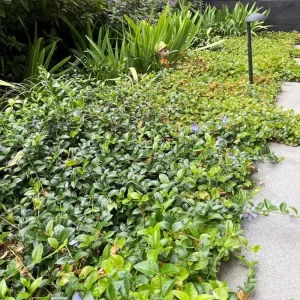
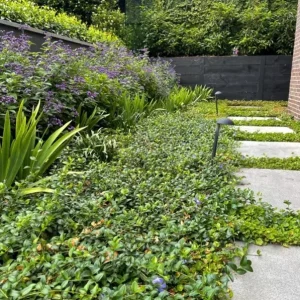
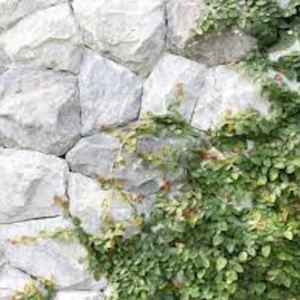
Add year-round beauty with this vinca minor live plant in a 4″ pot. An ideal evergreen vine, it provides lush groundcover with glossy foliage and charming spring flowers. Perfect for borders and erosion control, this lesser periwinkle groundcover thrives in sun or shade.
Original price was: $25.98.$18.18Current price is: $18.18.

With our Alive & Thrive Guarantee, we’ve got your back for the first 30 days! If you have any concerns about your plants, just reach out to us. Our team is here to help answer your questions and guide you in selecting the best plants for your garden, climate, and unique preferences. We're excited to help you create the garden of your dreams!
Estimated arrival
Mar 31
Apr 05 - Apr 07
Apr 10 - Apr 14
Product Details
-
USDA Hardiness Zone
USDA Zones 4–9 -
Soil type
Well-drained, moist soil; slightly acidic to neutral pH -
Sunlight Exposure
Full sun to partial shade -
Expected Planting Period
Spring to Fall
Overview
Introduce year-round beauty and functionality to your landscape with the vinca minor live plant. Also widely known as lesser periwinkle groundcover or Groundcover Vinca, this hardy evergreen vine is delivered to you as a thriving specimen in a 4-inch pot, ready to transform your garden spaces. Celebrated for its dense, trailing habit and glossy green leaves, the Vinca Minor offers an ideal solution for covering bare ground, suppressing weeds, and preventing erosion. Its charming purple or blue blooms emerge in springtime, adding a delightful splash of color against its vibrant evergreen foliage. This resilient plant is incredibly versatile, adapting well to a range of growing conditions and providing continuous appeal throughout the seasons.
The vinca minor live plant is a favorite among gardeners for its robust nature and minimal maintenance requirements. Whether you’re looking to fill in shady spots where other plants struggle, create defined borders, or establish an effective erosion control solution on slopes, this plant is an excellent choice. Its ability to thrive in both sunny and shaded areas, coupled with its tolerance for various soil types, makes it a highly adaptable addition to almost any garden. Experience the effortless elegance and practicality of this exceptional evergreen vine.
Key Benefits
The vinca minor live plant offers a multitude of advantages for home gardeners, making it a stellar choice for enhancing outdoor spaces. Its adaptability and aesthetic appeal are just a few reasons why it’s a popular selection:
- Lush Groundcover: Creates a dense, carpet-like covering that effectively suppresses weeds and provides a neat, polished look to garden beds, borders, and underplantings. It’s particularly effective in areas where lawn growth is challenging.
- Year-Round Appeal: As an evergreen vine, the Vinca Minor retains its glossy green foliage throughout all seasons, ensuring continuous visual interest even during colder months. Its vibrant purple or blue flowers provide a welcome burst of color in spring.
- Erosion Control: The extensive root system and trailing habit of this lesser periwinkle groundcover make it an excellent choice for stabilizing soil on slopes and preventing erosion, protecting your landscape effectively.
- Adaptable & Versatile: Thrives in a wide range of light conditions, from full sun to partial shade, and tolerates various soil types, though it prefers moist, well-drained conditions. This versatility allows for flexible placement in your garden.
- Low Maintenance: Once established, the Vinca Minor requires minimal care. It’s drought-tolerant and generally resistant to pests and diseases, making it perfect for busy gardeners or those seeking an easy-to-manage solution. Occasional pruning helps control its spread.
- Pollinator Friendly: The springtime blooms of the vinca minor live plant attract pollinators like bees and butterflies, contributing to the biodiversity and health of your garden ecosystem.
- Reliable Performance: Known for its hardiness and vigor, this plant reliably covers ground where other species might struggle, providing consistent beauty and functionality.
Plant Care & Growing Tips
Caring for your vinca minor live plant is straightforward, ensuring a beautiful and thriving groundcover with minimal effort. This hardy evergreen vine is forgiving and resilient, making it an excellent choice for both novice and experienced gardeners. For optimal growth, plant your Vinca Minor in an area that receives full sun to partial shade. While it can tolerate full shade, flowering may be reduced. Aim for at least 4-6 hours of sunlight daily for the best bloom production and dense foliage. Ensure the soil is well-drained, as Vinca Minor prefers consistent moisture but dislikes soggy conditions. A slightly acidic to neutral pH (6.0–7.5) is ideal, but it adapts to various soil types.
Watering should be consistent, especially during dry spells and in its first growing season, to keep the soil evenly moist. Once established, the plant becomes more drought-tolerant, but regular watering will promote healthier growth. Avoid overwatering, which can lead to root rot. When considering vinca minor care, fertilization is generally not heavily required. A light application of a balanced, slow-release fertilizer in early spring can encourage vigorous growth. This plant is hardy in USDA Zones 4–9, making it suitable for a wide range of climates. In colder zones, it may experience some dieback but typically recovers in spring.
Pruning is key to managing the spread of your groundcover vinca. Trim back any unwanted runners to maintain desired boundaries. This is best done in late winter or early spring before new growth begins. Regular pruning also encourages denser foliage. Keep an eye out for any signs of fungal diseases in overly wet conditions, and ensure good air circulation. Overall, the vinca minor live plant is a robust and low-maintenance option that will provide enduring beauty to your garden.
Size & Details
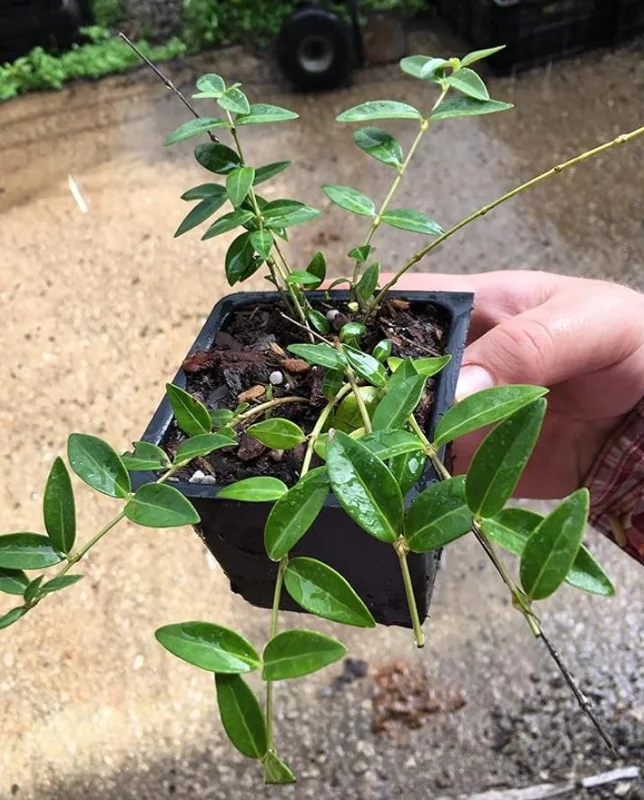
The vinca minor live plant you receive will be shipped in a 4-inch pot, providing a healthy, established starter plant ready for immediate planting. This robust evergreen vine is known for its relatively fast growth rate, quickly spreading to form a dense mat of foliage. Mature Vinca Minor typically spreads indefinitely, with individual stems reaching lengths of 6 to 18 inches, creating a low-growing carpet that usually stands 4 to 6 inches tall. The plant’s vigorous trailing habit makes it excellent for covering large areas over time. It features glossy green leaves that remain vibrant year-round, complemented by charming purple or blue flowers that emerge primarily in the spring months.
This lesser periwinkle groundcover is a long-lived perennial, providing many years of beauty with proper care. It adapts well to various planting locations, whether in garden beds, containers, or hanging baskets where its trailing nature can be fully appreciated. When planting, allow adequate space for its spread, or plan for occasional pruning to manage its growth. The 4-inch pot size ensures a well-rooted plant that will establish quickly in your landscape. Plants shipped during the dormant season (November–April) may arrive leafless, which is completely normal; they will leaf out once planted and conditions are favorable.
Frequently Asked Questions
- Q: How big does this vinca minor live plant get? A: This plant typically grows to a height of 4-6 inches, but its trailing stems can spread indefinitely, usually reaching lengths of 6-18 inches. It forms a dense groundcover over time.
- Q: Is this an indoor or outdoor plant? A: While primarily an outdoor plant used for groundcover and landscaping, the vinca minor live plant can be grown indoors in a bright location, though it is less common. It thrives outdoors in USDA Zones 4–9.
- Q: How much sunlight does the evergreen vine need? A: Vinca Minor performs best in full sun to partial shade, meaning it prefers at least 4-6 hours of sunlight daily. It can tolerate full shade, but flowering may be less prolific.
- Q: Is this plant easy to care for? A: Yes, Vinca Minor is considered a low-maintenance plant. Once established, it is quite hardy and drought-tolerant, requiring minimal attention beyond occasional watering and pruning to control its spread. This makes vinca minor care relatively simple.
- Q: What condition will it arrive in? A: Your vinca minor live plant will arrive in a 4-inch pot, actively growing. If shipped during its dormant season (November–April), it may appear leafless, but this is normal, and it will leaf out after planting.
- Q: When is the best time to plant this lesser periwinkle groundcover? A: Vinca Minor can be planted in spring or fall. Spring planting allows it to establish before summer heat, while fall planting gives it time to root before winter.
- Q: Will it survive winter in my zone? A: This plant is hardy in USDA Zones 4–9. It is quite resilient and can withstand cold temperatures within these zones, often retaining its evergreen foliage throughout the winter.
- Q: What type of soil does this groundcover vinca prefer? A: It prefers moist, well-drained soil with a slightly acidic to neutral pH (6.0–7.5). It is adaptable to various soil types but good drainage is crucial.
Related products
-20%

Original price was: $36.00.$28.80Current price is: $28.80.
-50%
Original price was: $85.98.$42.99Current price is: $42.99.
-20%

Original price was: $70.00.$56.00Current price is: $56.00.
-50%
Original price was: $179.00.$89.50Current price is: $89.50.
-60%
Original price was: $28.47.$11.49Current price is: $11.49.
-30%
Original price was: $39.99.$27.99Current price is: $27.99.
-67%

Original price was: $59.97.$19.99Current price is: $19.99.
-67%
Original price was: $66.72.$22.24Current price is: $22.24.
PLANTING & CARE
Growing Glencoe Raspberry: A Complete Guide for Gardeners
If you’re looking to add something unique to your garden, look no further than the
31
Mar
Mar

The Comprehensive Guide to Growing Bay Leaf Plants for a Flavorful Garden
Imagine stepping into your garden, greeted by the earthy aroma of fresh bay leaves, their
09
Feb
Feb

How to Make Comfrey Tea: The Ultimate Organic Plant Food
Growing an organic garden can be surprisingly expensive, especially when most store-bought fertilizers come in
02
Feb
Feb

True Comfrey: 7 Essential Tips Before You Plant This Herb
A staple in permaculture practices across the US, True Comfrey easily earns its reputation as
27
Jan
Jan

7 Heart-Shaped Plants for a Lasting Valentine’s Gift
If you’ve ever bought a bouquet of roses for Valentine’s Day, you know they are
26
Jan
Jan

Best Types of Ivy Plant for Houses: How to Choose the Perfect Ones for Your Home
Are you a garden lover looking to introduce some greenery into your home? Maybe you’ve
14
Nov
Nov

When to Harvest Garlic (Especially Fall-Planted Garlic)
TIMING IS EVERYTHING, they say – and for garlic, that truth hits with surprising accuracy.
13
Nov
Nov

11 of the Best Sweet Potato Varieties to Grow for Your Garden
If you’ve ever tried growing sweet potatoes, you know that picking the right variety can
12
Nov
Nov