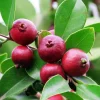
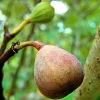
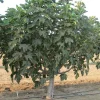
Violette de Bordeaux Fig Tree – Live Plant, 5-9″ Tall, Cold Hardy, Zone 6-10
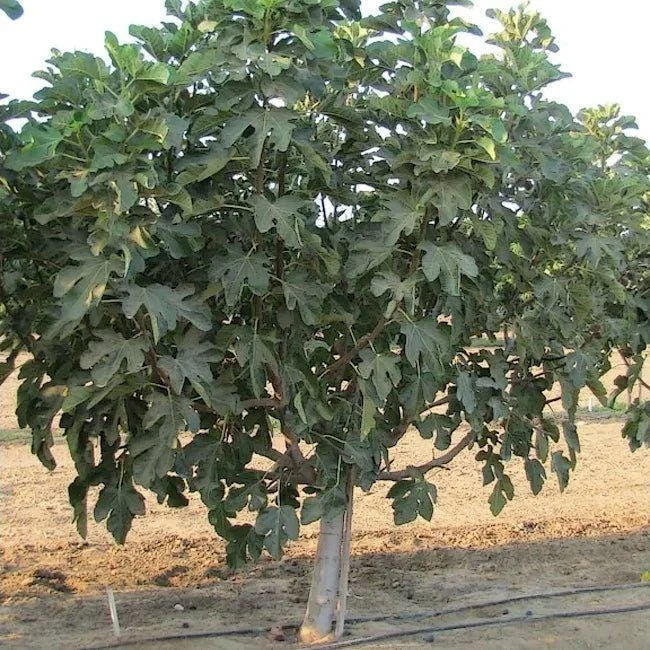
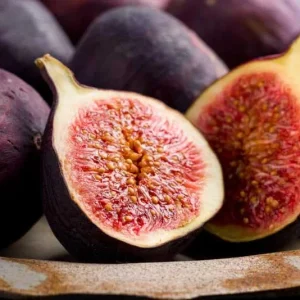
Violette de Bordeaux Fig Tree – Live Plant, 5-9″ Tall, Cold Hardy, Zone 6-10
Cultivate your own gourmet fruit with the Violette de Bordeaux fig tree. This dwarf fig tree (Negronne Ficus Carica), standing 5-9 inches tall, is renowned for its delicious, raspberry jam-flavored fruit. It’s a cold hardy fig tree, thriving in USDA Zones 6-10, and perfect for container gardening on patios or small gardens.
$33.98

With our Alive & Thrive Guarantee, we’ve got your back for the first 30 days! If you have any concerns about your plants, just reach out to us. Our team is here to help answer your questions and guide you in selecting the best plants for your garden, climate, and unique preferences. We're excited to help you create the garden of your dreams!
Estimated arrival
Oct 14
Oct 19 - Oct 21
Oct 24 - Oct 28
Product Details
-
USDA Hardiness Zone
6-10 -
Soil type
Well-draining, fertile soil -
Sunlight Exposure
Full sun -
Expected Planting Period
Year-round indoors; Spring to early summer outdoors
Overview
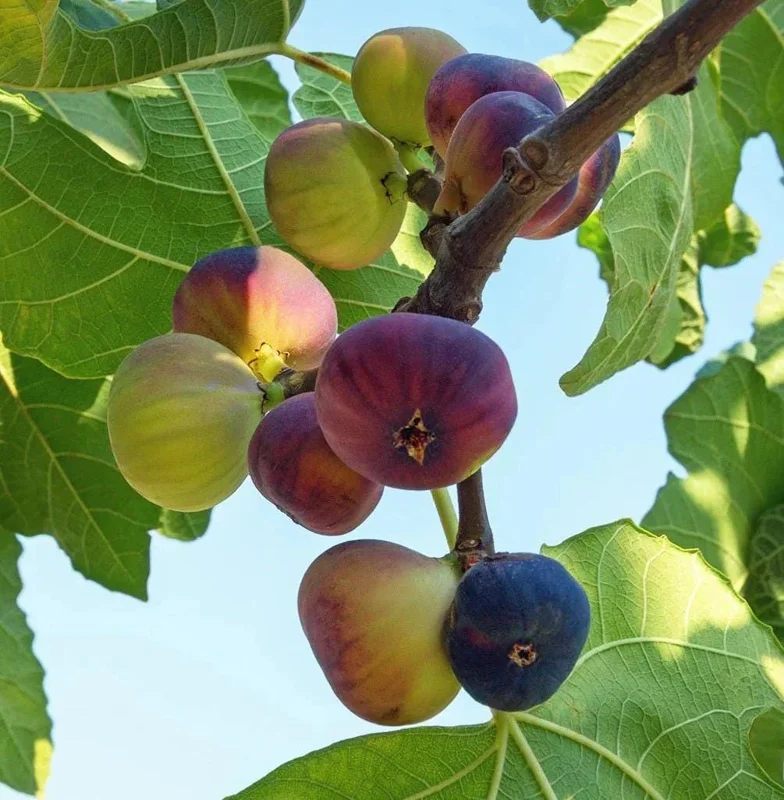
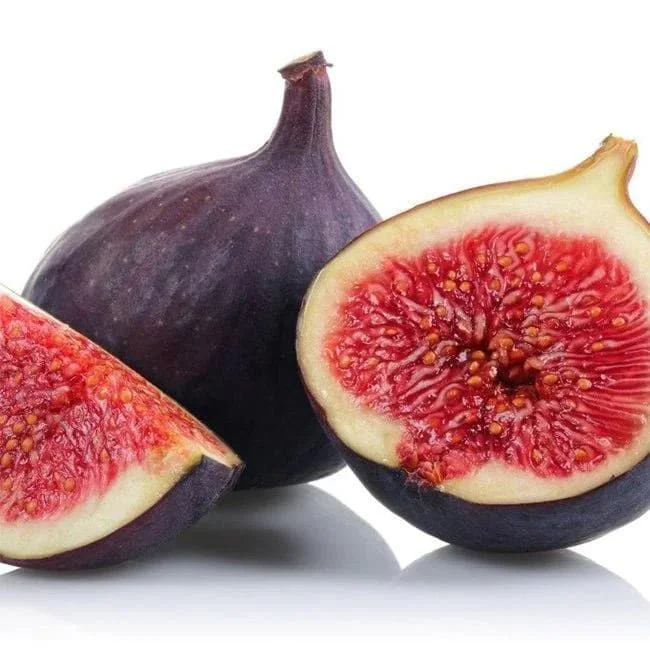
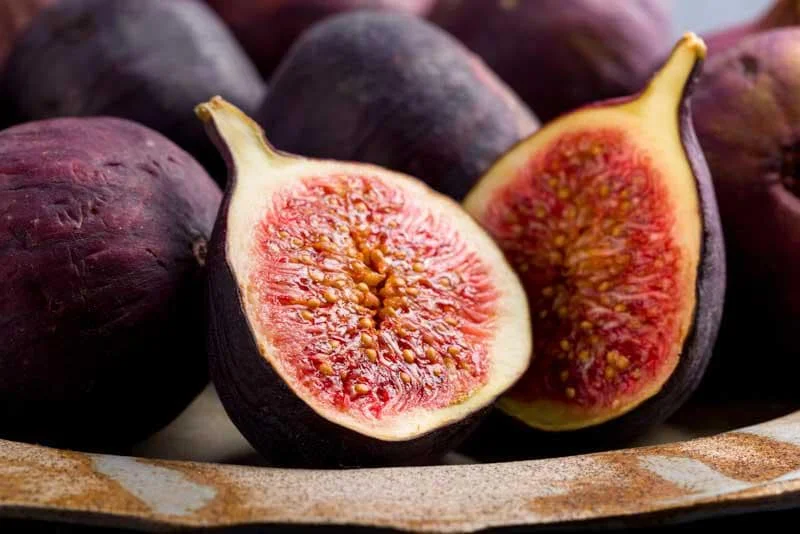
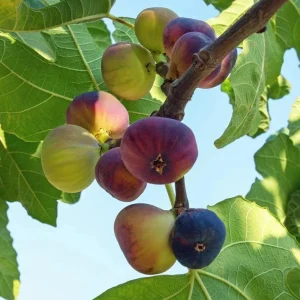
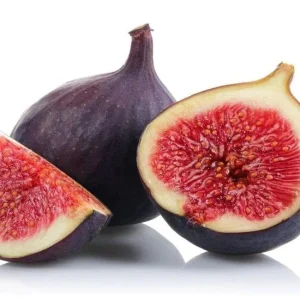
Bring the taste of France to your own backyard with the exquisite Violette de Bordeaux fig tree. This live plant, also known as Negronne Ficus Carica, is a highly sought-after variety celebrated for its intensely sweet, jam-like fruit. Unlike common grocery store figs, the Violette de Bordeaux produces small, purple-black fruit with a deep red interior that connoisseurs often describe as having a rich raspberry flavor. This edible fig plant is a natural dwarf, making it an ideal choice for gardeners with limited space, whether you’re looking to cultivate it in a container on your patio or integrate it into a small garden landscape. Shipped as a healthy 5-9 inch starter plant, it’s ready to thrive and provide you with bountiful harvests for years to come. Experience the joy of fresh, homegrown gourmet figs.
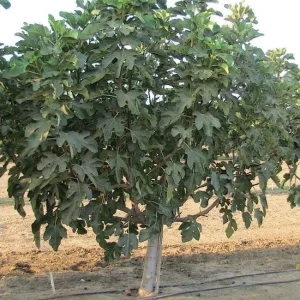
The Violette de Bordeaux fig tree is not only productive but also strikingly ornamental. Its deeply lobed leaves add an exotic, tropical flair to any setting, even when the tree isn’t fruiting. This self-pollinating variety is surprisingly easy to care for, making it suitable for both novice and experienced gardeners. Its exceptional cold hardiness allows it to flourish in USDA Zones 6-10, ensuring successful growth in a wide range of climates. Prepare to enjoy two crops of these delectable fruits annually, a spring breba crop and a prolific main crop in the fall, transforming your gardening efforts into a truly rewarding culinary experience.
Key Benefits
The Violette de Bordeaux fig tree offers a multitude of advantages for the home gardener, blending ornamental beauty with exceptional fruit production. Its unique characteristics make it a standout choice for both culinary enthusiasts and those seeking a resilient, productive plant.
- Gourmet Fruit Production: Enjoy small, intensely sweet, purple-black figs with a deep red interior, often described as tasting like raspberry jam. This edible fig plant produces two crops annually, providing a long harvesting season.
- Exceptional Cold Hardiness: Thrives in USDA Zones 6-10, making it one of the most reliable fig varieties for cooler climates. Its resilience ensures consistent performance even with some protection in colder zones.
- Perfect for Small Spaces: As a natural dwarf fig tree, it’s ideally suited for container gardening on patios, balconies, or in small garden beds, allowing anyone to grow fresh figs regardless of space constraints.
- Low Maintenance & Easy Care: This self-pollinating and drought-tolerant plant is perfect for beginners. It requires minimal pruning and is generally resistant to common pests and diseases, simplifying the growing process.
- Ornamental Appeal: Beyond its fruit, the tree features beautiful, deeply lobed leaves that provide an attractive, exotic look, enhancing the aesthetic of your garden or patio.
- High Yielding: Despite its compact size, the Negronne fig plant is a heavy producer, ensuring you’ll have plenty of fresh figs to enjoy from your own garden.
- Pest and Deer Resistance: This variety shows better resistance to common garden pests and deer compared to some other fig types, contributing to easier cultivation.
Plant Care & Growing Tips
Caring for your Violette de Bordeaux fig tree is straightforward, making it an excellent choice for gardeners of all skill levels. For optimal growth and fruit production, understanding its specific needs is crucial. Figs thrive in full sun, meaning they require at least 6-8 hours of direct sunlight per day. If growing indoors or in a container, place it in the sunniest spot available, such as a south-facing window or a bright patio. Adequate light is key to developing the sweetest fruit. This variety is exceptionally cold-hardy, suitable for USDA Zones 6-10, though in the colder end of this range, container plants may benefit from winter protection or being moved indoors.
When it comes to watering, consistent moisture is important, especially during the fruiting season. However, figs dislike soggy feet, so ensure your soil is well-draining. Water deeply when the top inch or two of soil feels dry to the touch, and reduce watering in cooler months. For soil, a rich, well-draining potting mix is ideal for container plants, while in-ground plants prefer fertile, loamy soil. Fertilize your edible fig plant in early spring with a balanced slow-release fertilizer, and again in mid-summer if you notice slow growth or reduced fruiting. Watch out for common pests like spider mites or scale, which can be managed with organic insecticidal soaps. Pruning for shape and to encourage new growth can be done in late winter or early spring while the tree is dormant.
This cold hardy fig tree is self-pollinating, so you only need one plant to get fruit. Its natural dwarf habit means it won’t outgrow its space quickly, but regular potting up to a larger container every few years will support its growth and fruit yield. Ensure good air circulation, especially for container plants, to prevent fungal issues. With these simple steps, your Negronne fig plant will flourish, providing you with delicious harvests year after year.
Size & Details
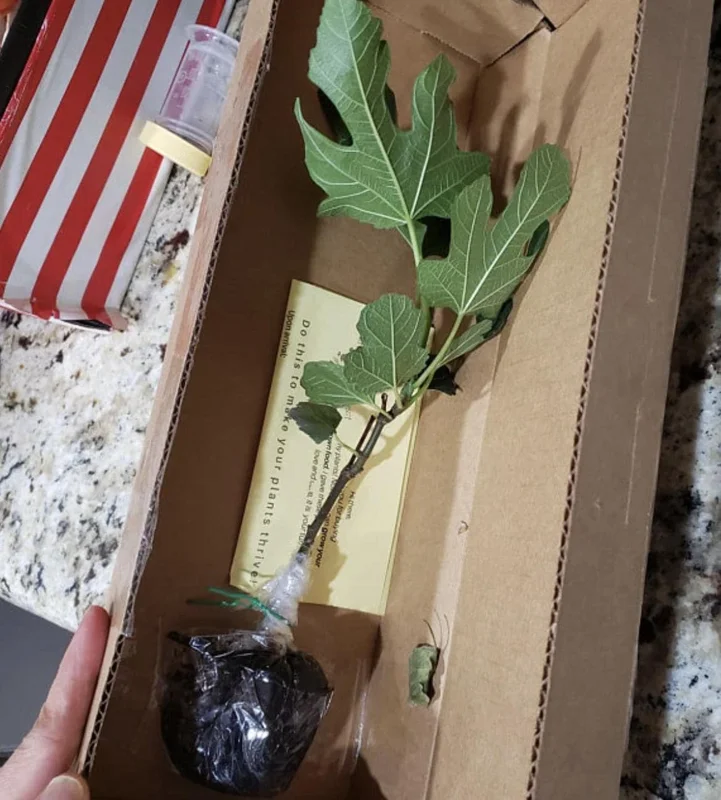
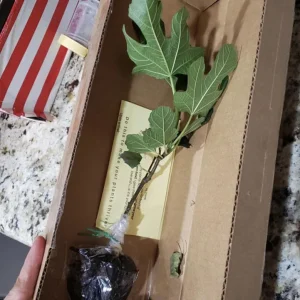
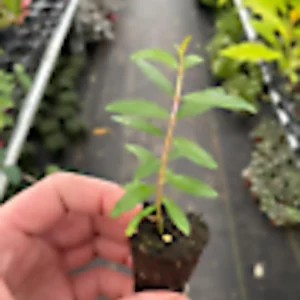
You will receive one Violette de Bordeaux fig tree starter plant, typically measuring 5-9 inches in height from the top of the grow pot. This size provides a healthy head start for establishment and growth. The plant is shipped in its nursery pot or plug, ensuring its root system is intact and stress-free upon arrival, ready for immediate potting into a larger container or planting directly into the ground. As a natural dwarf fig tree, it will maintain a compact size, generally reaching 6-10 feet tall and wide when mature, making it highly manageable for small gardens, patios, or even balconies.
Expected growth rate is moderate, and with proper care, you can typically anticipate your first breba crop in late spring and a main crop in the fall, often within the first year or two after planting. This variety is known for its heavy production relative to its size, making it an efficient fruit producer for its footprint. The deeply lobed leaves can grow several inches across, contributing to its lush, ornamental appearance. This Violette de Bordeaux fig tree is a robust and resilient specimen, prepared to become a cherished addition to your edible landscape.
Frequently Asked Questions
- Q: How big does this Violette de Bordeaux fig tree get? A: This is a dwarf fig tree variety, typically reaching a mature height of 6-10 feet and a similar spread, making it ideal for containers or smaller garden spaces.
- Q: Is this an indoor or outdoor plant? A: The Violette de Bordeaux fig tree is suitable for both indoor container growing (with adequate light) and outdoor planting in USDA Zones 6-10. In colder zones, container plants can be moved indoors for winter protection.
- Q: How much sunlight does the Negronne fig plant need? A: For optimal fruit production and health, this fig tree requires at least 6-8 hours of direct sunlight per day, ideally full sun.
- Q: Is this fig tree easy to care for? A: Yes, this edible fig plant is considered low-maintenance and is excellent for beginners. It’s self-pollinating and drought-tolerant once established.
- Q: What condition will the Violette de Bordeaux fig plant arrive in? A: Your Violette de Bordeaux fig tree starter plant will arrive healthy, 5-9 inches tall, and shipped in its grow pot or plug to ensure the root system is protected and ready for planting.
- Q: How long until it produces fruit? A: With proper care, this fig tree can produce its first breba crop in late spring and a main crop in the fall, often within the first 1-2 years after planting.
- Q: Will this cold hardy fig tree survive winter in my zone? A: This variety is exceptionally cold hardy fig tree, thriving in USDA Zones 6-10. In Zone 6, container plants may need protection or to be brought indoors during the coldest months.
- Q: What is the best soil type for this fig tree? A: Figs prefer well-draining, fertile soil. For container growing, a high-quality potting mix with good drainage is recommended.
- Q: Do I need more than one Violette de Bordeaux fig tree for fruit? A: No, the Violette de Bordeaux fig tree is self-pollinating, so you only need one plant to enjoy a bountiful harvest of delicious figs.
- Q: Can this fig tree be grown in a pot? A: Absolutely! Its natural dwarf habit makes it an excellent choice for container gardening on patios, decks, or balconies.
Related products
-20%
Original price was: $36.00.$28.80Current price is: $28.80.
-20%
Original price was: $60.00.$48.00Current price is: $48.00.
-20%
Original price was: $50.00.$40.00Current price is: $40.00.
-10%
Original price was: $65.00.$58.50Current price is: $58.50.
-10%
Original price was: $28.99.$26.09Current price is: $26.09.
-10%
Original price was: $75.00.$67.50Current price is: $67.50.
-20%
Original price was: $80.00.$64.00Current price is: $64.00.
PLANTING & CARE
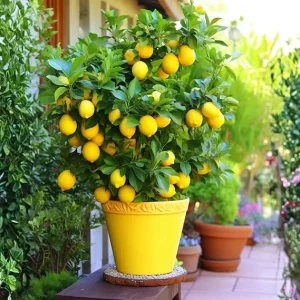
Lemon Tree Growing: Choose, Plant, and Harvest
Learn how to choose, plant, feed, and protect a lemon tree so it fits your
23
Sep
Sep
Dwarf Meyer Lemon Tree Australia: Climate Guide
Learn where dwarf Meyer lemon trees grow, how much cold they tolerate, and whether Australia,
Where to Buy a Dwarf Meyer Lemon Tree: Buyer’s Guide
Find the right dwarf Meyer lemon tree online or locally, compare starter sizes and costs,
Dwarf Meyer Lemon Tree for Sale: Buying Guide
Compare Meyer lemon tree sizes, prices, shipping limits, indoor growing and California options before you
Dwarf Meyer Lemon Tree Guide: Size, Care and Fruit
META: Learn how large a dwarf Meyer lemon tree grows, where it thrives, and how
How to Prune a Dwarf Meyer Lemon Tree
Learn when and how to prune a dwarf Meyer lemon tree, including tools, shaping cuts,
Can You Grow a Dwarf Meyer Lemon Tree in a Pot?
META: Learn how to grow a dwarf Meyer lemon tree in a pot, including container
When Do Dwarf Meyer Lemon Trees Bloom and Fruit?
META: Dwarf Meyer lemon trees usually bloom from winter through spring and may flower again