Virginia Jumbo Peanut Seeds – Heirloom, Non-GMO – 25 Seeds
-50%
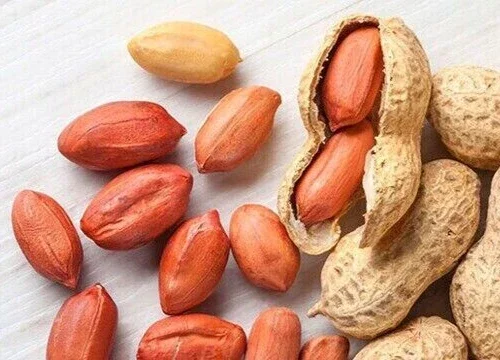


Virginia Jumbo Peanut Seeds – Heirloom, Non-GMO – 25 Seeds
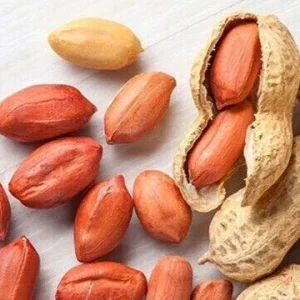
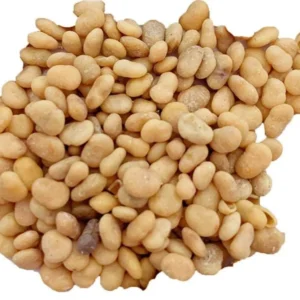
Cultivate your own delicious and hearty Virginia Jumbo Peanut seeds with this pack of 25 premium non-GMO peanut seeds. Perfect for outdoor gardens, these heirloom peanut seeds are easy to grow and yield large, flavorful peanuts. Enjoy the satisfaction of a homegrown harvest.
Original price was: $14.76.$7.38Current price is: $7.38.

With our Alive & Thrive Guarantee, we’ve got your back for the first 30 days! If you have any concerns about your plants, just reach out to us. Our team is here to help answer your questions and guide you in selecting the best plants for your garden, climate, and unique preferences. We're excited to help you create the garden of your dreams!
Estimated arrival
Apr 02
Apr 07 - Apr 09
Apr 12 - Apr 16


Product Details
-
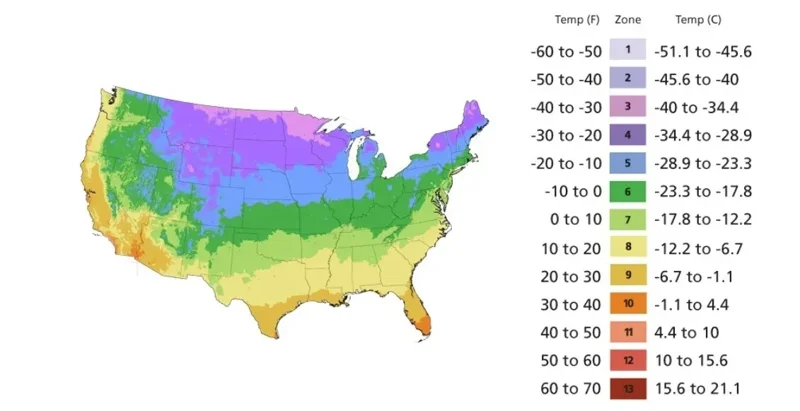
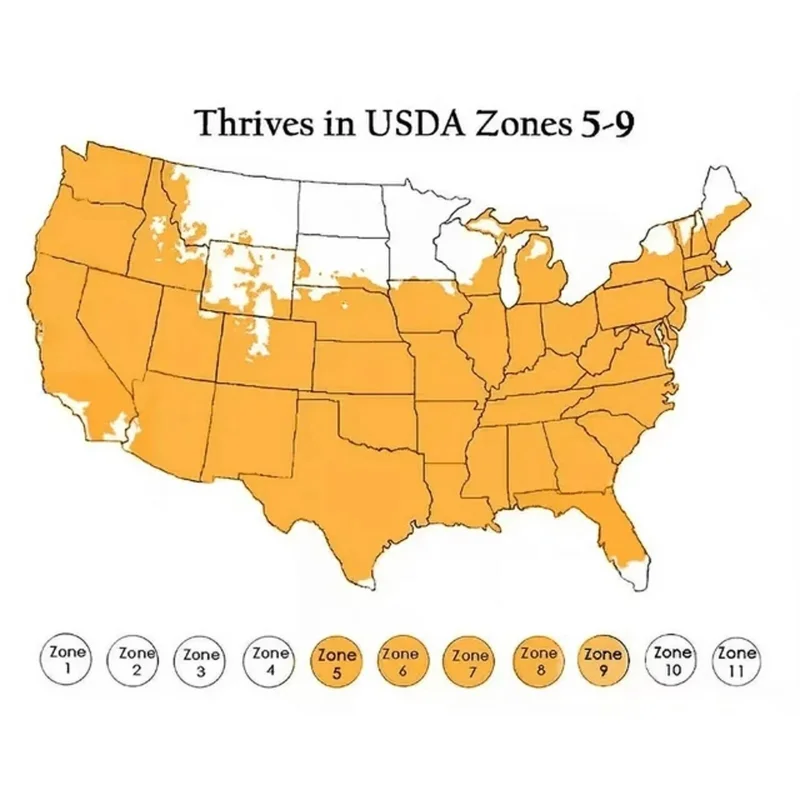
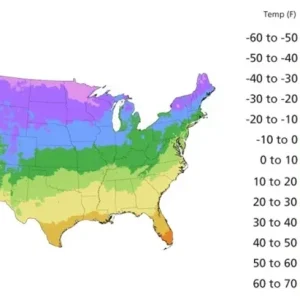
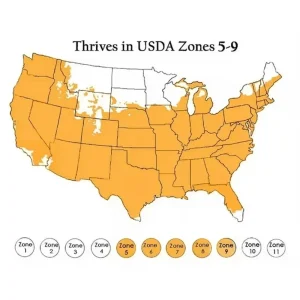
USDA Hardiness Zone
8-11 -
Soil type
Light, loose, sandy loam, well-draining -
Sunlight Exposure
Full sun -
Expected Planting Period
Spring after last frost
Overview
Embark on a rewarding gardening journey with our premium Virginia Jumbo Peanut seeds. This offering includes 25 high-quality, non-GMO peanut seeds of the renowned Virginia Jumbo variety (Arachis hypogaea). Known for their large, flavorful kernels, Virginia Jumbo Peanuts are a favorite for roasting, boiling, or making homemade peanut butter. These heirloom peanut seeds carry a rich genetic history, ensuring true-to-type plants and a taste that has been cherished for generations. Ideal for gardeners looking to add a unique and delicious crop to their outdoor space, these seeds promise a bountiful and satisfying harvest.
Virginia Jumbo Peanut seeds are an excellent choice for both novice and experienced gardeners. Peanuts are a fascinating crop, growing their pods underground, which adds an element of surprise and discovery to the harvesting process. With their relatively easy cultivation requirements, you can enjoy fresh, homegrown peanuts right from your garden. These seeds are carefully selected to provide you with the best possible start for a successful yield.
Key Benefits
Growing your own peanuts from Virginia Jumbo Peanut seeds offers a multitude of benefits, from culinary delights to gardening satisfaction. Here are some of the key advantages:
-
Superior Flavor and Quality: Homegrown Virginia Jumbo Peanuts often boast a richer, fresher flavor compared to store-bought varieties. You control the growing conditions, ensuring a pristine and delicious product.
-
Non-GMO Assurance: Our non-GMO peanut seeds provide peace of mind, allowing you to grow food free from genetic modification. This is increasingly important for health-conscious gardeners and consumers.
-
Heirloom Variety: By planting heirloom peanut seeds, you contribute to the preservation of agricultural biodiversity. These varieties are open-pollinated and have been passed down through generations for their desirable traits.
-
Easy to Grow: Peanuts are surprisingly easy to cultivate, making them an excellent choice for beginners. With basic care, you can expect a good yield, making the process of growing peanuts at home accessible to many.
-
Nutritious Harvest: Peanuts are packed with protein, healthy fats, and essential nutrients. Harvesting your own means a fresh supply of a wholesome snack or ingredient for various recipes.
-
Educational Experience: Growing peanuts at home can be a fantastic educational project for families, teaching children about where their food comes from and the wonders of plant life, particularly with the unique underground development of peanuts.
-
Versatile Culinary Use: From roasting and boiling to making homemade peanut butter or adding to stir-fries and desserts, the culinary possibilities with fresh Virginia Jumbo Peanuts are endless.
Plant Care & Growing Tips
To ensure a successful harvest of your Virginia Jumbo Peanut seeds, follow these essential care and growing tips. Peanuts thrive in warm climates and require specific conditions to produce bountifully. Plant your Arachis hypogaea seeds directly outdoors after all danger of frost has passed and soil temperatures consistently reach 65-70°F (18-21°C).
For sunlight, peanuts need full sun, meaning at least 6-8 hours of direct sunlight per day. Choose a location in your garden that receives ample sun throughout the growing season. The ideal soil for growing peanuts at home is light, loose, well-draining, and sandy loam with a pH between 5.9 and 6.5. Avoid heavy clay soils, as they can hinder the underground development of the peanut pods. Amend your soil with compost to improve fertility and drainage if necessary. Watering should be consistent, especially during flowering and pod development. Aim for about 1 inch of water per week, either from rainfall or irrigation. Reduce watering as harvest approaches to prevent mold and encourage proper drying of the pods.
Peanuts are moderate feeders. Before planting, incorporate a balanced fertilizer into the soil. Once plants start flowering, a fertilizer with higher potassium and phosphorus content can be beneficial. Avoid excessive nitrogen, which can promote leafy growth at the expense of pod production. Peanuts belong to USDA hardiness zones 8-11, thriving in warm, frost-free conditions. Common problems include leaf spot and various pests, but proper spacing, good air circulation, and vigilant monitoring can help prevent these issues. After about 120-150 days, when the leaves start to yellow, your Virginia Jumbo Peanut seeds will have matured into ready-to-harvest plants.
Size & Details
This package contains 25 high-quality Virginia Jumbo Peanut seeds, providing a generous quantity for your home garden. Each seed holds the potential to grow into a robust peanut plant, typically reaching a height of 12-18 inches (30-45 cm) and spreading about 18-24 inches (45-60 cm) wide. The plants are annuals, completing their life cycle within one growing season. These non-GMO peanut seeds are designed for outdoor cultivation, ideal for garden beds, raised beds, or large containers. Each plant can produce numerous pods underground, with each pod containing 2-4 large, delicious kernels.
The time to maturity for these heirloom peanut seeds is approximately 120-150 days from planting, depending on climate and growing conditions. You can expect a good yield from these seeds, allowing you to enjoy a fresh supply of peanuts for snacking, cooking, or sharing. The ease of cultivation makes growing peanuts at home a rewarding experience for gardeners of all skill levels, culminating in a satisfying harvest of large, flavorful Virginia Jumbo Peanuts.
Frequently Asked Questions
-
Q: How big do Virginia Jumbo Peanut plants get? A: Virginia Jumbo Peanut plants typically grow to about 12-18 inches (30-45 cm) tall and spread 18-24 inches (45-60 cm) wide. The size can vary slightly depending on growing conditions and care.
-
Q: Are these Virginia Jumbo Peanut seeds suitable for indoor growing? A: While it’s possible to start Virginia Jumbo Peanut seeds indoors, they are primarily outdoor plants due to their need for full sun and the underground development of their pods. They require a significant amount of space and warmth to thrive and produce peanuts.
-
Q: How much sunlight do these peanuts need? A: For optimal growth and yield, Arachis hypogaea seeds require full sun, which means at least 6-8 hours of direct sunlight per day. Choose the sunniest spot in your garden.
-
Q: Is growing peanuts at home difficult for beginners? A: No, growing peanuts at home is considered relatively easy, even for beginners. They require well-draining soil, plenty of sun, and consistent watering, but are generally low-maintenance once established.
-
Q: What kind of soil is best for these non-GMO peanut seeds? A: Peanuts prefer light, loose, sandy loam soil that is well-draining. A pH between 5.9 and 6.5 is ideal. Avoid heavy clay soils that can compact around the developing pods.
-
Q: When is the best time to plant Virginia Jumbo Peanut seeds? A: The best time to plant Virginia Jumbo Peanut seeds is in the spring, after all danger of frost has passed and the soil temperature has warmed to a consistent 65-70°F (18-21°C).
-
Q: How long does it take for these heirloom peanut seeds to produce peanuts? A: Virginia Jumbo Peanuts typically mature in about 120-150 days from planting. You’ll know they’re ready for harvest when the leaves begin to yellow and the plant starts to decline.
-
Q: Are these non-GMO peanut seeds suitable for all USDA zones? A: These peanut seeds thrive in warmer climates, generally USDA hardiness zones 8-11. In cooler zones, you may need to start them indoors or use season extension techniques to ensure a long enough growing season.
-
Q: Can I use the peanuts from growing peanuts at home for cooking? A: Absolutely! The peanuts you harvest from your Virginia Jumbo Peanut seeds are perfect for roasting, boiling, making peanut butter, or using in any recipe that calls for fresh peanuts.
-
Q: What condition will the seeds arrive in? A: Your non-GMO peanut seeds will arrive in a sealed packet, ensuring their freshness and viability for planting. They are carefully packaged to protect them during transit.
Related products
-50%
Original price was: $19.96.$9.98Current price is: $9.98.
-50%
Original price was: $19.00.$9.50Current price is: $9.50.
-48%
Original price was: $28.99.$14.99Current price is: $14.99.
-50%
Original price was: $15.96.$7.98Current price is: $7.98.
-48%
Original price was: $28.99.$14.99Current price is: $14.99.
-50%
Original price was: $39.96.$19.98Current price is: $19.98.
-48%
Original price was: $28.99.$14.99Current price is: $14.99.
-50%
Original price was: $39.96.$19.98Current price is: $19.98.
PLANTING & CARE
Growing Glencoe Raspberry: A Complete Guide for Gardeners
If you’re looking to add something unique to your garden, look no further than the
31
Mar
Mar

The Comprehensive Guide to Growing Bay Leaf Plants for a Flavorful Garden
Imagine stepping into your garden, greeted by the earthy aroma of fresh bay leaves, their
09
Feb
Feb

How to Make Comfrey Tea: The Ultimate Organic Plant Food
Growing an organic garden can be surprisingly expensive, especially when most store-bought fertilizers come in
02
Feb
Feb

True Comfrey: 7 Essential Tips Before You Plant This Herb
A staple in permaculture practices across the US, True Comfrey easily earns its reputation as
27
Jan
Jan

7 Heart-Shaped Plants for a Lasting Valentine’s Gift
If you’ve ever bought a bouquet of roses for Valentine’s Day, you know they are
26
Jan
Jan

Best Types of Ivy Plant for Houses: How to Choose the Perfect Ones for Your Home
Are you a garden lover looking to introduce some greenery into your home? Maybe you’ve
14
Nov
Nov

When to Harvest Garlic (Especially Fall-Planted Garlic)
TIMING IS EVERYTHING, they say – and for garlic, that truth hits with surprising accuracy.
13
Nov
Nov

11 of the Best Sweet Potato Varieties to Grow for Your Garden
If you’ve ever tried growing sweet potatoes, you know that picking the right variety can
12
Nov
Nov