White Ash Tree 12-24in Bare Root Live Plant – Fraxinus americana
-20%
White Ash Tree 12-24in Bare Root Live Plant – Fraxinus americana
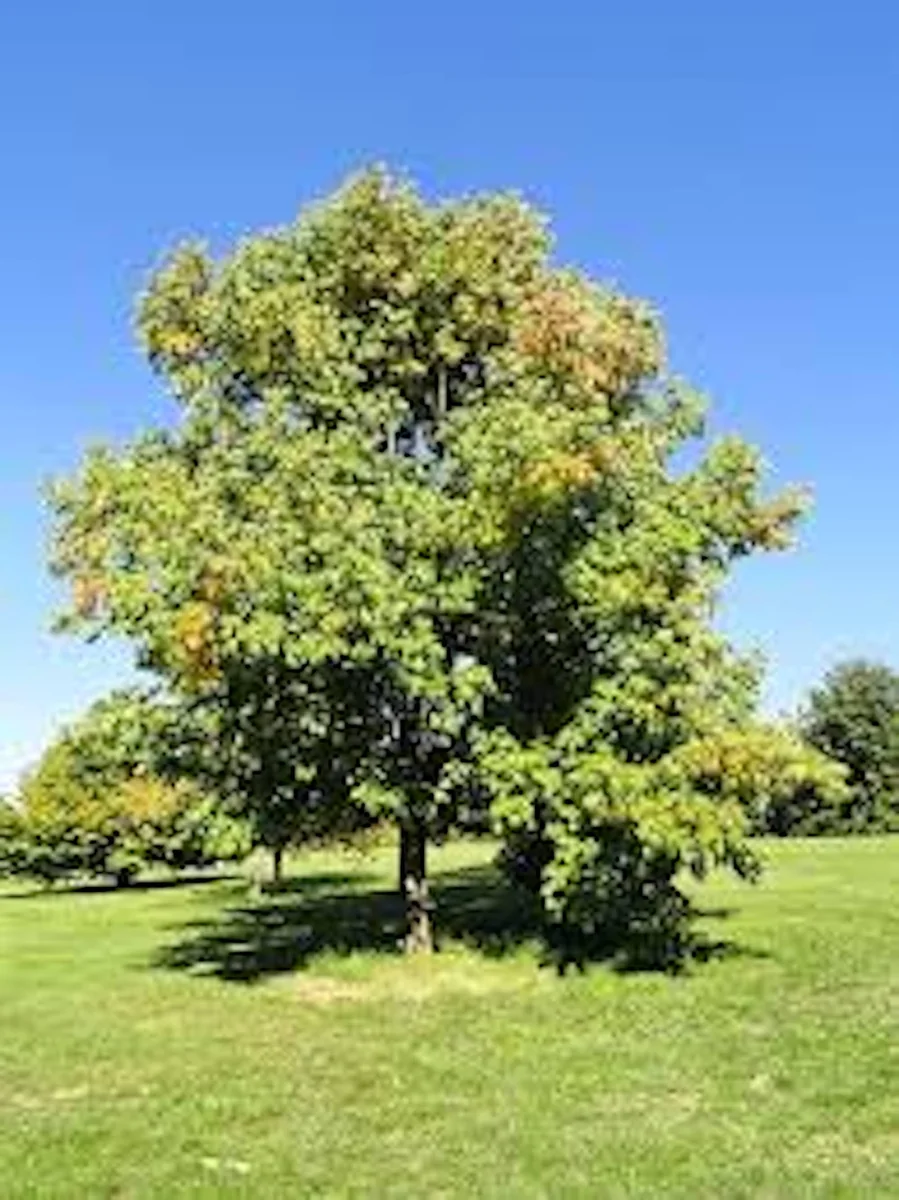
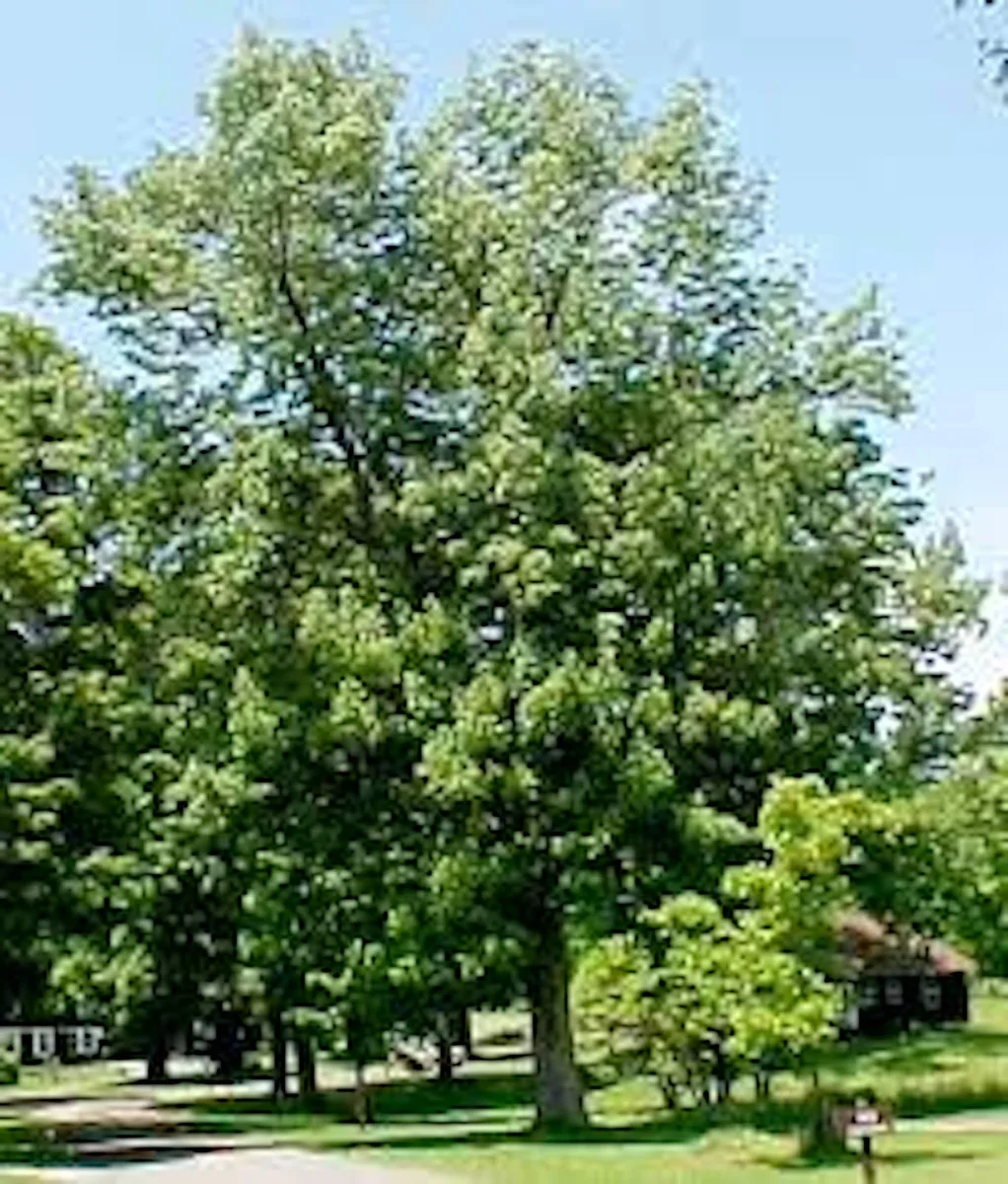
Cultivate a majestic white ash tree bare root, perfect for adding significant shade and beauty to your landscape. This 12-24 inch Fraxinus americana tree is a robust, native North American species known for its strong wood and impressive size.
Original price was: $35.00.$28.00Current price is: $28.00.

With our Alive & Thrive Guarantee, we’ve got your back for the first 30 days! If you have any concerns about your plants, just reach out to us. Our team is here to help answer your questions and guide you in selecting the best plants for your garden, climate, and unique preferences. We're excited to help you create the garden of your dreams!
Estimated arrival
Apr 12
Apr 17 - Apr 19
Apr 22 - Apr 26
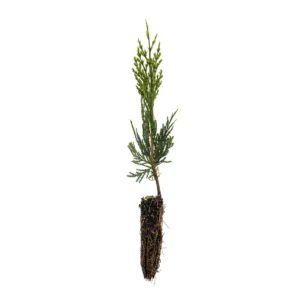
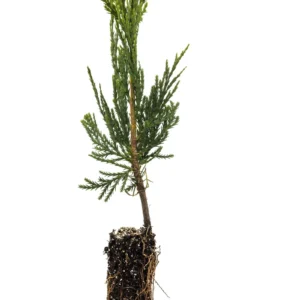
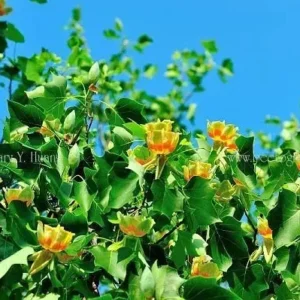
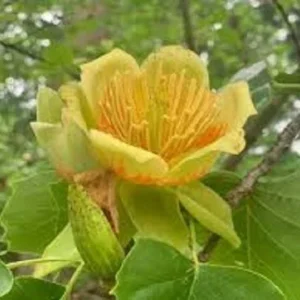
Product Details
-
USDA Hardiness Zone
3 through 9A -
Soil type
Moist, organically rich, well-drained loams; tolerant of clay, loam, sand, acidic, alkaline soils -
Sunlight Exposure
Full sun to part shade -
Expected Planting Period
Early spring or fall
Overview
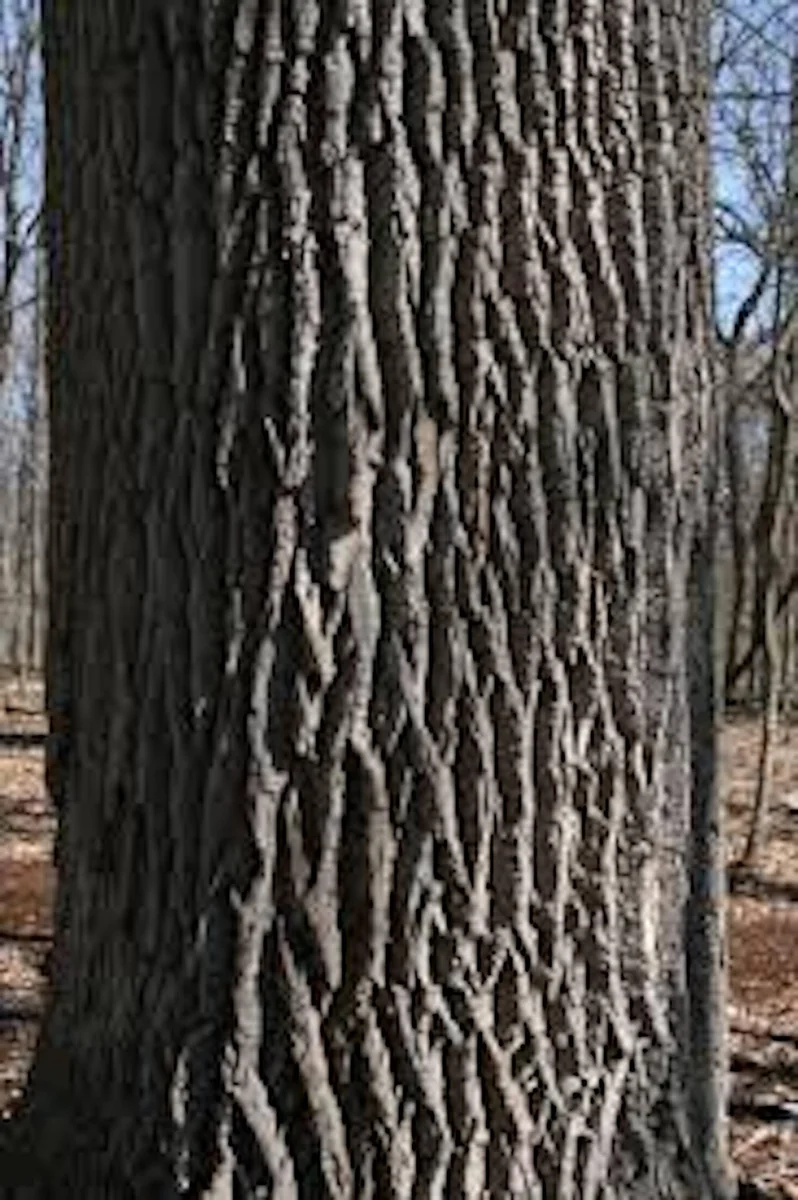
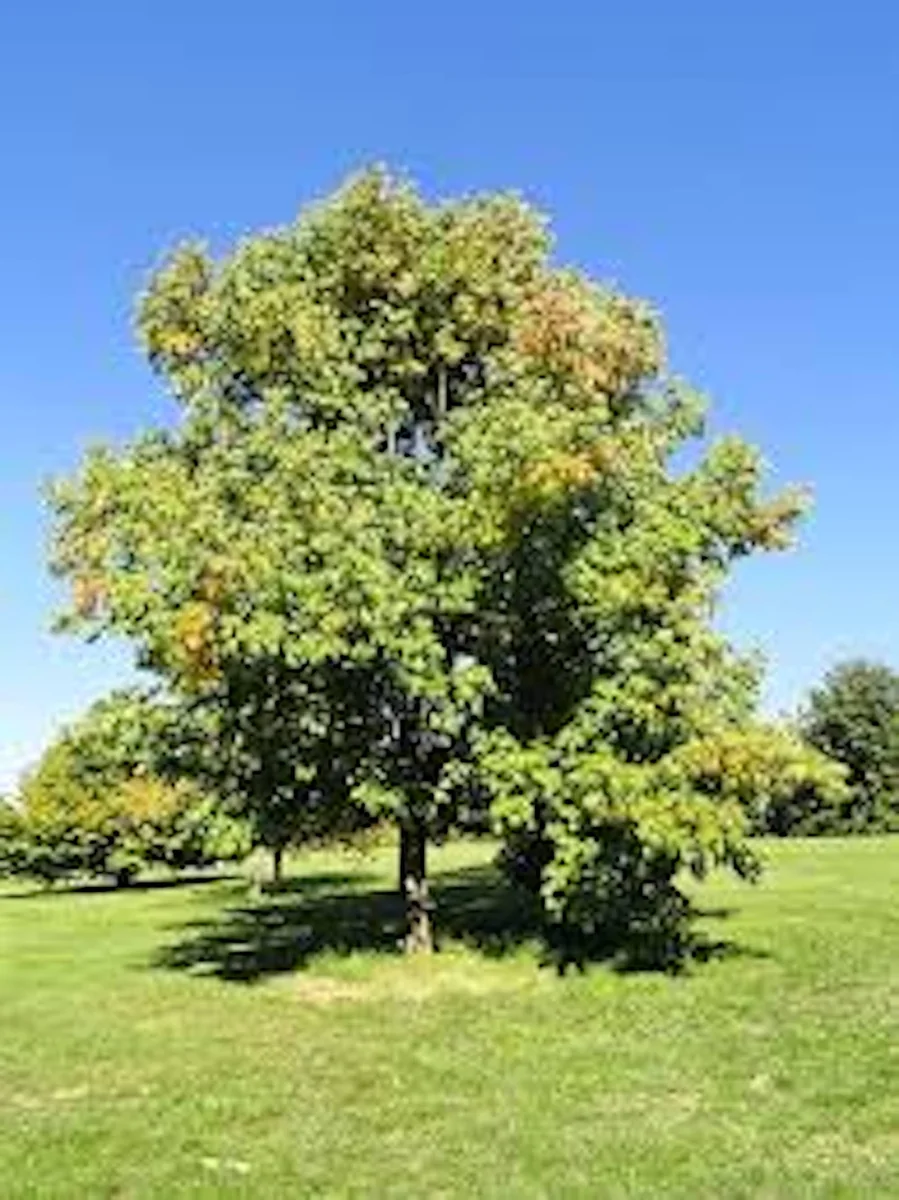
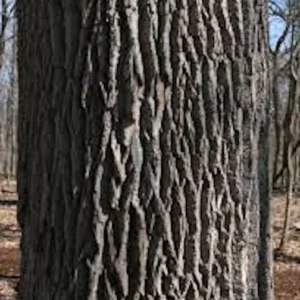
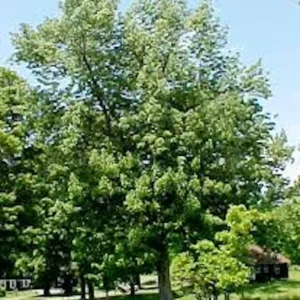
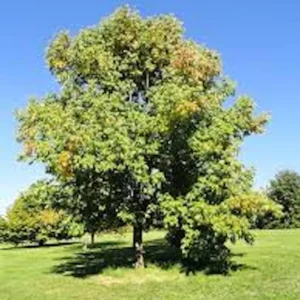
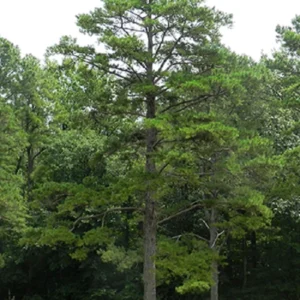
Introduce a magnificent addition to your landscape with the white ash tree bare root. This offering provides a young, vibrant Fraxinus americana tree, measuring 12-24 inches, ready to establish itself in your garden. The White Ash, scientifically known as Fraxinus americana, is a distinguished native North American species, celebrated for its robust nature and impressive stature. It’s a medium to large deciduous tree, capable of reaching heights of 50-80 feet with a spread of 40-50 feet, making it an excellent choice for creating significant shade and enhancing property value. This bare root plant provides an economical and effective way to grow a healthy, strong tree from an early stage. Its strong, dense wood has historically been utilized for various purposes, including baseball bats, tool handles, and fine furniture, highlighting its durability and versatility. The tree’s distinctive bark, featuring interlacing ridges and diamond-shaped furrows, adds unique texture and visual interest to any garden setting.
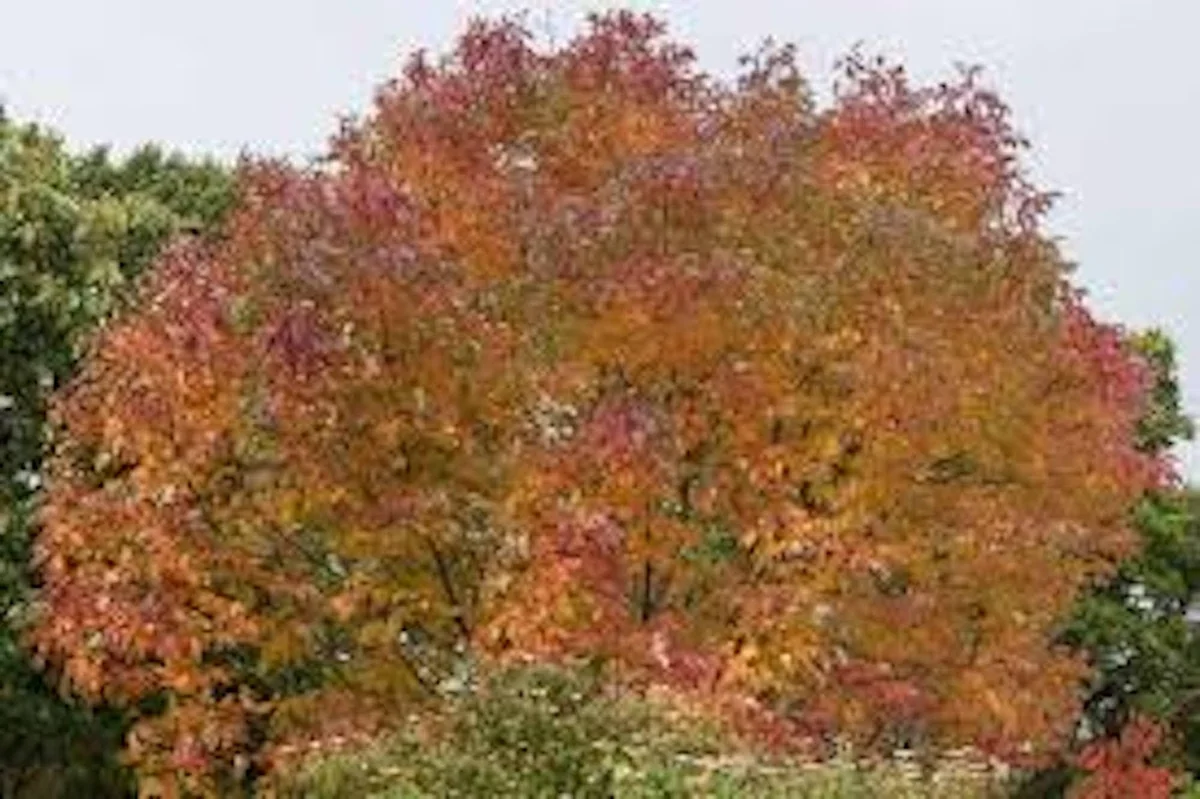
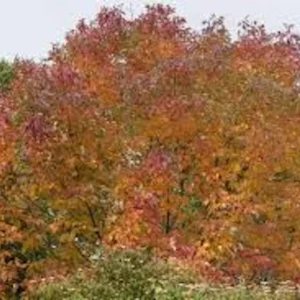
Opting for a white ash tree bare root allows for optimal planting flexibility and quick establishment when planted correctly. This method ensures the roots are directly in contact with the soil, promoting faster growth. As a significant large shade tree, the White Ash will provide ample cooling during warmer months and a stunning display of fall foliage, typically turning vibrant shades of yellow, red, and purple. Its adaptability to various soil conditions and its drought tolerance once established make it a resilient and rewarding choice for many gardeners and landscapers looking for a reliable Fraxinus americana tree.
Key Benefits
Choosing a white ash tree bare root offers numerous advantages for both home gardeners and commercial landscapers, providing a long-term investment in natural beauty and environmental health. This native species brings a wealth of benefits to any outdoor space.
- Exceptional Shade Provider: Once mature, the Fraxinus americana tree develops a broad, dense canopy, offering substantial shade that can help cool your home and outdoor living spaces during hot summer months, reducing energy costs.
- Robust & Durable Wood: Known for its strong and dense wood, the White Ash is a testament to resilience, making it a reliable and long-lasting addition to your property. Its wood quality is unparalleled among native North American trees.
- Attractive Year-Round Interest: Beyond its summer shade, the White Ash provides aesthetic appeal with its distinctive bark texture and stunning fall foliage, transforming into brilliant hues of yellow, red, and purple, contributing to a vibrant autumn landscape.
- Wildlife Habitat Support: This native ash tree serves as a valuable resource for local wildlife, providing food and shelter for various bird species and other creatures, thus supporting local biodiversity and ecological balance.
- Adaptable to Various Soils: The White Ash is remarkably adaptable, thriving in a wide range of soil conditions from clay to sand, and even tolerating temporarily flooded areas, making it suitable for diverse planting locations.
- Drought Tolerance: Once established, the white ash tree bare root exhibits moderate drought tolerance, reducing the need for frequent watering and making it a more sustainable choice for many regions.
- Excellent for Landscaping: Its majestic size and graceful form make it an ideal choice for large properties, parks, and open spaces where a significant large shade tree is desired, enhancing the overall aesthetic and grandeur of the landscape.
Plant Care & Growing Tips
Successful establishment and growth of your white ash tree bare root depend on proper care and attention, especially during its initial years. The White Ash is a resilient tree, but understanding its specific needs will ensure it thrives and becomes a magnificent feature in your garden. For light, this tree prefers full sun but can tolerate part shade, meaning it needs at least 6 hours of direct sunlight daily for optimal growth and health. In hotter climates, a little afternoon shade can be beneficial, but too much shade can lead to sparse growth and reduced vigor. When planting your Fraxinus americana tree, ensure the site has good air circulation.
Regarding soil, the White Ash grows best in moist, organically rich, well-drained loams. However, it is quite tolerant of a wide range of soil conditions, including clay, loam, sand, acidic, alkaline, and even temporarily flooded areas. This adaptability is one reason it’s such a popular ash tree for sale. For optimal growth, the soil should also have high nitrogen and moderate to high calcium levels. Prior to planting, it’s beneficial to amend the soil with compost to improve fertility and drainage. Water requirements for the white ash tree bare root are medium moisture, especially during its establishment period. While it can tolerate moderate drought once established, consistent moisture is crucial for young trees. Water deeply and regularly, especially during dry spells, ensuring the soil is moist but not waterlogged. Mulching around the base of the tree can help retain soil moisture and regulate temperature. The USDA Hardiness Zones for the White Ash are 3 through 9A, indicating its broad adaptability to various climates. Fertilization can be done in early spring with a balanced tree fertilizer, following package instructions to avoid over-fertilization. Pruning should focus on removing dead, damaged, or crossing branches to maintain a strong structure and healthy canopy. Watch out for pests and diseases, and address any issues promptly to ensure your native ash tree remains healthy.
Size & Details
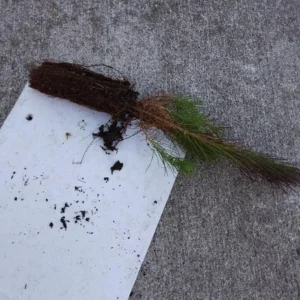
This offering is for one white ash tree bare root, measuring approximately 12-24 inches in height. Bare root trees are shipped without soil around their roots, which allows for easier transport and often quicker establishment when planted correctly. Upon arrival, it’s crucial to plant your Fraxinus americana tree promptly or temporarily heel it into moist soil if immediate planting isn’t possible. The expected growth rate for a White Ash is medium to fast, typically adding 12-24 inches per year under ideal conditions. This allows for a relatively quick development into a substantial large shade tree. The mature size of the White Ash can reach 50-80 feet in height with a spread of 40-50 feet, providing a grand presence in any landscape. It is a long-lived species, offering decades of beauty and environmental benefits. When planting, ensure you provide adequate space for its mature size, both above and below ground, to allow for optimal root and canopy development for your future ash tree for sale.
Frequently Asked Questions
- Q: How big does this white ash tree bare root get? A: This particular bare root plant is 12-24 inches tall upon arrival. Once mature, a White Ash tree can reach an impressive height of 50-80 feet with a spread of 40-50 feet, making it a significant large shade tree.
- Q: Is this an indoor or outdoor plant? A: The Fraxinus americana tree is an outdoor tree, best suited for planting in gardens, parks, or large properties where it has ample space to grow and mature.
- Q: How much sunlight does a native ash tree need? A: White Ash trees prefer full sun, meaning they need at least 6 hours of direct sunlight per day. They can tolerate part shade but will grow best with more sun exposure.
- Q: What condition will the bare root tree arrive in? A: Your white ash tree bare root will arrive dormant, without soil around its roots. This is a normal and healthy state for bare root plants, designed for successful transplanting.
- Q: When is the best time to plant a Fraxinus americana tree? A: The best time to plant bare root trees, including the White Ash, is typically in early spring after the last frost, or in the fall after the leaves have dropped, allowing the roots to establish before extreme weather.
- Q: Is this ash tree for sale easy to care for? A: Once established, the White Ash is relatively low maintenance. It requires consistent watering during its first few years but becomes moderately drought-tolerant thereafter. It’s a robust and forgiving tree.
- Q: What kind of soil does this tree prefer? A: The White Ash thrives in moist, organically rich, well-drained loams but is highly adaptable to a wide range of soil types, including clay, sand, and acidic or alkaline conditions.
- Q: Will this tree survive winter in my zone? A: The White Ash is hardy in USDA Zones 3 through 9A, meaning it is well-suited to survive winters in a broad range of climates across North America.
- Q: What are the main uses for the wood of a white ash tree bare root? A: The strong, dense wood of the White Ash is highly valued for making baseball bats, tool handles, and furniture due to its durability and shock resistance.
- Q: How often should I water my young Fraxinus americana tree? A: During its establishment phase (first 1-2 years), water deeply 1-2 times per week, especially during dry periods, to ensure the soil remains consistently moist but not waterlogged.
Related products
-20%
Original price was: $36.00.$28.80Current price is: $28.80.
-10%
Original price was: $80.99.$72.89Current price is: $72.89.
-10%
Original price was: $23.99.$21.59Current price is: $21.59.
PLANTING & CARE

Growing Glencoe Raspberry: A Complete Guide for Gardeners
If you’re looking to add something unique to your garden, look no further than the
31
Mar
Mar

The Comprehensive Guide to Growing Bay Leaf Plants for a Flavorful Garden
Imagine stepping into your garden, greeted by the earthy aroma of fresh bay leaves, their
09
Feb
Feb

How to Make Comfrey Tea: The Ultimate Organic Plant Food
Growing an organic garden can be surprisingly expensive, especially when most store-bought fertilizers come in
02
Feb
Feb

True Comfrey: 7 Essential Tips Before You Plant This Herb
A staple in permaculture practices across the US, True Comfrey easily earns its reputation as
27
Jan
Jan

7 Heart-Shaped Plants for a Lasting Valentine’s Gift
If you’ve ever bought a bouquet of roses for Valentine’s Day, you know they are
26
Jan
Jan

Best Types of Ivy Plant for Houses: How to Choose the Perfect Ones for Your Home
Are you a garden lover looking to introduce some greenery into your home? Maybe you’ve
14
Nov
Nov

When to Harvest Garlic (Especially Fall-Planted Garlic)
TIMING IS EVERYTHING, they say – and for garlic, that truth hits with surprising accuracy.
13
Nov
Nov

11 of the Best Sweet Potato Varieties to Grow for Your Garden
If you’ve ever tried growing sweet potatoes, you know that picking the right variety can
12
Nov
Nov