White Chayote Squash Live Plant – Rare Variety – 6 inch Pot – Edible Vegetable
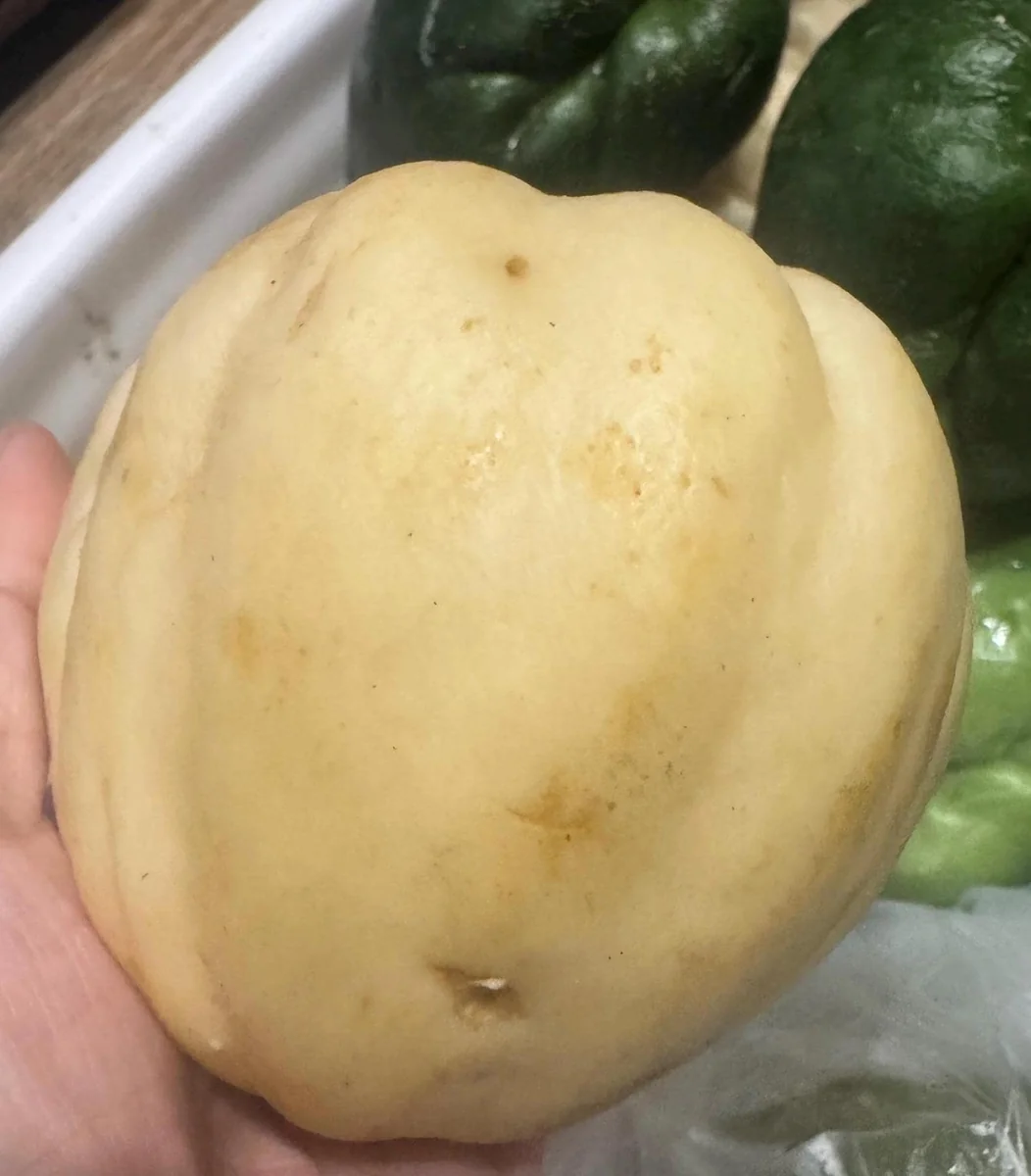
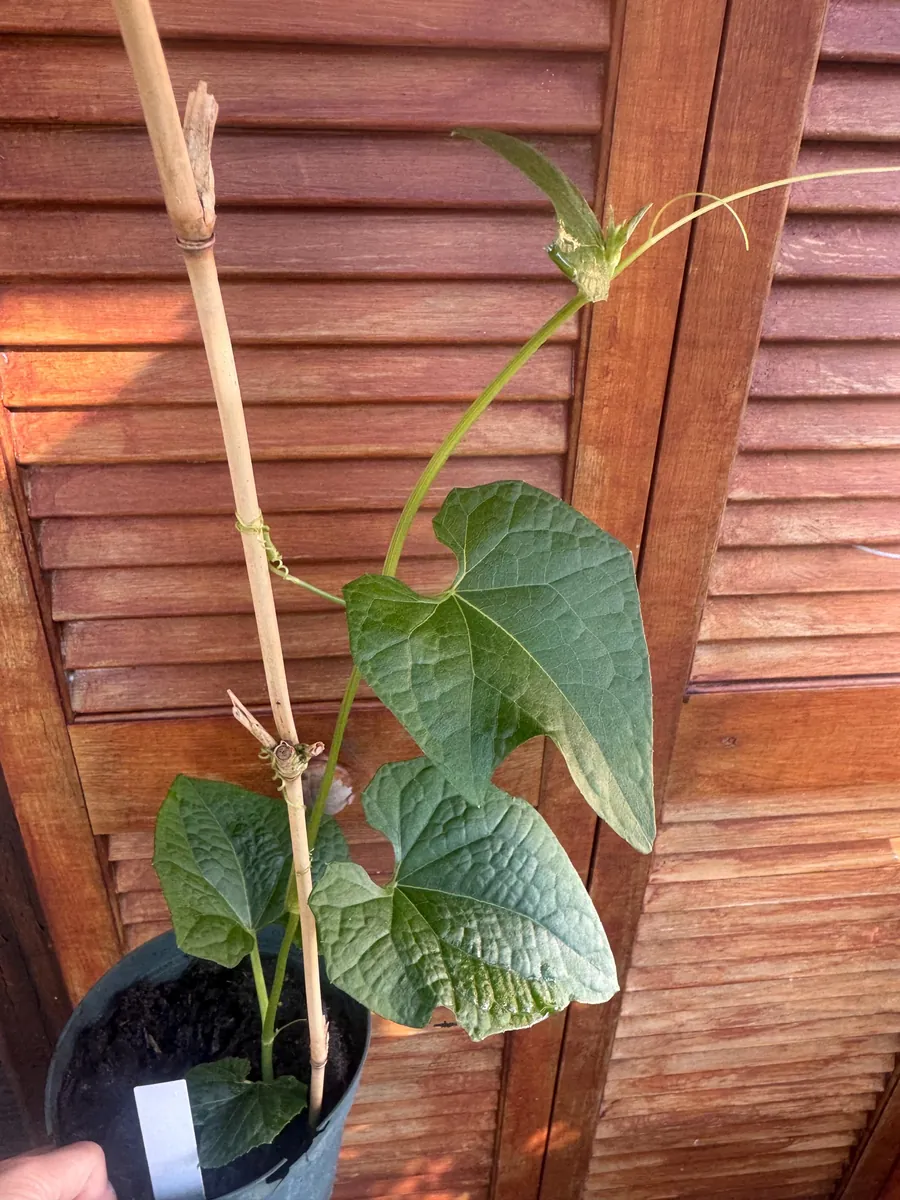
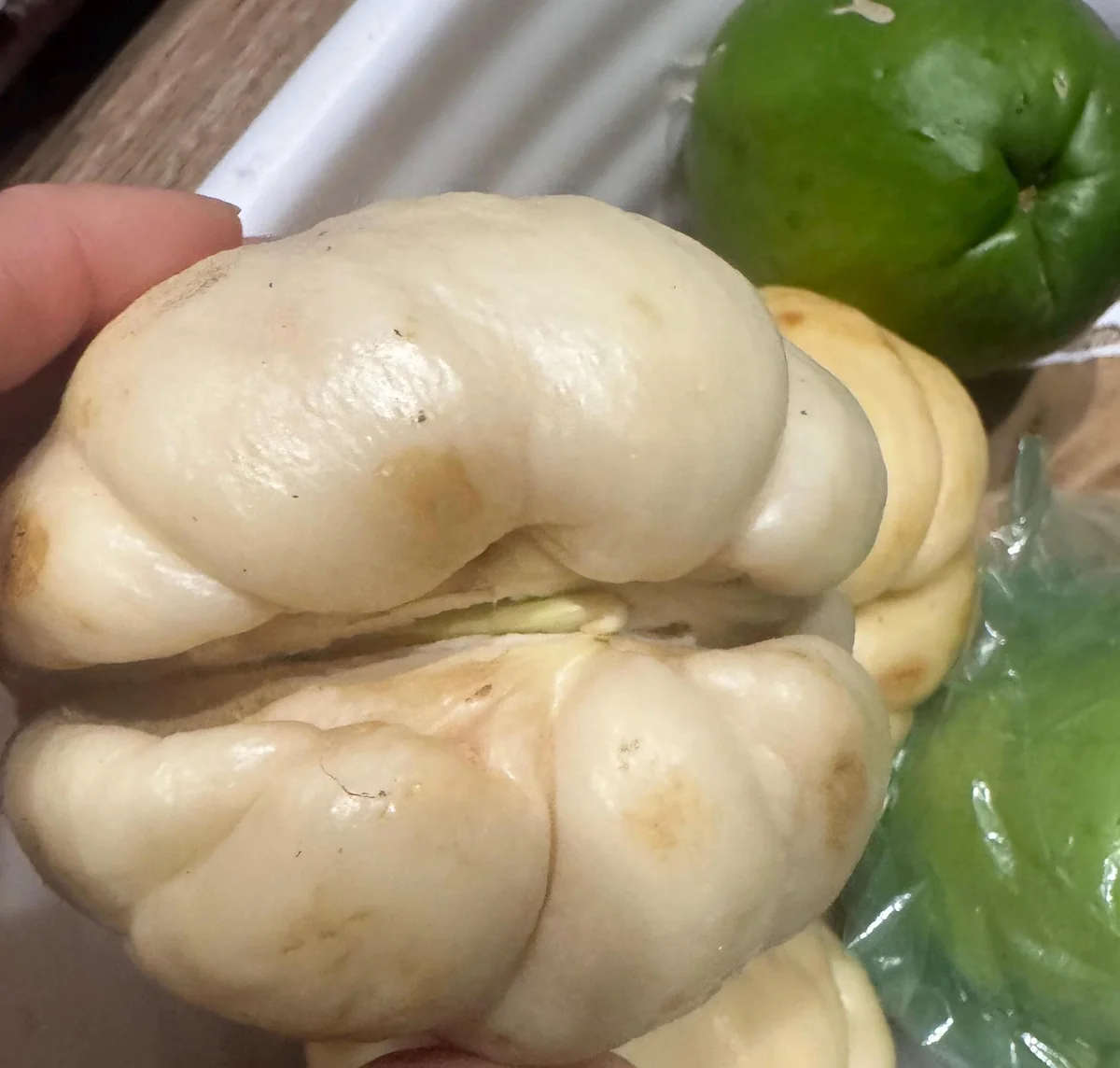
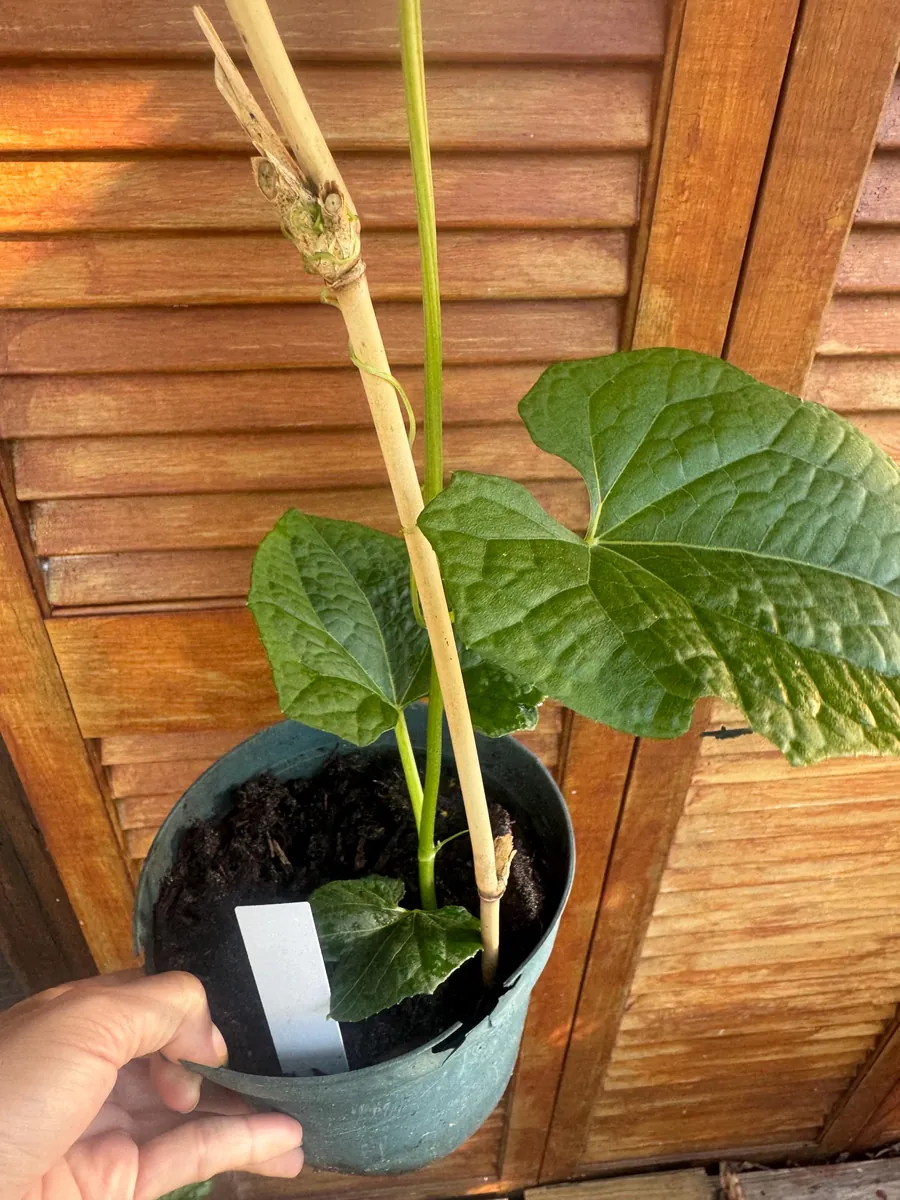
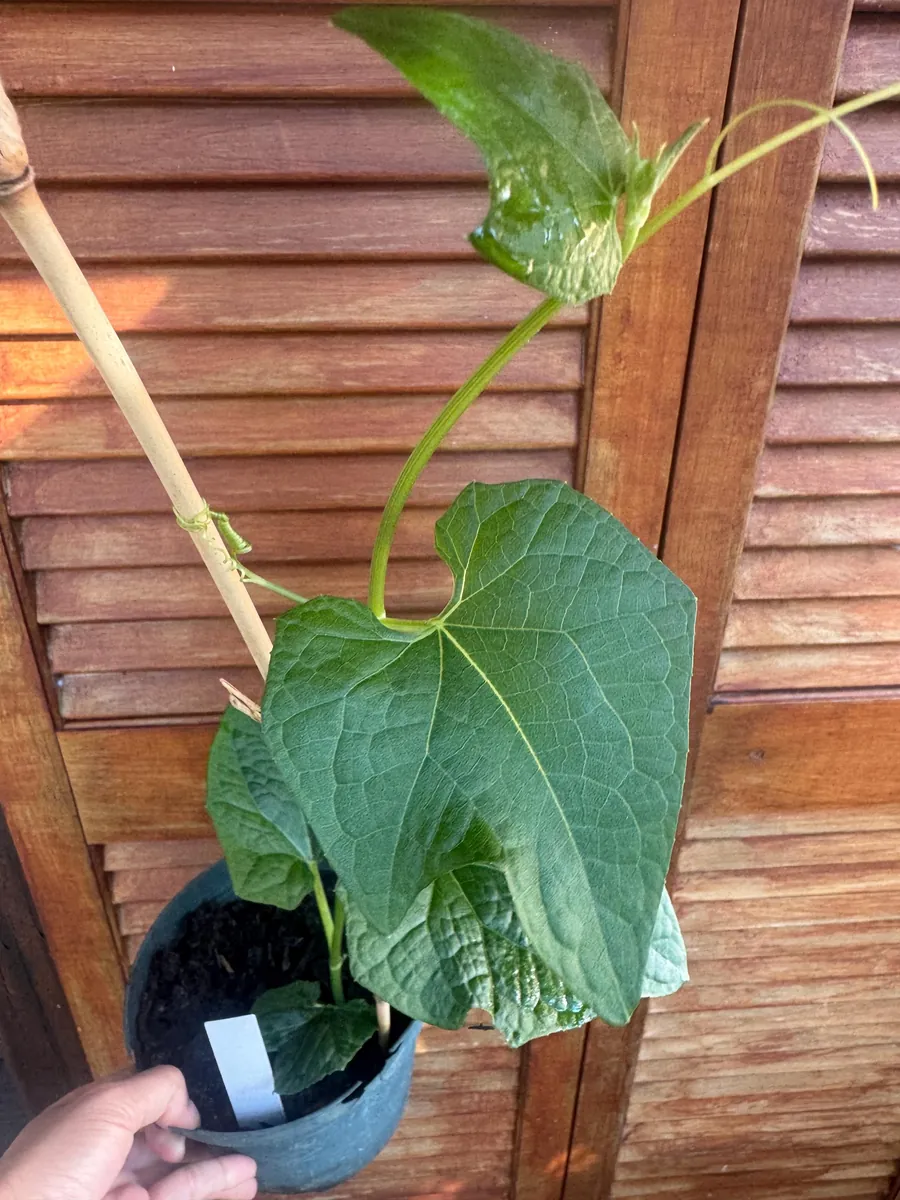
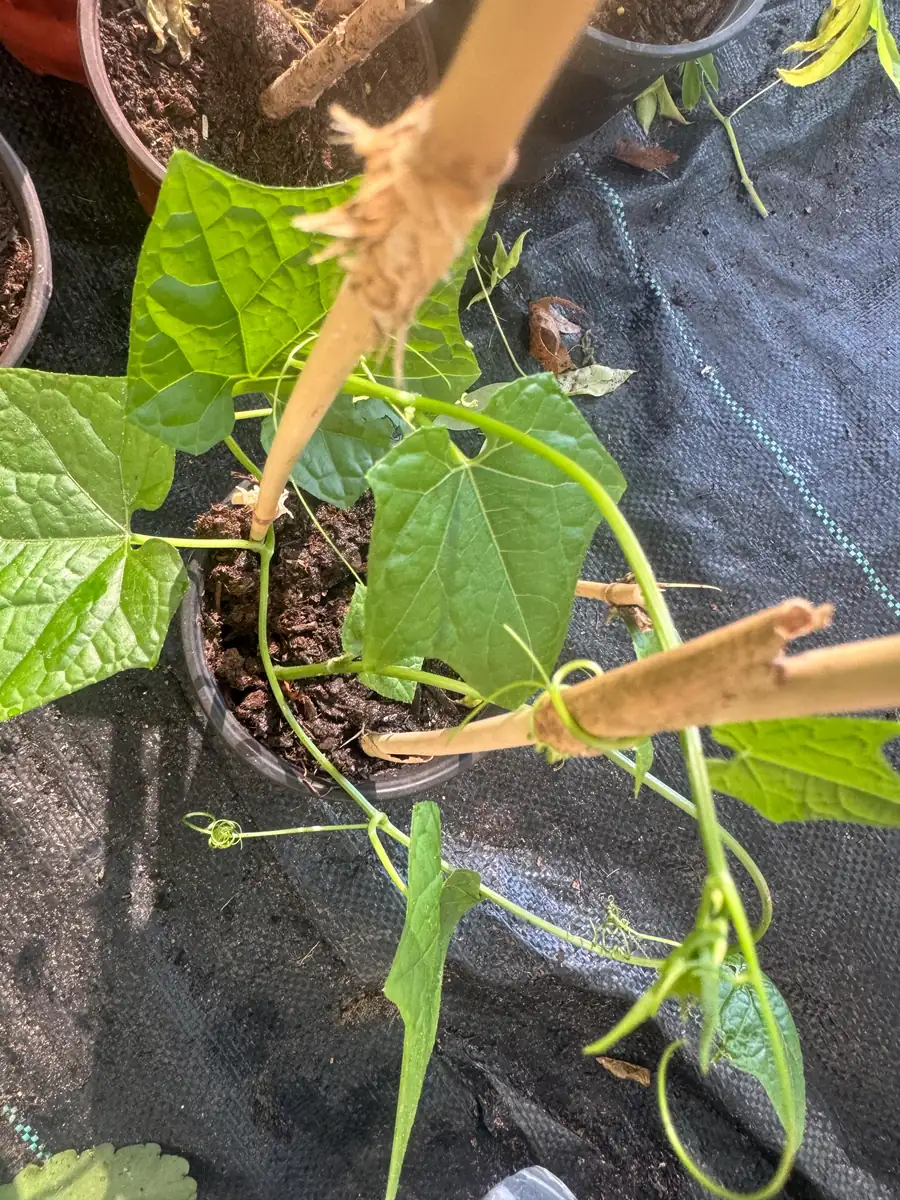
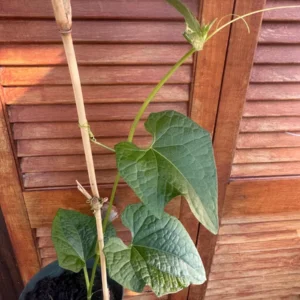
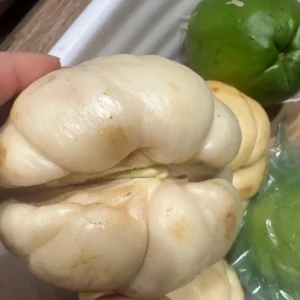
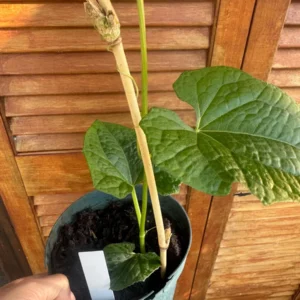
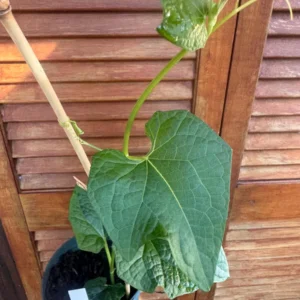
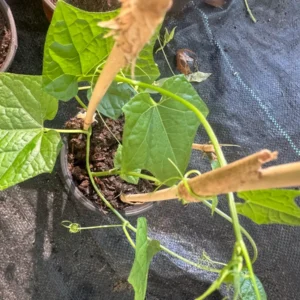
White Chayote Squash Live Plant – Rare Variety – 6 inch Pot – Edible Vegetable
Cultivate the unique white chayote squash live plant, a rare and delicious vegetable. This plant comes in a 6 inch pot, ready for planting, offering creamy white fruit with a mild, versatile flavor. Perfect for home gardens and culinary exploration.
$53.98

With our Alive & Thrive Guarantee, we’ve got your back for the first 30 days! If you have any concerns about your plants, just reach out to us. Our team is here to help answer your questions and guide you in selecting the best plants for your garden, climate, and unique preferences. We're excited to help you create the garden of your dreams!
Estimated arrival
Mar 31
Apr 05 - Apr 07
Apr 10 - Apr 14
Product Details
-
USDA Hardiness Zone
USDA zones 8-11 (as perennial), cooler zones (as annual) -
Soil type
Well-draining, rich in organic matter -
Sunlight Exposure
Full sun (6-8+ hours daily) -
Expected Planting Period
Late spring to early summer (after last frost)
Overview
Discover the unique and delicious white chayote squash live plant, a rare and sought-after variety perfect for any home garden. Also known as Chayote Blanco, this exceptional plant produces creamy yellow to white fruit with a delicate, mild flavor profile often described as a blend of cucumber, zucchini, and turnip. Unlike its green counterpart, the rare chayote variety offers a distinct culinary experience that is gaining popularity among gardeners and chefs alike. This live plant, provided in a 6 inch pot, is ready to be transplanted and begin its journey of providing you with an abundance of fresh, versatile squash. Whether you’re an experienced gardener or just starting, adding an edible squash plant like the white chayote to your collection promises a rewarding harvest and unique flavors for your kitchen.
The chayote plant (Sechium edule) is a member of the gourd family (Cucurbitaceae) and is native to Mesoamerica. While green chayote is more common, the white chayote squash live plant stands out for its paler skin and slightly sweeter, milder taste. It has a distinctive pear-like shape and a firm, crisp texture when raw, which softens beautifully when cooked. This makes it incredibly versatile, suitable for a wide range of dishes from fresh salads to hearty stews. Cultivating your own chayote blanco plant ensures you have access to this special ingredient, free from pesticides and picked at peak freshness.
Key Benefits
Adding a white chayote squash live plant to your garden offers numerous advantages, both culinary and horticultural. This unique vegetable provides a fresh, healthy ingredient for your kitchen while offering a vigorous and productive vine for your garden.
- Unique Culinary Experience: Enjoy the mild, refreshing flavor of this rare chayote variety. Its blend of cucumber, zucchini, and turnip notes makes it a versatile ingredient for a wide array of dishes, from raw salads to cooked casseroles and stir-fries.
- High Yielding: Chayote plants are known for their prolific production, providing a generous harvest of fruits throughout the growing season, ensuring a steady supply of this delicious squash.
- Nutrient-Rich Vegetable: White chayote is a healthy addition to your diet, rich in vitamins, minerals, and dietary fiber, contributing to a balanced and nutritious meal plan.
- Vigorous Growth: As a vining plant, the white chayote squash live plant offers lush foliage and can be trained on trellises or arbors, adding an attractive green element to your garden while producing food.
- Adaptable to Various Cuisines: Popular in many Latin American and Caribbean communities, particularly Puerto Rican cuisine, this squash can easily be incorporated into diverse recipes, expanding your culinary horizons.
- Freshness Guaranteed: Growing white chayote at home means you get to enjoy the freshest possible produce, picked at its prime for optimal taste and texture, unlike store-bought options.
- Educational and Rewarding: For home gardeners, cultivating this distinctive edible squash plant is a rewarding experience, offering insights into vegetable growth and the satisfaction of harvesting your own food.
Plant Care & Growing Tips
Caring for your white chayote squash live plant is straightforward, and with the right conditions, it will thrive and produce abundant fruit. Chayote is a warm-season crop that prefers a long growing season. It performs best in USDA zones 8-11, where it can be grown as a perennial. In cooler zones, it is typically grown as an annual. Provide a location with full sun, meaning at least 6-8 hours of direct sunlight per day, for optimal fruiting. Good air circulation is also beneficial to prevent fungal diseases, especially on the dense foliage of an established chayote blanco plant.
When it comes to watering, consistent moisture is key, especially during fruiting. The soil should be kept evenly moist but never waterlogged. Overwatering can lead to root rot, while underwatering can stress the plant and reduce fruit production. A well-draining soil rich in organic matter is ideal. Amend heavy clay soils with compost to improve drainage and fertility. The plant is a heavy feeder, so fertilize regularly with a balanced organic fertilizer, particularly once flowering and fruiting begin. Support is crucial for this vining plant; install a sturdy trellis, arbor, or fence for it to climb. This not only keeps the fruit off the ground, reducing pest and disease issues, but also maximizes space in your garden. Regular pruning to manage growth and remove dead or diseased foliage can also encourage better air circulation and fruit set for your growing white chayote.
Protect your white chayote squash live plant from pests like squash bugs and cucumber beetles by regularly inspecting the leaves and stems. Organic pest control methods, such as hand-picking pests or applying neem oil, can be effective. In cooler climates, consider starting your plant indoors a few weeks before the last frost date to give it a head start, or protect it with row covers if temperatures drop unexpectedly. With proper care, your edible squash plant will reward you with a bountiful harvest of delicious white chayote.
Size & Details
This offering is for one white chayote squash live plant, meticulously nurtured and delivered to you in a 6 inch nursery pot. The plant is typically 6-12 inches tall upon arrival, with established roots, ready for immediate transplanting into your garden or a larger container. As a vigorous vining plant, chayote can grow quite large, with vines extending 20-30 feet or more in a single season if given adequate support and space. The fruit itself is pear-shaped, ranging from 4-8 inches in length, and typically weighs between 0.5 to 1.5 pounds each. You can expect your rare chayote variety to begin producing fruit within 3-4 months after planting, with continuous production throughout the warm season until the first hard frost. This particular chayote blanco plant is an excellent choice for gardeners looking for a unique and productive vegetable to add to their culinary repertoire.
Frequently Asked Questions
- Q: How big does this plant get? A: The white chayote squash live plant is a vigorous vining plant whose vines can extend 20-30 feet or more in a single growing season. It requires substantial support like a trellis or arbor.
- Q: What size pot does it come in? A: This edible squash plant is shipped in a 6 inch nursery pot, with an established root system, ready for transplanting.
- Q: Is this an indoor or outdoor plant? A: While it can be started indoors, the white chayote squash live plant is primarily an outdoor plant that thrives in full sun and warm temperatures. It can be grown as a perennial in USDA zones 8-11 and as an annual in cooler climates.
- Q: How much sunlight does it need? A: For optimal growth and fruiting, your chayote blanco plant requires full sun, meaning at least 6-8 hours of direct sunlight per day.
- Q: Is this plant easy to care for? A: Yes, growing white chayote is relatively easy for most gardeners, provided it has ample sunlight, consistent moisture, well-draining soil, and strong vertical support for its vines.
- Q: What condition will it arrive in? A: Your white chayote squash live plant will arrive as a healthy, actively growing plant in a 6 inch pot, carefully packaged to ensure its safe journey.
- Q: Can I use white chayote in cooking? A: Absolutely! White chayote has a mild, versatile flavor that can be used raw in salads, or cooked in stir-fries, soups, stews, casseroles, and much more. It’s a popular ingredient in many cuisines.
- Q: How long until it produces fruit? A: You can typically expect your rare chayote variety to start producing fruit within 3-4 months after transplanting, and it will continue to bear fruit throughout the warm season.
- Q: What is the best time to plant? A: The best time to plant your white chayote squash live plant outdoors is after all danger of frost has passed and soil temperatures have warmed up, typically in late spring or early summer.
- Q: Will it survive winter in my zone? A: In USDA zones 8-11, chayote can survive mild winters and grow as a perennial. In colder zones, it is typically grown as an annual and will not survive hard freezes.
Related products
-20%
Original price was: $100.00.$80.00Current price is: $80.00.
-22%
Original price was: $160.99.$125.99Current price is: $125.99.
-50%
Original price was: $63.96.$31.98Current price is: $31.98.
-20%
Original price was: $84.00.$67.20Current price is: $67.20.
-20%
Original price was: $48.00.$38.40Current price is: $38.40.
-20%
Original price was: $36.00.$28.80Current price is: $28.80.
-54%
From Original price was: $20.99.$10.49Current price is: $10.49.
PLANTING & CARE

The Comprehensive Guide to Growing Bay Leaf Plants for a Flavorful Garden
Imagine stepping into your garden, greeted by the earthy aroma of fresh bay leaves, their
09
Feb
Feb

How to Make Comfrey Tea: The Ultimate Organic Plant Food
Growing an organic garden can be surprisingly expensive, especially when most store-bought fertilizers come in
02
Feb
Feb

True Comfrey: 7 Essential Tips Before You Plant This Herb
A staple in permaculture practices across the US, True Comfrey easily earns its reputation as
27
Jan
Jan

7 Heart-Shaped Plants for a Lasting Valentine’s Gift
If you’ve ever bought a bouquet of roses for Valentine’s Day, you know they are
26
Jan
Jan

Best Types of Ivy Plant for Houses: How to Choose the Perfect Ones for Your Home
Are you a garden lover looking to introduce some greenery into your home? Maybe you’ve
14
Nov
Nov

When to Harvest Garlic (Especially Fall-Planted Garlic)
TIMING IS EVERYTHING, they say – and for garlic, that truth hits with surprising accuracy.
13
Nov
Nov

11 of the Best Sweet Potato Varieties to Grow for Your Garden
If you’ve ever tried growing sweet potatoes, you know that picking the right variety can
12
Nov
Nov
Pruning Bougainvillea for Winter
Bougainvillea vines are known for their dazzling display of magenta, orange, and fuchsia bracts that
05
Nov
Nov