White Polka Dot Plant – 2 inch Hypoestes Phyllostachya Live Houseplant
-50%
White Polka Dot Plant – 2 inch Hypoestes Phyllostachya Live Houseplant
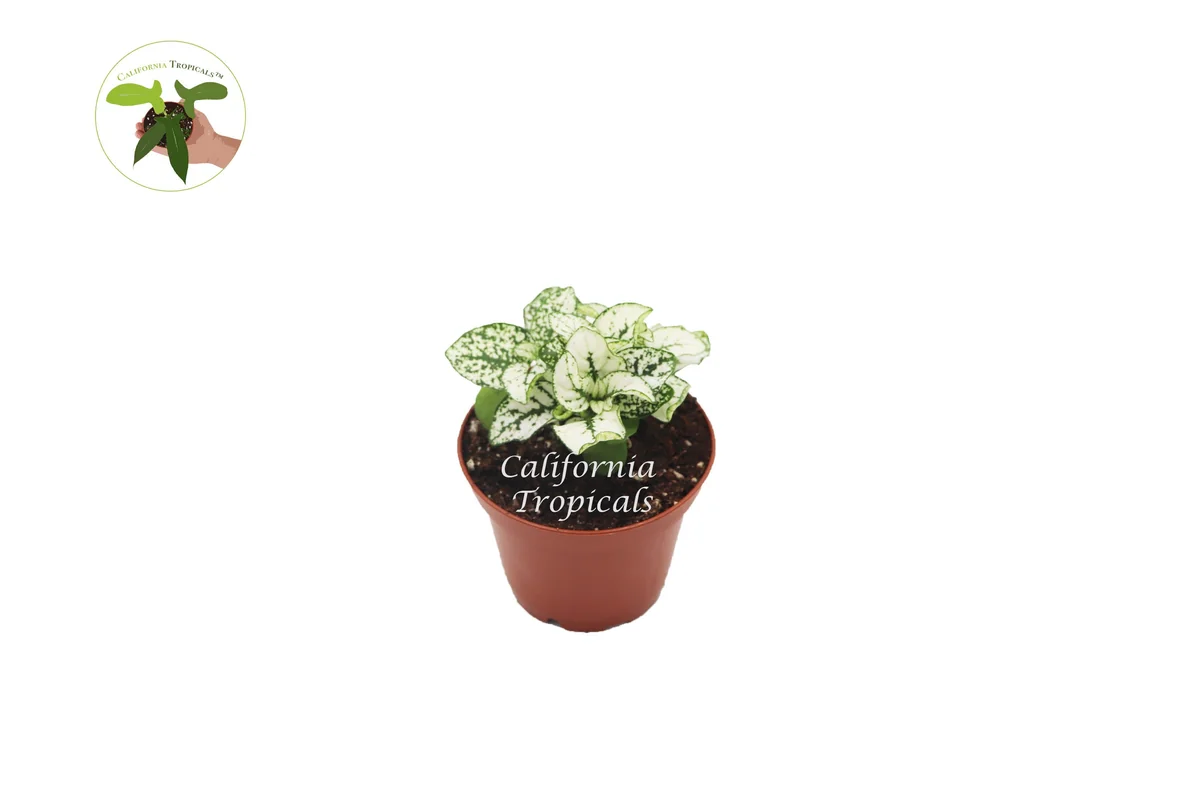
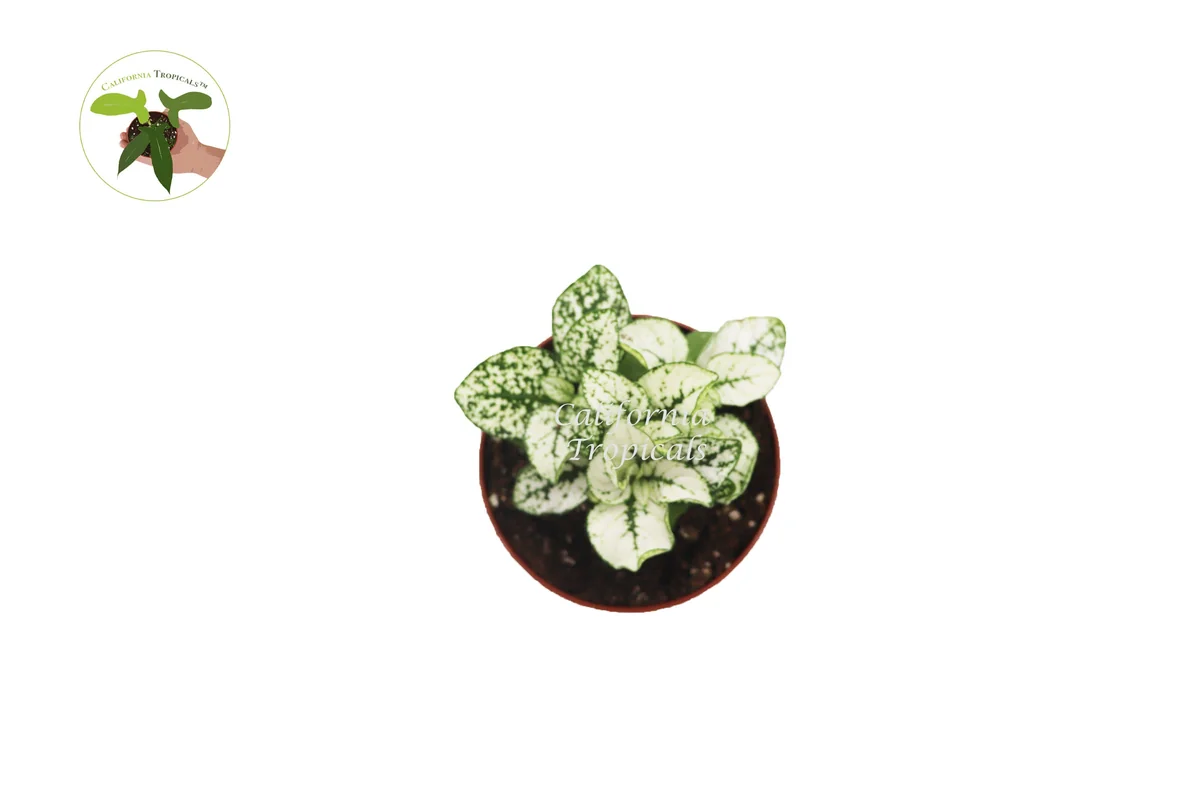
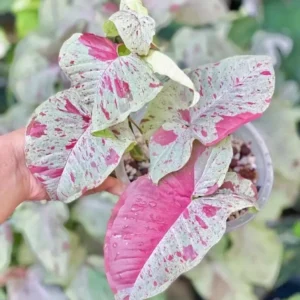
Add a vibrant touch to your indoor space with this captivating white polka dot plant. This 2-inch live houseplant, scientifically known as Hypoestes Phyllostachya, features striking white and green foliage, making it a perfect decorative accent. It’s an easy care indoor plant, ideal for beginners or seasoned plant enthusiasts looking for unique color.
Original price was: $51.96.$25.98Current price is: $25.98.

With our Alive & Thrive Guarantee, we’ve got your back for the first 30 days! If you have any concerns about your plants, just reach out to us. Our team is here to help answer your questions and guide you in selecting the best plants for your garden, climate, and unique preferences. We're excited to help you create the garden of your dreams!
Estimated arrival
Mar 31
Apr 05 - Apr 07
Apr 10 - Apr 14
Product Details
-
USDA Hardiness Zone
year-round indoors -
Soil type
well-draining potting mix -
Sunlight Exposure
bright indirect light -
Expected Planting Period
year-round indoors
Overview
Introduce a burst of natural charm into your home with the white polka dot plant, a stunning live houseplant known for its distinctive foliage. This particular variety, a 2-inch specimen of Hypoestes Phyllostachya, is celebrated for its bright green leaves adorned with eye-catching white spots, creating a playful and elegant aesthetic. Often referred to simply as the Polka Dot Plant, it’s a popular choice among indoor gardeners due to its vibrant appearance and relatively straightforward care requirements. Whether you’re starting an indoor garden or looking to diversify your current collection, this plant offers a unique visual appeal that can brighten any room or office space. Its compact size makes it perfect for desks, shelves, or as part of a terrarium.
The Hypoestes Phyllostachya, or polka dot plant indoor, originates from Madagascar and is cherished for its ornamental value. While it can produce small, inconspicuous flowers, its primary allure lies in its decorative leaves. The striking contrast between the green and white hues is what makes this plant a focal point in any setting. This live houseplant arrives ready to thrive in your environment, promising to add a fresh, lively element to your decor. Its unique pattern ensures it stands out from more common green foliage plants, providing a touch of whimsy and sophistication.
Key Benefits
The white polka dot plant offers numerous advantages beyond its captivating appearance, making it a delightful addition to any indoor plant collection. Its vibrant colors and manageable size contribute to a more engaging and lively living space.
- Vibrant Foliage: The distinct white spots on green leaves provide a continuous display of color and pattern, offering year-round visual interest unlike many flowering plants. This makes it an excellent choice for adding dynamic aesthetics to your home or office.
- Compact Size: As a 2-inch live plant, it’s perfectly sized for small spaces, windowsills, desks, or as part of a mixed plant arrangement. Its growth habit remains relatively compact, making it an ideal easy care indoor plant even for limited areas.
- Air Purification: Like many houseplants, the hypoestes phyllostachya care involves contributing to healthier indoor air by helping to filter out common toxins, improving the overall quality of your breathing environment.
- Beginner-Friendly: With straightforward care needs, this plant is an excellent choice for those new to gardening. It’s forgiving and provides clear signals when it needs attention, simplifying the learning curve for new plant parents.
- Versatile Decor: Its unique appearance complements a wide range of interior design styles, from modern minimalist to bohemian chic. It can be a standalone statement piece or blend harmoniously with other plants.
- Enhances Mood: The presence of living plants, especially those with vibrant colors, has been shown to boost mood, reduce stress, and increase feelings of well-being, contributing to a more positive home atmosphere.
- Easy Propagation: For those interested in expanding their collection, polka dot plants are relatively easy to propagate from cuttings, offering an economical way to create new plants for yourself or to share with friends.
Plant Care & Growing Tips
Caring for your white polka dot plant is a rewarding experience, as this plant is quite resilient and responsive to proper attention. Understanding its basic needs will ensure it remains vibrant and healthy, showcasing its beautiful patterned leaves. One of the most important aspects of hypoestes phyllostachya care is providing the right lighting conditions. These plants thrive in bright, indirect light. Direct sunlight can scorch their delicate leaves and cause the vibrant colors to fade, while too little light can lead to leggy growth and less pronounced spotting. An east-facing window is often ideal, or a spot a few feet away from a south or west-facing window.
When it comes to watering, consistency is key for your polka dot plant indoor. Keep the soil consistently moist but never waterlogged. Allow the top inch of soil to dry out slightly between waterings. Overwatering can lead to root rot, a common issue for many houseplants. Ensure your pot has drainage holes to prevent water accumulation. This easy care indoor plant prefers a humid environment, so consider misting its leaves regularly, especially during dry winter months, or placing it near a humidifier. A well-draining potting mix is essential; a standard houseplant mix amended with perlite or peat moss works well. Fertilize every 2-4 weeks during the growing season (spring and summer) with a balanced liquid fertilizer diluted to half strength. Reduce feeding in fall and winter when growth slows. Pinching back the plant regularly helps maintain a bushy, compact shape and encourages more lateral growth, preventing it from becoming too leggy.
Size & Details
This offering is for a vibrant white polka dot plant, a live houseplant that measures approximately 2 inches in diameter. It is typically shipped in its original nursery pot, ensuring minimal transplant shock upon arrival. The plant’s compact size makes it an excellent choice for small decorative pots, terrariums, or as part of a larger indoor plant display. Polka dot plants generally have a moderate growth rate, and with proper care, they can reach a height of 6 to 12 inches indoors, spreading similarly in width. Its mature size will depend on growing conditions and how often it is pinched back.
You can expect this live houseplant to arrive healthy and well-established, ready to continue growing in your home. The distinctive white and green patterned leaves are already well-formed, providing instant visual appeal. While this plant is primarily grown for its foliage, it may occasionally produce small, lavender-colored flowers. It performs best when kept in a warm indoor environment, away from cold drafts, making it a perfect year-round addition to your interior decor.
Frequently Asked Questions
- Q: How big does this 2 inch white polka dot plant get? A: While it starts at 2 inches, with proper care, your white polka dot plant can grow to be about 6 to 12 inches tall and wide indoors. Regular pinching helps maintain a bushier, more compact shape.
- Q: Is this an indoor or outdoor plant? A: The polka dot plant indoor is primarily grown as a houseplant in most climates. It can be grown outdoors in shaded areas in warmer, humid climates (USDA zones 10-11) but is typically enjoyed indoors.
- Q: How much sunlight does the Hypoestes Phyllostachya need? A: This plant thrives in bright, indirect light. Direct sun can fade its colors or burn its leaves, while too little light can make it leggy. A north or east-facing window is often ideal for optimal hypoestes phyllostachya care.
- Q: Is this plant easy to care for, especially for beginners? A: Yes, the white polka dot plant is considered an easy care indoor plant, making it suitable for beginners. It’s relatively forgiving and will show clear signs if it needs more water or light.
- Q: What condition will the live houseplant arrive in? A: Your live houseplant will be carefully packaged and shipped in its 2-inch nursery pot, ensuring it arrives in excellent condition, ready to be placed in your home. We take great care to protect it during transit.
- Q: How often should I water my polka dot plant? A: Water when the top inch of soil feels dry to the touch. It prefers consistently moist, but not soggy, soil. Typically, this means watering every few days, depending on your home’s humidity and temperature.
- Q: Is the white polka dot plant pet-safe? A: Unfortunately, no. The white polka dot plant is considered mildly toxic to pets if ingested, potentially causing mild digestive upset. It’s best to keep it out of reach of curious pets.
- Q: Does this plant require high humidity? A: Yes, the Hypoestes Phyllostachya appreciates high humidity. You can increase humidity by misting daily, using a pebble tray, or placing it near a humidifier, especially in dry indoor environments.
- Q: Can I propagate this plant? A: Yes, the white polka dot plant is quite easy to propagate from stem cuttings. Simply take a cutting, remove the lower leaves, and place it in water or moist potting mix until roots develop.
- Q: What kind of soil is best for this plant? A: A well-draining potting mix is crucial. A standard houseplant mix amended with perlite or peat moss to improve drainage and aeration is ideal for healthy root growth.
Related products
-25%
Original price was: $23.80.$17.84Current price is: $17.84.
-25%
Original price was: $16.80.$12.60Current price is: $12.60.
-30%
Original price was: $13.98.$9.78Current price is: $9.78.
PLANTING & CARE

The Comprehensive Guide to Growing Bay Leaf Plants for a Flavorful Garden
Imagine stepping into your garden, greeted by the earthy aroma of fresh bay leaves, their
09
Feb
Feb

How to Make Comfrey Tea: The Ultimate Organic Plant Food
Growing an organic garden can be surprisingly expensive, especially when most store-bought fertilizers come in
02
Feb
Feb

True Comfrey: 7 Essential Tips Before You Plant This Herb
A staple in permaculture practices across the US, True Comfrey easily earns its reputation as
27
Jan
Jan

7 Heart-Shaped Plants for a Lasting Valentine’s Gift
If you’ve ever bought a bouquet of roses for Valentine’s Day, you know they are
26
Jan
Jan

Best Types of Ivy Plant for Houses: How to Choose the Perfect Ones for Your Home
Are you a garden lover looking to introduce some greenery into your home? Maybe you’ve
14
Nov
Nov

When to Harvest Garlic (Especially Fall-Planted Garlic)
TIMING IS EVERYTHING, they say – and for garlic, that truth hits with surprising accuracy.
13
Nov
Nov

11 of the Best Sweet Potato Varieties to Grow for Your Garden
If you’ve ever tried growing sweet potatoes, you know that picking the right variety can
12
Nov
Nov
Pruning Bougainvillea for Winter
Bougainvillea vines are known for their dazzling display of magenta, orange, and fuchsia bracts that
05
Nov
Nov