White Turmeric Rhizomes for Planting – Mango Ginger – Live Plant
-50%

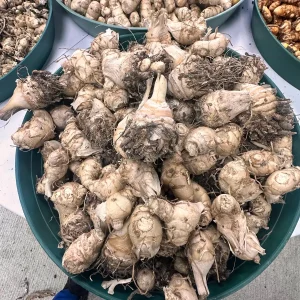
White Turmeric Rhizomes for Planting – Mango Ginger – Live Plant
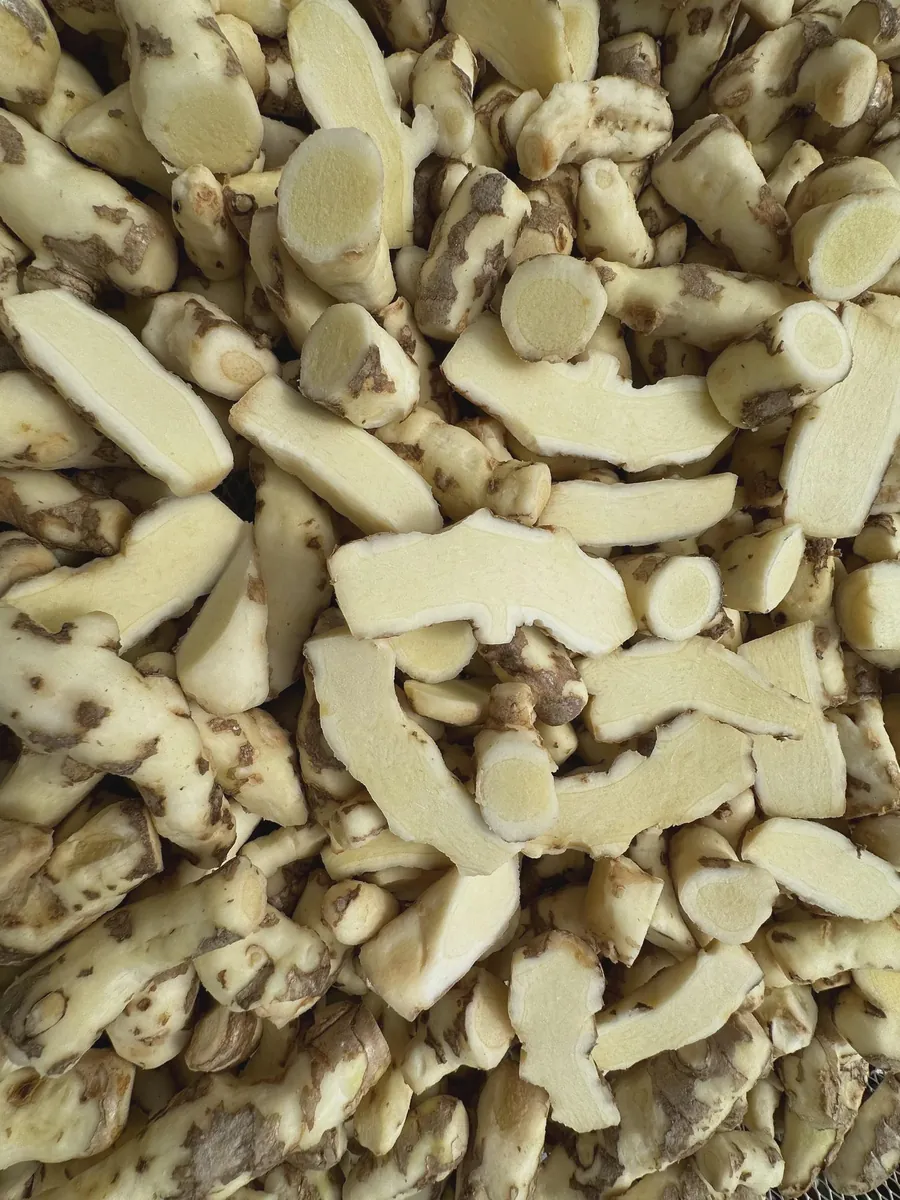
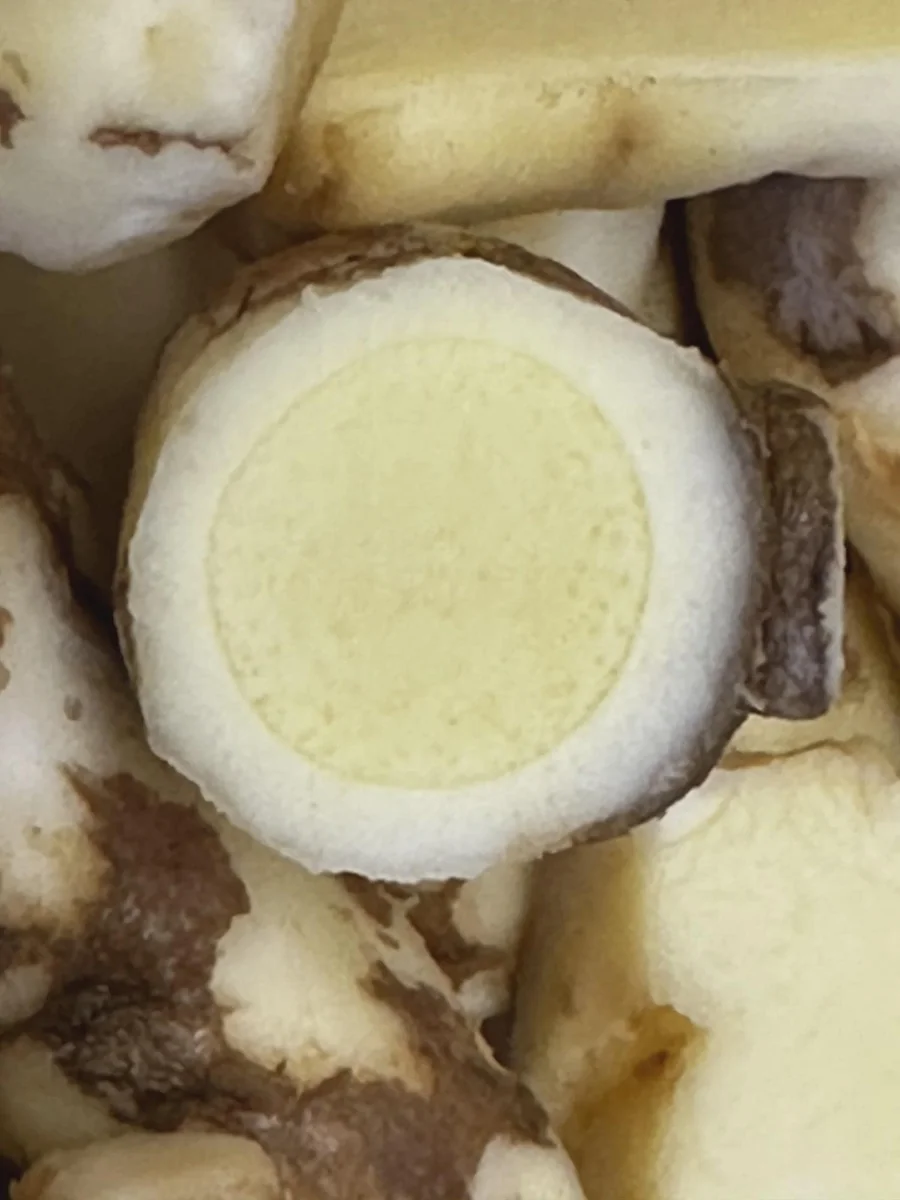
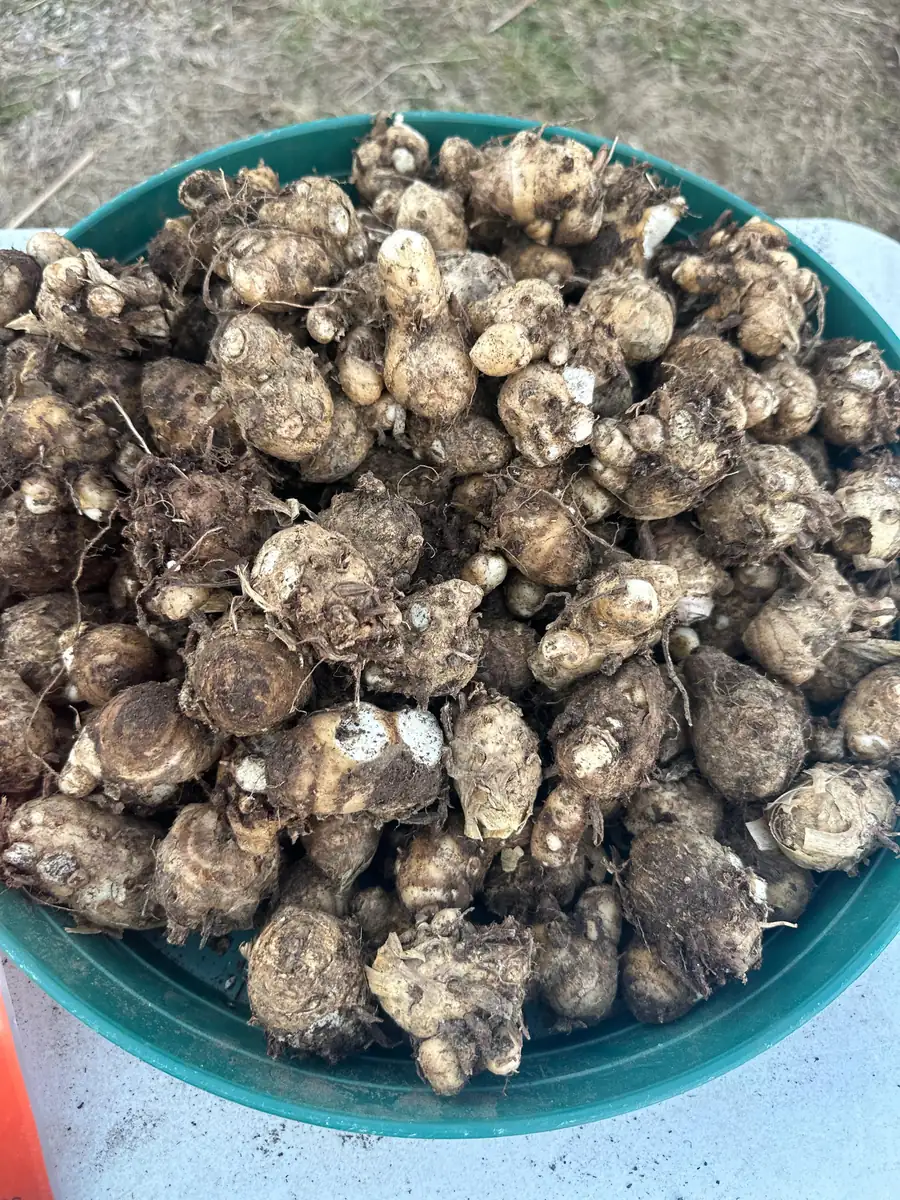
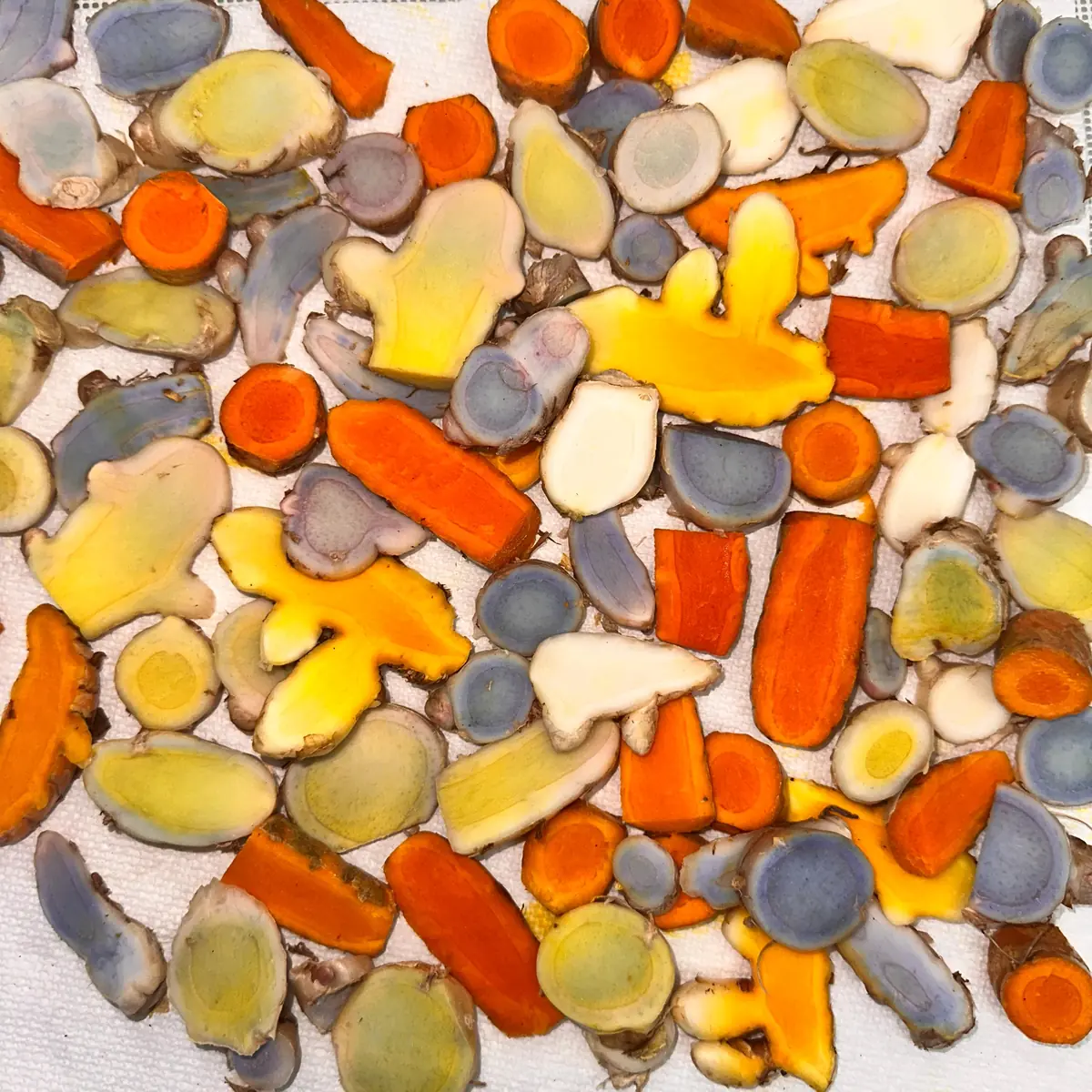
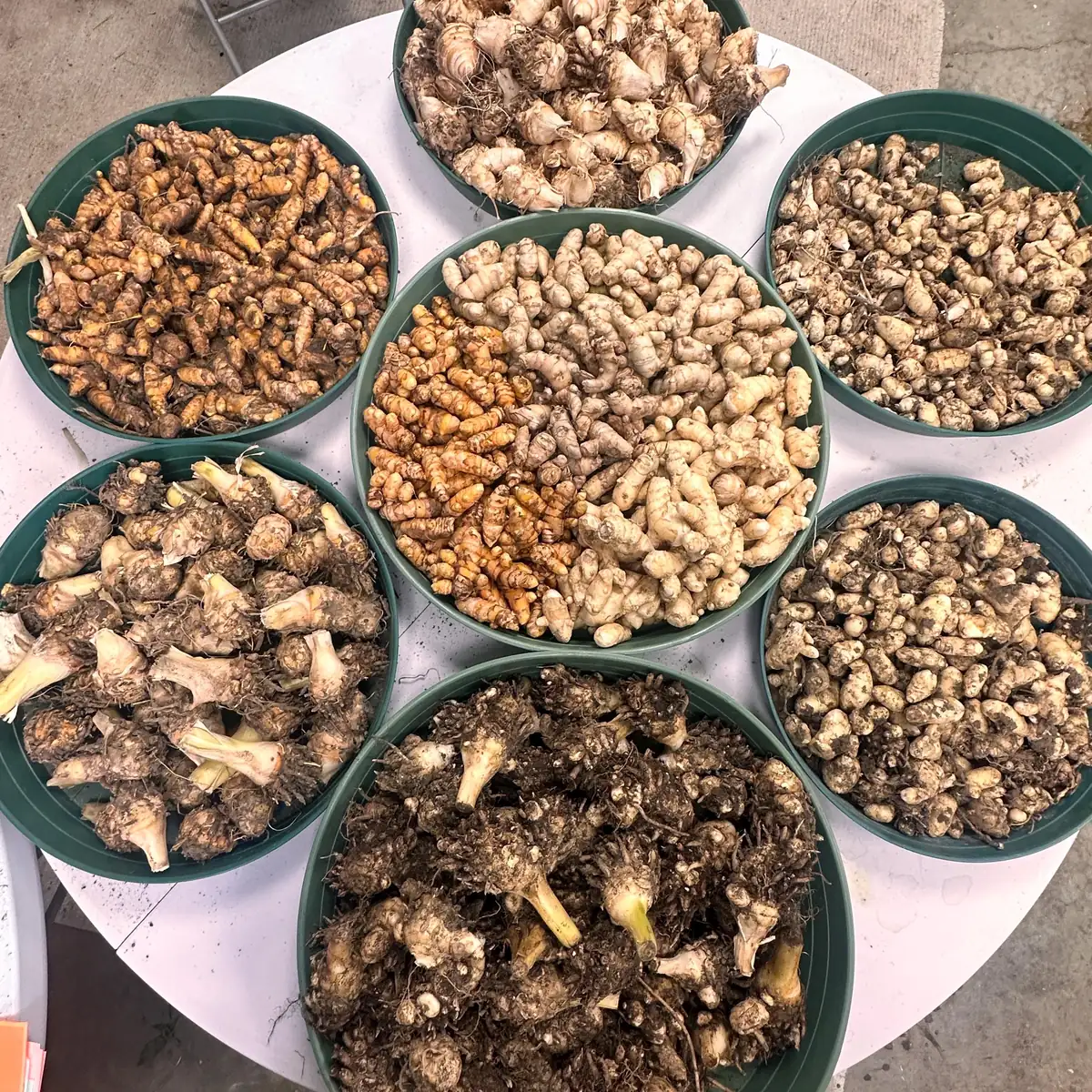
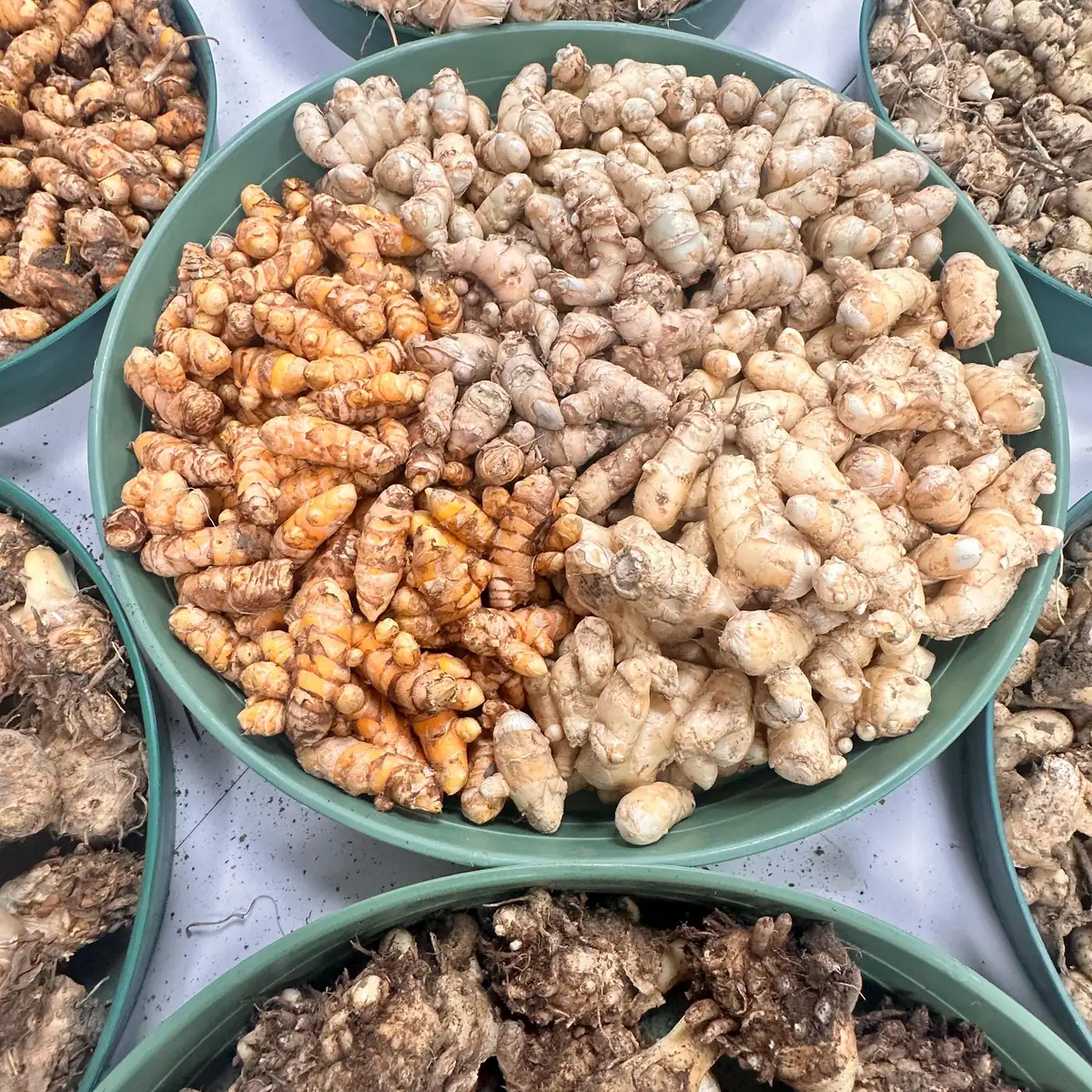
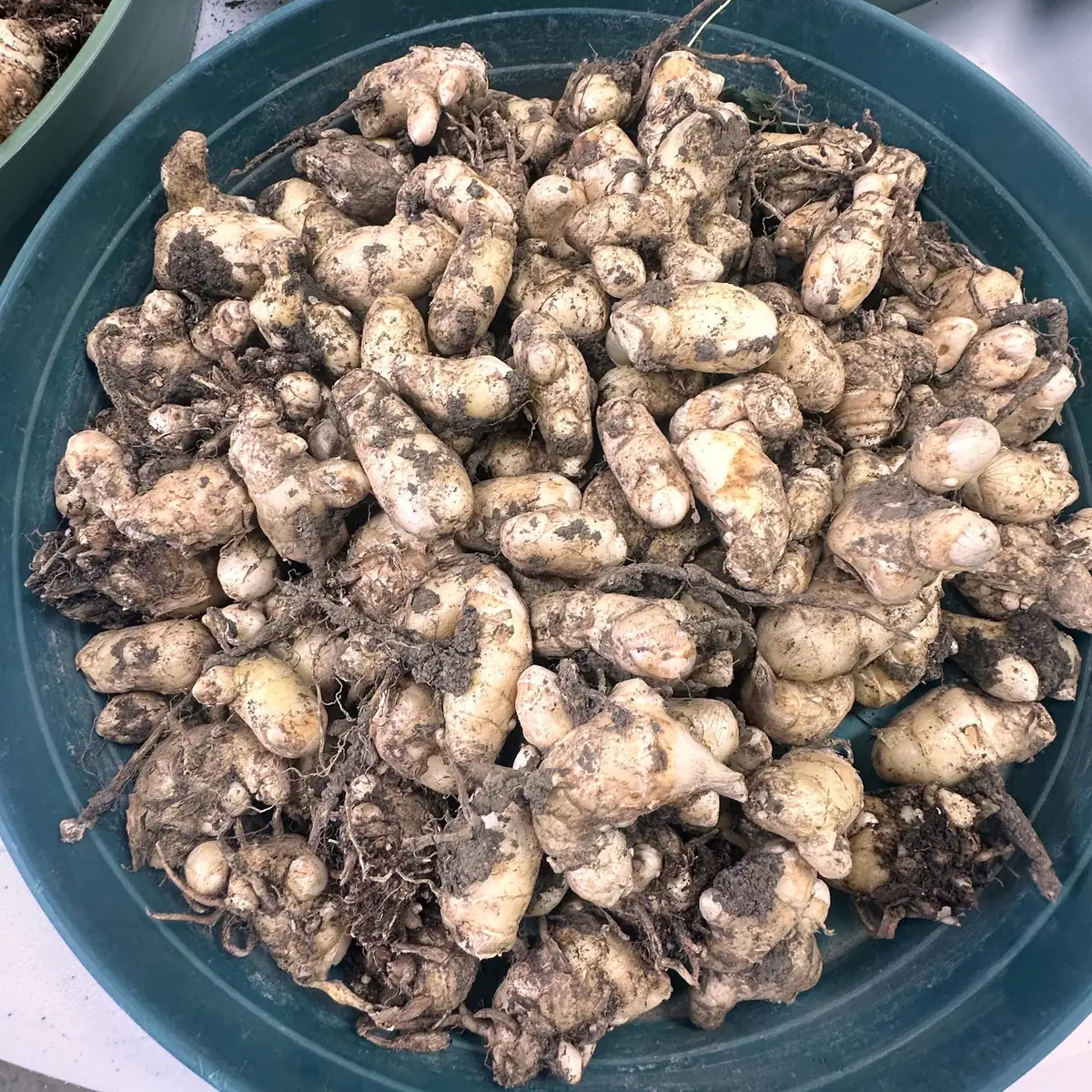
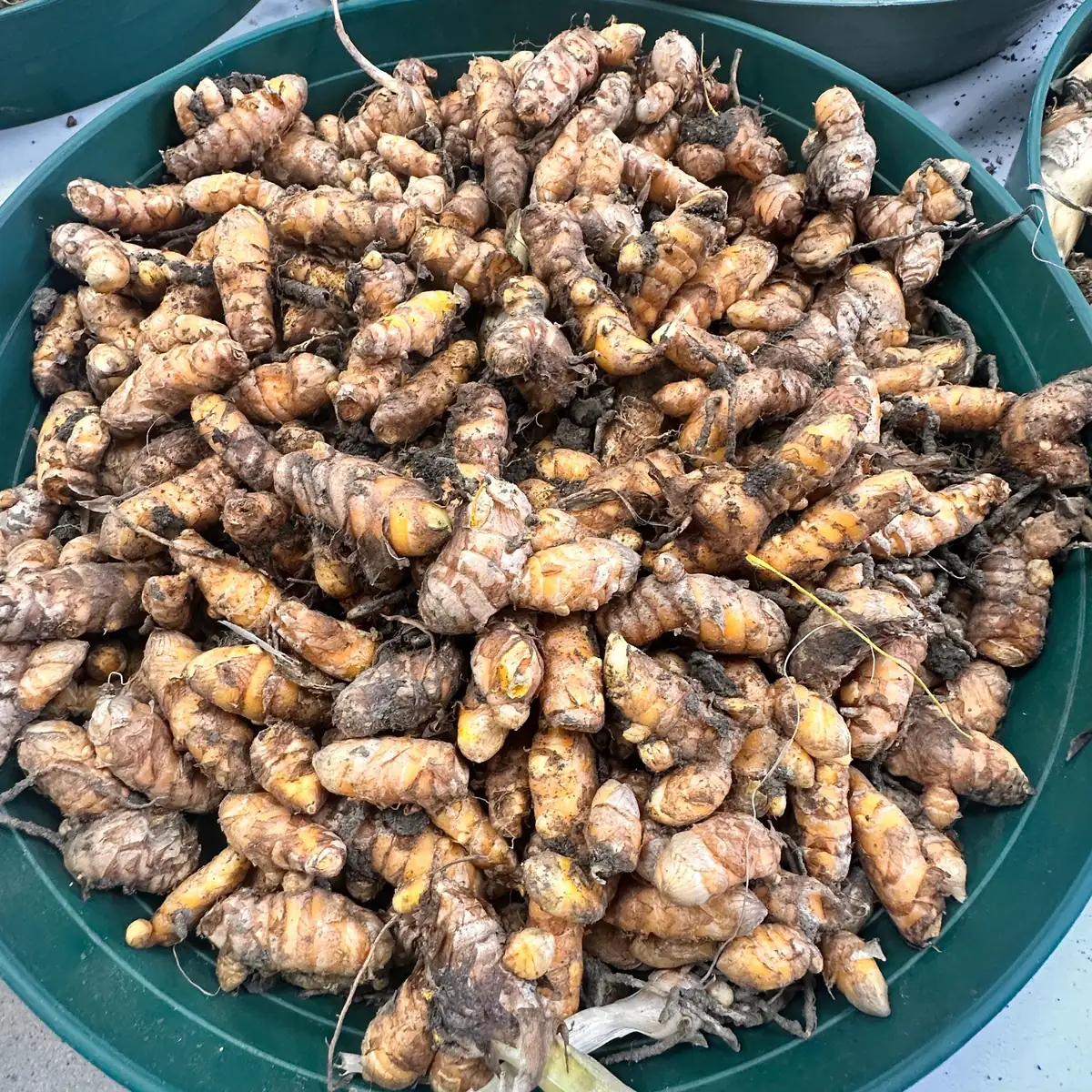
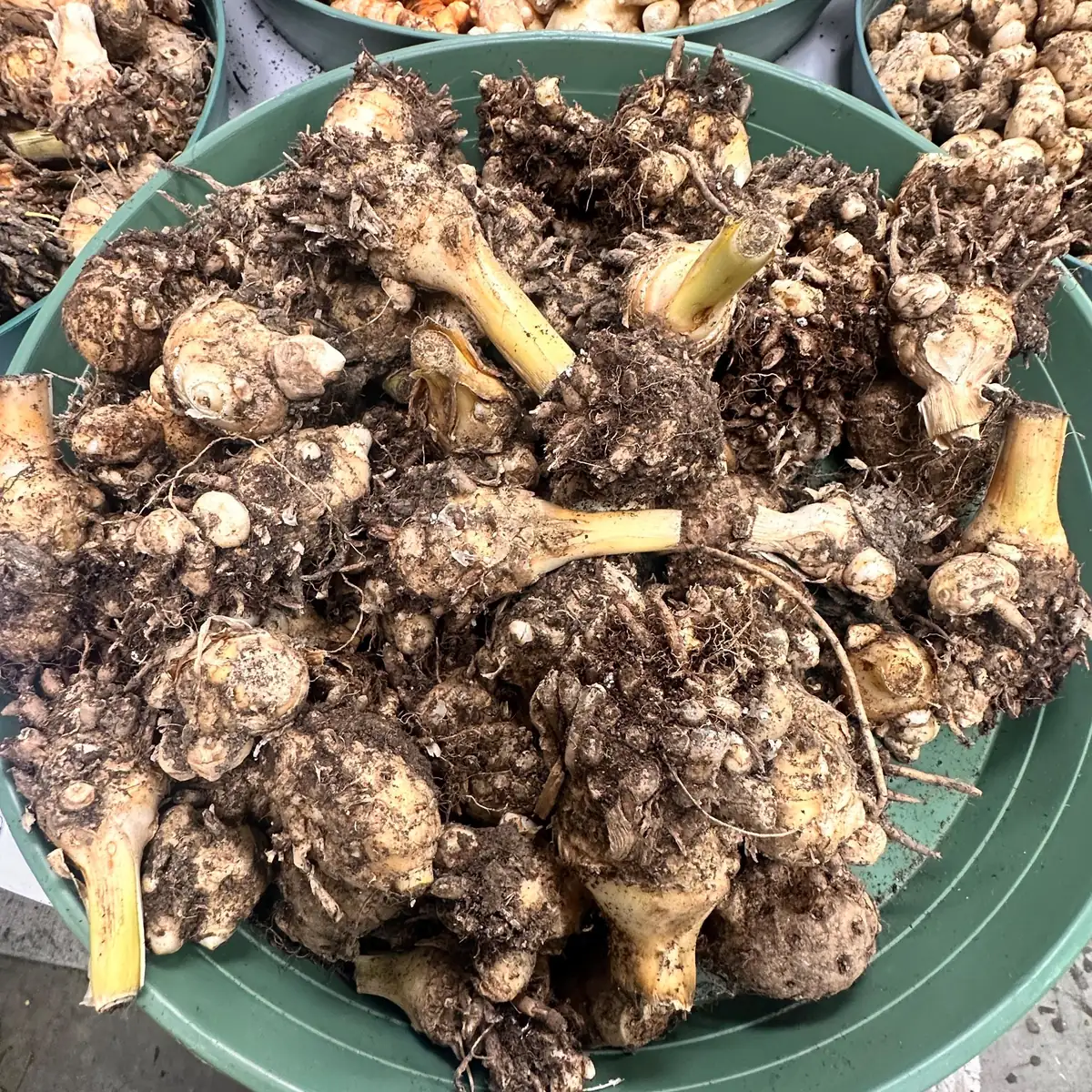
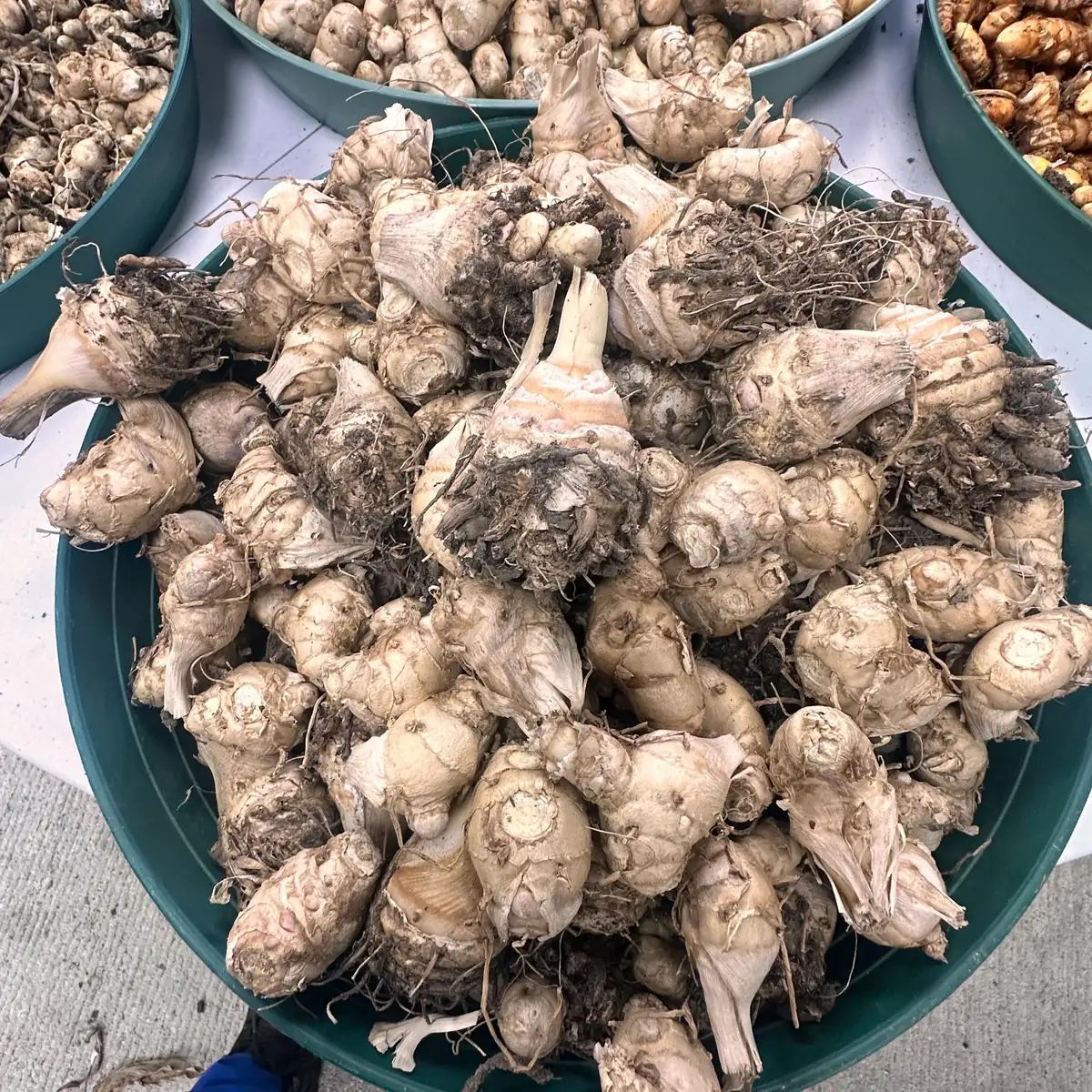
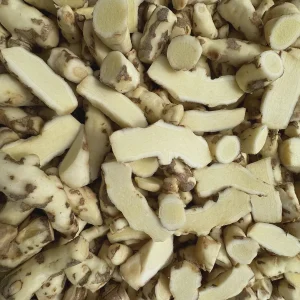
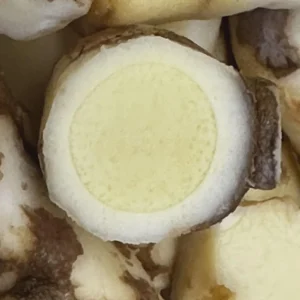
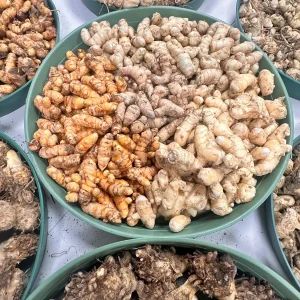
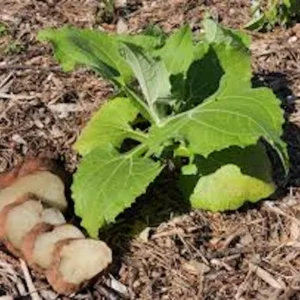
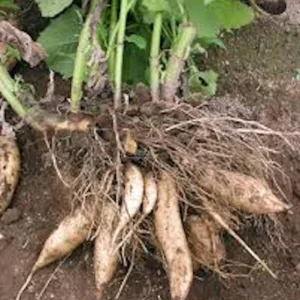
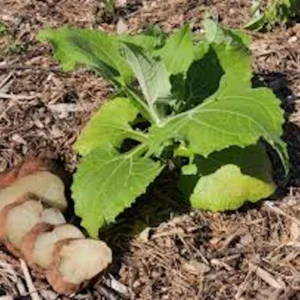
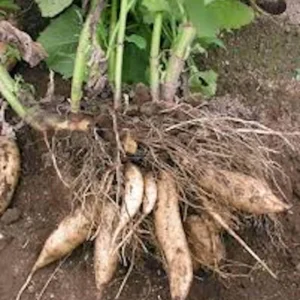
Grow your own fresh white turmeric rhizomes, also known as mango ginger plant. These living rhizomes are easy to plant and high-yielding, perfect for culinary and wellness applications. Ideal for pots, gardens, or raised beds.
From Original price was: $48.00.$24.00Current price is: $24.00.

With our Alive & Thrive Guarantee, we’ve got your back for the first 30 days! If you have any concerns about your plants, just reach out to us. Our team is here to help answer your questions and guide you in selecting the best plants for your garden, climate, and unique preferences. We're excited to help you create the garden of your dreams!
Estimated arrival
Mar 31
Apr 05 - Apr 07
Apr 10 - Apr 14

Product Details
-
USDA Hardiness Zone
USDA zones 9-11 (or grown as annual/indoors in cooler zones) -
Soil type
Loose, well-drained, rich organic matter soil (pH 6-7) -
Sunlight Exposure
Partial shade to full sun (6-8 hours) -
Expected Planting Period
Start indoors: January-February; Transplant outdoors: April
Overview
Cultivate your own flavorful and aromatic spices with our premium white turmeric rhizomes. Also commonly known as mango ginger plant (Curcuma amada), these are not dried or chemically treated, ensuring you receive fresh, living rhizomes brimming with potential. Perfect for both novice and experienced gardeners, these rhizomes promise a rewarding growing experience, whether you’re looking to enhance your culinary creations, brew soothing teas, or explore natural skincare and wellness applications. The unique flavor profile, reminiscent of raw mango with a hint of ginger, makes it a cherished ingredient in many kitchens. Our rhizomes are carefully selected for their strong sprouting energy, originating from healthy, mineral-rich soil to give your garden the best start.
This versatile plant thrives in various settings, from indoor pots to outdoor gardens and raised beds. With its regenerative growing philosophy, you’re not just growing a plant; you’re contributing to a healthier ecosystem. Discover the joy of harvesting your own fresh mango ginger plant, enjoying its distinctive aroma and taste. These rhizomes are ready to be planted and transformed into a lush, productive addition to your home garden.
Key Benefits
Our white turmeric rhizomes offer a multitude of advantages, from their ease of cultivation to their diverse uses. They are an excellent choice for anyone looking to incorporate fresh, home-grown ingredients into their lifestyle.
- Fresh & Living Rhizomes: You receive vibrant, untreated rhizomes, ensuring optimal viability and growth. This means a healthier start for your plant compared to dried or chemically processed alternatives, leading to more robust growth and a higher yield.
- Easy to Grow & High Yielding: Designed for success, these rhizomes are perfect for both beginners and seasoned growers. They sprout readily and produce generously, providing you with an abundant supply of fresh turmeric. Follow our simple guidelines for a thriving harvest.
- Versatile Use: Beyond gardening, these curcuma amada rhizomes are incredibly versatile. Use them fresh in cooking, grate them into teas, create healthful pastes, or incorporate their beneficial properties into your skincare and wellness routines. The unique mango-ginger flavor adds an exotic touch to dishes.
- Adaptable Planting: Whether you have a spacious garden, a cozy balcony, or a greenhouse, these rhizomes can flourish. They are ideal for pots, raised beds, or traditional garden plots, offering flexibility for various gardening spaces.
- Regenerative Growing: Cultivated with a soil-first philosophy, these rhizomes come from a sustainable background. This approach promotes healthy soil ecosystems, ensuring your plants are nourished naturally and contribute positively to the environment.
- Strong Sprouting Energy: Grown in healthy, mineral-rich soil, these rhizomes possess inherent vigor. This strong foundation translates to quicker sprouting and more resilient plants, making your journey of growing turmeric at home more successful.
- Distinctive Flavor: Experience the unique taste of mango ginger plant, a delightful fusion of raw mango and subtle ginger notes. This makes it a fantastic addition to Asian cuisine, fresh juices, and innovative culinary experiments.
Plant Care & Growing Tips
Cultivating white turmeric rhizomes is a rewarding experience with proper care. These plants thrive in warm, humid conditions, mimicking their tropical origins. Starting your rhizomes indoors is often recommended, especially in cooler climates, to give them a head start before transplanting. The ideal planting window indoors is typically January to February, allowing them to develop strong roots and shoots. Once the danger of the last frost has passed, usually around April, they can be safely moved outdoors.
For optimal growth, select a location that receives partial shade to full sun, ideally 6-8 hours of sunlight daily. While they appreciate warmth, intense afternoon sun in very hot climates can sometimes scorch the leaves, so a little afternoon shade is beneficial. The soil should be loose, well-drained, and rich in organic matter, with a pH between 6 and 7. Avoid heavy, compacted soils that retain too much water, as this can lead to rhizome rot. Consistent moisture is crucial; the soil should be kept evenly damp but never waterlogged. Good drainage is paramount. The ideal temperature range for vibrant growth is between 68°F and 95°F. Fertilize every few weeks during the growing season with a balanced, organic fertilizer to support robust foliage and rhizome development. When you are growing turmeric at home, remember that these plants are heavy feeders.
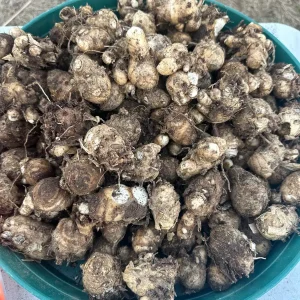
When planting, choose healthy seed rhizomes with at least 1-2 buds or ‘eyes’. Plant them 2-3 inches deep with the buds facing upwards. Space each rhizome approximately 12 inches apart to allow for proper growth and nutrient uptake. Mulching around the plants is highly recommended to help retain soil moisture, suppress weeds, and maintain a consistent soil temperature. Harvest typically occurs in October-November, before the first frost. You’ll know it’s time when the leaves begin to yellow and die back. After harvesting your fresh turmeric for planting, cure them briefly in a shaded, well-ventilated area before washing and storing them for fresh use or further processing. This careful attention to detail will ensure a bountiful harvest of your curcuma amada rhizomes.
Size & Details
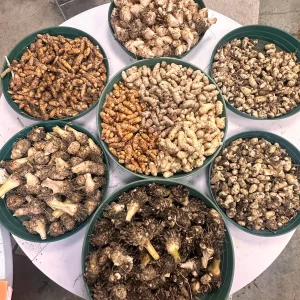
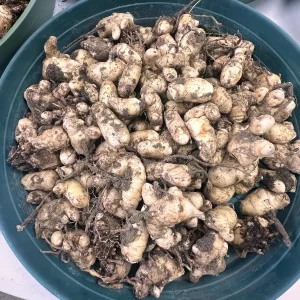
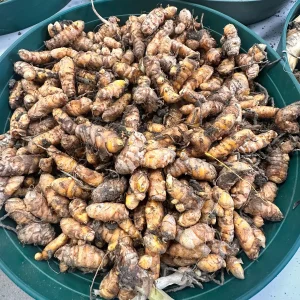
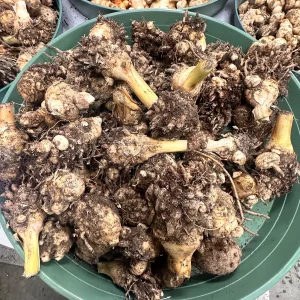
Our white turmeric rhizomes are shipped fresh and ready for planting, ensuring you receive viable material for your garden. Each rhizome is hand-selected for quality, typically measuring several inches in length with visible growth buds, indicating strong potential for sprouting. The exact size may vary slightly as these are natural, living products. Once planted, these turmeric plants typically grow to a height of 3-4 feet, forming attractive, lush foliage that can also serve as an ornamental addition to your garden. The growth rate is moderate, with visible shoots appearing within a few weeks of planting under ideal conditions. The rhizomes themselves will mature and multiply underground throughout the growing season, reaching harvestable size by late fall. Expect a generous yield, making your effort in growing turmeric at home truly worthwhile. These rhizomes are perfect for starting your own supply of this unique spice, offering a sustainable and fresh alternative to store-bought options.
Frequently Asked Questions
- Q: How big do these white turmeric plants get? A: Once mature, white turmeric rhizomes plants typically grow to about 3 to 4 feet tall. They produce lush, green foliage that can also be quite ornamental in your garden space.
- Q: Is this an indoor or outdoor plant? A: While they can be started indoors, these plants thrive outdoors in warm climates. They can also be grown in containers and brought indoors before the first frost, making them versatile for various growing environments.
- Q: How much sunlight does it need? A: Mango ginger plant prefers partial shade to full sun, ideally receiving 6-8 hours of sunlight per day. In very hot climates, some afternoon shade can protect the leaves from scorching.
- Q: Is this plant easy to care for? A: Yes, these curcuma amada rhizomes are considered easy to grow and high-yielding, making them suitable for both beginner and experienced gardeners. Just ensure consistent moisture and appropriate light.
- Q: What condition will the rhizomes arrive in? A: Your fresh turmeric for planting rhizomes will arrive fresh, living, and ready to plant. They are never dried or chemically treated, preserving their natural vitality for optimal sprouting.
- Q: Can I use white turmeric in cooking? A: Absolutely! White turmeric rhizomes are excellent for culinary use, offering a unique flavor profile often described as a blend of raw mango and ginger. They can be used in curries, teas, and various dishes.
- Q: When is the best time to plant white turmeric? A: For best results, start them indoors in January-February. Transplant outdoors after the last frost, typically in April. Harvest is usually in October-November before the first hard frost.
- Q: What type of soil is best for growing turmeric? A: They prefer loose, well-drained soil rich in organic matter with a pH of 6-7. Good drainage is crucial to prevent rhizome rot.
- Q: How long until I can harvest the turmeric? A: You can typically harvest your white turmeric rhizomes in about 8-10 months after planting, usually in late fall when the foliage starts to yellow and die back.
- Q: Will it survive winter in my zone? A: White turmeric is a tropical plant. In USDA zones below 9, it is best to dig up the rhizomes before the first frost for storage, or grow them in containers to bring indoors for winter.
| Size | Large Sprouts, Medium, Small |
|---|
Related products
-30%
Original price was: $59.98.$41.98Current price is: $41.98.
-50%
Original price was: $63.96.$31.98Current price is: $31.98.
-20%
Original price was: $36.00.$28.80Current price is: $28.80.
-20%
Original price was: $70.00.$56.00Current price is: $56.00.
-20%
Original price was: $17.00.$13.60Current price is: $13.60.
-20%
Original price was: $36.00.$28.80Current price is: $28.80.
-50%
Original price was: $37.99.$18.99Current price is: $18.99.
PLANTING & CARE

The Comprehensive Guide to Growing Bay Leaf Plants for a Flavorful Garden
Imagine stepping into your garden, greeted by the earthy aroma of fresh bay leaves, their
09
Feb
Feb

How to Make Comfrey Tea: The Ultimate Organic Plant Food
Growing an organic garden can be surprisingly expensive, especially when most store-bought fertilizers come in
02
Feb
Feb

True Comfrey: 7 Essential Tips Before You Plant This Herb
A staple in permaculture practices across the US, True Comfrey easily earns its reputation as
27
Jan
Jan

7 Heart-Shaped Plants for a Lasting Valentine’s Gift
If you’ve ever bought a bouquet of roses for Valentine’s Day, you know they are
26
Jan
Jan

Best Types of Ivy Plant for Houses: How to Choose the Perfect Ones for Your Home
Are you a garden lover looking to introduce some greenery into your home? Maybe you’ve
14
Nov
Nov

When to Harvest Garlic (Especially Fall-Planted Garlic)
TIMING IS EVERYTHING, they say – and for garlic, that truth hits with surprising accuracy.
13
Nov
Nov

11 of the Best Sweet Potato Varieties to Grow for Your Garden
If you’ve ever tried growing sweet potatoes, you know that picking the right variety can
12
Nov
Nov

Pruning Bougainvillea for Winter
Bougainvillea vines are known for their dazzling display of magenta, orange, and fuchsia bracts that
05
Nov
Nov