Windsor Blueberry Bush – Southern Highbush Live Starter Plant 4-6″ Tall – Healthy Root Ball – Outdoor
-50%
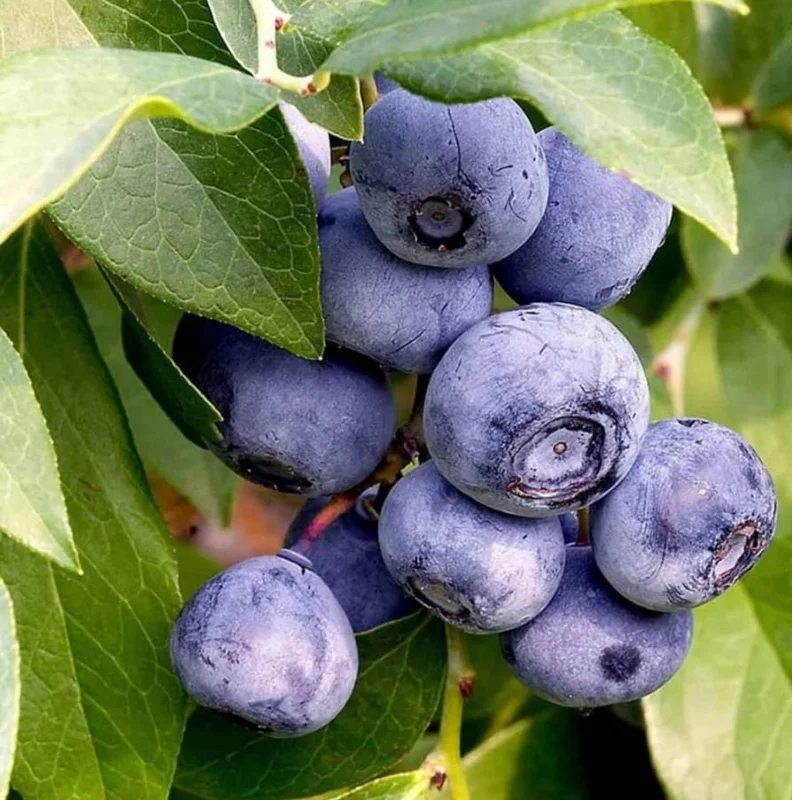
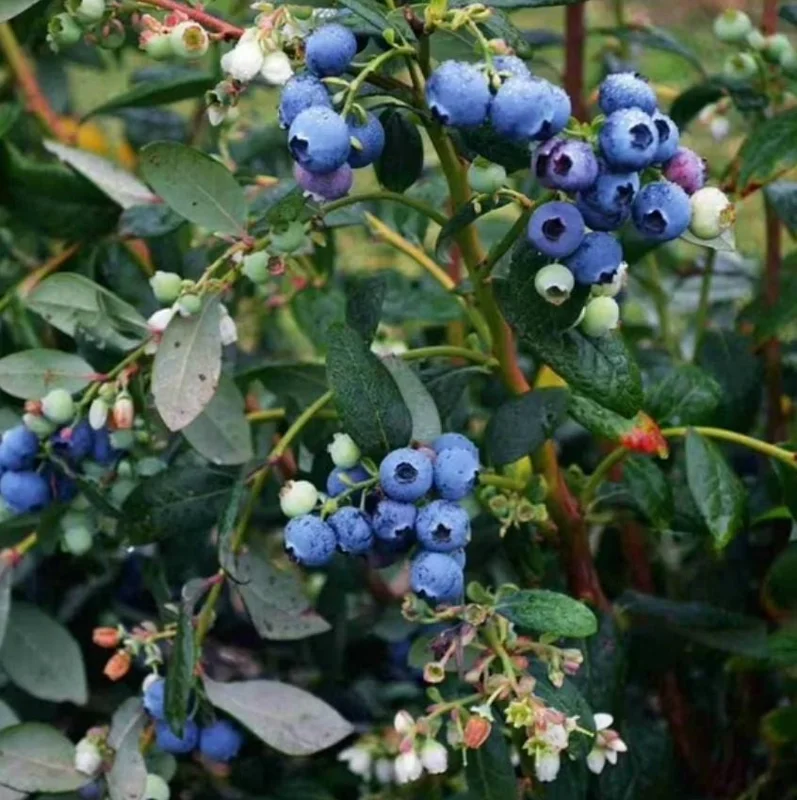
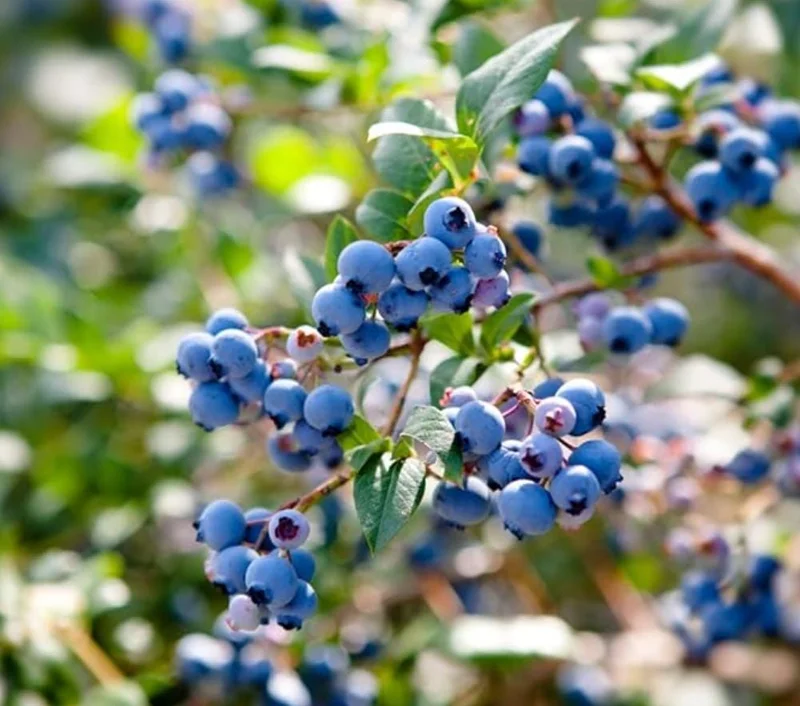
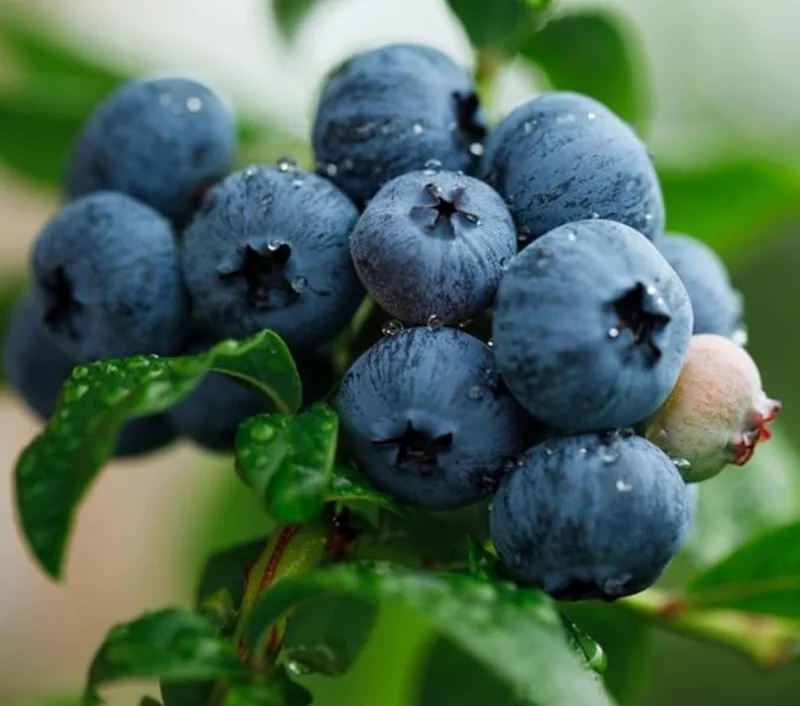

Windsor Blueberry Bush – Southern Highbush Live Starter Plant 4-6″ Tall – Healthy Root Ball – Outdoor
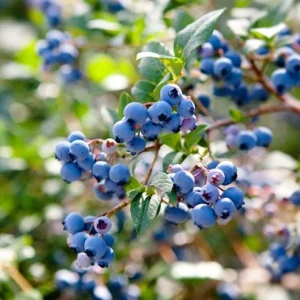
Cultivate your own fruitful garden with a Windsor blueberry live plant. This 4-6 inch starter plant is a top Southern Highbush variety, known for producing extra-large, sweet berries early in the season. Perfect for USDA zones 7-10, it arrives healthy and ready for outdoor planting.
Original price was: $47.98.$23.99Current price is: $23.99.

With our Alive & Thrive Guarantee, we’ve got your back for the first 30 days! If you have any concerns about your plants, just reach out to us. Our team is here to help answer your questions and guide you in selecting the best plants for your garden, climate, and unique preferences. We're excited to help you create the garden of your dreams!
Estimated arrival
Apr 08
Apr 13 - Apr 15
Apr 18 - Apr 22

Product Details
-
USDA Hardiness Zone
7-10 -
Soil type
Acidic, well-drained soil -
Sunlight Exposure
Full sun -
Expected Planting Period
Spring to Fall
Overview
Bring the joy of fresh, homegrown fruit to your garden with this exceptional Windsor blueberry live plant. This offering is for one healthy starter plant, approximately 4-6 inches tall, featuring a robust root system ready for easy planting. The Windsor blueberry (Vaccinium corymbosum Southern Highbush) is a highly regarded cultivar, celebrated for its vigorous growth and abundant production of delicious, extra-large berries. Developed by the University of Florida, this variety is a fantastic choice for gardeners in warmer climates seeking a reliable and rewarding fruit-bearing shrub. Whether you’re starting a backyard orchard or simply adding a productive and attractive plant to your landscape, the Windsor blueberry is an excellent selection.
Known for its early ripening season, typically from April to May in warmer regions, the Windsor blueberry provides a delightful harvest of firm, sweet fruit. This Windsor blueberry live plant is shipped with its roots carefully protected in soil, ensuring it arrives in optimal condition for successful establishment in your garden. With proper care, this Southern Highbush variety will grow into a productive bush, offering years of fresh berries for eating, baking, and preserving.
Key Benefits
Investing in a Windsor blueberry live plant brings numerous advantages to your garden and your table. This particular variety stands out for several compelling reasons, making it a favorite among home growers:
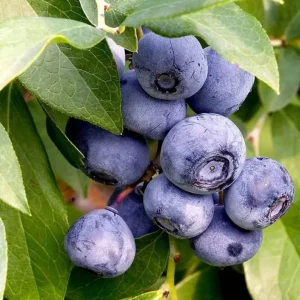
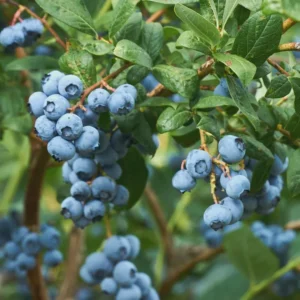
- Exceptional Fruit Quality: The Windsor blueberry is renowned for producing some of the largest berries among Southern Highbush types. The fruit is consistently firm, wonderfully sweet, and boasts an excellent flavor profile, perfect for fresh eating or culinary uses.
- Early Harvest: Enjoy fresh blueberries earlier in the season. Windsor typically ripens from April to May in warmer climates, providing a head start on your blueberry harvest.
- Vigorous Growth: This variety exhibits strong, healthy growth, developing into a robust bush that stands 5 to 6 feet tall and spreads 3 to 4 feet wide at maturity, making it a significant addition to your edible landscape.
- Adaptability to Warm Climates: Requiring approximately 400 chill hours, the Windsor blueberry is ideally suited for USDA zones 7–10, thriving where many other blueberry varieties might struggle.
- Garden Versatility: While primarily an outdoor plant, its attractive foliage and productive nature make it a great choice for garden beds, edible hedges, or backyard orchards, enhancing both the beauty and bounty of your space.
- Healthy Starter Plant: You receive a healthy starter plant with a well-developed root ball, ensuring a strong beginning and easier establishment in your garden. This promotes a quicker transition to a thriving, fruit-bearing bush.
- Reliable Producer: With proper cross-pollination from another Southern Highbush variety, the Windsor blueberry is a highly productive plant, yielding generous harvests year after year.
Plant Care & Growing Tips
Ensuring the success of your Windsor blueberry live plant involves understanding its specific needs, particularly regarding sunlight, soil, water, and climate. For optimal growth and fruit production, this Southern Highbush variety thrives in full sun, meaning it requires at least 6-8 hours of direct sunlight per day. Choosing a sunny location is crucial for maximizing berry yield and flavor. These bushes are best suited for outdoor planting in garden beds or dedicated orchard spaces, as their mature size makes them less ideal for long-term container growth.
Soil conditions are paramount for blueberry health. Windsor blueberries prefer acidic, well-drained soil. The ideal pH range is typically between 4.5 and 5.5. If your soil is not naturally acidic, amendments like peat moss, elemental sulfur, or pine bark can be incorporated. Consistent moisture is also vital; the soil should remain evenly moist but never waterlogged. Regular watering, especially during dry spells and fruit development, is essential. When considering Southern Highbush blueberry care, remember that these plants are shallow-rooted, so mulching around the base can help retain moisture, suppress weeds, and regulate soil temperature.
This variety requires approximately 400 chill hours and performs best in USDA zones 7–10. For the best fruit production, planting with another Southern Highbush variety is recommended to ensure proper cross-pollination. This will significantly increase your harvest. Annual pruning during the dormant season is important to maintain the bush’s shape, remove old or unproductive canes, and encourage new growth, which leads to better fruit set. Fertilize with an acid-loving plant fertilizer in early spring before new growth begins. Common problems can include nutrient deficiencies if the soil pH isn’t correct, or bird predation on ripening berries, which can be mitigated with netting. Following this blueberry planting guide will help ensure a healthy and productive bush.
Size & Details
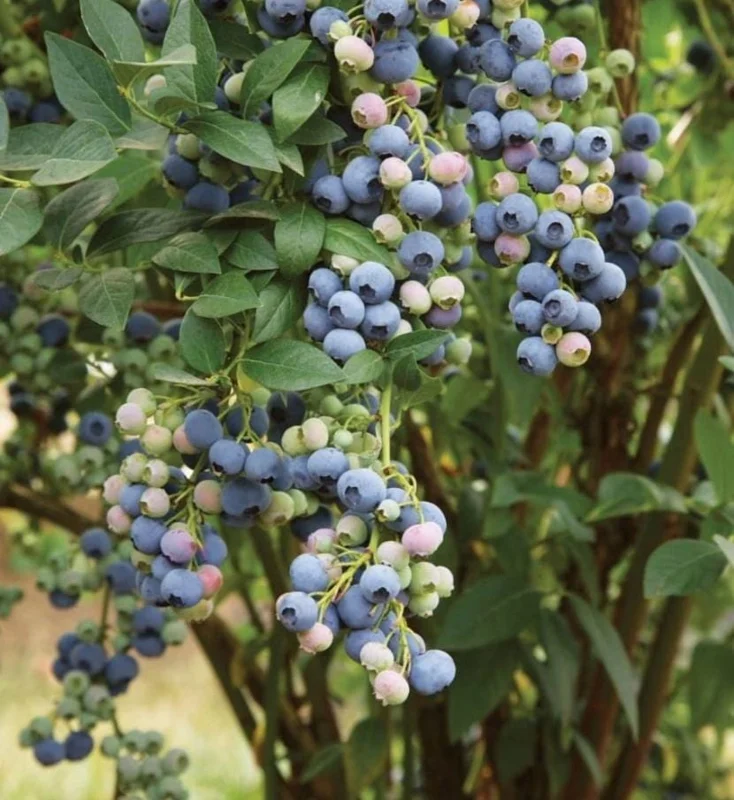
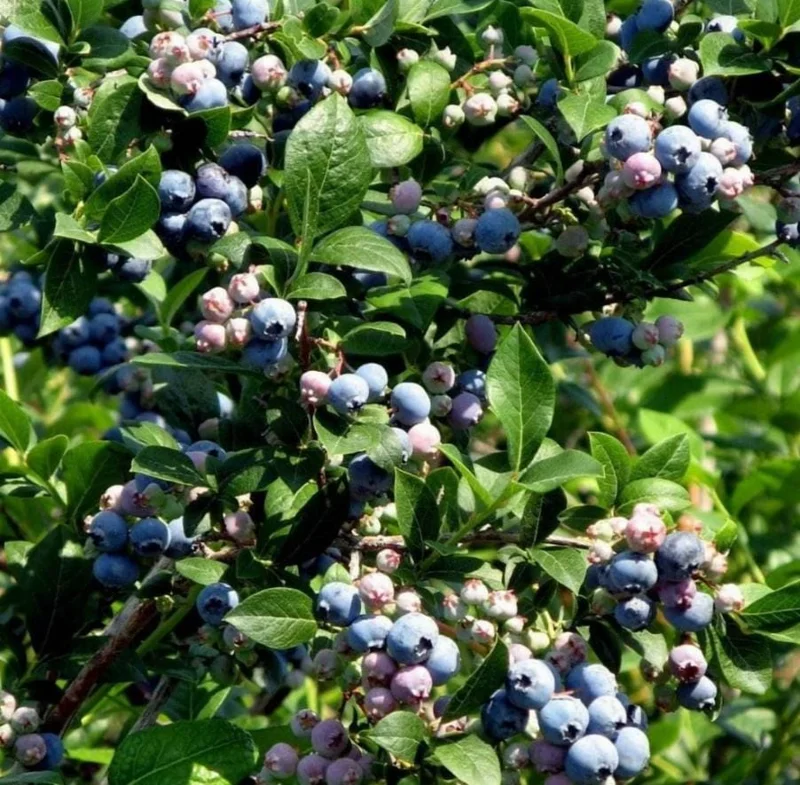
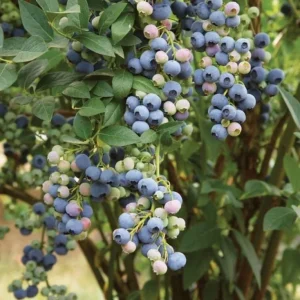
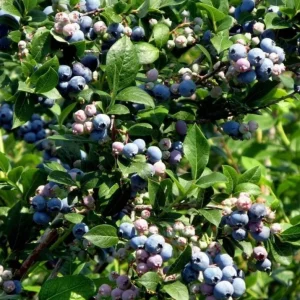
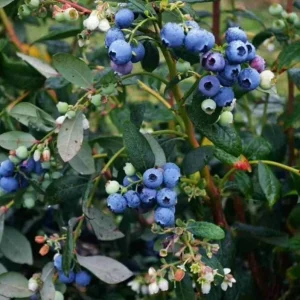
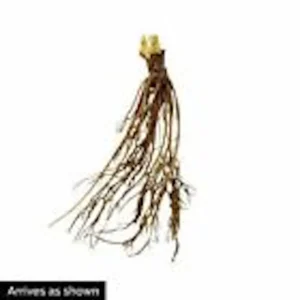
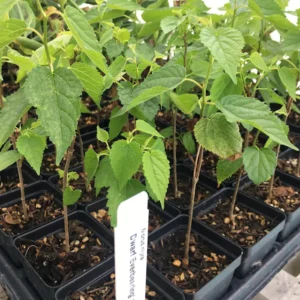
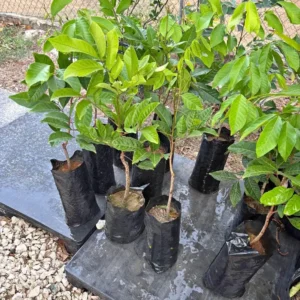
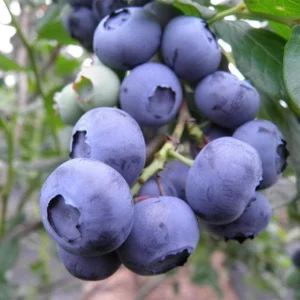
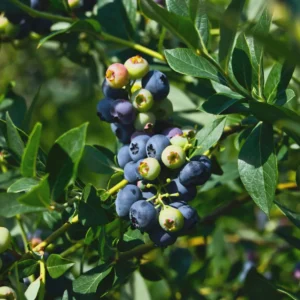
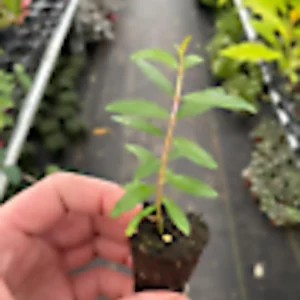
This offering is for one Windsor blueberry live plant, which arrives as a healthy starter plant, typically measuring approximately 4-6 inches tall. Each plant is carefully prepared with a healthy soil root ball, ensuring its vitality during transit and facilitating easy and successful transplanting into your garden. Please note that images of mature plants are provided for reference to illustrate the plant’s potential growth and fruit production; the plant you receive will be a young starter.
At maturity, a Windsor blueberry bush can reach an impressive height of 5 to 6 feet with a spread of about 3 to 4 feet wide, forming a substantial and productive shrub. This makes it an excellent choice for creating an edible hedge or as a prominent feature in a backyard orchard. The plant requires approximately 400 chill hours, making it ideally suited for USDA hardiness zones 7–10. While its mature size makes it less suitable for permanent container gardening, it thrives when planted directly in the ground, given the right soil and light conditions. Expect the first significant fruit production within 2-3 years of planting, with increasing yields as the bush matures. This large sweet blueberries producer will be a highlight of your garden.
Frequently Asked Questions
- Q: How big does this plant get? A: At maturity, the Windsor blueberry bush typically reaches a height of 5 to 6 feet and spreads about 3 to 4 feet wide. It is a vigorous grower that will become a substantial shrub in your garden.
- Q: What condition will the Windsor blueberry live plant arrive in? A: Your plant will arrive as a healthy starter plant, approximately 4-6 inches tall, with a strong, intact soil root ball. It is carefully packed to ensure the roots remain moist and protected during shipping, ready for immediate planting.
- Q: Is this an indoor or outdoor plant? A: The Windsor blueberry is an outdoor plant. It requires full sun and specific chill hours to produce fruit, making it unsuitable for long-term indoor cultivation. It thrives in garden beds and backyard orchards.
- Q: How much sunlight does it need? A: This Southern Highbush blueberry variety requires full sun, meaning at least 6-8 hours of direct sunlight per day, to ensure optimal growth and maximum fruit production.
- Q: Is this plant easy to care for? A: With proper attention to its specific needs, such as acidic soil and consistent moisture, the Windsor blueberry is relatively easy to care for for experienced gardeners. Following a detailed blueberry planting guide is recommended for beginners.
- Q: When is the best time to plant this Windsor blueberry live plant? A: The best time to plant is typically in early spring or fall, allowing the plant to establish its root system before extreme summer heat or winter cold.
- Q: Will it survive winter in my zone? A: The Windsor blueberry is hardy in USDA zones 7–10, requiring approximately 400 chill hours. If you are within these zones, it should survive winter outdoors. For zones outside this range, winter protection may be necessary.
- Q: What kind of soil does it prefer? A: It thrives in highly acidic, well-drained soil with a pH between 4.5 and 5.5. Amending your soil with peat moss or elemental sulfur may be necessary if your native soil is not sufficiently acidic.
- Q: Do I need more than one plant for fruit? A: For optimal fruit production and larger yields of large sweet blueberries, it is highly recommended to plant another Southern Highbush blueberry variety nearby for cross-pollination.
- Q: What are the main features of Southern Highbush blueberry care? A: Key aspects include providing full sun, maintaining acidic and consistently moist soil, annual pruning, and ensuring adequate chill hours for fruit set.
Related products
-20%
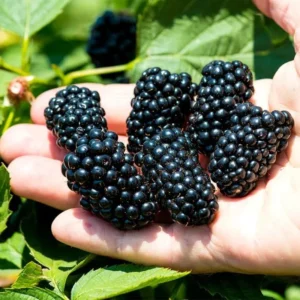
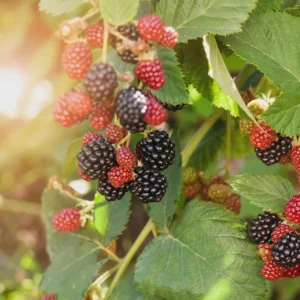
Original price was: $36.00.$28.80Current price is: $28.80.
-20%
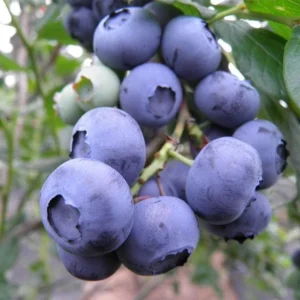
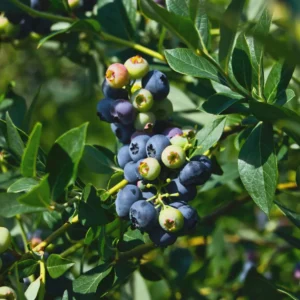
Original price was: $60.00.$48.00Current price is: $48.00.
-10%
Original price was: $158.00.$142.20Current price is: $142.20.
-49%
Original price was: $59.38.$29.99Current price is: $29.99.
-10%
Original price was: $89.99.$80.99Current price is: $80.99.
-20%
Original price was: $80.00.$64.00Current price is: $64.00.
PLANTING & CARE

Growing Glencoe Raspberry: A Complete Guide for Gardeners
If you’re looking to add something unique to your garden, look no further than the
31
Mar
Mar

The Comprehensive Guide to Growing Bay Leaf Plants for a Flavorful Garden
Imagine stepping into your garden, greeted by the earthy aroma of fresh bay leaves, their
09
Feb
Feb

How to Make Comfrey Tea: The Ultimate Organic Plant Food
Growing an organic garden can be surprisingly expensive, especially when most store-bought fertilizers come in
02
Feb
Feb

True Comfrey: 7 Essential Tips Before You Plant This Herb
A staple in permaculture practices across the US, True Comfrey easily earns its reputation as
27
Jan
Jan

7 Heart-Shaped Plants for a Lasting Valentine’s Gift
If you’ve ever bought a bouquet of roses for Valentine’s Day, you know they are
26
Jan
Jan

Best Types of Ivy Plant for Houses: How to Choose the Perfect Ones for Your Home
Are you a garden lover looking to introduce some greenery into your home? Maybe you’ve
14
Nov
Nov

When to Harvest Garlic (Especially Fall-Planted Garlic)
TIMING IS EVERYTHING, they say – and for garlic, that truth hits with surprising accuracy.
13
Nov
Nov

11 of the Best Sweet Potato Varieties to Grow for Your Garden
If you’ve ever tried growing sweet potatoes, you know that picking the right variety can
12
Nov
Nov