Yellow Pink Honeysuckle Bush Live Plant – Fragrant Climbing Vine 5-12 Inches Tall
-50%
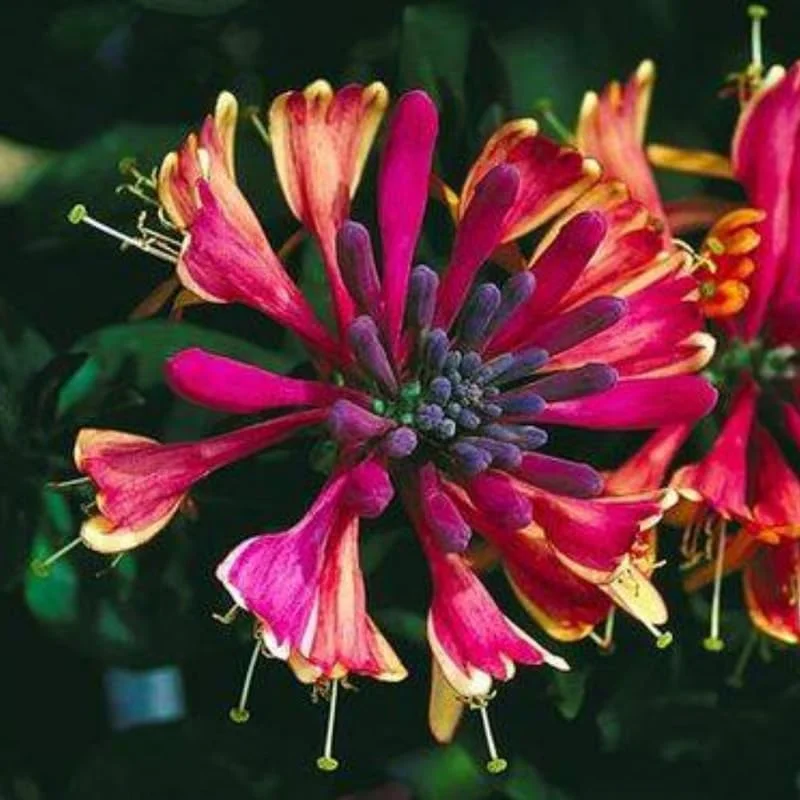
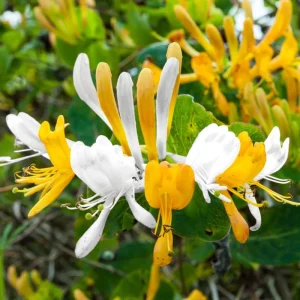
Yellow Pink Honeysuckle Bush Live Plant – Fragrant Climbing Vine 5-12 Inches Tall
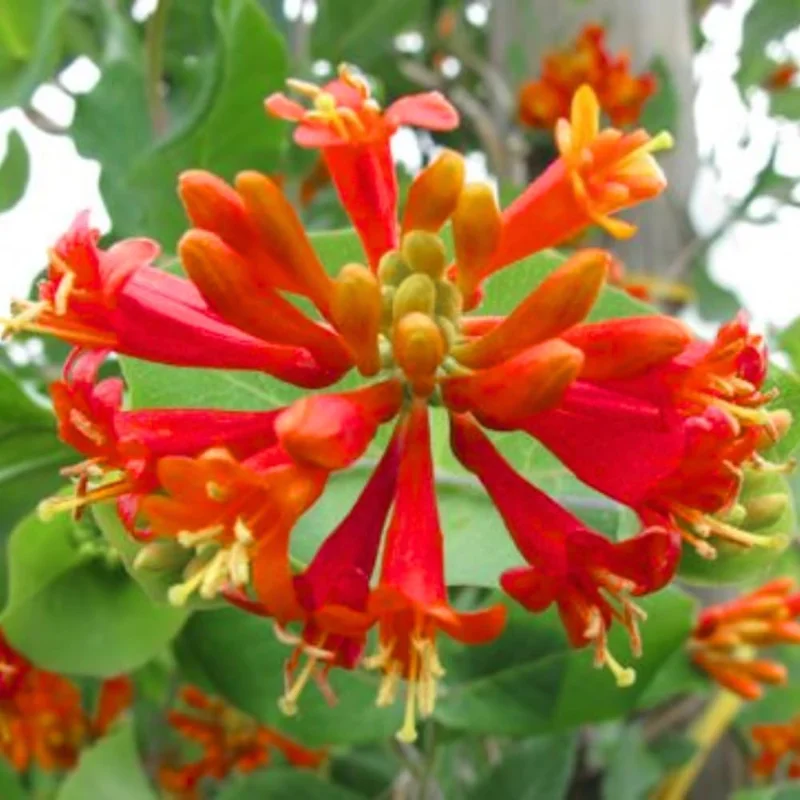
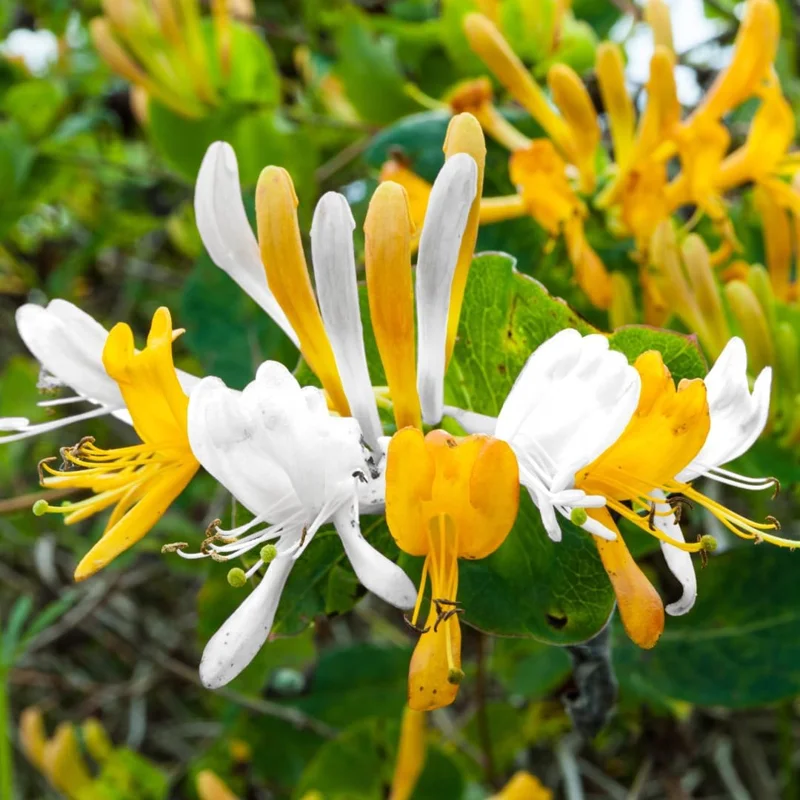
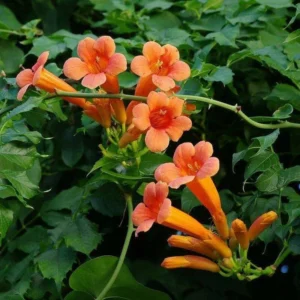
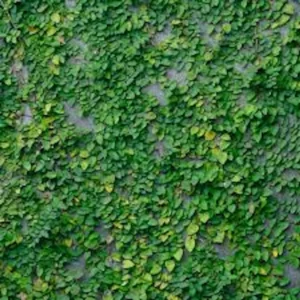
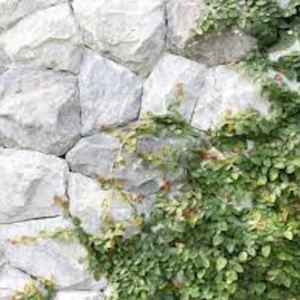
Bring vibrant color and a delightful fragrance to your garden with this yellow pink honeysuckle bush. This vigorous honeysuckle climbing vine is a perennial favorite, perfect for trellises, fences, or arbors, growing 5 to 12 inches tall. Enjoy its beautiful blooms and attract pollinators with this easy-care plant.
From Original price was: $50.58.$25.29Current price is: $25.29.

With our Alive & Thrive Guarantee, we’ve got your back for the first 30 days! If you have any concerns about your plants, just reach out to us. Our team is here to help answer your questions and guide you in selecting the best plants for your garden, climate, and unique preferences. We're excited to help you create the garden of your dreams!
Estimated arrival
Apr 13
Apr 18 - Apr 20
Apr 23 - Apr 27
Product Details
-
USDA Hardiness Zone
USDA Zones 3-9 -
Soil type
Sandy Soil, well-draining -
Sunlight Exposure
Full Sun -
Expected Planting Period
Spring to early summer
Overview
Introduce a splash of vibrant color and intoxicating fragrance to your outdoor space with this stunning yellow pink honeysuckle bush. This vigorous climbing plant, identified by its botanical name Lonicera, is a true garden gem, known for its rapid growth and abundant, trumpet-shaped flowers. As a honeysuckle climbing vine, it is perfectly suited for adorning arbors, fences, trellises, or even as a ground cover, creating a lush, flowering display that transforms any landscape. This particular variety showcases a beautiful blend of yellow and pink hues, offering a dynamic visual appeal throughout its blooming season. It’s a fantastic choice for gardeners looking to add both beauty and a sweet perfume to their environment. This live plant arrives ready to be integrated into your garden, promising years of enjoyment and a haven for local pollinators.
The fragrant honeysuckle plant is a beloved addition to many gardens across the United States. Its ability to climb and spread makes it versatile for various landscaping designs, from formal gardens to more wild, naturalized settings. Beyond its aesthetic charm, the honeysuckle is celebrated for its ease of care and resilience, thriving in a range of conditions once established. Gardeners appreciate its low maintenance demands and its consistent performance, bringing joy season after season. This plant is not just a visual delight but also an auditory one, as its sweet nectar attracts hummingbirds, butterflies, and bees, adding life and movement to your garden.
Key Benefits
Cultivating a yellow pink honeysuckle bush in your garden offers a multitude of advantages, enhancing both the beauty and ecological value of your outdoor space. This vibrant vine provides continuous enjoyment and several practical benefits:
-
Stunning Visual Appeal: The striking combination of yellow and pink flowers creates a captivating display, adding bright, cheerful colors to any garden setting. Its prolific blooming habit ensures a continuous show throughout the growing season.
-
Enchanting Fragrance: Known for its intensely sweet and captivating scent, this fragrant honeysuckle plant fills the air with a delightful aroma, especially in the evenings, creating a pleasant and inviting atmosphere in your garden or near your patio.
-
Attracts Pollinators: The nectar-rich flowers are a magnet for hummingbirds, butterflies, and bees, turning your garden into a lively sanctuary for these essential pollinators and contributing to local biodiversity.
-
Versatile Climbing Habit: As a robust honeysuckle climbing vine, it can be trained to grow on various structures such as pergolas, trellises, fences, or walls, offering excellent vertical interest and privacy. It can also be used as an attractive ground cover.
-
Hardy and Resilient: This perennial honeysuckle is a hardy plant, capable of thriving in a wide range of climates (USDA Zones 3-9), making it a reliable choice for many gardeners. It tolerates various soil conditions and is relatively low maintenance.
-
Rapid Growth: With its vigorous growth rate, this honeysuckle quickly establishes itself and covers desired areas, providing quick beautification and screening solutions for your landscape.
-
Long Blooming Season: Enjoy an extended period of bloom, typically from late spring through summer, ensuring your garden remains vibrant and fragrant for many months.
Plant Care & Growing Tips
Caring for your yellow pink honeysuckle bush is relatively straightforward, ensuring a bountiful display of flowers and fragrance with minimal effort. This resilient plant thrives when provided with the right conditions. For optimal growth and flowering, plant your honeysuckle in a location that receives full sun, meaning at least six hours of direct sunlight per day. While it can tolerate partial shade, abundant flowering is best achieved with ample sun exposure. Good air circulation is also important to prevent fungal diseases. Ensure the planting site has well-draining soil; honeysuckles are not fond of ‘wet feet’. If your soil is heavy clay, amend it with organic matter like compost to improve drainage.
Watering is crucial, especially during the establishment period. Keep the soil consistently moist but never waterlogged. Once established, the honeysuckle climbing vine is moderately drought-tolerant but will perform best with regular watering during dry spells. Fertilize in early spring with a balanced, slow-release granular fertilizer to encourage strong growth and prolific blooming. Pruning is essential for maintaining the plant’s shape, controlling its size, and encouraging more flowers. The best time to prune is after it finishes flowering. Remove any dead, damaged, or crossing branches, and thin out overcrowded areas to improve air circulation. You can also prune to shape it as a shrub or to guide its climbing habit on a support structure.
This perennial honeysuckle is hardy in USDA Zones 3-9. In colder zones, protect the base of the plant with a layer of mulch in late fall to insulate the roots. While generally pest and disease resistant, keep an eye out for aphids or powdery mildew. Treat aphids with insecticidal soap, and ensure good air circulation to prevent mildew. Providing a sturdy support structure from the start will help your lonicera live plant establish its climbing habit effectively, leading to a more vigorous and aesthetically pleasing display. With these care tips, your honeysuckle will flourish and become a highlight of your garden.
Size & Details
This yellow pink honeysuckle bush arrives as a healthy, live plant, typically ranging from 5 to 12 inches in height. It is shipped in a nursery pot, ensuring its root system is intact and ready for transplanting into your garden. As a vigorous honeysuckle climbing vine, it exhibits a moderate to fast growth rate, quickly establishing itself and beginning to climb or spread once planted in suitable conditions. The mature size of this perennial can vary depending on growing conditions and pruning habits; when allowed to climb, it can reach lengths of 10 to 20 feet or more, with a spread of 3 to 6 feet, creating dense foliage and flower coverage. When maintained as a shrub, its size can be controlled with regular pruning.
The plant is known for its beautiful yellow and pink bi-colored flowers, which are trumpet-shaped and produce a sweet, strong fragrance. These blooms typically appear from late spring through summer, offering an extended period of interest. As a perennial honeysuckle, it will return year after year, growing larger and more robust with each season. This particular variety is well-suited for temperate climates, thriving within USDA Hardiness Zones 3-9. It prefers sandy soil with moderate watering, making it adaptable to various garden settings. Plant in full sun for the most abundant flowering.
Frequently Asked Questions
- Q: How big does this plant get? A: This yellow pink honeysuckle bush typically arrives 5 to 12 inches tall. As a mature climbing vine, it can reach lengths of 10 to 20 feet or more, with a spread of 3 to 6 feet, depending on support and pruning.
- Q: Is this an indoor or outdoor plant? A: This is an outdoor plant, specifically a hardy honeysuckle climbing vine, best suited for gardens and outdoor landscapes where it can receive ample sunlight and space to grow.
- Q: How much sunlight does it need? A: For the best flowering and growth, this fragrant honeysuckle plant requires full sun exposure, meaning at least 6 hours of direct sunlight per day. It can tolerate partial shade, but blooming may be reduced.
- Q: Is this plant easy to care for? A: Yes, this perennial honeysuckle is considered relatively easy to care for. It’s hardy, adaptable to various soil types, and once established, requires moderate watering and occasional pruning.
- Q: What condition will it arrive in? A: Your honeysuckle will arrive as a live, potted plant, carefully packaged to ensure its health and vitality during transit. It will be ready for immediate planting upon arrival.
- Q: When is the best time to plant this honeysuckle? A: The best time to plant this lonicera live plant is in spring or early fall, allowing it sufficient time to establish its root system before extreme summer heat or winter cold.
- Q: Will it survive winter in my zone? A: Yes, this honeysuckle is hardy in USDA zones 3-9, meaning it is well-equipped to survive winter in a wide range of climates within these zones. In colder areas, a layer of mulch can provide extra root protection.
- Q: Does this honeysuckle attract bees and hummingbirds? A: Absolutely! The sweet, fragrant flowers of this yellow pink honeysuckle bush are highly attractive to bees, butterflies, and especially hummingbirds, making it a great choice for a pollinator garden.
- Q: What kind of soil does it prefer? A: This honeysuckle prefers well-draining soil. Sandy soil is ideal, but it can adapt to various soil types as long as they are not waterlogged. Amending with compost can improve drainage in heavier soils.
- Q: Can I grow this honeysuckle in a large container? A: While primarily a garden plant, a honeysuckle climbing vine can be grown in a very large container (20+ gallons) with good drainage, provided it has a sturdy support structure and consistent watering.
| Color | Major Wheeler, Yellow Pink, Yellow White |
|---|
Related products
-50%
Original price was: $85.98.$42.99Current price is: $42.99.
-10%
Original price was: $19.99.$17.99Current price is: $17.99.
-67%
Original price was: $50.97.$16.99Current price is: $16.99.
-67%
Original price was: $66.72.$22.24Current price is: $22.24.
-67%
Original price was: $59.97.$19.99Current price is: $19.99.
-50%


Original price was: $81.98.$40.99Current price is: $40.99.
-67%
Original price was: $59.97.$19.99Current price is: $19.99.
PLANTING & CARE

Growing Glencoe Raspberry: A Complete Guide for Gardeners
If you’re looking to add something unique to your garden, look no further than the
31
Mar
Mar

The Comprehensive Guide to Growing Bay Leaf Plants for a Flavorful Garden
Imagine stepping into your garden, greeted by the earthy aroma of fresh bay leaves, their
09
Feb
Feb

How to Make Comfrey Tea: The Ultimate Organic Plant Food
Growing an organic garden can be surprisingly expensive, especially when most store-bought fertilizers come in
02
Feb
Feb

True Comfrey: 7 Essential Tips Before You Plant This Herb
A staple in permaculture practices across the US, True Comfrey easily earns its reputation as
27
Jan
Jan

7 Heart-Shaped Plants for a Lasting Valentine’s Gift
If you’ve ever bought a bouquet of roses for Valentine’s Day, you know they are
26
Jan
Jan

Best Types of Ivy Plant for Houses: How to Choose the Perfect Ones for Your Home
Are you a garden lover looking to introduce some greenery into your home? Maybe you’ve
14
Nov
Nov

When to Harvest Garlic (Especially Fall-Planted Garlic)
TIMING IS EVERYTHING, they say – and for garlic, that truth hits with surprising accuracy.
13
Nov
Nov

11 of the Best Sweet Potato Varieties to Grow for Your Garden
If you’ve ever tried growing sweet potatoes, you know that picking the right variety can
12
Nov
Nov