
TIMING IS EVERYTHING, they say – and for garlic, that truth hits with surprising accuracy. The bulbs spend most of their life hidden from view, tucked away beneath the soil, quietly transforming from skinny fall-planted cloves into plump, fragrant heads. The real challenge? Knowing the exact moment when they’re ready. Fortunately, garlic—though shy—does leave clues, if you’re willing to slow down and watch the leaves, the weather, and the subtle rhythms of the garden. It’s a bit like fortune-telling, only the crystal ball is the plant itself.
Below, I’ll walk you through everything gardeners really want to know when to harvest garlic at just the right moment, so you get big bulbs that also store beautifully through winter.
Understanding Garlic Growth Stages
Hardneck vs. Softneck Garlic Differences
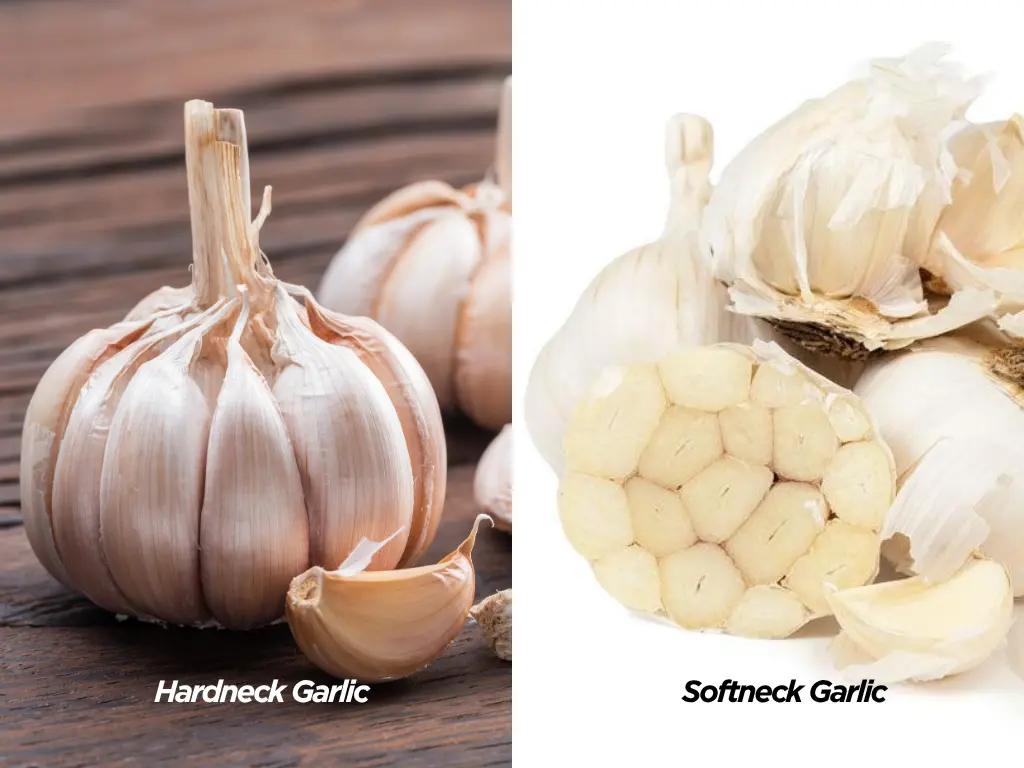
Garlic may seem simple, but its two major types—hardneck and softneck—behave like cousins with very different personalities. Hardneck garlic grows a stiff central stalk (the “neck”), produces fewer but larger cloves, and sends up a delightful curly scape in early summer. It’s the type that laughs at cold winters thanks to its deep, anchoring root system. If you live where snow piles high and spring arrives late, hardneck is your trusty friend.
Softneck garlic, the kind you’re used to seeing braided at farmers’ markets or on kitchen walls, skips the scape entirely and instead focuses its energy on producing lots of smaller cloves. It shines in mild climates and stores incredibly well—sometimes for 10–12 months without a fuss.
Both types have their place, though I’ll admit I’m biased: peeling tiny inner cloves of softneck tests my patience, especially after harvest season when I’m already feeling triumphant and don’t want my garlic talking back.
Read more:
- Garlic Varieties: Everything You Need to Know Before Choosing the Right Type to Grow
- How to Grow Garlic at Home This Fall
- 8 Mistakes to Avoid When Planting Garlic That 90% of Gardeners Make
How Fall-Planted Garlic Grows Over Winter and Spring
The beauty of fall planting is that garlic gets a head start. After planting, cloves sprout just enough to anchor themselves before winter’s chill arrives. While everything else packs up for the season, garlic quietly invests its energy in forming a deep root system. Come spring—often weeks before you’ve even thought about sowing peas—garlic starts pushing up green leaves, growing with almost comical determination.
Each new leaf matters: every leaf becomes a wrapper layer around the bulb later, which is why leaf health early in the season matters so much. Mild springs create lush, broad foliage. A cold snap might slow growth temporarily, but garlic is tough; it shrugs and keeps going.
Average Growing Timeline in US Zones 3–10
Here’s a general rhythm across the U.S., though your microclimate always has the last word:
-
Zones 3–5: Long, slow springs mean garlic typically matures in late July.
-
Zones 6–7: Ideal garlic territory; harvest usually comes in late June to mid-July.
-
Zones 8–10: Warm winters and speedy springs bring harvest as early as late May.
A sudden warm streak can fast-track your garlic. A rainy, overcast month can set it back. Garlic adapts, but it always announces its timeline through its leaves if you learn to listen.
When to Harvest Garlic
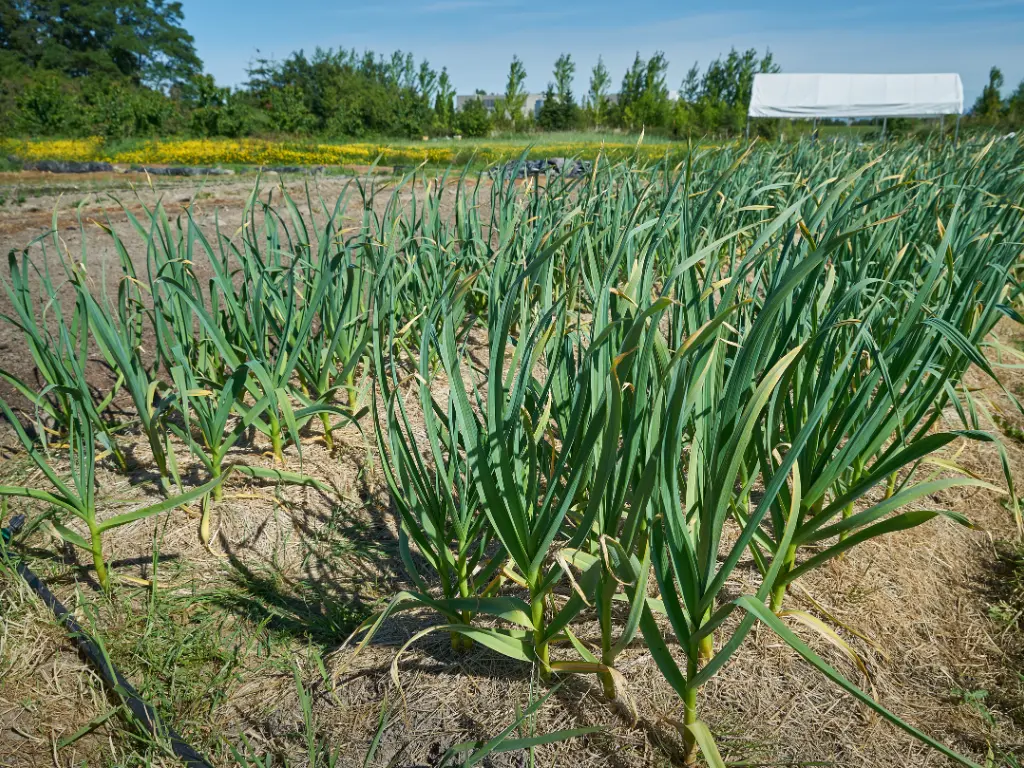
The simplest and most reliable way to tell if garlic is ready is this: count the leaves. When the bottom 2–3 leaves have browned but the top 5–6 leaves remain green, your bulbs are nearly perfect. Each green leaf becomes one wrapper layer around the bulb; more wrappers mean better curing, better storage, and better-looking garlic. Let the plant go too long and those wrappers split, cloves start separating, and the storage quality drops fast.
So what does ready garlic look like? Mature bulbs feel firm and full in the hand. The foliage begins to yellow and flop, but shouldn’t be totally collapsed yet. Hardneck varieties also offer a bonus clue: their scapes, once curly, straighten out as the bulbs reach maturity. Still unsure? Gently dig up one test bulb—if the wrappers are tight and the cloves are well-formed, you’re right on time.
Harvesting early gives you small bulbs with thin skins that won’t keep long. Harvesting late leads to blown-out heads with separated cloves that refuse to cure properly. Garlic doesn’t hide its feelings—time it right, and it rewards you with beautiful bulbs that last for months.
How Long Does Garlic Take to Harvest?
Fall-planted garlic typically needs 240–270 days, which makes it sound like the world’s slowest crop, until you remember that winter accounts for about half of that time, during which garlic simply holds its ground and dreams of spring.
Fall planting always produces the biggest bulbs because garlic values root development above all else. Planting in spring denies it the long, cool rooting stage. Spring-planted garlic can still be delicious, but the bulbs are usually smaller and finish later.
Weather Factors That Affect Harvest Timing
-
Weather plays the conductor for your garlic’s entire symphony.
-
Heat speeds everything up; cold slows growth.
-
Drought makes leaves dry prematurely; too much rain can cause fungal issues.
-
Wind stress, sudden cold snaps, and even soil type all nudge harvest timing by days or weeks.
How to Harvest Garlic Properly
When to Stop Watering Before Harvest
About 1–2 weeks before harvest, stop watering. This helps the bulb skins tighten and improves curing. Watering too close to harvest risks mold, soft wrappers, and burst skins.
Tools and Techniques to Lift Garlic Without Damage
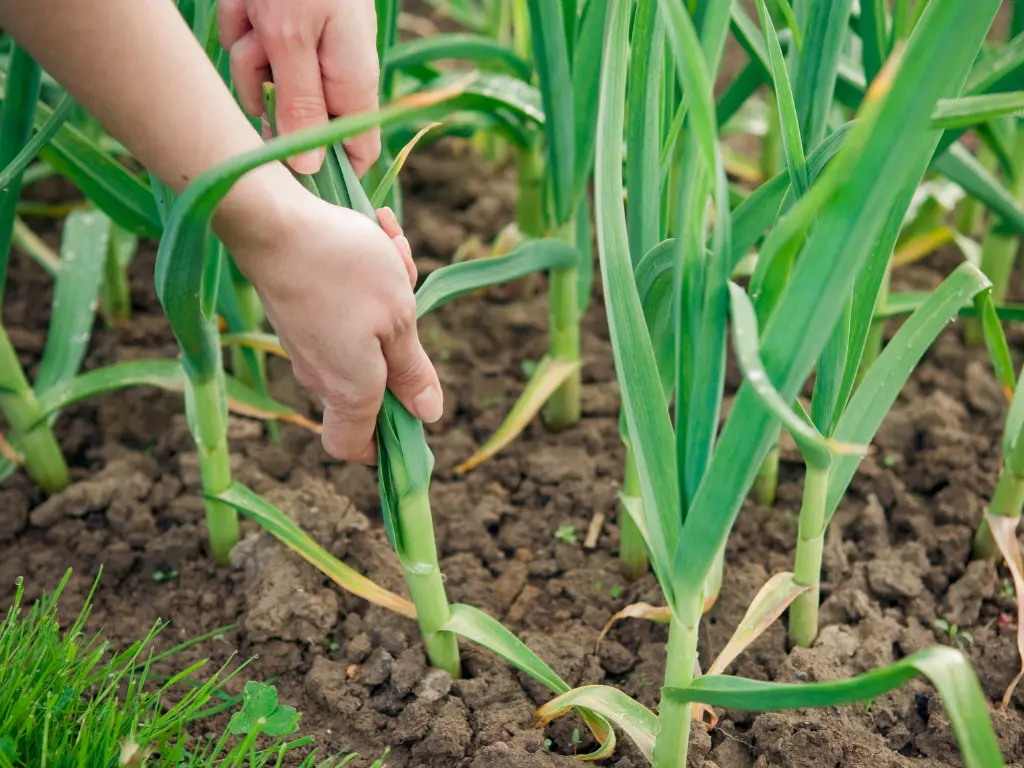
Garlic is surprisingly delicate once mature. Yanking by the stems is the quickest route to heartbreak. Instead, use a garden fork, slipping it into the soil several inches away from the row so you don’t spear a bulb by accident. Gently loosen the soil and lift each plant while supporting the stems.
Bruised garlic reduces storage life dramatically, so handle it like you would ripe fruit.
How to Handle Scapes for Bigger Bulbs
Hardneck scapes begin as tight curls, then gradually straighten. Cutting them off early encourages bigger bulbs because the plant stops investing in flowering. And scapes are delicious—grilled, sautéed, made into pesto, or eaten fresh.
Some growers insist that leaving scapes improves seed-stock quality. I’ve experimented both ways, and honestly? Harvesting them works beautifully and lets me enjoy garlic twice in one season.
How to Cure and Store Garlic for Long Shelf Life
Best Conditions for Curing Garlic (Humidity & Temperature)
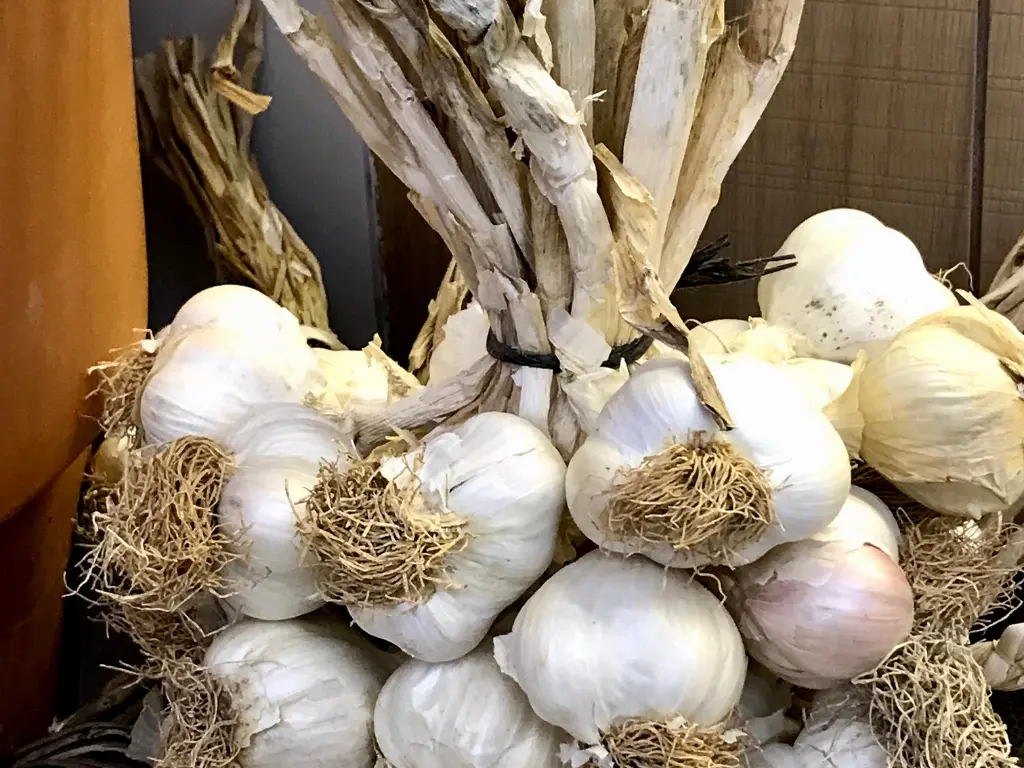
Curing is where garlic becomes storage-ready. Move it immediately into shade; direct sun can scorch fresh bulbs. Choose a spot with excellent airflow such as a garage, shed, carport, or shaded porch.
Ideal curing conditions:
-
Temperature: 55–70°F
-
Humidity: low
-
Airflow: constant
Hang garlic in bundles or lay it in single layers on racks. The goal is slow, even drying.
How to Avoid Mold and Rot During Curing
Mold sneaks in when humidity creeps up or bulbs touch each other. Keep plenty of space between bulbs, brush off soil instead of washing, and check periodically for soft spots.
If you live somewhere humid, a small fan works wonders.
Long-Term Storage Options for Different Garlic Types
Softneck garlic wins the longevity contest, storing 8–12 months if kept cool and dry. Hardneck stores 4–8 months—still impressive.
Other options:
-
freeze whole cloves
-
mince and freeze with olive oil
-
dehydrate and grind into garlic powder
There’s no wrong way to enjoy a big harvest.
Common Mistakes to Avoid When Harvesting Garlic
Harvesting Based on Calendar Instead of Signs: Garlic doesn’t care about dates on a gardening chart. Always watch the leaves—they’re honest about the bulb’s progress.
Leaving Garlic in the Ground Too Long: Overripe garlic looks swollen and split, and curing becomes a battle. Softneck suffers most, while hardneck at least gives you a warning as the wrappers loosen.
Improper Curing That Shortens Storage Life: Garlic that dries too quickly, too slowly, or in high humidity often ends up with mold, soft cloves, or wrappers that disintegrate. Proper curing is half the work of growing good garlic.
Frequently Asked Questions (FAQs)
How do I know garlic is ready to harvest in my region?
Watch the leaves: the bottom ones brown, the top five or six green. Local spring weather will shift the timeline slightly.
Does fall-planted garlic always produce bigger bulbs?
Nearly always. Fall planting lets garlic develop a massive root system, the secret behind big bulbs.
Should I cut off garlic scapes before harvest?
Yes, if you grow hardneck. Scapes taste amazing, and removing them encourages bigger bulbs.
Can I replant garlic from my harvested bulbs next year?
Absolutely. Always save your biggest, healthiest heads as your “seed” for the next season. It’s how gardeners gradually grow better garlic year after year.
You may like:
