2 Catalpa Speciosa Bare-Root Trees – Hardy Shade Tree – Fast Growing Outdoor
-50%
2 Catalpa Speciosa Bare-Root Trees – Hardy Shade Tree – Fast Growing Outdoor
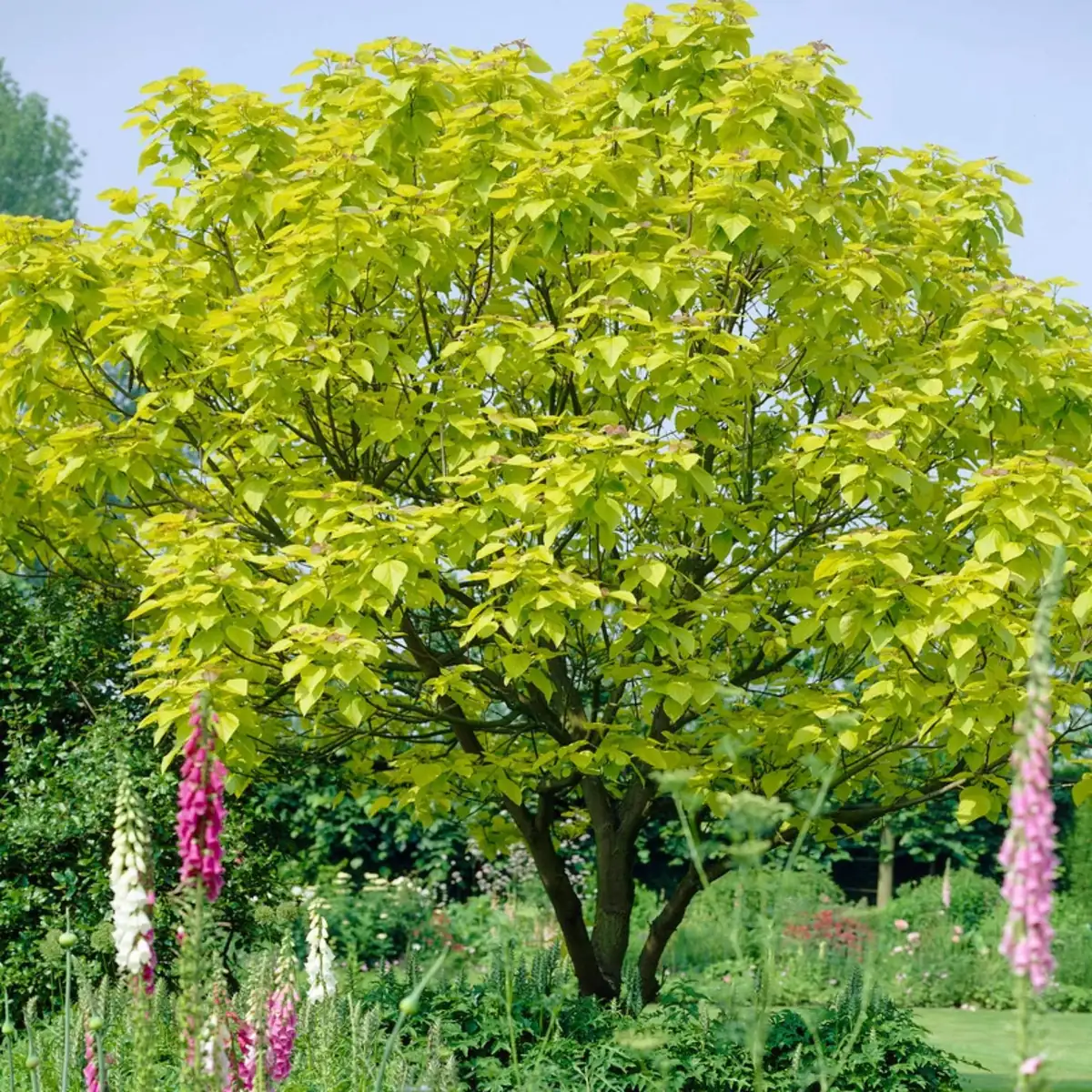
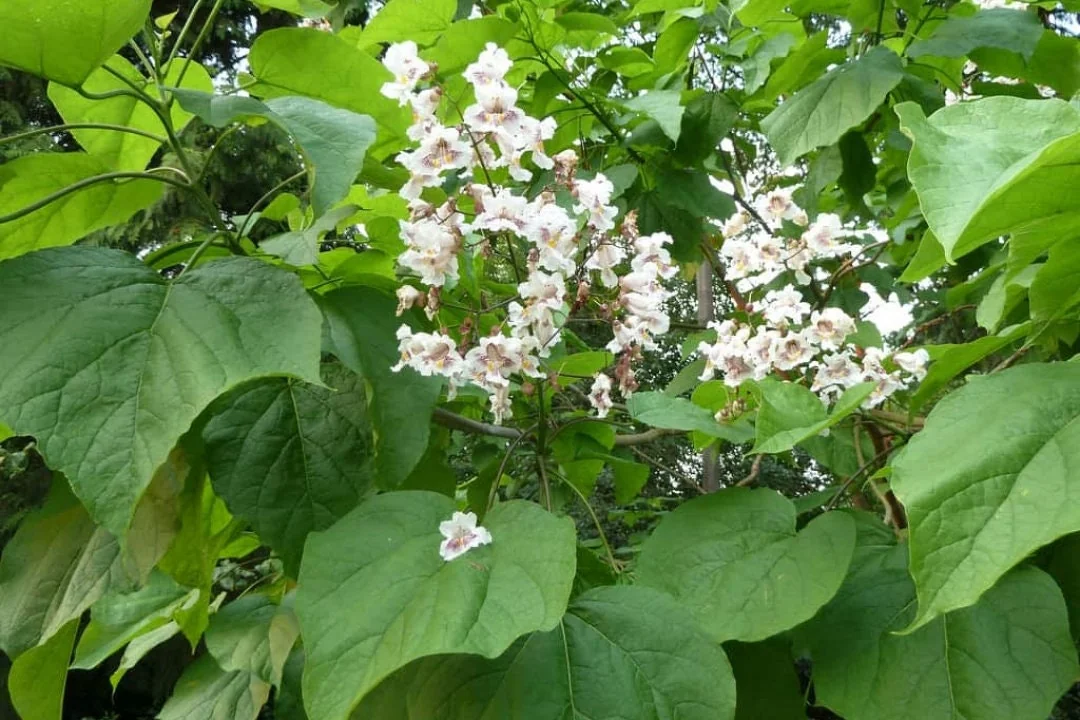
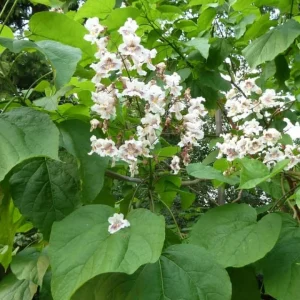
Bring robust beauty to your landscape with the 2 Catalpa Speciosa bare-root tree. Known for its rapid growth, large heart-shaped leaves, and showy white flowers, this hardy shade tree is a stunning addition to any outdoor space.
From Original price was: $143.60.$71.80Current price is: $71.80.

With our Alive & Thrive Guarantee, we’ve got your back for the first 30 days! If you have any concerns about your plants, just reach out to us. Our team is here to help answer your questions and guide you in selecting the best plants for your garden, climate, and unique preferences. We're excited to help you create the garden of your dreams!
Estimated arrival
Mar 07
Mar 12 - Mar 14
Mar 17 - Mar 21


Product Details
-
USDA Hardiness Zone
USDA zones 4-8 -
Soil type
Well-draining, rich in organic matter -
Sunlight Exposure
Full sun to partial shade -
Expected Planting Period
Early spring or late fall
Overview
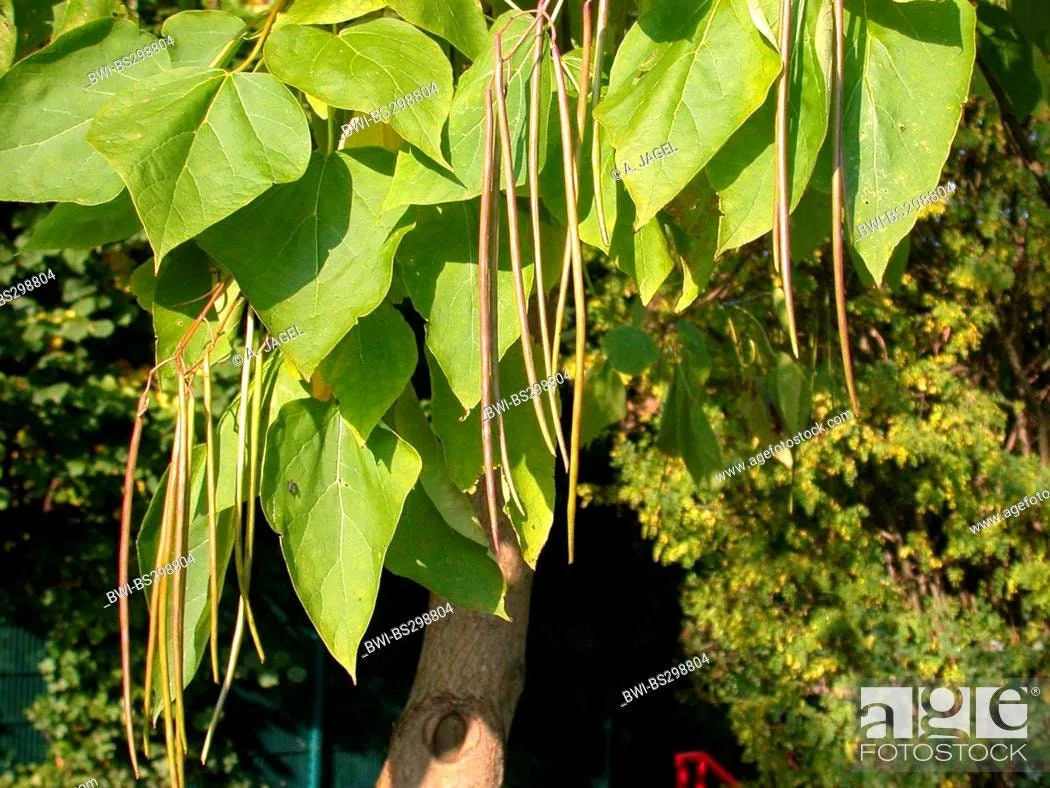
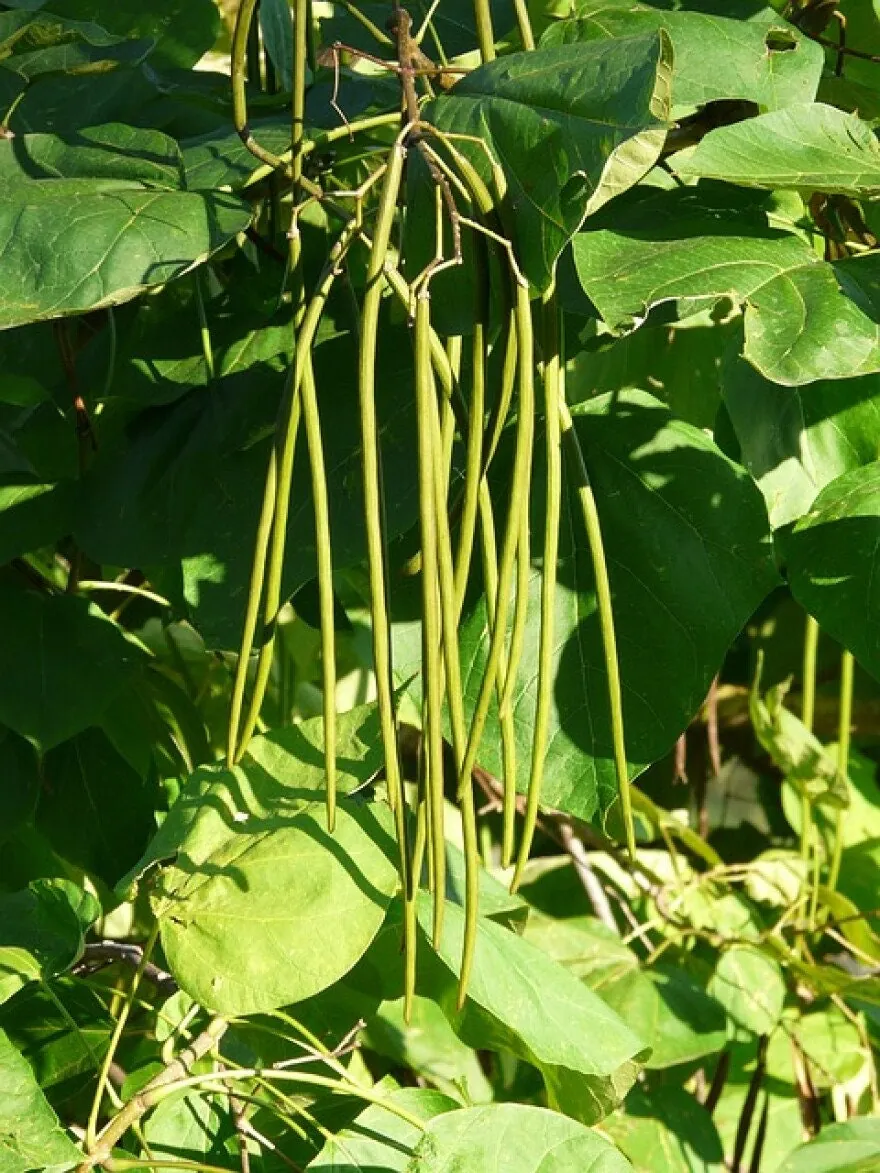
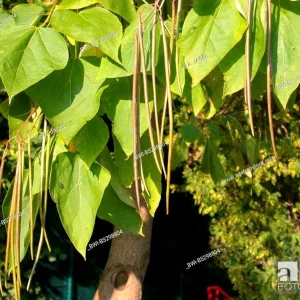
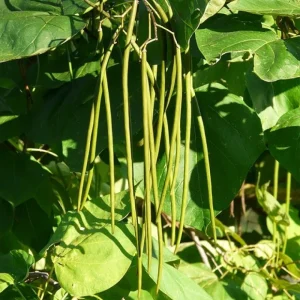
The Catalpa Speciosa bare-root tree, often affectionately called the Cigar tree or Catawba tree, is a magnificent deciduous tree renowned for its impressive size and distinctive features. This offering includes 2 bare-root plants, ready to establish quickly in your garden. Known scientifically as Catalpa speciosa, this hardy species is celebrated for its towering presence, massive heart-shaped leaves that can reach up to 12 inches long, and striking panicles of creamy white, fragrant blossoms that appear in late spring to early summer. Following the blooms, long, dark brown seed pods develop, adding unique visual interest throughout the colder months. Despite its ability to grow quite rapidly and sometimes appear in unexpected places, this graceful shade tree is highly valued for its aesthetic appeal and the cool respite it provides. It gained significant popularity in the Northeast US during the turn of the century, with many streets and neighborhoods still bearing its name, a testament to its enduring charm and widespread appreciation as a fast growing shade tree.
Native to a broad region spanning North America, the Caribbean, and East Asia, the hardy Catalpa tree has been cultivated across the United States since the early 1800s. Its adaptability and resilience make it an excellent choice for various climates, and its impressive growth rate ensures a noticeable impact on your landscape in a relatively short period. The beautiful flowers are not just a visual treat; they are also a significant draw for local pollinators, including bees, butterflies, and hummingbirds, enriching your garden’s ecosystem. Choosing a Catalpa Speciosa bare-root tree means investing in a long-lasting, low-maintenance, and visually rewarding addition to your property, providing shade, beauty, and a touch of historical charm.
Key Benefits
The Catalpa Speciosa bare-root tree offers numerous advantages for any landscape, combining beauty with practical benefits:
- Exceptional Shade Provider: With its large leaves and spreading branches, the Catalpa Speciosa bare-root tree creates a dense canopy, offering excellent shade during hot summer months. This can help reduce cooling costs for nearby structures and create comfortable outdoor living spaces.
- Stunning Ornamental Value: The tree boasts enormous heart-shaped leaves, elegant creamy-white fragrant blossoms, and unique long seed pods, providing year-round visual interest and making it a striking focal point in any garden or yard.
- Attracts Pollinators: The fragrant white flowers are a magnet for bees, butterflies, and hummingbirds, enhancing biodiversity in your garden and supporting local ecosystems crucial for plant health and reproduction.
- Fast Growth Rate: Known for its rapid development, this fast growing shade tree quickly establishes itself and matures, allowing you to enjoy its full benefits sooner than many other tree species.
- Low Maintenance: Once established, the hardy Catalpa tree is relatively self-sufficient, requiring minimal care and adapting well to various soil conditions, making it an ideal choice for busy gardeners.
- Durable and Resilient: This tree is known for its hardiness and ability to withstand a range of environmental conditions, making it a robust and reliable addition to your landscape that will thrive for many years.
- Historical and Cultural Significance: The presence of a Northern Catalpa plant can add a touch of historical charm to your property, reflecting its long cultivation history and popularity in American landscapes.
Plant Care & Growing Tips
Caring for your Catalpa Speciosa bare-root tree is relatively straightforward, especially once it’s established. For optimal growth, choose a location that receives full sun to partial shade, meaning at least 6 hours of direct sunlight per day. While adaptable, the tree thrives in well-draining soil that is rich in organic matter. Avoid heavy, compacted soils that retain too much water, as this can lead to root rot. When planting your bare-root tree, dig a hole wide enough to accommodate the roots without bending, and deep enough so the root collar is level with the surrounding soil. Backfill with soil, gently tamping down to remove air pockets, and water thoroughly.
During its first year, consistent watering is crucial to help the Catalpa Speciosa bare-root tree establish a strong root system. Water deeply once or twice a week, or more frequently during dry spells, ensuring the soil remains consistently moist but not waterlogged. Once established, it becomes quite drought-tolerant. This hardy species is typically resistant to most pests and diseases, though occasional monitoring for common garden issues is always recommended. Fertilize in early spring with a balanced, slow-release fertilizer if your soil lacks nutrients, but generally, the hardy Catalpa tree does not require heavy feeding. Pruning should focus on removing dead, damaged, or crossing branches to maintain a strong structure and open canopy. This tree is suitable for USDA zones 4-8, demonstrating its resilience across a wide range of climates. With proper care, your Northern Catalpa plant will flourish and become a majestic landscape feature.
Size & Details
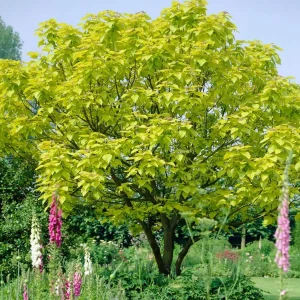
This offering includes two Catalpa Speciosa bare-root tree plants, ideal for planting directly into your garden or a larger container upon arrival. Bare-root trees are dormant plants shipped without soil around their roots, offering an economical and efficient way to plant. Upon planting, these trees are expected to grow rapidly, typically adding 1-2 feet per year in ideal conditions, quickly developing into a substantial shade tree. A mature Cigar tree for sale like this can reach impressive heights of 40-70 feet with a similar spread, creating a broad, rounded canopy. The large leaves can grow up to 12 inches long and 8 inches wide, contributing to its dense shade. Flowers typically appear in late spring to early summer, followed by seed pods that can persist through winter, adding seasonal interest. These trees are shipped in their dormant state, ensuring they transplant easily and begin to grow vigorously once planted in their permanent location, allowing them to transform into a beautiful fast growing shade tree.
Frequently Asked Questions
- Q: How big does this Catalpa Speciosa bare-root tree get? A: A mature Catalpa Speciosa bare-root tree can reach an impressive height of 40-70 feet with a similar spread, forming a wide, rounded canopy that provides excellent shade. Its rapid growth rate means you’ll see significant development quickly.
- Q: Is this an indoor or outdoor plant? A: The hardy Catalpa tree is an outdoor plant, best suited for planting in gardens, yards, or along streets where it has ample space to grow to its full mature size. It is not suitable for indoor cultivation.
- Q: How much sunlight does it need? A: This tree thrives in full sun to partial shade, ideally receiving at least 6 hours of direct sunlight each day for optimal growth and flowering. Adequate sunlight is crucial for a healthy Northern Catalpa plant.
- Q: What condition will the bare-root trees arrive in? A: The Catalpa Speciosa bare-root tree will arrive dormant, without soil around its roots. This is a common and effective way to ship trees for successful transplanting. Upon arrival, plant them as soon as possible.
- Q: Is this tree suitable for beginners? A: Yes, the hardy Catalpa tree is relatively easy to care for once established, making it a good choice for both experienced gardeners and beginners looking for a robust and beautiful shade tree.
- Q: When is the best time to plant a Catalpa Speciosa bare-root tree? A: The ideal time to plant bare-root trees, including the Catalpa Speciosa bare-root tree, is in early spring before the tree breaks dormancy, or in late fall after dormancy has set in, allowing roots to establish before extreme weather.
- Q: Will the Cigar tree survive winter in my zone? A: Yes, the Cigar tree for sale is very hardy and typically thrives in USDA Plant Hardiness Zones 4 through 8, making it resilient to a wide range of winter temperatures across many regions of the US.
- Q: What type of soil does this tree prefer? A: The fast growing shade tree prefers well-draining soil, ideally rich in organic matter. While adaptable to various soil types, good drainage is key to prevent root issues.
- Q: Do the flowers attract pollinators? A: Absolutely! The creamy white, fragrant blossoms of the Northern Catalpa plant are highly attractive to bees, butterflies, and hummingbirds, making it a great addition for supporting local wildlife.
- Q: How often should I water the newly planted bare-root tree? A: For the first year after planting, water deeply once or twice a week, or more often during dry periods, to ensure the soil remains consistently moist. This helps the Catalpa Speciosa bare-root tree establish its root system.
| Catalpa Tree | 12-18'', 18-24'', 2-3' |
|---|
Related products

-10%
Original price was: $23.99.$21.59Current price is: $21.59.

PLANTING & CARE

The Comprehensive Guide to Growing Bay Leaf Plants for a Flavorful Garden
Imagine stepping into your garden, greeted by the earthy aroma of fresh bay leaves, their
09
Feb
Feb

How to Make Comfrey Tea: The Ultimate Organic Plant Food
Growing an organic garden can be surprisingly expensive, especially when most store-bought fertilizers come in
02
Feb
Feb

True Comfrey: 7 Essential Tips Before You Plant This Herb
A staple in permaculture practices across the US, True Comfrey easily earns its reputation as
27
Jan
Jan

7 Heart-Shaped Plants for a Lasting Valentine’s Gift
If you’ve ever bought a bouquet of roses for Valentine’s Day, you know they are
26
Jan
Jan

Best Types of Ivy Plant for Houses: How to Choose the Perfect Ones for Your Home
Are you a garden lover looking to introduce some greenery into your home? Maybe you’ve
14
Nov
Nov

When to Harvest Garlic (Especially Fall-Planted Garlic)
TIMING IS EVERYTHING, they say – and for garlic, that truth hits with surprising accuracy.
13
Nov
Nov

11 of the Best Sweet Potato Varieties to Grow for Your Garden
If you’ve ever tried growing sweet potatoes, you know that picking the right variety can
12
Nov
Nov
Pruning Bougainvillea for Winter
Bougainvillea vines are known for their dazzling display of magenta, orange, and fuchsia bracts that
05
Nov
Nov