3 English Walnut Trees – Juglans regia – Live plant – Up to 2 ft tall – Outdoor

3 English Walnut Trees – Juglans regia – Live plant – Up to 2 ft tall – Outdoor
Enhance your garden with English walnut trees. These live plants grow up to 2 ft tall and are perfect for outdoor planting. Enjoy the benefits of home-grown walnuts.
$132.00

With our Alive & Thrive Guarantee, we’ve got your back for the first 30 days! If you have any concerns about your plants, just reach out to us. Our team is here to help answer your questions and guide you in selecting the best plants for your garden, climate, and unique preferences. We're excited to help you create the garden of your dreams!
Estimated arrival
Oct 20
Oct 25 - Oct 27
Oct 30 - Nov 03

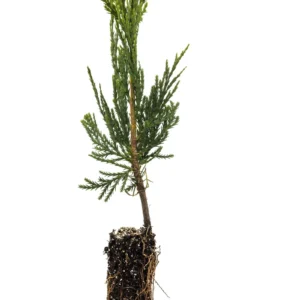
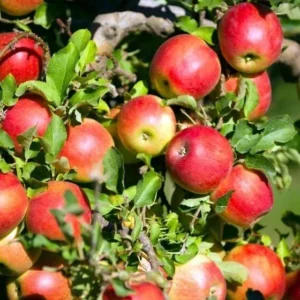


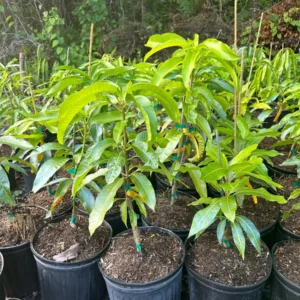
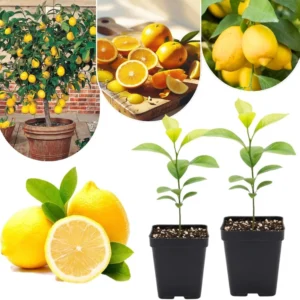

Product Details
-
USDA Hardiness Zone
5-9 -
Soil type
well-draining soil -
Sunlight Exposure
full sun -
Expected Planting Period
spring to early summer
Overview
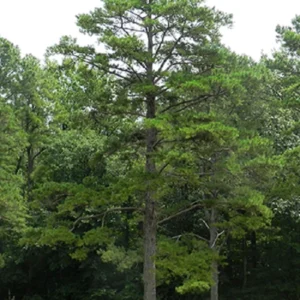
The English walnut trees (Juglans regia) are a delightful addition to any garden. Known for their delicious nuts and beautiful canopy, these live plants are perfect for outdoor spaces. Each tree can grow up to 2 ft tall, making them an ideal choice for both novice and experienced gardeners alike.
These walnut trees are not just a source of tasty nuts; they also provide shade and enhance the beauty of your landscape. They are hardy and robust, thriving in various conditions, which makes them a popular choice among gardeners.
Key Benefits
Growing English walnut trees comes with many advantages:
- Delicious Nuts: Enjoy fresh walnuts right from your garden, perfect for snacking or cooking.
- Shade Provider: These trees can provide ample shade in your yard during hot summer months.
- Attractive Foliage: The leaves of walnut trees are lush and provide a beautiful green canopy.
- Wildlife Friendly: Attract various birds and beneficial insects to your garden.
- Low Maintenance: Once established, walnut trees require minimal care, making them ideal for busy gardeners.
- Environmental Benefits: Trees improve air quality and contribute to a healthier ecosystem.
- Long Lifespan: With proper care, these trees can live for decades, providing enjoyment for many years.
Plant Care & Growing Tips
Caring for your English walnut trees is straightforward. Start by planting them in well-drained soil with good sunlight exposure. Walnut trees prefer full sun, ideally receiving 6 to 8 hours of direct sunlight each day. Make sure to keep the soil evenly moist but not waterlogged.
These trees thrive in USDA hardiness zones 5 to 9, making them suitable for a wide range of climates. Regular watering is crucial, especially during dry spells, but be cautious of overwatering. Fertilize your walnut trees once in the spring with a balanced fertilizer to promote healthy growth.
Watch for common pests such as aphids and caterpillars, and treat them promptly to prevent damage. Pruning is also beneficial, helping to shape the tree and encourage better nut production.
Size & Details
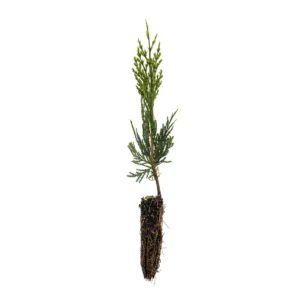
Each English walnut tree is approximately 2 ft tall at maturity. They are shipped as live plants, ready for outdoor planting. Expect them to grow steadily and reach greater heights as they mature, typically gaining several feet each year under optimal conditions.
Frequently Asked Questions
- Q: How big does this plant get? A: English walnut trees can grow to substantial heights, often exceeding 30 ft when fully matured.
- Q: Is this an indoor or outdoor plant? A: These trees are outdoor plants and thrive best in garden settings.
- Q: How much sunlight does it need? A: Walnut trees prefer full sun, needing about 6-8 hours of direct sunlight daily.
- Q: Is this plant easy to care for? A: Yes, English walnut trees are low maintenance once established, requiring minimal care.
- Q: What condition will it arrive in? A: The trees will arrive as healthy live plants, ready for planting.
- Q: Can I use walnuts in cooking? A: Yes, the nuts from these trees are delicious and can be used in various recipes.
- Q: How long until it produces nuts? A: Walnut trees typically start producing nuts in 4-5 years after planting.
- Q: Will it survive winter in my zone? A: Yes, these trees are suited for USDA zones 5 to 9 and can survive winter conditions in those areas.
- Q: What type of soil is best? A: They thrive in well-drained soil, enriched with organic matter.
Related products
-20%
Original price was: $90.00.$72.00Current price is: $72.00.


-50%
Original price was: $180.99.$89.89Current price is: $89.89.
PLANTING & CARE
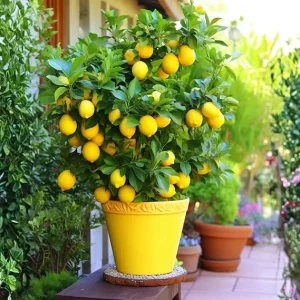
Lemon Tree Growing: Choose, Plant, and Harvest
Learn how to choose, plant, feed, and protect a lemon tree so it fits your
23
Sep
Sep
Dwarf Meyer Lemon Tree Australia: Climate Guide
Learn where dwarf Meyer lemon trees grow, how much cold they tolerate, and whether Australia,
Where to Buy a Dwarf Meyer Lemon Tree: Buyer’s Guide
Find the right dwarf Meyer lemon tree online or locally, compare starter sizes and costs,
Dwarf Meyer Lemon Tree for Sale: Buying Guide
Compare Meyer lemon tree sizes, prices, shipping limits, indoor growing and California options before you
Dwarf Meyer Lemon Tree Guide: Size, Care and Fruit
META: Learn how large a dwarf Meyer lemon tree grows, where it thrives, and how
How to Prune a Dwarf Meyer Lemon Tree
Learn when and how to prune a dwarf Meyer lemon tree, including tools, shaping cuts,
Can You Grow a Dwarf Meyer Lemon Tree in a Pot?
META: Learn how to grow a dwarf Meyer lemon tree in a pot, including container
When Do Dwarf Meyer Lemon Trees Bloom and Fruit?
META: Dwarf Meyer lemon trees usually bloom from winter through spring and may flower again