Pomegranate Tree Live Plant – 1 Gallon – Outdoor Fruit Tree
Pomegranate Tree Live Plant – 1 Gallon – Outdoor Fruit Tree
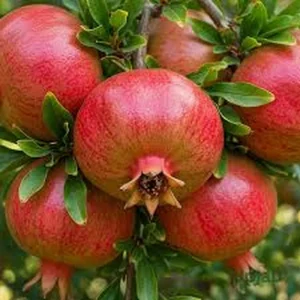
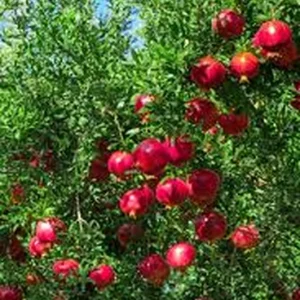
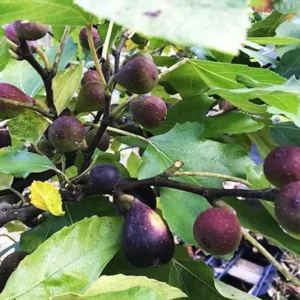
Bring home a pomegranate tree live plant in a 1-gallon pot, ready to thrive in your garden. This beautiful fruit-bearing tree offers delicious, antioxidant-rich pomegranates and ornamental appeal, making it an excellent choice for any gardener interested in growing pomegranate tree for fresh fruit.
$67.96

With our Alive & Thrive Guarantee, we’ve got your back for the first 30 days! If you have any concerns about your plants, just reach out to us. Our team is here to help answer your questions and guide you in selecting the best plants for your garden, climate, and unique preferences. We're excited to help you create the garden of your dreams!
Estimated arrival
Mar 31
Apr 05 - Apr 07
Apr 10 - Apr 14

Product Details
-
USDA Hardiness Zone
USDA Zones 7-10 -
Soil type
Well-draining loam to sandy soil -
Sunlight Exposure
Full sun (6-8+ hours direct light) -
Expected Planting Period
Spring to early summer
Overview
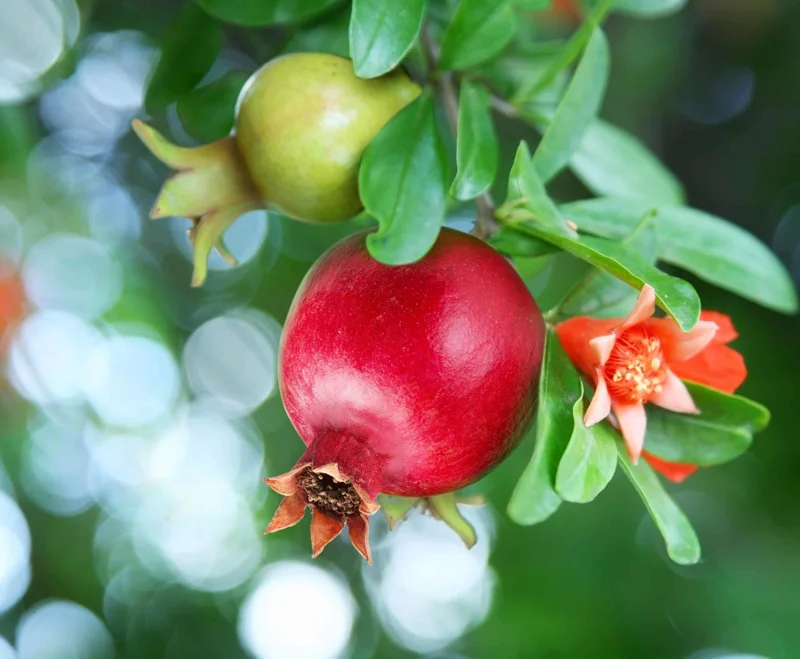
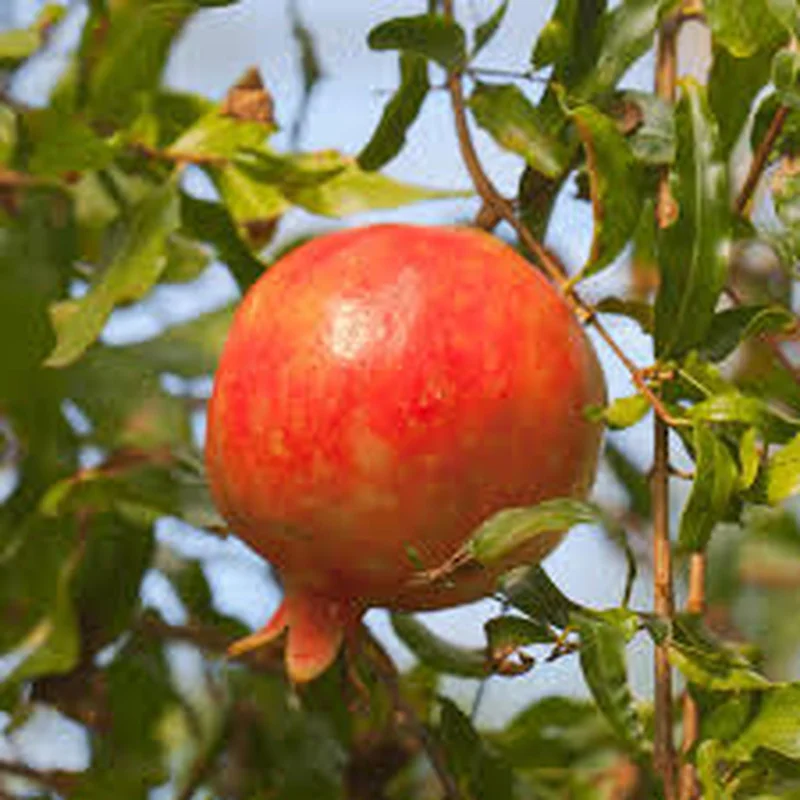
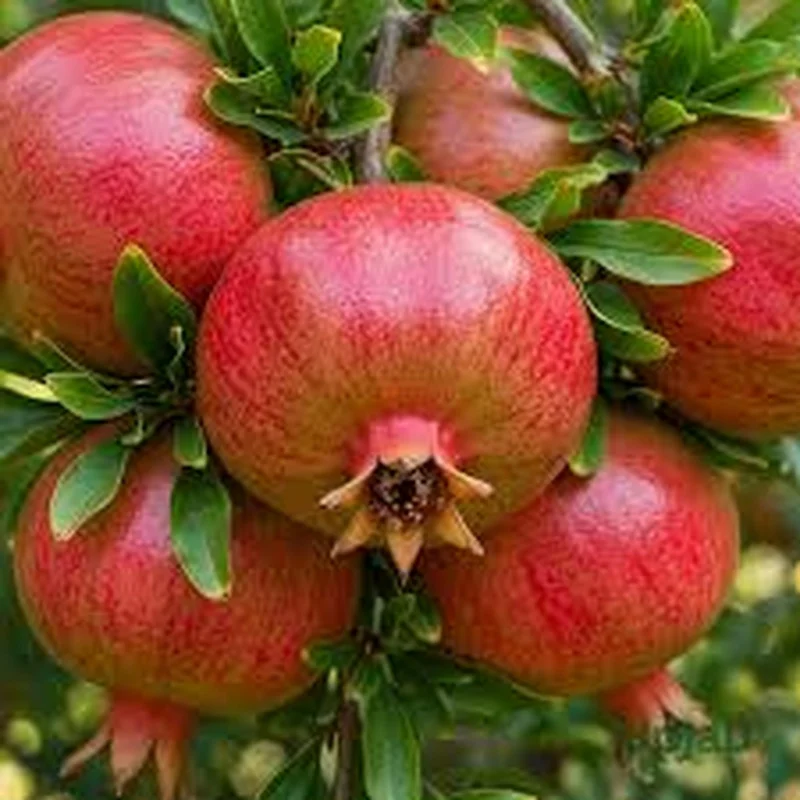
Cultivate the exotic beauty and delicious fruit of the pomegranate tree live plant in your own backyard. This 1-gallon specimen arrives healthy and ready for planting, offering the promise of fresh, juicy pomegranates for years to come. Pomegranates, scientifically known as Punica granatum, are renowned for their vibrant red fruits, packed with antioxidants and a unique sweet-tart flavor. Beyond their culinary appeal, these trees boast attractive foliage and striking orange-red flowers, adding a touch of Mediterranean charm to any landscape. Whether you’re an experienced horticulturist or just starting your edible garden journey, this pomegranate tree live plant is a rewarding addition, providing both aesthetic beauty and a bountiful harvest.
Historically, pomegranates have been cultivated for thousands of years, originating from the Middle East and spreading across the globe for their health benefits and delicious taste. They are relatively low-maintenance once established, making them suitable for a wide range of climates and gardening expertise. Our 1-gallon pomegranate tree live plant provides a head start, allowing you to enjoy fruit much sooner than if growing from seed. Prepare to be delighted by the rich flavor and nutritional value of homegrown pomegranates.
Key Benefits
Adding a pomegranate tree to your garden offers a multitude of benefits, from its aesthetic appeal to its health-boosting fruits. This versatile tree is a true garden gem:
- Delicious, Nutritious Fruit: Enjoy a steady supply of fresh pomegranates, rich in antioxidants, vitamin C, and fiber. Homegrown fruit often tastes superior to store-bought varieties, and you’ll have the satisfaction of knowing exactly how it was cultivated.
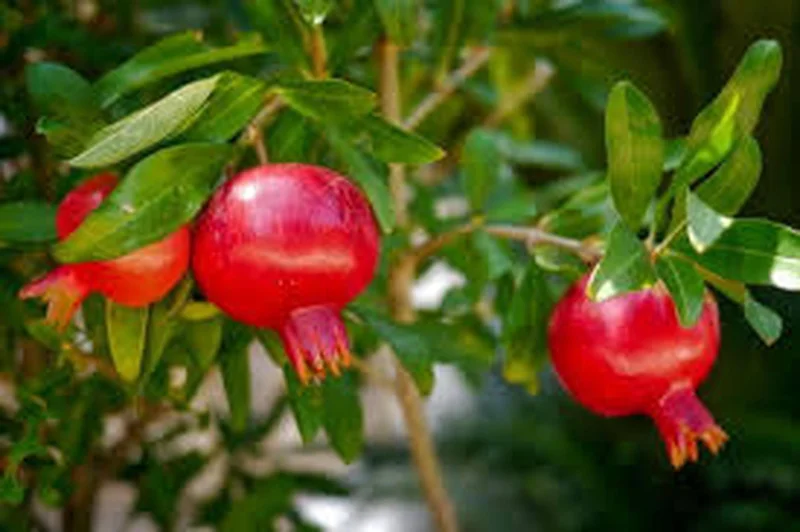
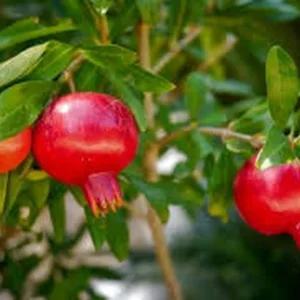
- Ornamental Appeal: Beyond its fruit, the pomegranate tree live plant features glossy green leaves and beautiful, trumpet-shaped orange-red flowers that bloom in spring and summer, adding significant visual interest to your garden.
- Drought Tolerance: Once established, pomegranate trees are remarkably drought-tolerant, making them an excellent choice for water-wise gardening and regions with drier climates. This resilience reduces the need for frequent watering.
- Versatile Landscaping: Suitable for a variety of garden designs, pomegranates can be grown as a specimen tree, part of an edible hedge, or even in large containers for those with limited space. This adaptability makes growing pomegranate tree accessible to many.
- Long Lifespan: Pomegranate trees are known for their longevity, often producing fruit for several decades, making them a long-term investment in your home orchard.
- Attracts Pollinators: The vibrant flowers attract bees and other beneficial pollinators to your garden, contributing to a healthier ecosystem.
- Relatively Pest Resistant: Pomegranates are generally robust plants with good resistance to many common pests and diseases, simplifying their care and maintenance.
Plant Care & Growing Tips
Proper care is essential for a thriving pomegranate tree live plant and a bountiful harvest. Pomegranates are relatively easy to care for but have specific needs to ensure optimal growth and fruit production. They prefer a sunny location, ideally receiving at least 6-8 hours of direct sunlight per day. In very hot climates, some afternoon shade can be beneficial to prevent fruit sunburn. When considering pomegranate plant care, remember that they are quite adaptable but will perform best with consistent conditions.
Pomegranate trees thrive in well-draining soil with a pH between 5.5 and 7.0. While they can tolerate a range of soil types, sandy loams are ideal. Ensure good drainage to prevent root rot. Water regularly during the first year after planting to help establish the root system. Once established, they are drought-tolerant, but consistent watering during fruit development will lead to larger, juicier pomegranates. Reduce watering in the fall as the tree prepares for dormancy. Fertilize in early spring with a balanced slow-release fertilizer or an organic compost, avoiding over-fertilization which can lead to excessive foliage at the expense of fruit. Pruning should be done in late winter or early spring to remove dead or crossing branches and to encourage an open structure that allows for good air circulation and sunlight penetration. This is particularly important for managing a dwarf pomegranate tree or training it as a shrub.
Pomegranates are generally hardy in USDA zones 7-10. In colder regions, they can be grown in large containers and brought indoors during winter or treated as annuals. Protect young trees from severe frost. Keep an eye out for common issues like aphids or scale, though serious pest problems are uncommon. Consistent monitoring and good cultural practices, including proper watering and air circulation, are key to preventing most issues. By following these guidelines for pomegranate plant care, you’ll ensure your tree remains healthy and productive.
Size & Details
This offering is for one pomegranate tree live plant, supplied in a 1-gallon nursery pot. At the time of shipment, the plant typically stands between 12-24 inches tall, depending on seasonal growth and cultivar. Pomegranate trees are moderate growers, reaching a mature height of 10-20 feet and a similar spread, though they can be kept smaller with regular pruning, especially if you’re aiming for a dwarf pomegranate tree or container specimen. They usually begin bearing fruit within 2-3 years of planting, with peak production occurring after 5-7 years. The plant will arrive with a well-developed root system, ready for transplanting into your garden or a larger container. Expect vibrant foliage and the promise of delicious fruit from this robust specimen, a fantastic addition for anyone looking for an edible fruit tree.
Frequently Asked Questions
- Q: How big does this pomegranate tree get? A: This pomegranate tree live plant is supplied in a 1-gallon pot. When mature, it can reach a height of 10-20 feet and a similar spread, though its size can be managed through pruning, especially if grown as a dwarf pomegranate tree or in a large container.
- Q: Is this an indoor or outdoor plant? A: Pomegranate trees are best suited for outdoor cultivation in USDA Zones 7-10. In colder climates, they can be grown in large pots and moved indoors to a sunny location during winter months.
- Q: How much sunlight does a pomegranate tree need? A: For optimal fruit production and overall health, your pomegranate tree live plant requires at least 6-8 hours of direct sunlight per day. Full sun exposure is critical for successful fruit development.
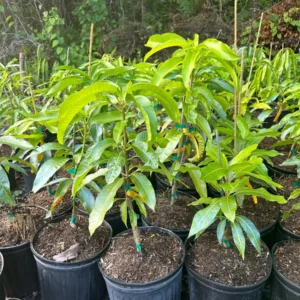
- Q: What condition will the pomegranate tree arrive in? A: Your 1-gallon pomegranate tree live plant will arrive healthy, well-rooted, and carefully packaged to ensure its safe journey. It will be actively growing and ready for transplanting.
- Q: Is this plant easy to care for? A: Yes, once established, pomegranate trees are relatively low-maintenance. They are drought-tolerant and generally resistant to many common pests, making growing pomegranate tree a rewarding experience for most gardeners.
- Q: When is the best time to plant a pomegranate tree? A: The best time to plant your pomegranate tree live plant is in the spring after the last danger of frost has passed, or in the fall in warmer climates. This allows the plant time to establish its roots before extreme temperatures.
- Q: Will it survive winter in my zone? A: Pomegranates are hardy in USDA Zones 7-10. If you are in a colder zone, you will need to provide winter protection, such as bringing a container-grown plant indoors or mulching heavily around the base of an in-ground tree.
- Q: How long until it produces fruit? A: This 1-gallon pomegranate tree live plant typically begins producing fruit within 2-3 years of planting, with production increasing as the tree matures.
- Q: What kind of soil does a pomegranate tree prefer? A: Pomegranate trees thrive in well-draining soil, ideally sandy loam, with a pH between 5.5 and 7.0. Good drainage is crucial for healthy root development and overall pomegranate plant care.
- Q: Can I grow this as an edible fruit tree in a container? A: Yes, pomegranate trees adapt well to container growing, especially if you prune them to maintain a manageable size. Choose a large pot (at least 15-20 gallons) with good drainage.
Related products

-20%
Original price was: $90.00.$72.00Current price is: $72.00.
PLANTING & CARE
Growing Glencoe Raspberry: A Complete Guide for Gardeners
If you’re looking to add something unique to your garden, look no further than the
31
Mar
Mar

The Comprehensive Guide to Growing Bay Leaf Plants for a Flavorful Garden
Imagine stepping into your garden, greeted by the earthy aroma of fresh bay leaves, their
09
Feb
Feb

How to Make Comfrey Tea: The Ultimate Organic Plant Food
Growing an organic garden can be surprisingly expensive, especially when most store-bought fertilizers come in
02
Feb
Feb

True Comfrey: 7 Essential Tips Before You Plant This Herb
A staple in permaculture practices across the US, True Comfrey easily earns its reputation as
27
Jan
Jan

7 Heart-Shaped Plants for a Lasting Valentine’s Gift
If you’ve ever bought a bouquet of roses for Valentine’s Day, you know they are
26
Jan
Jan

Best Types of Ivy Plant for Houses: How to Choose the Perfect Ones for Your Home
Are you a garden lover looking to introduce some greenery into your home? Maybe you’ve
14
Nov
Nov

When to Harvest Garlic (Especially Fall-Planted Garlic)
TIMING IS EVERYTHING, they say – and for garlic, that truth hits with surprising accuracy.
13
Nov
Nov

11 of the Best Sweet Potato Varieties to Grow for Your Garden
If you’ve ever tried growing sweet potatoes, you know that picking the right variety can
12
Nov
Nov