Loquat Live Plant – 5-8in Tall – 4in Pot – Fruit Tree – Outdoor
-16%
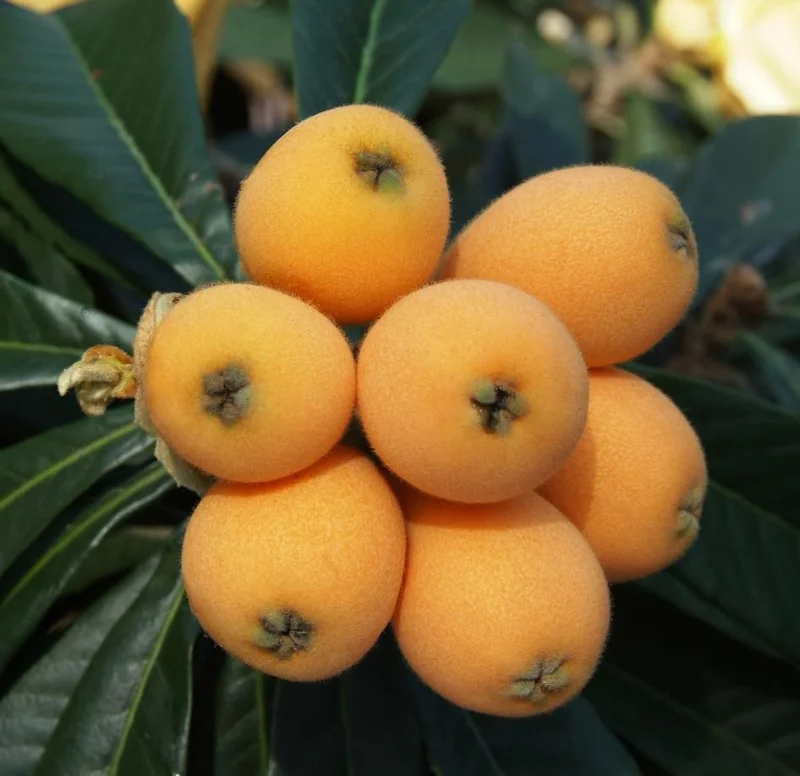
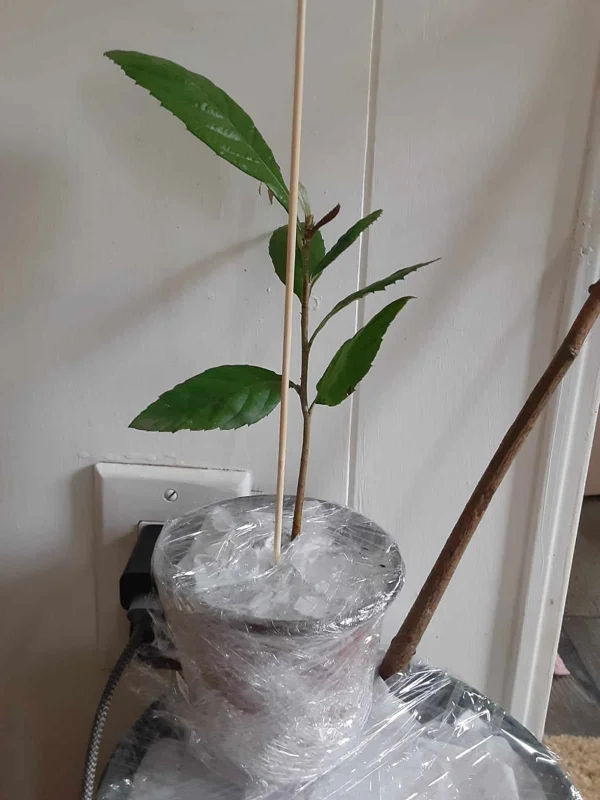
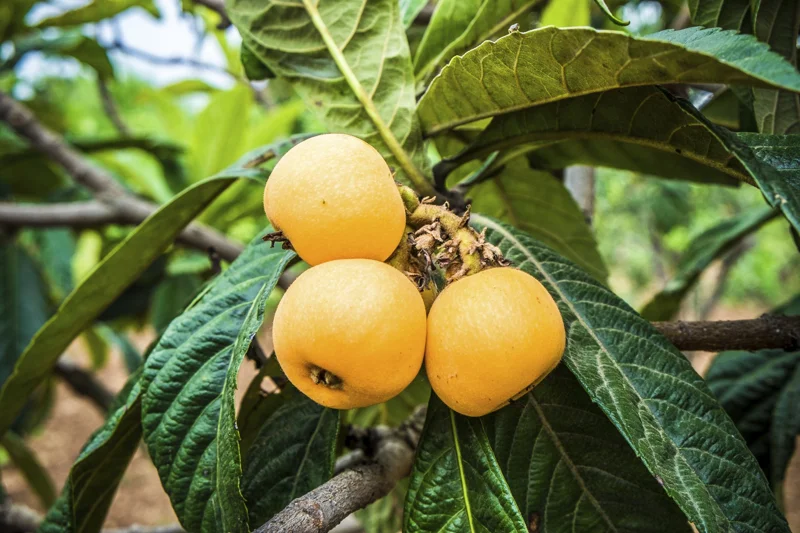
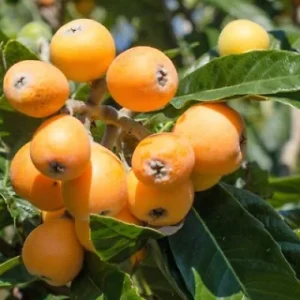
Loquat Live Plant – 5-8in Tall – 4in Pot – Fruit Tree – Outdoor
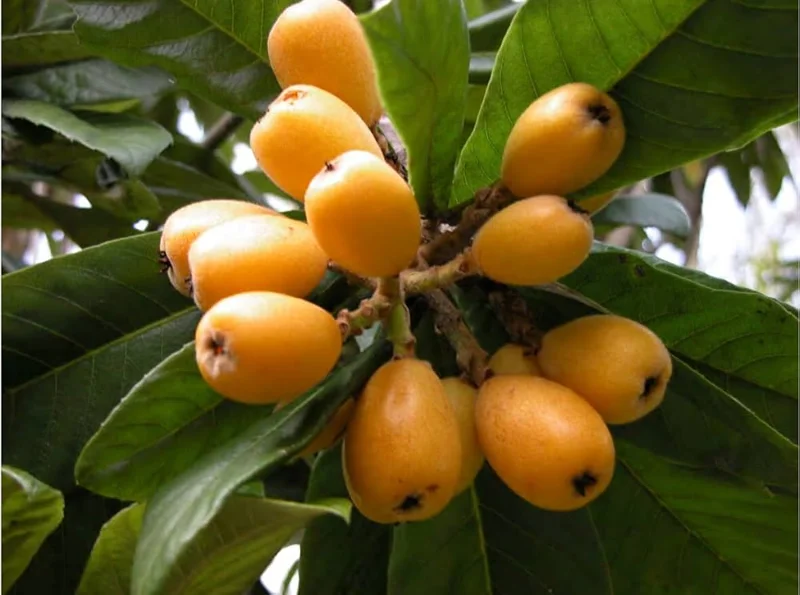
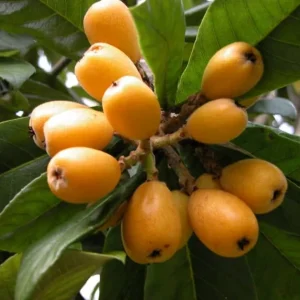
Bring the joy of home-grown fruit to your garden with this healthy loquat live plant. Standing 5-8 inches tall in a 4-inch pot, this young loquat fruit tree is ready to thrive. Known for its delicious, juicy fruits and attractive foliage, it makes a wonderful addition to any landscape or patio.
Original price was: $31.99.$26.99Current price is: $26.99.

With our Alive & Thrive Guarantee, we’ve got your back for the first 30 days! If you have any concerns about your plants, just reach out to us. Our team is here to help answer your questions and guide you in selecting the best plants for your garden, climate, and unique preferences. We're excited to help you create the garden of your dreams!
Estimated arrival
Mar 31
Apr 05 - Apr 07
Apr 10 - Apr 14

Product Details
-
USDA Hardiness Zone
USDA Zones 8-10 (can be grown in containers in colder zones) -
Soil type
Well-draining sandy loam -
Sunlight Exposure
Full sun (6-8+ hours direct light) -
Expected Planting Period
Spring to early summer (or year-round indoors in colder climates)
Overview
Discover the delightful taste of fresh, home-grown fruit with our premium loquat live plant. This young specimen, measuring 5-8 inches tall and rooted in a 4-inch pot, offers an exciting opportunity for gardeners and fruit enthusiasts alike. Loquats, scientifically known as Eriobotrya japonica, are evergreen trees native to China, prized for their sweet, tangy fruits and ornamental appeal. Often referred to as the Japanese plum or Japanese medlar, the loquat fruit tree is a versatile addition to various garden styles, from edible landscapes to container gardening on patios. Its lush, tropical-looking foliage provides year-round beauty, making it a functional and aesthetic choice for your outdoor space. Growing your own loquat tree allows you to enjoy the freshest fruit directly from your garden, free from pesticides and artificial ripening agents. This plant is carefully nurtured to ensure a strong root system, setting it up for successful growth in your care.
Key Benefits
Cultivating a loquat live plant offers a multitude of rewards, blending both aesthetic pleasure and practical benefits for your home and garden. Its unique characteristics make it a standout choice:
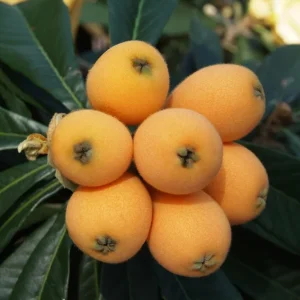
- Delicious, Nutritious Fruit: Enjoy a bounty of sweet, juicy loquat fruits, rich in vitamins A and C, fiber, and potassium. These golden-yellow fruits ripen in late spring to early summer, offering a refreshing treat directly from your garden. The taste is a delightful blend of peach, citrus, and cherry.
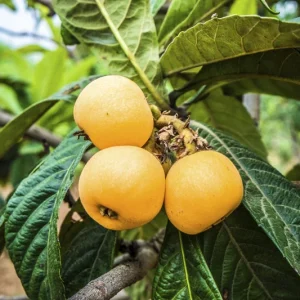
- Ornamental Appeal: The loquat tree boasts large, dark green, leathery leaves with a fuzzy underside, providing a lush, tropical look that enhances any landscape. Its attractive foliage and fragrant, white flowers in autumn or early winter make it a beautiful specimen tree even when not fruiting. This makes the eriobotrya japonica an excellent choice for visual interest.
- Adaptable and Resilient: Loquats are known for their hardiness and ability to adapt to various soil types and climates, provided they receive adequate sunlight and drainage. They are relatively drought-tolerant once established, making them a low-maintenance option for many gardeners looking to grow loquat tree.
- Edible Landscaping: Integrate this fruit-bearing tree into your landscape design. It can serve as an attractive focal point, a privacy screen, or part of an edible garden, providing both beauty and a food source. This practical application is a key advantage of the loquat fruit tree.
- Early Season Harvest: Loquats are among the first fruit trees to ripen in the spring, offering a welcome harvest when other fruits are just beginning to set. This extends your fresh fruit season and provides a unique flavor profile.
- Fragrant Blooms: The small, white, fragrant flowers that appear in fall or early winter add a subtle, sweet scent to your garden during cooler months, attracting pollinators and adding to the tree’s charm.
Plant Care & Growing Tips
Caring for your loquat live plant is straightforward, ensuring a healthy and productive tree. Loquats thrive in full sun, meaning at least 6-8 hours of direct sunlight per day. While they can tolerate partial shade, fruit production will be significantly reduced. For indoor cultivation in colder climates, place your loquat in the brightest south-facing window or under grow lights. Ensure good air circulation to prevent fungal issues. When considering how to grow loquat tree, proper sunlight is paramount.
Watering should be consistent, especially for young plants. Keep the soil consistently moist but never waterlogged. Allow the top inch or two of soil to dry out between waterings. Once established, loquats are relatively drought-tolerant but will produce better fruit with regular irrigation during dry spells. Well-draining soil is crucial; a sandy loam with a pH between 6.0 and 7.0 is ideal. If planting in a pot, use a high-quality potting mix that drains freely. Fertilize your loquat tree in early spring and mid-summer with a balanced, slow-release fertilizer designed for fruit trees. Follow the product instructions for application rates. Protect young plants from hard frosts in their first few years if you live in a colder zone. Understanding loquat plant care ensures a thriving tree.
Pruning is generally minimal, focused on removing dead, damaged, or crossing branches. You can also prune to maintain a desired shape or size, especially if growing in a container. Pests are usually not a major issue for loquats, but keep an eye out for aphids or scale insects, which can be treated with horticultural oil or insecticidal soap. Fungal diseases like fire blight can occur in humid conditions; proper spacing and air circulation can help prevent this. The eriobotrya japonica is quite hardy, but attentive care in its early stages will yield the best results.
Size & Details
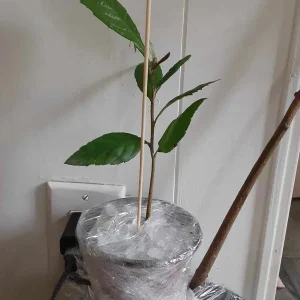
This offering is for one healthy loquat live plant, carefully grown to be 5-8 inches in height, measured from the soil line to the tip of the tallest leaf. Each plant is established in a 4-inch nursery pot, providing a robust root system ready for transplanting. While young, these plants are vigorous growers and will quickly establish themselves in their new environment. Loquats typically grow into medium-sized trees, reaching heights of 10-25 feet in maturity, with a similar spread, depending on pruning and growing conditions. If grown in a container, their size can be managed through regular pruning. The plant ships securely in its nursery pot, with soil intact, ensuring minimal stress during transit. Expect your plant to arrive with healthy foliage and a strong root ball, ready for planting upon arrival. The growth rate is moderate, allowing you to witness its development from a young seedling to a fruit-bearing tree over time. This particular specimen is ideal for those looking to grow loquat tree from a manageable size.
Frequently Asked Questions
- Q: How big does this loquat live plant get? A: This young plant is 5-8 inches tall in a 4-inch pot. In the ground, mature loquat trees can reach 10-25 feet tall and wide, but their size can be managed with pruning, especially if grown in a container.
- Q: Is this an indoor or outdoor plant? A: Loquats are primarily outdoor plants, thriving in full sun. In USDA Zones 8-10, they can be grown outdoors year-round. In colder climates, they can be grown in containers and brought indoors during winter, or treated as a patio plant.
- Q: How much sunlight does it need? A: A loquat fruit tree requires at least 6-8 hours of direct sunlight per day for optimal growth and fruit production. While it tolerates partial shade, fruit yield will be lower.
- Q: Is this plant easy to care for? A: Yes, loquats are relatively easy to care for once established. They are quite hardy and tolerant of various conditions, making them a good choice for both beginner and experienced gardeners. Regular watering and annual fertilization are key aspects of loquat plant care.
- Q: What condition will it arrive in? A: Your eriobotrya japonica will arrive securely packaged in its 4-inch nursery pot, with the soil intact, ensuring the plant is healthy and ready for transplanting. We take great care to minimize stress during shipping.
- Q: When is the best time to plant a loquat? A: The best time to plant a loquat is in spring after the last frost, or in early fall before the ground freezes. This allows the plant to establish its root system before extreme weather.
- Q: Can I grow this loquat live plant in a pot indefinitely? A: Yes, loquats can be successfully grown in large containers. You will need to repot it into progressively larger containers as it grows and prune it regularly to maintain a manageable size and shape. This is a great way to grow loquat tree in climates where it’s not hardy outdoors.
- Q: When can I expect fruit from this plant? A: Loquat trees typically begin to bear fruit within 3-5 years after planting, depending on growing conditions and care. With proper loquat plant care, your tree will reward you with delicious fruit.
- Q: What type of soil does a loquat prefer? A: Loquats prefer well-draining soil, ideally a sandy loam. They can tolerate a range of soil types but good drainage is essential to prevent root rot. Ensure your potting mix is free-draining if grown in a container.
- Q: Will it survive winter in my zone? A: Loquats are hardy in USDA Zones 8-10. If you are in a colder zone, you will need to protect the plant from frost, either by bringing it indoors or providing adequate winter protection outdoors.
Related products
-20%
Original price was: $90.00.$72.00Current price is: $72.00.
-10%
Original price was: $23.99.$21.59Current price is: $21.59.
-20%
Original price was: $36.00.$28.80Current price is: $28.80.
PLANTING & CARE

Growing Glencoe Raspberry: A Complete Guide for Gardeners
If you’re looking to add something unique to your garden, look no further than the
31
Mar
Mar

The Comprehensive Guide to Growing Bay Leaf Plants for a Flavorful Garden
Imagine stepping into your garden, greeted by the earthy aroma of fresh bay leaves, their
09
Feb
Feb

How to Make Comfrey Tea: The Ultimate Organic Plant Food
Growing an organic garden can be surprisingly expensive, especially when most store-bought fertilizers come in
02
Feb
Feb

True Comfrey: 7 Essential Tips Before You Plant This Herb
A staple in permaculture practices across the US, True Comfrey easily earns its reputation as
27
Jan
Jan

7 Heart-Shaped Plants for a Lasting Valentine’s Gift
If you’ve ever bought a bouquet of roses for Valentine’s Day, you know they are
26
Jan
Jan

Best Types of Ivy Plant for Houses: How to Choose the Perfect Ones for Your Home
Are you a garden lover looking to introduce some greenery into your home? Maybe you’ve
14
Nov
Nov

When to Harvest Garlic (Especially Fall-Planted Garlic)
TIMING IS EVERYTHING, they say – and for garlic, that truth hits with surprising accuracy.
13
Nov
Nov

11 of the Best Sweet Potato Varieties to Grow for Your Garden
If you’ve ever tried growing sweet potatoes, you know that picking the right variety can
12
Nov
Nov