Tulip Poplar Tree Cuttings – Liriodendron tulipifera Flowering Yellow – 10 Count
-50%

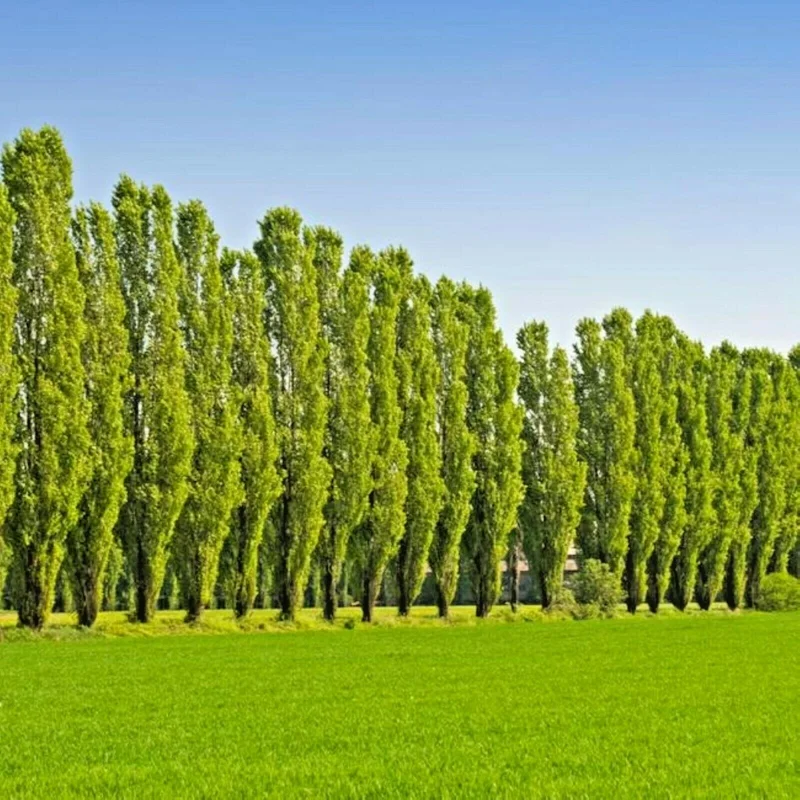
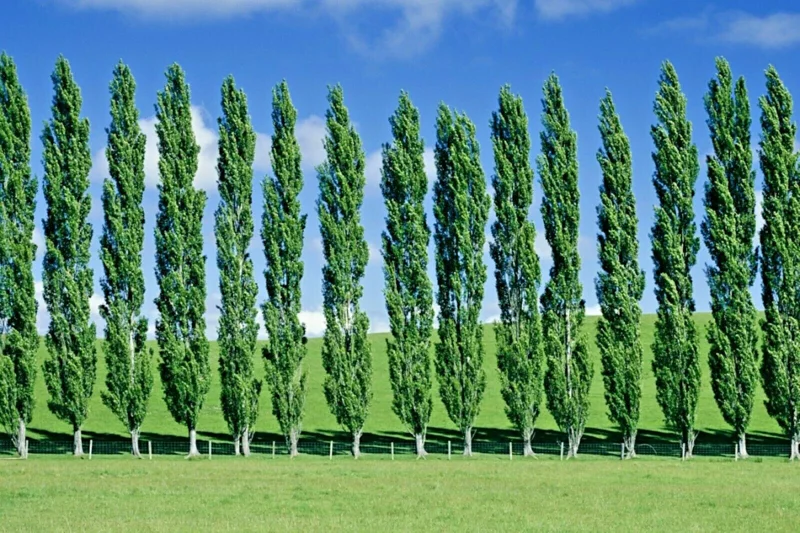


Tulip Poplar Tree Cuttings – Liriodendron tulipifera Flowering Yellow – 10 Count
Start your own beautiful shade trees with these high-quality tulip poplar tree cuttings. Known for their striking yellow, tulip-shaped flowers and rapid growth, these cuttings are perfect for creating an impressive landscape. Easy to root and establish, they bring vibrant color and a majestic presence to any garden.
Original price was: $30.76.$15.38Current price is: $15.38.

With our Alive & Thrive Guarantee, we’ve got your back for the first 30 days! If you have any concerns about your plants, just reach out to us. Our team is here to help answer your questions and guide you in selecting the best plants for your garden, climate, and unique preferences. We're excited to help you create the garden of your dreams!
Estimated arrival
Mar 22
Mar 27 - Mar 29
Apr 01 - Apr 05
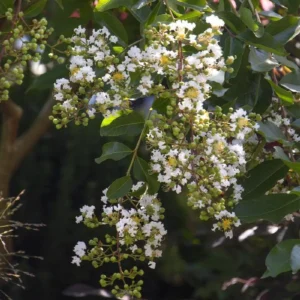


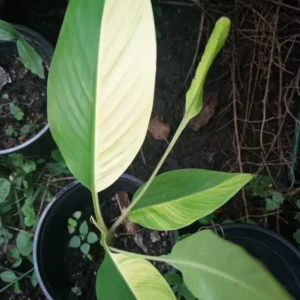
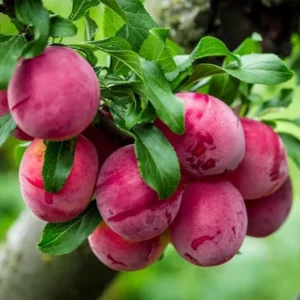

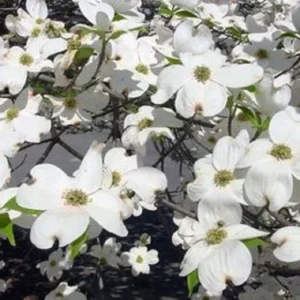
Product Details
-
USDA Hardiness Zone
4-9 -
Soil type
Well-draining, rich, slightly acidic to neutral soil -
Sunlight Exposure
Full sun -
Expected Planting Period
Spring to early summer
Overview
Cultivate a magnificent shade tree in your own backyard with these premium tulip poplar tree cuttings. The Tulip Poplar, scientifically known as Liriodendron tulipifera, is a fast-growing, deciduous tree native to eastern North America, cherished for its distinctive tulip-shaped yellow flowers and attractive foliage. These cuttings provide an excellent opportunity to propagate this majestic species, allowing you to establish a stunning focal point or natural privacy screen in your garden. The tree’s unique flowers, which appear in late spring to early summer, are a vibrant yellow-green with an orange band at the base, attracting pollinators like hummingbirds and bees. Beyond its floral beauty, the Tulip Poplar offers a broad, stately canopy, providing ample shade and a serene atmosphere.
These liriodendron tulipifera cuttings are carefully selected to ensure viability and successful rooting, making them suitable for both experienced gardeners and enthusiastic beginners. Growing a tree from a cutting is a rewarding experience, offering a direct connection to nature and a sense of accomplishment as you watch your tree flourish from a small stem into a grand specimen. Embrace the joy of gardening and enhance your outdoor living space with the natural elegance of the Tulip Poplar.
Key Benefits
Investing in tulip poplar tree cuttings for your landscape offers a multitude of advantages, transforming your outdoor space into a vibrant and inviting sanctuary. These cuttings are not just about growing a tree; they’re about cultivating a legacy of beauty and ecological benefit.
- Stunning Floral Display: Enjoy the unique and beautiful yellow, tulip-shaped flowers that bloom in late spring to early summer, adding a splash of vibrant color to your garden.
- Rapid Growth Rate: The Tulip Poplar is known for its impressive growth speed, quickly establishing a mature canopy to provide ample shade and visual appeal within a few years.
- Attracts Pollinators: The nectar-rich flowers are a favorite of hummingbirds, bees, and other beneficial pollinators, contributing to a healthy and biodiverse ecosystem in your garden.
- Excellent Shade Provider: With its broad, dense canopy, this flowering yellow tree offers significant shade, perfect for cooling your home, creating comfortable outdoor living spaces, and reducing energy costs.
- Low Maintenance: Once established, Tulip Poplar trees are relatively low-maintenance, requiring minimal intervention and adapting well to various soil conditions.
- Fall Color Interest: Beyond its summer blooms, the foliage turns a brilliant golden-yellow in the autumn, providing another season of visual interest.
- Versatile Landscape Use: Ideal for large properties, parks, or as a majestic street tree, it can also serve as a beautiful specimen tree in spacious residential gardens.
Plant Care & Growing Tips
Successfully propagating and growing your tulip poplar tree cuttings involves a few key steps and ongoing care. Start by preparing your cuttings for rooting. Dip the cut end of each cutting in rooting hormone, then plant them in a well-draining potting mix. A mixture of peat moss and perlite or sand works well. Ensure the soil remains consistently moist but not waterlogged. Placing a plastic bag loosely over the pot can help create a humid environment conducive to rooting. Keep the cuttings in a warm location with indirect sunlight.
Once rooted, your young Tulip Poplar trees will thrive in full sun, meaning at least 6 hours of direct sunlight per day. They prefer deep, rich, well-draining soil with a slightly acidic to neutral pH. While adaptable to various soil types, avoid extremely dry or waterlogged conditions. Regular watering is crucial during the first few years to help the tree establish a strong root system, especially during dry spells. Once mature, liriodendron tulipifera is quite drought-tolerant. Fertilize young trees with a balanced, slow-release fertilizer in early spring to encourage vigorous growth. Pruning is generally not required for shape, but remove any dead, damaged, or crossing branches to maintain tree health. The Tulip Poplar is hardy in USDA zones 4-9, making it suitable for a wide range of climates. Watch out for common pests like aphids or scale, and treat them with appropriate horticultural oils or insecticidal soaps. Proper care ensures your poplar tree propagation efforts result in a healthy, thriving tree.
Size & Details
These offerings consist of 10 Tulip Poplar tree cuttings, carefully prepared for optimal rooting and growth. Each cutting is typically sourced from healthy, disease-free parent plants, ensuring you receive viable material for propagation. While the exact length of each cutting may vary, they are generally sized to facilitate successful rooting, usually around 6-12 inches. Upon successful rooting and planting, the Tulip Poplar is renowned for its fast growth rate, often adding 1-2 feet or more in height per year under ideal conditions. A mature flowering yellow tree can reach impressive heights of 70-90 feet with a spread of 30-50 feet, making it an excellent choice for a substantial shade tree.
These cuttings are designed for you to start your own trees, allowing you to control the initial growth environment. They will develop into deciduous trees, losing their leaves in winter and budding anew in spring. Expect the first blooms to appear once the tree has reached a certain level of maturity, typically within 5-10 years after planting, depending on growing conditions and care. This product focuses on providing the foundational material for poplar tree propagation, giving you the satisfaction of nurturing a tree from its earliest stages.
Frequently Asked Questions
- Q: How big does this plant get? A: Once established, a mature Tulip Poplar tree can reach impressive heights of 70-90 feet with a spread of 30-50 feet, providing substantial shade and a majestic presence in your landscape.
- Q: What is included in this purchase? A: This purchase includes 10 Tulip Poplar tree cuttings, ready for you to root and grow into mature trees. Each cutting is typically between 6-12 inches long.
- Q: Is this an indoor or outdoor plant? A: The Tulip Poplar is an outdoor deciduous tree. While cuttings can be rooted indoors, the mature tree is best suited for outdoor planting in appropriate USDA hardiness zones.
- Q: How much sunlight does it need? A: Tulip Poplar trees thrive in full sun, requiring at least 6 hours of direct sunlight per day for optimal growth and flowering.
- Q: Is this plant easy to care for? A: Once rooted and established, Tulip Poplar trees are relatively low-maintenance. Initial care for the cuttings and young trees requires consistent moisture and attention, but mature trees are quite resilient.
- Q: What condition will the cuttings arrive in? A: The tulip poplar tree cuttings are prepared fresh and shipped to ensure they arrive in the best possible condition for successful rooting.
- Q: How long until it blooms? A: Tulip Poplar trees typically begin to produce their distinctive yellow flowers once they reach maturity, usually within 5-10 years after successful planting and establishment.
- Q: What’s the best way to root these cuttings? A: Dip the cut end in rooting hormone and plant in a well-draining potting mix. Keep the soil consistently moist and provide indirect light in a warm environment, possibly under a humidity dome or plastic bag. This supports effective poplar tree propagation.
- Q: Is the Tulip Poplar tree known for fall foliage? A: Yes, the Tulip Poplar is celebrated for its beautiful golden-yellow fall foliage, adding another season of visual interest to your garden with this flowering yellow tree.
- Q: Can these cuttings be grown in a container initially? A: Yes, the cuttings should be rooted and grown in containers until they are well-established young trees, at which point they can be transplanted to their permanent outdoor location.
Related products
-10%

Original price was: $23.99.$21.59Current price is: $21.59.
PLANTING & CARE

The Comprehensive Guide to Growing Bay Leaf Plants for a Flavorful Garden
Imagine stepping into your garden, greeted by the earthy aroma of fresh bay leaves, their
09
Feb
Feb

How to Make Comfrey Tea: The Ultimate Organic Plant Food
Growing an organic garden can be surprisingly expensive, especially when most store-bought fertilizers come in
02
Feb
Feb

True Comfrey: 7 Essential Tips Before You Plant This Herb
A staple in permaculture practices across the US, True Comfrey easily earns its reputation as
27
Jan
Jan

7 Heart-Shaped Plants for a Lasting Valentine’s Gift
If you’ve ever bought a bouquet of roses for Valentine’s Day, you know they are
26
Jan
Jan

Best Types of Ivy Plant for Houses: How to Choose the Perfect Ones for Your Home
Are you a garden lover looking to introduce some greenery into your home? Maybe you’ve
14
Nov
Nov

When to Harvest Garlic (Especially Fall-Planted Garlic)
TIMING IS EVERYTHING, they say – and for garlic, that truth hits with surprising accuracy.
13
Nov
Nov

11 of the Best Sweet Potato Varieties to Grow for Your Garden
If you’ve ever tried growing sweet potatoes, you know that picking the right variety can
12
Nov
Nov

Pruning Bougainvillea for Winter
Bougainvillea vines are known for their dazzling display of magenta, orange, and fuchsia bracts that
05
Nov
Nov