Jaboticaba Myrciaria Vexator Blue Grape Tree Seedling Plant 4-7” Tall
-50%
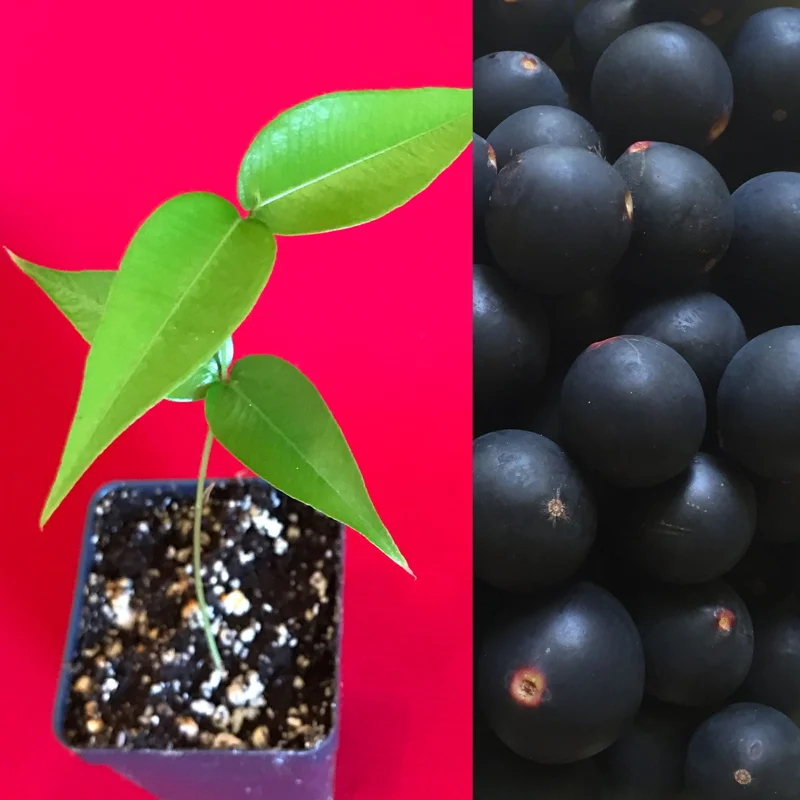
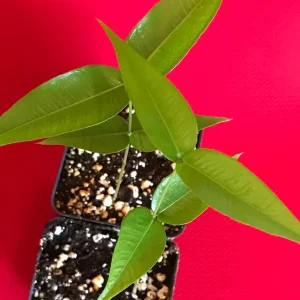
Jaboticaba Myrciaria Vexator Blue Grape Tree Seedling Plant 4-7” Tall
Grow your own exotic fruit with this Jaboticaba blue grape tree seedling. The Myrciaria Vexator plant is a beautiful, ornamental specimen producing delicious, sweet, grape-like fruits. Perfect for those seeking an unusual and rewarding addition to their garden.
Original price was: $45.86.$22.93Current price is: $22.93.

With our Alive & Thrive Guarantee, we’ve got your back for the first 30 days! If you have any concerns about your plants, just reach out to us. Our team is here to help answer your questions and guide you in selecting the best plants for your garden, climate, and unique preferences. We're excited to help you create the garden of your dreams!
Estimated arrival
Mar 31
Apr 05 - Apr 07
Apr 10 - Apr 14
Product Details
-
USDA Hardiness Zone
USDA Zone 9b to 13 -
Soil type
Well-draining, slightly acidic soil -
Sunlight Exposure
Full Sun -
Expected Planting Period
Spring to early summer
Overview
Embark on a unique gardening journey with the Jaboticaba blue grape tree seedling, also known by its botanical name, Myrciaria Vexator plant. This captivating tree is celebrated for its distinctive growth habit, producing delicious, grape-like fruits directly on its trunk and branches. Originating from South America, the Jaboticaba is not just a fruit producer but also an exquisite ornamental specimen, boasting beautiful bark and evergreen foliage. This 4-7 inch tall starter plant offers an exciting opportunity to cultivate a rare and rewarding exotic fruit tree in your own backyard or as a potted specimen. The blue grape seedling promises both aesthetic appeal and a bounty of sweet, flavorful fruit, making it a conversation starter and a delightful addition to any plant collection. Its unique appearance and delicious harvest make it a truly special plant for enthusiasts and fruit lovers alike.
The Jaboticaba blue grape tree is a slow-growing, long-lived plant that can reach impressive sizes over time, rewarding patient growers with abundant harvests. Its adaptability to various growing conditions, within its hardiness zones, makes it a viable option for many gardeners looking to diversify their edible landscape. The fruits are not only tasty but also packed with nutrients, making them a healthy snack straight from the tree. With proper care, this Myrciaria Vexator plant will mature into a handsome, productive tree that will be a source of pride and enjoyment for years to come.
Key Benefits
The Jaboticaba blue grape tree offers a multitude of benefits, from its stunning appearance to its delectable fruit, making it a highly desirable plant for any garden. Cultivating this exotic fruit tree brings both visual interest and culinary delight to your home.
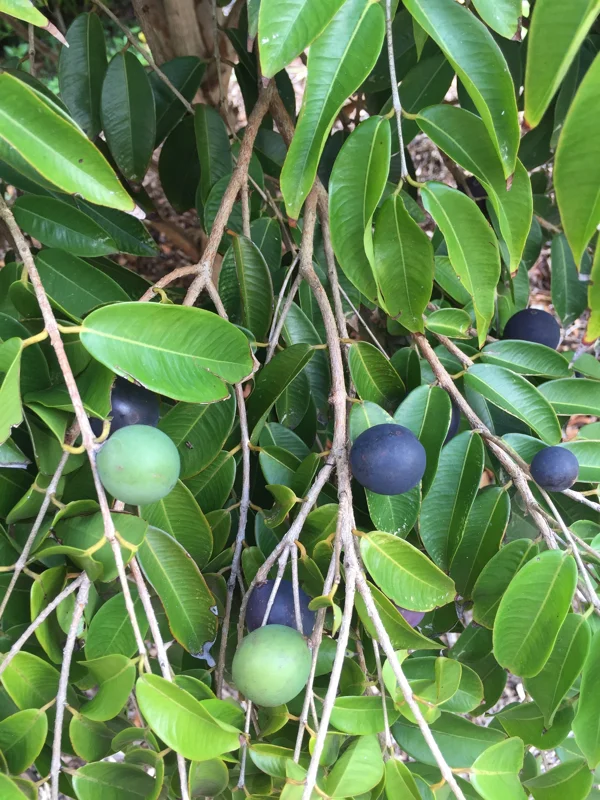
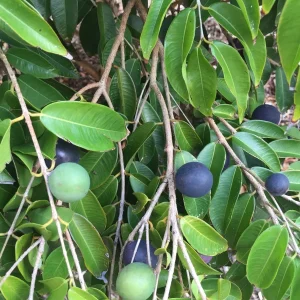
- Unique Fruit Production: The most striking feature of the Myrciaria Vexator plant is its cauliflorous fruiting habit, where grape-like berries grow directly on the trunk and main branches. This creates a visually stunning display and makes harvesting easy.
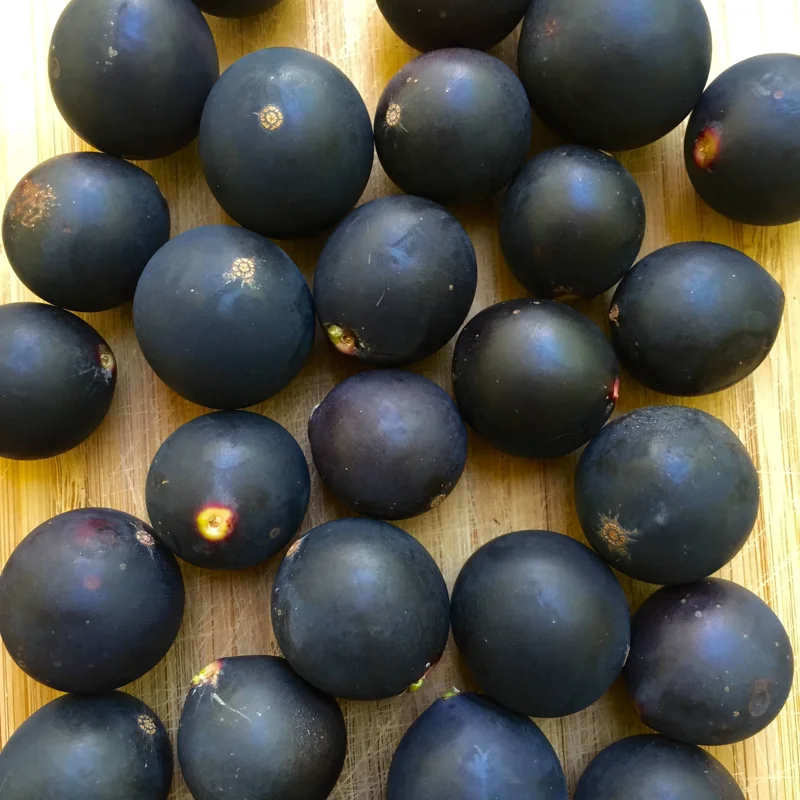
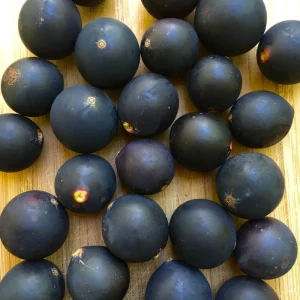
- Delicious & Nutritious Fruit: The fruits, often called blue grapes, have a sweet, grape-berry flavored pulp. They can be enjoyed fresh, used in juices, jams, or jellies, and are rich in antioxidants and vitamins.
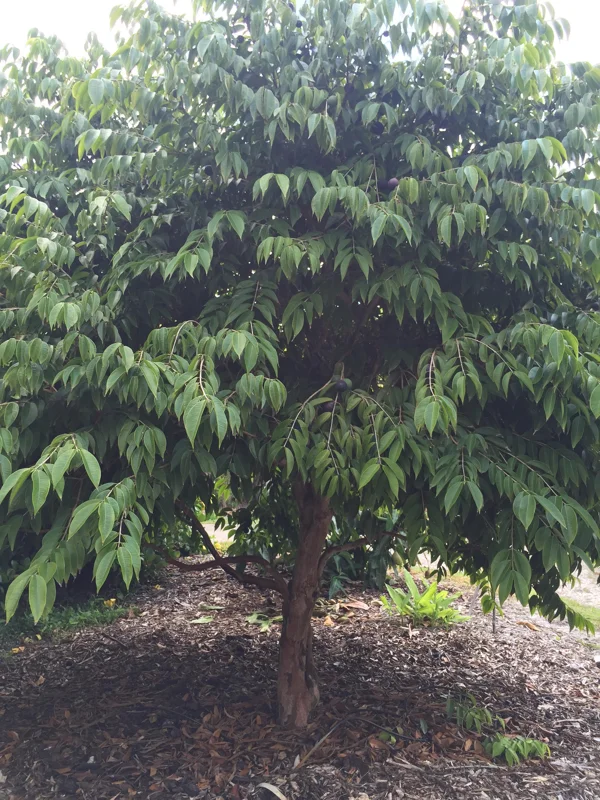
- Ornamental Value: Beyond its fruit, the Jaboticaba is a beautiful landscape specimen. Its smooth, mottled bark, dense evergreen foliage, and unique fruiting pattern make it a year-round attraction, even when not in fruit.
- Long-Lived & Productive: With proper care, a Jaboticaba blue grape tree can live for many decades, becoming a perennial source of fruit and beauty in your garden. It produces fruit repeatedly throughout the warmer months, with a main crop in spring.
- Adaptable Growth: While preferring full sun, this tree is relatively well-behaved and can be grown in the ground in suitable climates or in large containers in cooler regions, allowing more gardeners to enjoy this exotic fruit tree.
- Relatively Low Maintenance: Once established, the Jaboticaba blue grape tree requires moderate care, making it a rewarding choice for both experienced and novice gardeners interested in growing fruit.
- Pest and Disease Resistance: Generally, Jaboticaba trees are robust and less prone to many common pests and diseases compared to some other fruit trees, simplifying its long-term care and maintenance.
Plant Care & Growing Tips
Caring for your Jaboticaba blue grape tree seedling requires attention to its specific needs to ensure healthy growth and abundant fruiting. While generally resilient, understanding its preferences will help your Myrciaria Vexator plant thrive. The first crucial step for any new blue grape seedling is proper acclimatization. Upon arrival, place your plant in a spot with moderate temperatures (70-80°F) and good light, but absolutely no direct sun for the first two weeks. Gradually introduce it to increasing sunlight exposure before transplanting to its permanent location, whether in the ground or a larger pot.
For optimal growth, the Jaboticaba blue grape tree prefers full sun exposure, meaning at least 6-8 hours of direct sunlight daily. It thrives in well-draining, slightly acidic soil. When watering, it’s essential to keep the soil consistently moist but never waterlogged. Allow the top inch or two of soil to dry out slightly between waterings, especially for young plants. Overwatering can lead to root rot, while underwatering can stress the plant. Fertilize during the growing season (spring and summer) with a balanced, slow-release fertilizer formulated for fruit trees. Young plants benefit from protection from extreme cold or heat, particularly when temperatures fall below 60°F or exceed 95°F.
The Jaboticaba plant care routine also includes protecting young plants from strong winds and dry conditions. While established trees are hardier, seedlings are more vulnerable. Ensure good air circulation to prevent fungal issues. Pruning is generally minimal, focused on shaping the tree and removing any dead or diseased branches. Pay attention to any signs of pests or diseases and address them promptly with organic solutions if possible. Remember that patience is key with this exotic fruit tree, as it can take 3-6 years to begin fruiting from a seedling, but the reward of fresh, homegrown blue grapes is well worth the wait.
Size & Details
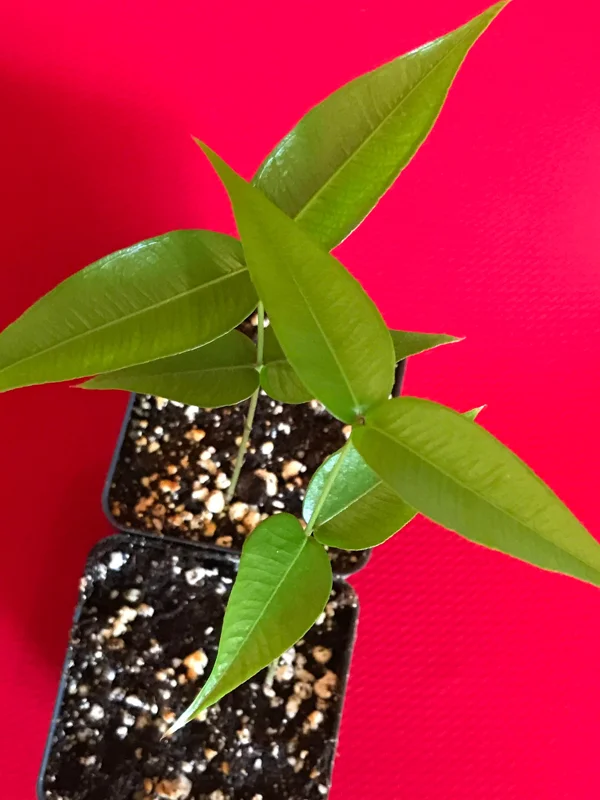
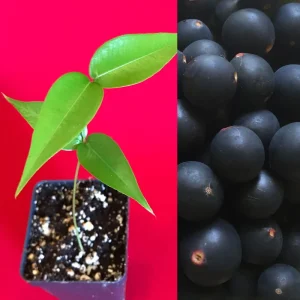
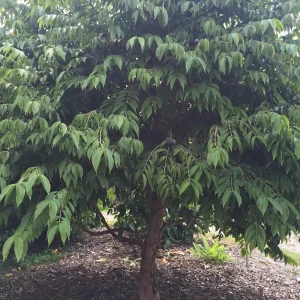
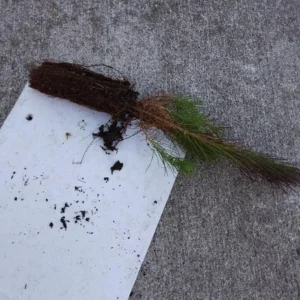
You are purchasing one Jaboticaba blue grape tree seedling, typically measuring 4-7 inches tall, not including the pot height. This starter plant comes established in a 2.5-inch square pot, ready for you to nurture and grow. The mature Myrciaria Vexator plant can reach a height of 6-15 feet (1.8-5 meters) when grown in ideal conditions, making it a substantial addition to your landscape. Its hardiness is rated for USDA Zones 9b to 13, indicating its preference for warmer climates. The tree is evergreen, providing lush foliage year-round, and produces white or near-white blooms repeatedly, often leading to multiple fruit crops.
The time to fruit from this blue grape seedling is typically 3-6 years, as trees grown from seeds may not be identical to the parent tree and require time to mature. The fruit, with its well-flavored, sweet, grape-berry pulp, is harvested when fully colored and slightly soft to the touch. The main crop usually matures in the spring, though fruit may be present throughout the warmer months. This exotic fruit tree is known for being a bushy plant that produces fruits in abundance once established. The size and robust nature of this Jaboticaba blue grape tree make it suitable for both in-ground planting in appropriate zones or as a container plant in cooler regions, provided it’s protected from cold temperatures.
Frequently Asked Questions
- Q: How big will my Jaboticaba blue grape tree get? A: A mature Jaboticaba blue grape tree can grow to be 6-15 feet tall (1.8-5 meters) with a bushy spread, depending on growing conditions and whether it’s planted in the ground or a large container.
- Q: What size pot does this Jaboticaba seedling come in? A: This blue grape seedling is shipped in a 2.5-inch square pot, and the plant itself measures 4-7 inches tall, not including the pot.
- Q: Is this an indoor or outdoor plant? A: The Myrciaria Vexator plant is an outdoor plant that thrives in USDA Zones 9b-13. In cooler climates, it can be grown as a container plant and brought indoors during cold weather.
- Q: How much sunlight does it need? A: This exotic fruit tree prefers full sun exposure, meaning it needs at least 6-8 hours of direct sunlight per day to produce the best fruit.
- Q: Is this plant easy to care for? A: While not difficult, Jaboticaba plant care requires consistent moisture, good drainage, and protection from extreme temperatures, especially when young. It’s a rewarding plant for those willing to provide its specific needs.
- Q: What condition will it arrive in? A: Your Jaboticaba blue grape tree seedling will arrive as a live, healthy starter plant in its original pot, ready for acclimatization and eventual transplanting.
- Q: How long until it blooms and fruits? A: From a seedling, it typically takes 3-6 years for the Jaboticaba blue grape tree to start blooming and producing fruit. Patience is key for this slow-growing fruit tree.
- Q: When is the best time to plant this tree? A: The best time to plant is typically in spring or early summer after the last frost, allowing the plant ample time to establish itself before colder weather.
- Q: Will it survive winter in my zone? A: The Myrciaria Vexator plant is hardy in USDA Zones 9b-13. If you are in a colder zone, it must be grown in a container and brought indoors or protected from freezing temperatures during winter.
- Q: What kind of soil does it prefer? A: This exotic fruit tree thrives in well-draining, slightly acidic soil. A good quality potting mix amended with organic matter is recommended for container growing.
Related products
-10%
Original price was: $23.99.$21.59Current price is: $21.59.
-50%
Original price was: $73.98.$36.99Current price is: $36.99.
PLANTING & CARE

Growing Glencoe Raspberry: A Complete Guide for Gardeners
If you’re looking to add something unique to your garden, look no further than the
31
Mar
Mar

The Comprehensive Guide to Growing Bay Leaf Plants for a Flavorful Garden
Imagine stepping into your garden, greeted by the earthy aroma of fresh bay leaves, their
09
Feb
Feb

How to Make Comfrey Tea: The Ultimate Organic Plant Food
Growing an organic garden can be surprisingly expensive, especially when most store-bought fertilizers come in
02
Feb
Feb

True Comfrey: 7 Essential Tips Before You Plant This Herb
A staple in permaculture practices across the US, True Comfrey easily earns its reputation as
27
Jan
Jan

7 Heart-Shaped Plants for a Lasting Valentine’s Gift
If you’ve ever bought a bouquet of roses for Valentine’s Day, you know they are
26
Jan
Jan

Best Types of Ivy Plant for Houses: How to Choose the Perfect Ones for Your Home
Are you a garden lover looking to introduce some greenery into your home? Maybe you’ve
14
Nov
Nov

When to Harvest Garlic (Especially Fall-Planted Garlic)
TIMING IS EVERYTHING, they say – and for garlic, that truth hits with surprising accuracy.
13
Nov
Nov

11 of the Best Sweet Potato Varieties to Grow for Your Garden
If you’ve ever tried growing sweet potatoes, you know that picking the right variety can
12
Nov
Nov