Escarlate Hybrid Jaboticaba Brazilian Grape Live Plant – 2-5” Tall Seedling
-50%
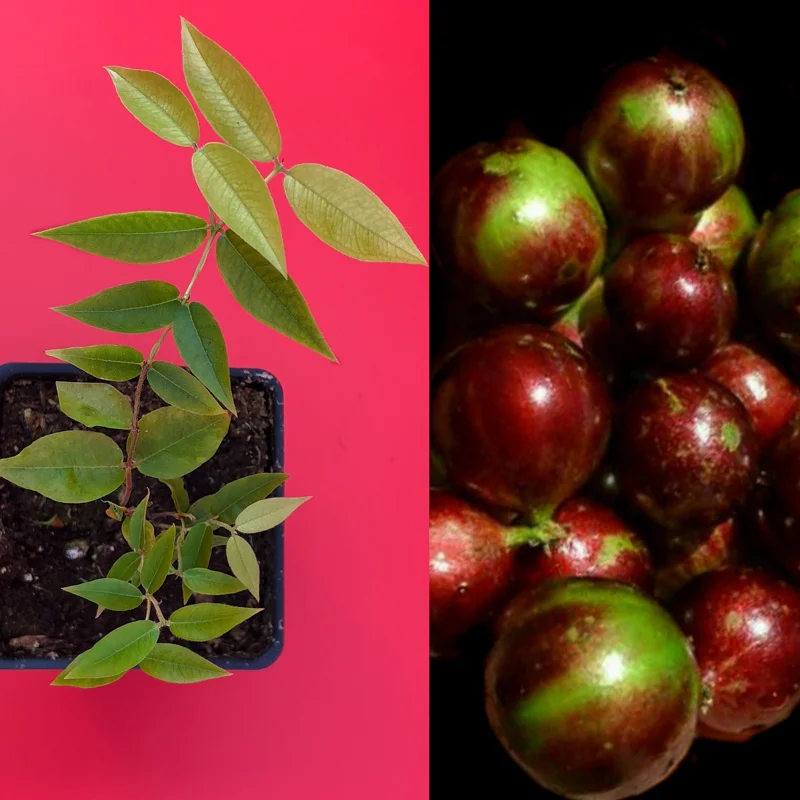
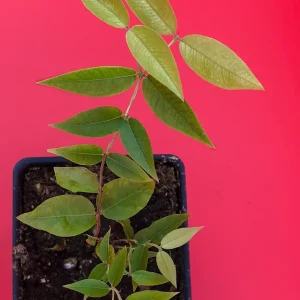
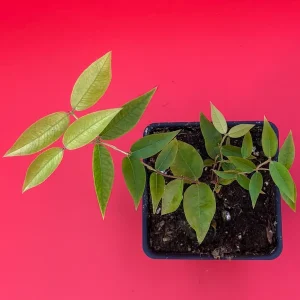
Escarlate Hybrid Jaboticaba Brazilian Grape Live Plant – 2-5” Tall Seedling
Cultivate your own exotic fruit with an Escarlate Hybrid Jaboticaba live plant. This unique Brazilian Grape variety offers delicious, sweet fruit and a dwarfing habit, perfect for container growing. Experience faster fruiting than traditional jaboticaba plants.
Original price was: $45.86.$22.93Current price is: $22.93.

With our Alive & Thrive Guarantee, we’ve got your back for the first 30 days! If you have any concerns about your plants, just reach out to us. Our team is here to help answer your questions and guide you in selecting the best plants for your garden, climate, and unique preferences. We're excited to help you create the garden of your dreams!
Estimated arrival
Mar 31
Apr 05 - Apr 07
Apr 10 - Apr 14
Product Details
-
USDA Hardiness Zone
USDA zones 9-11 -
Soil type
Slightly acidic to neutral, well-draining soil -
Sunlight Exposure
Full sun to partial shade (full shade for young seedlings) -
Expected Planting Period
Year-round in warm climates or indoors
Overview
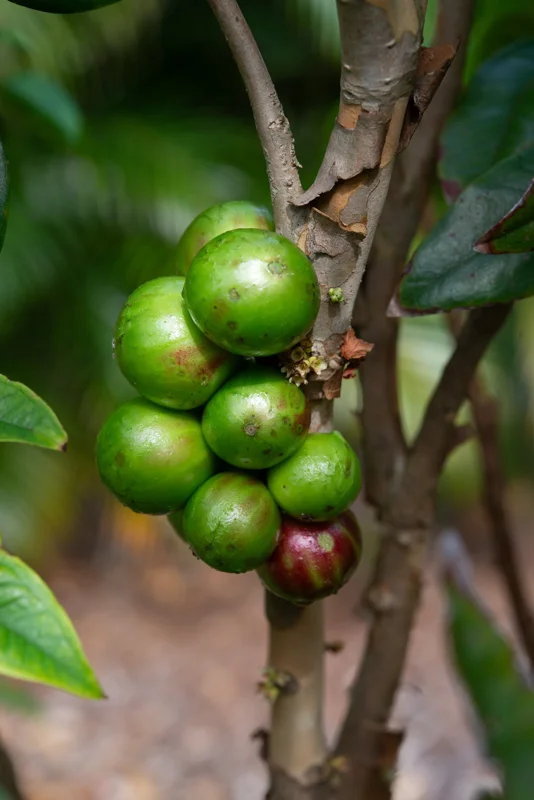
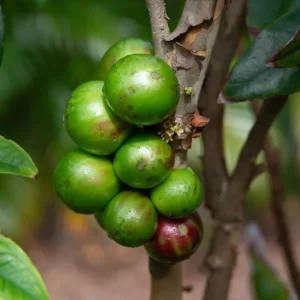
Introduce an exotic flair to your garden or patio with the Escarlate Hybrid Jaboticaba live plant. Also known as the Brazilian Grape, this unique fruit tree (Plinia cauliflora x aureana) is a red hybrid backcrossed with the white jaboticaba (Plinia aureana), resulting in a remarkably fast-fruiting specimen. Unlike traditional jaboticaba varieties that can take 6-8 years to bear fruit, the Escarlate Hybrid often produces its first harvest in just 3-4 years. This makes it an ideal choice for enthusiasts eager to enjoy their own homegrown, sweet, and plump red/green fruits sooner. The Brazilian Grape tree is not only productive but also boasts a desirable dwarfing habit, making it well-suited for cultivation in pots or smaller garden spaces for many years.
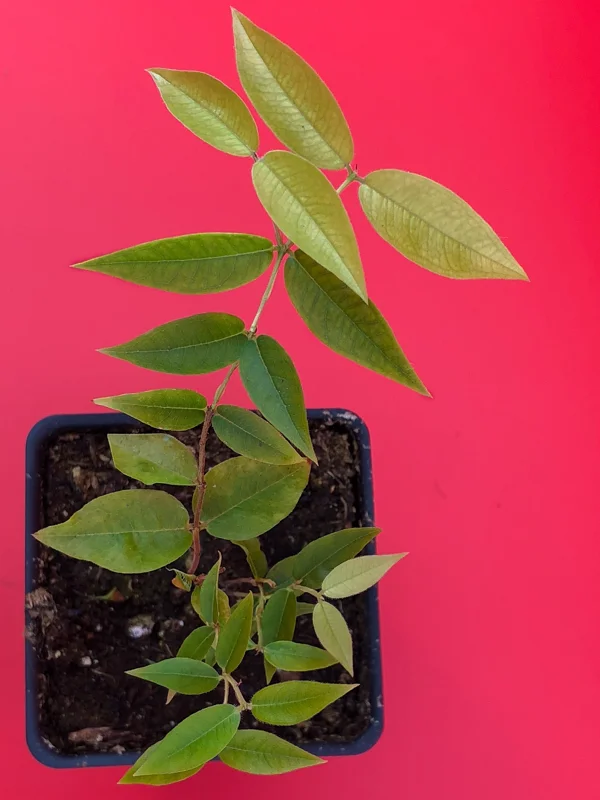
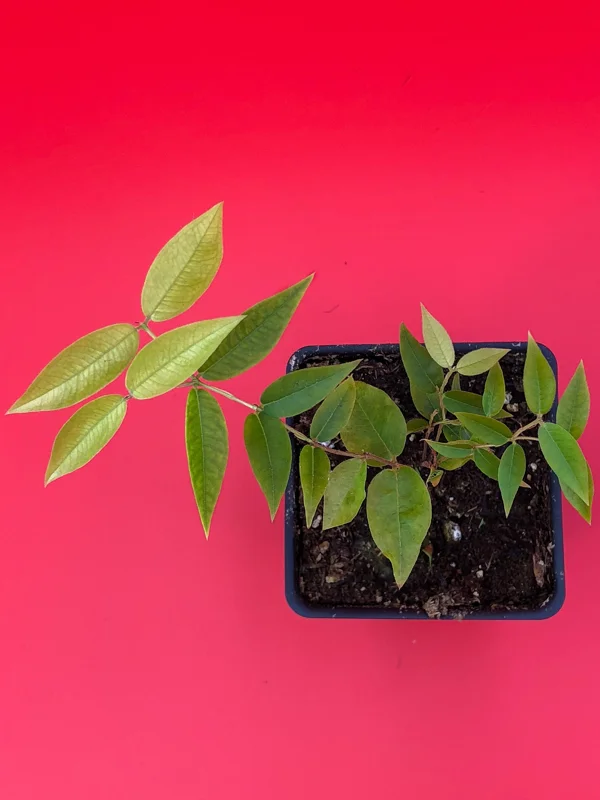
The Escarlate Hybrid Jaboticaba live plant is a seedling starter plant, typically measuring 2-5 inches tall upon arrival. Grown organically, it represents a step towards sustainable gardening and enjoying fresh, delicious fruit directly from your own efforts. While grown from seeds, offering genetic variation, these plants are known for their vigorous growth and the potential to yield abundant, great-tasting fruit. This plant offers a rewarding experience for both novice and experienced gardeners looking to expand their edible landscape.
Key Benefits
The Escarlate Hybrid Jaboticaba live plant offers a multitude of advantages for the home gardener, blending ornamental appeal with practical fruit production. Its unique characteristics make it a standout choice for those seeking something beyond the ordinary.
- Fast Fruiting Potential: Enjoy delicious Brazilian grapes much sooner. This hybrid is known to fruit in 3-4 years, significantly faster than the 6-8 years typically required for standard jaboticaba varieties.
- Delicious, Sweet Fruit: The fruits are large, plump, and boast a wonderfully sweet flavor profile, making them perfect for fresh eating, jams, or juices.
- Ideal for Container Growing: With its natural dwarfing habit, the Brazilian Grape tree thrives in pots, making it suitable for patios, balconies, or smaller gardens where space is limited. It can be grown in a pot for many years.
- Unique Hybrid Vigor: As a cross between Plinia cauliflora and Plinia aureana, this plant combines desirable traits from both parents, leading to robust growth and earlier fruit production.
- Organic Cultivation: Our plants are grown organically, ensuring you receive a healthy, chemical-free start to your fruit tree journey.
- Exotic Garden Addition: Add a touch of the tropics to your outdoor or indoor space with this visually appealing fruit-bearing tree, providing both beauty and bounty.
- Rewarding Growing Experience: Cultivating your own exotic fruit tree from a seedling offers immense satisfaction and a unique connection to your food source.
Plant Care & Growing Tips
Caring for your Escarlate Hybrid Jaboticaba live plant requires attention to its specific needs, especially concerning soil pH and nutrient availability. This variety, while rewarding, can be sensitive to certain conditions. Upon arrival, allow your plant a week or two to adjust to its new environment before transplanting or fertilizing. Initial placement in a spot with moderate temperatures (70-80°F) and good light, but absolutely no direct sun, is crucial for two weeks to help it recover from shipping stress. Gradually increase sun exposure if you plan to move it outdoors.
Sunlight: Young Plinia aureana plant seedlings require full shade initially. Once established, they prefer full sun to partial shade for optimal growth and fruit production. In hotter climates, some afternoon shade can prevent leaf burn. Watering: Keep the soil consistently moist but not waterlogged. Jaboticabas do not tolerate drought well, especially when young. Ensure good drainage to prevent root rot. Soil Type: Escarlate jaboticaba can be prone to chlorotic leaves and burnt leaf tips, indicating a need for specific soil conditions. They typically require amendments to lower the pH, as they prefer slightly acidic to neutral soil. Drenches with chelated iron can also be beneficial to address nutrient deficiencies. A well-draining, fertile soil mix rich in organic matter is recommended.
Temperature: This tropical plant thrives in warm conditions. Temperatures falling below 60°F can result in plant damage. Protect from cold, wind, and dry-out. USDA hardiness zones 9-11 are generally suitable for outdoor growth, but container growing allows you to move the plant indoors during colder months. Fertilization: Fertilize regularly during the growing season with a balanced, slow-release fertilizer formulated for acid-loving plants. Avoid over-fertilizing, which can burn roots. Pest & Disease: Monitor for common pests and diseases. Good air circulation and proper watering practices can help prevent fungal issues. Addressing soil pH and nutrient deficiencies is key to preventing common problems like chlorosis, ensuring a healthy dwarf fruit tree.
Size & Details
You are purchasing one Escarlate Hybrid Jaboticaba live plant. This is a seedling starter plant, measuring approximately 2-5 inches tall (pot height is not included). It comes in a 2.5-inch square pot, providing a healthy root system for successful transplanting. The Escarlate is a red hybrid jaboticaba (Plinia cauliflora x aureana) backcrossed to the white jaboticaba (Plinia aureana), chosen for its desirable traits and faster fruiting. While grown from seed, which means individual plants may show slight variations from the parent tree, they are selected for their vigor and potential for excellent fruit quality.
This Brazilian Grape tree exhibits a dwarfing habit, making it an excellent choice for long-term container cultivation. With proper care, you can expect this fast fruiting jaboticaba to begin producing its large, plump, red/green fruits in 3-4 years, a significant advantage over the longer waiting period for other varieties. The plant is grown organically, ensuring a healthy and natural start for your tropical fruit endeavor. Its adaptable size allows it to be a beautiful and productive addition to patios, sunrooms, or even as an indoor plant in suitable conditions.
Frequently Asked Questions
- Q: How big does this plant get? A: This is a seedling starter plant, 2-5 inches tall. The Escarlate Hybrid Jaboticaba live plant has a dwarfing habit, making it suitable for growing in pots for many years. Its mature size can vary depending on growing conditions and pruning.
- Q: What size pot does it come in? A: The Escarlate Hybrid Jaboticaba live plant is shipped in a 2.5-inch square nursery pot, providing a robust start for its journey to your home.
- Q: Is this an indoor or outdoor plant? A: This plant is primarily an outdoor plant in USDA zones 9-11. However, due to its dwarfing habit, it can be successfully grown in containers and brought indoors during colder months, making it a versatile dwarf fruit tree.
- Q: How much sunlight does it need? A: Young seedlings need full shade initially. Mature plants prefer full sun to partial shade. In very hot climates, afternoon shade is beneficial to protect the leaves.
- Q: Is this plant easy to care for? A: While generally robust, the Plinia aureana plant requires consistent moisture and attention to soil pH. It can be prone to chlorosis if the pH is too high or if it lacks chelated iron, so some specific care is needed.
- Q: How long until it fruits? A: The fast fruiting jaboticaba is known to produce fruit in 3-4 years, significantly earlier than other jaboticaba varieties which can take 6-8 years.
- Q: What condition will it arrive in? A: Your Escarlate Hybrid Jaboticaba live plant will arrive as a healthy seedling in its original 2.5-inch pot, ready for acclimation and eventual transplanting.
- Q: Can I grow this plant in a small space? A: Yes, absolutely! Its natural dwarfing habit makes the Brazilian Grape tree an excellent choice for container gardening on patios, balconies, or in smaller garden plots.
- Q: What kind of soil does it prefer? A: This plant prefers well-draining, fertile, slightly acidic to neutral soil. Amendments to lower pH or chelated iron drenches may be necessary to prevent chlorosis.
- Q: Will it survive winter in my zone? A: This tropical plant is sensitive to cold. It thrives in temperatures above 60°F. If you live outside USDA zones 9-11, you will need to protect it from freezing temperatures by bringing it indoors.
Related products
-10%
Original price was: $80.99.$72.89Current price is: $72.89.
-20%
Original price was: $90.00.$72.00Current price is: $72.00.
-10%
Original price was: $36.99.$33.29Current price is: $33.29.
PLANTING & CARE

Growing Glencoe Raspberry: A Complete Guide for Gardeners
If you’re looking to add something unique to your garden, look no further than the
31
Mar
Mar

The Comprehensive Guide to Growing Bay Leaf Plants for a Flavorful Garden
Imagine stepping into your garden, greeted by the earthy aroma of fresh bay leaves, their
09
Feb
Feb

How to Make Comfrey Tea: The Ultimate Organic Plant Food
Growing an organic garden can be surprisingly expensive, especially when most store-bought fertilizers come in
02
Feb
Feb

True Comfrey: 7 Essential Tips Before You Plant This Herb
A staple in permaculture practices across the US, True Comfrey easily earns its reputation as
27
Jan
Jan

7 Heart-Shaped Plants for a Lasting Valentine’s Gift
If you’ve ever bought a bouquet of roses for Valentine’s Day, you know they are
26
Jan
Jan

Best Types of Ivy Plant for Houses: How to Choose the Perfect Ones for Your Home
Are you a garden lover looking to introduce some greenery into your home? Maybe you’ve
14
Nov
Nov

When to Harvest Garlic (Especially Fall-Planted Garlic)
TIMING IS EVERYTHING, they say – and for garlic, that truth hits with surprising accuracy.
13
Nov
Nov

11 of the Best Sweet Potato Varieties to Grow for Your Garden
If you’ve ever tried growing sweet potatoes, you know that picking the right variety can
12
Nov
Nov