Winter Hardy Hydrangea Bush Live Shrub Plant, Pink to Purple Blooms, 6-12″ Tall, Outdoor
-50%
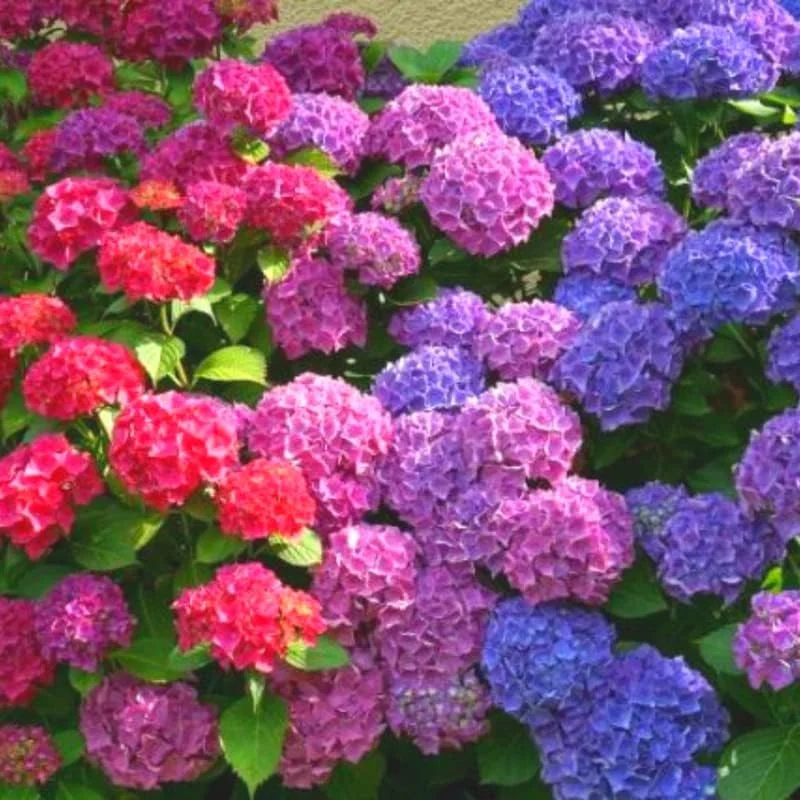
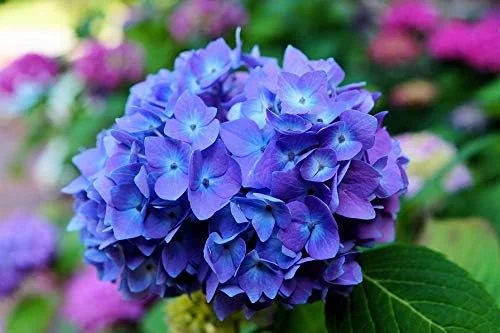
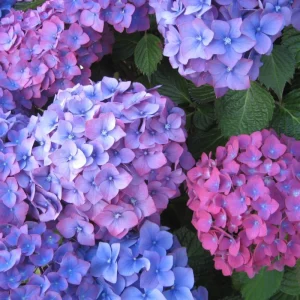
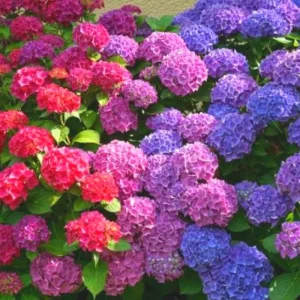
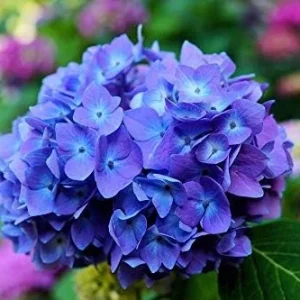
Winter Hardy Hydrangea Bush Live Shrub Plant, Pink to Purple Blooms, 6-12″ Tall, Outdoor
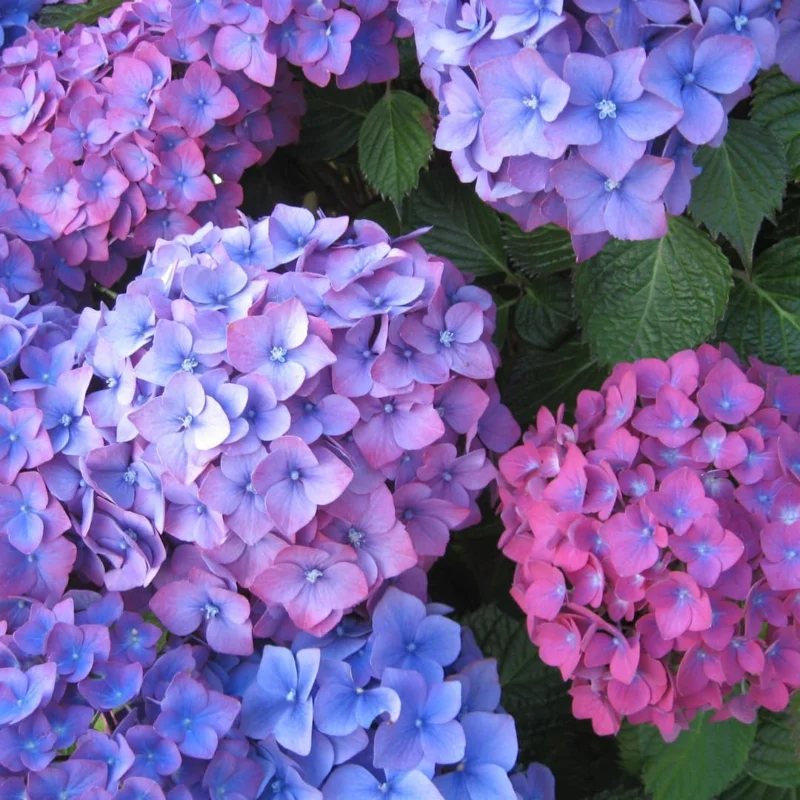
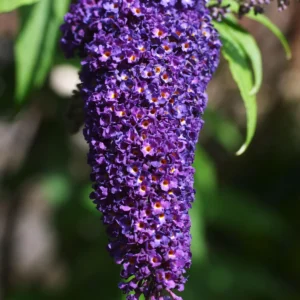
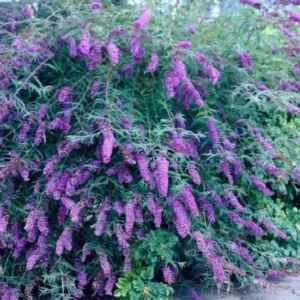
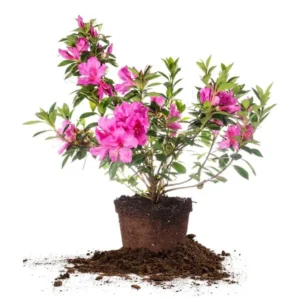
Add vibrant color to your garden with this winter hardy hydrangea bush. This 6-12″ live shrub plant produces stunning pink hydrangea plant to purple blooms, perfect for established outdoor landscapes. Arrives dormant with established roots, ready for planting.
Original price was: $39.98.$19.99Current price is: $19.99.

With our Alive & Thrive Guarantee, we’ve got your back for the first 30 days! If you have any concerns about your plants, just reach out to us. Our team is here to help answer your questions and guide you in selecting the best plants for your garden, climate, and unique preferences. We're excited to help you create the garden of your dreams!
Estimated arrival
Apr 12
Apr 17 - Apr 19
Apr 22 - Apr 26
Product Details
-
USDA Hardiness Zone
3-8 -
Soil type
Sandy Soil, well-draining -
Sunlight Exposure
Full Sun, Partial Sun -
Expected Planting Period
Winter (dormant period, for established roots)
Overview
Transform your outdoor space with the stunning beauty of a winter hardy hydrangea bush. This live shrub plant is renowned for its captivating ability to shift bloom colors from beautiful pink shades to serene blue or rich purple, depending on soil acidity. Arriving as a 6-12 inch tall specimen with well-established roots, this hydrangea is prepared to thrive in a variety of garden settings. Even when dormant, it holds the promise of spectacular summer reblooming. Hydrangeas are a classic choice for gardeners looking for reliable, long-lasting floral displays and a touch of elegance in their landscape design.
This particular winter hardy hydrangea bush is an excellent choice for those in cooler climates, offering resilience against colder temperatures. Its robust nature ensures that with proper care, you will enjoy its dynamic color palette year after year. The established root system provides a strong foundation for healthy growth, making it an ideal addition to borders, foundation plantings, or as a vibrant specimen plant in your garden.
Embrace the charm of this versatile plant that offers both hardiness and exceptional beauty. Whether you’re an experienced gardener or just starting, this hydrangea provides a rewarding growing experience with its impressive blooms and easy-care nature. It is shipped as a cut-back live plant, ensuring its energy is focused on root development for robust growth upon planting.
Key Benefits
Investing in a winter hardy hydrangea bush brings numerous advantages to your garden and home. These plants are not only visually appealing but also offer practical benefits for various outdoor environments. Enjoy these key features:
- Spectacular Color Transformation: Witness the magic as your hydrangea blooms transition from soft pink shades to striking blue or deep purple, adding dynamic visual interest to your landscape. This unique characteristic makes each flowering season a new experience.
- Exceptional Winter Hardiness: Designed to withstand colder climates, this hydrangea ensures reliable performance and return year after year, even after harsh winters. It is a resilient choice for zones where other flowering shrubs might struggle.
- Established Root System: Each plant comes with well-developed roots, promoting quicker establishment and more vigorous growth once planted in your garden. This strong start helps the plant thrive and bloom sooner.
- Versatile Landscape Use: Perfect for a variety of garden applications, including hedges, mixed borders, foundation planting, or as a standalone focal point. Its adaptable nature allows for creative garden design.
- Long-Lasting Summer Blooms: Enjoy a prolonged display of beautiful flowers throughout the summer months, providing continuous color and beauty to your outdoor living spaces. The reblooming characteristic means more flowers for you to admire.
- Low Maintenance Appeal: Once established, this pink hydrangea plant requires minimal care, making it an excellent choice for busy gardeners who desire high impact with less effort. Its robust nature handles common garden challenges with ease.
- Attracts Pollinators: The vibrant blooms of this purple hydrangea shrub can attract beneficial pollinators like bees and butterflies to your garden, contributing to a healthy and thriving ecosystem.
Plant Care & Growing Tips
Caring for your winter hardy hydrangea bush is relatively straightforward, ensuring a magnificent display of blooms with proper attention. Hydrangeas thrive in conditions that mimic their natural habitat. For optimal growth and vibrant coloration, it’s crucial to understand their specific needs regarding sunlight, soil, and moisture. This pink hydrangea plant is known for its resilience and adaptability, making it a rewarding addition to many gardens.
Sunlight Requirements: This hydrangea performs best in a location that receives full sun to partial sun. Full sun means at least 6 hours of direct sunlight per day, while partial sun implies 3-6 hours. In hotter climates, some afternoon shade is beneficial to protect the plant from intense sun, which can scorch leaves and fade blooms. Morning sun with afternoon shade is often ideal, especially for achieving those rich pink to purple hydrangea shrub tones.
Watering Schedule and Soil Moisture: Hydrangeas prefer consistently moist soil, but not waterlogged. Moderate watering is key, especially during dry spells and the plant’s active growing and blooming periods. Check the soil moisture regularly; if the top inch or two feels dry, it’s time to water. Ensure good drainage to prevent root rot. Established plants are more tolerant of brief dry periods, but consistent moisture will yield the best flowers.
Soil Type and Drainage Requirements: A sandy soil is indicated, suggesting good drainage is paramount. Hydrangeas flourish in rich, well-draining soil with a slightly acidic to neutral pH (5.5-6.5 for blue, 6.5+ for pink). Amending heavy clay soils with organic matter like compost can improve drainage and fertility. The soil pH also influences the bloom color; acidic soil promotes blue hues, while alkaline soil encourages pinks. You can adjust soil pH using specific amendments if you wish to influence the color.
Temperature Range and USDA Hardiness Zone: This winter hardy hydrangea bush is suitable for USDA Hardiness Zones 3-8, indicating excellent cold tolerance. It can withstand winter temperatures in these regions, often going dormant and returning vigorously in spring. Protect young plants with mulch during their first winter if you are at the colder end of its hardiness range. Ensure the plant is well-hydrated before the first hard frost.
Fertilization Schedule and Type: Fertilize your hydrangea in early spring as new growth emerges, and again in mid-summer after the first flush of blooms. Use a balanced slow-release granular fertilizer formulated for flowering shrubs, or one with a slightly higher phosphorus content to encourage blooming. Avoid over-fertilizing, especially with high nitrogen, which can promote leafy growth at the expense of flowers. Follow package instructions for application rates. This is a crucial element for successful hydrangea growing tips.
Common Problems and Solutions: Hydrangeas are generally robust, but can occasionally face issues like powdery mildew (ensure good air circulation), leaf spot (remove affected leaves), or aphids (use insecticidal soap). Yellowing leaves can indicate nutrient deficiency or improper watering. Address these issues promptly to maintain plant health. Pruning is best done after flowering, removing spent blooms and any dead or weak stems to encourage new growth and a shapely form. For those seeking outdoor hydrangea care, these tips are invaluable.
Size & Details
This offering is for one winter hardy hydrangea bush, shipped as a live shrub plant with established roots. The plant typically measures 6-12 inches tall when received, ensuring a compact and manageable size for planting. While dormant upon arrival, it possesses the foundational strength to burst forth with vibrant foliage and blooms in the warmer months. As a cut-back live plant, its immediate appearance focuses on root health, preparing it for robust growth in your garden. The mature height of this particular hydrangea can vary but generally reaches 3-5 feet with a similar spread, creating a substantial presence in the landscape.
Expect this hydrangea to begin reblooming in the summer, providing a long season of beautiful flowers. Its growth rate is moderate, meaning it will establish and fill out your garden space within a few seasons. The plant is delivered ready for planting in your chosen outdoor location, requiring only basic soil preparation and initial watering. With its strong root system, it’s designed for successful transplanting and continued development into a magnificent flowering shrub. These hydrangea growing tips will help you nurture it.
Frequently Asked Questions
- Q: How big does this winter hardy hydrangea bush get? A: This hydrangea typically grows to an average mature height of 3-5 feet and can spread similarly wide, creating a full and attractive shrub in your garden. The exact size can depend on growing conditions and pruning.
- Q: What size pot does it come in? A: The plant is shipped as a 6-12 inch tall live plant with established roots, typically in a nursery pot appropriate for its size, ensuring its health during transit and successful transplanting.
- Q: Is this an indoor or outdoor plant? A: This is an outdoor plant, specifically a winter hardy hydrangea bush, bred to thrive in garden settings within USDA Zones 3-8. It is not suitable for long-term indoor cultivation.
- Q: How much sunlight does it need? A: This hydrangea prefers full sun to partial sun. In areas with intense summer heat, partial sun or afternoon shade is recommended to protect the blooms and foliage. This is a key aspect of outdoor hydrangea care.
- Q: Is this plant easy to care for? A: Yes, once established, this hydrangea is considered relatively easy to care for. It requires moderate watering, well-draining soil, and occasional fertilization to maintain its health and vibrant blooms, making it suitable for gardeners of various skill levels.
- Q: What condition will it arrive in? A: Your hydrangea will arrive as a dormant, cut-back live plant, 6-12 inches tall, with established roots. This is a normal and healthy state, allowing the plant to focus its energy on root development for strong growth once planted.
- Q: Is it shipped in soil? A: Yes, the plant is shipped with its established root ball in some soil, typically within a nursery pot or wrapped to retain moisture, ensuring its readiness for planting upon arrival.
- Q: How long until it blooms? A: This hydrangea is a summer rebloomer, meaning it will typically produce flowers in the summer months after it has had time to establish itself in your garden, often within the first growing season if planted in spring.
- Q: When is the best time to plant a pink hydrangea plant? A: The best time to plant this hydrangea is in spring after the last frost, or in early fall before the ground freezes. This allows the plant ample time to establish its root system before extreme temperatures.
- Q: Will it survive winter in my zone? A: This winter hardy hydrangea bush is rated for USDA Hardiness Zones 3-8, meaning it is specifically bred to survive and thrive through winter conditions in these regions.
- Q: What’s the minimum temperature this purple hydrangea shrub can tolerate? A: Given its hardiness in USDA Zones 3-8, this hydrangea can tolerate winter temperatures well below freezing, often down to -30 to -40 degrees Fahrenheit, especially if mulched for protection. These are important hydrangea growing tips.
| Color | Winter Hardy Blue To Pink Purple, Winter Hardy Pink Shades To Blue Purple, Winter Hardy Purple To Blue To Pink Shades |
|---|
Related products
-50%
Original price was: $49.98.$24.99Current price is: $24.99.
-50%


Original price was: $63.00.$31.50Current price is: $31.50.
-10%
Original price was: $23.99.$21.59Current price is: $21.59.
-50%
Original price was: $83.00.$41.50Current price is: $41.50.
-10%
Original price was: $23.99.$21.59Current price is: $21.59.
PLANTING & CARE

Growing Glencoe Raspberry: A Complete Guide for Gardeners
If you’re looking to add something unique to your garden, look no further than the
31
Mar
Mar

The Comprehensive Guide to Growing Bay Leaf Plants for a Flavorful Garden
Imagine stepping into your garden, greeted by the earthy aroma of fresh bay leaves, their
09
Feb
Feb

How to Make Comfrey Tea: The Ultimate Organic Plant Food
Growing an organic garden can be surprisingly expensive, especially when most store-bought fertilizers come in
02
Feb
Feb

True Comfrey: 7 Essential Tips Before You Plant This Herb
A staple in permaculture practices across the US, True Comfrey easily earns its reputation as
27
Jan
Jan

7 Heart-Shaped Plants for a Lasting Valentine’s Gift
If you’ve ever bought a bouquet of roses for Valentine’s Day, you know they are
26
Jan
Jan

Best Types of Ivy Plant for Houses: How to Choose the Perfect Ones for Your Home
Are you a garden lover looking to introduce some greenery into your home? Maybe you’ve
14
Nov
Nov

When to Harvest Garlic (Especially Fall-Planted Garlic)
TIMING IS EVERYTHING, they say – and for garlic, that truth hits with surprising accuracy.
13
Nov
Nov

11 of the Best Sweet Potato Varieties to Grow for Your Garden
If you’ve ever tried growing sweet potatoes, you know that picking the right variety can
12
Nov
Nov