Live lilac bush – Syringa – Live plant – Outdoor – Purple
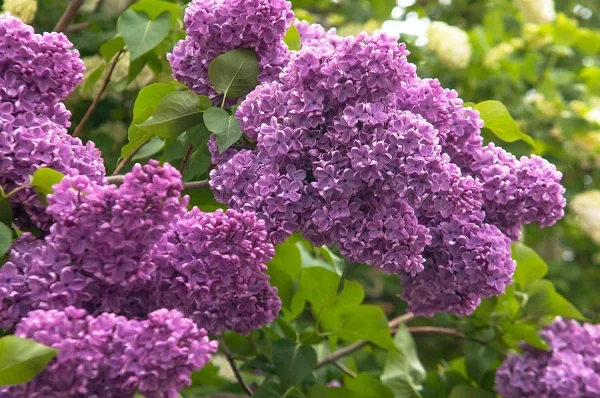
Live lilac bush – Syringa – Live plant – Outdoor – Purple
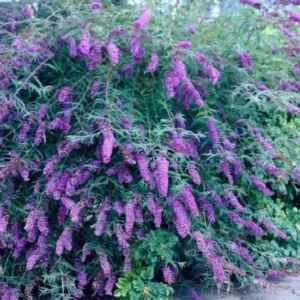
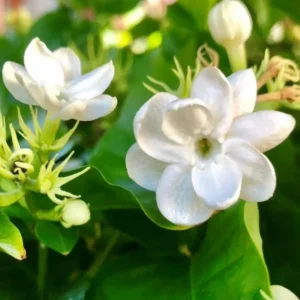
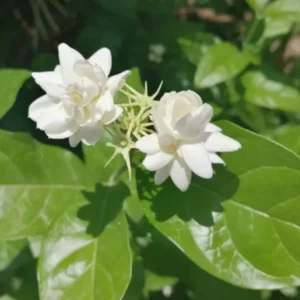
Add elegance to your garden with our live lilac bush. This outdoor shrub boasts stunning purple flowers that attract butterflies and enhance your landscape.
$24.00

With our Alive & Thrive Guarantee, we’ve got your back for the first 30 days! If you have any concerns about your plants, just reach out to us. Our team is here to help answer your questions and guide you in selecting the best plants for your garden, climate, and unique preferences. We're excited to help you create the garden of your dreams!
Estimated arrival
Oct 07
Oct 12 - Oct 14
Oct 17 - Oct 21




Product Details
-
USDA Hardiness Zone
USDA zones 3–7 -
Soil type
well-draining soil -
Sunlight Exposure
full sun -
Expected Planting Period
spring to early fall
Overview
The live lilac bush is a charming addition to any outdoor garden. Known for its delightful fragrance and vibrant purple blossoms, this plant belongs to the genus Syringa. Lilacs are beloved for not only their beauty but also their ability to attract pollinators, making them a perfect choice for eco-friendly gardening. As a deciduous shrub, the lilac bush thrives in various climates and provides seasonal interest with its striking flowers in spring.
In addition to their aesthetic appeal, live lilac bushes are hardy and relatively low maintenance, making them ideal for both novice and experienced gardeners. With proper care, these plants can grow to be quite large, creating a stunning focal point in your landscape.
Key Benefits
Our live lilac bush offers numerous advantages for your garden:
- Fragrance: The enchanting scent of lilacs fills the air, creating a delightful atmosphere in your garden.
- Attracts Pollinators: These beautiful flowers draw in bees and butterflies, promoting biodiversity.
- Low Maintenance: Once established, lilacs require minimal care, making them perfect for busy gardeners.
- Seasonal Interest: Enjoy beautiful blooms in spring, followed by lush green foliage throughout the growing season.
- Hardy Plant: Lilacs are resilient and can thrive in various climates, making them suitable for a wide range of gardening zones.
- Versatile Use: Ideal for hedges, borders, or as standalone specimens, enhancing your outdoor space.
- Beautiful Color: The vibrant purple flowers add a pop of color, brightening your landscape.
Plant Care & Growing Tips
To ensure your live lilac bush thrives, follow these care guidelines:
Sunlight: Lilacs prefer full sun, ideally receiving at least 6 hours of direct sunlight daily. This exposure promotes robust flowering and healthy growth.
Watering: Water the lilac bush regularly during its first growing season to establish strong roots. Once established, they are drought-tolerant but will benefit from occasional watering during dry spells.
Soil: A well-draining soil mix is crucial for the health of your lilac bush. They thrive in loamy or sandy soil with good drainage to prevent root rot.
Temperature: Lilacs are hardy in USDA zones 3 to 7, tolerating cold winters and warm summers. They are best suited for temperate climates.
Fertilization: Apply a balanced fertilizer in early spring to encourage blooming. Avoid over-fertilizing, as this can lead to excessive foliage at the expense of flowers.
Common Problems: Watch for signs of powdery mildew or aphids. If you encounter these issues, treat them promptly with appropriate organic solutions.
Size & Details
This live lilac bush typically grows between 6 to 12 feet tall and 5 to 10 feet wide, depending on the variety and growing conditions. It ships as a well-rooted potted plant, ready to thrive in your garden. Expect blooms in spring, with the plant reaching maturity in about 2-3 years.
Frequently Asked Questions
- Q: How big does this plant get? A: The live lilac bush can grow anywhere from 6 to 12 feet tall and up to 10 feet wide, depending on the variety.
- Q: Is this an indoor or outdoor plant? A: This plant is best suited for outdoor gardens, thriving in full sun.
- Q: How much sunlight does it need? A: Lilacs prefer full sun, ideally receiving at least 6 hours of direct sunlight each day.
- Q: Is this plant easy to care for? A: Yes, live lilac bushes are low maintenance once established, requiring minimal care.
- Q: What condition will it arrive in? A: Your lilac bush will arrive as a healthy, well-rooted plant, ready for planting.
- Q: Can I use lilac in cooking? A: While lilac flowers are edible and can be used for decoration, they are not commonly used in cooking.
- Q: How long until it blooms? A: Lilacs typically bloom in spring, usually around mid to late April, depending on the climate.
- Q: Will it survive winter in my zone? A: Lilacs are hardy in USDA zones 3 to 7, making them suitable for most temperate climates.
- Q: When is the best time to plant? A: The ideal planting period for your live lilac bush is in spring or early fall.
Related products
-20%
Original price was: $36.00.$28.80Current price is: $28.80.
-45%


Original price was: $220.00.$121.00Current price is: $121.00.
-20%
Original price was: $76.00.$60.80Current price is: $60.80.
-50%


Original price was: $63.00.$31.50Current price is: $31.50.
-50%
Original price was: $83.00.$41.50Current price is: $41.50.
-20%

Original price was: $20.00.$16.00Current price is: $16.00.
PLANTING & CARE
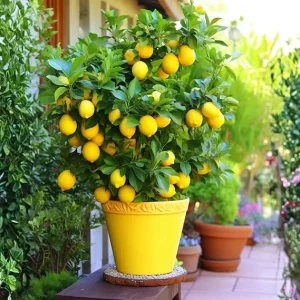
Lemon Tree Growing: Choose, Plant, and Harvest
Learn how to choose, plant, feed, and protect a lemon tree so it fits your
23
Sep
Sep
Dwarf Meyer Lemon Tree Australia: Climate Guide
Learn where dwarf Meyer lemon trees grow, how much cold they tolerate, and whether Australia,
Where to Buy a Dwarf Meyer Lemon Tree: Buyer’s Guide
Find the right dwarf Meyer lemon tree online or locally, compare starter sizes and costs,
Dwarf Meyer Lemon Tree for Sale: Buying Guide
Compare Meyer lemon tree sizes, prices, shipping limits, indoor growing and California options before you
Dwarf Meyer Lemon Tree Guide: Size, Care and Fruit
META: Learn how large a dwarf Meyer lemon tree grows, where it thrives, and how
How to Prune a Dwarf Meyer Lemon Tree
Learn when and how to prune a dwarf Meyer lemon tree, including tools, shaping cuts,
Can You Grow a Dwarf Meyer Lemon Tree in a Pot?
META: Learn how to grow a dwarf Meyer lemon tree in a pot, including container
When Do Dwarf Meyer Lemon Trees Bloom and Fruit?
META: Dwarf Meyer lemon trees usually bloom from winter through spring and may flower again