Pawpaw Tree Live Plant, Hardy Fruit Tree, Quart Pot, 6-12 inches, Zones 5-9
-50%
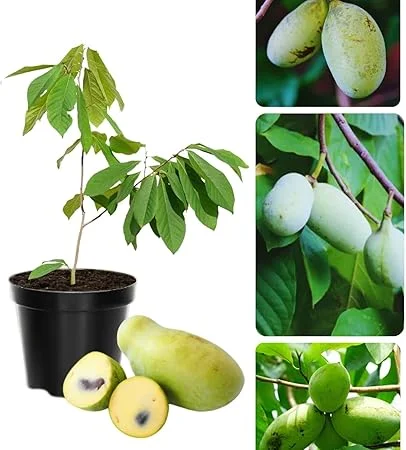
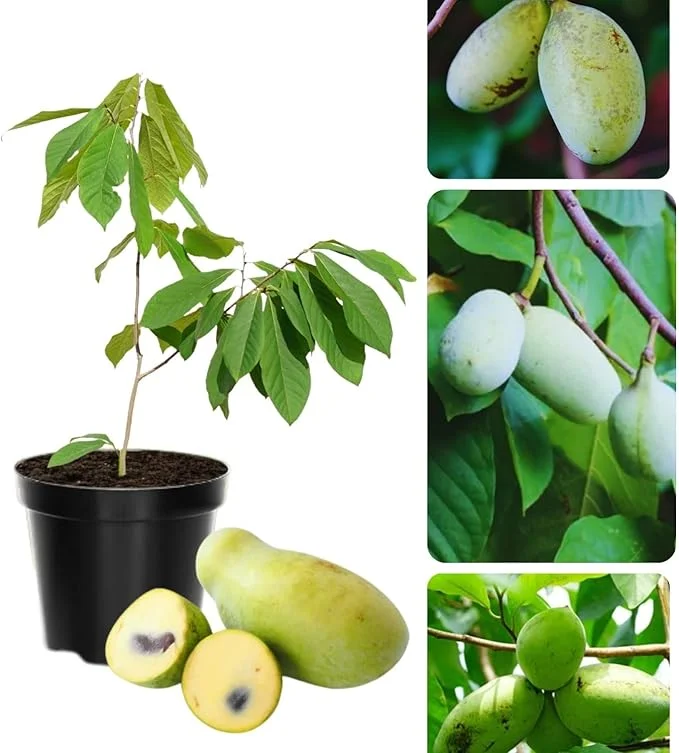
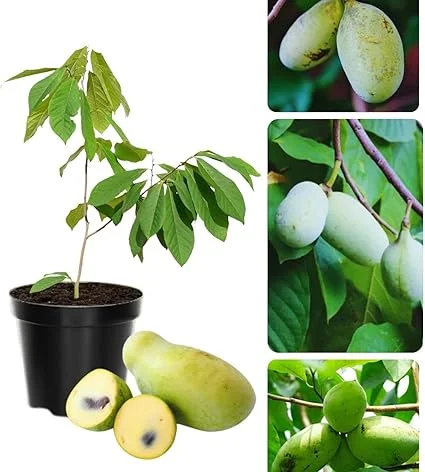
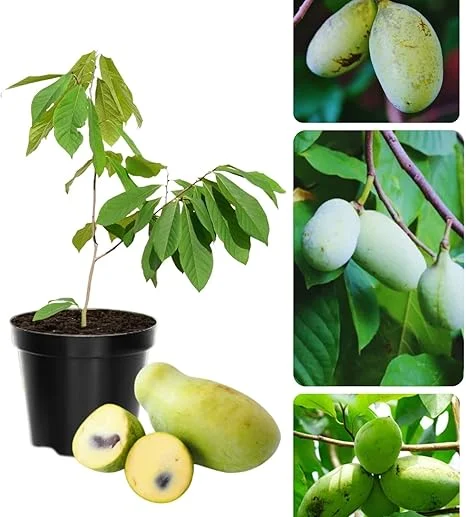
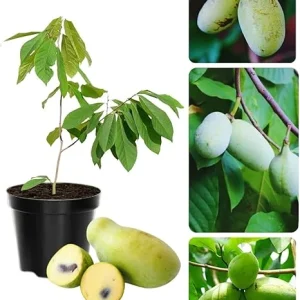
Pawpaw Tree Live Plant, Hardy Fruit Tree, Quart Pot, 6-12 inches, Zones 5-9
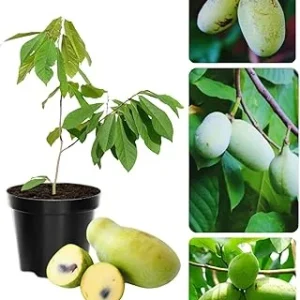
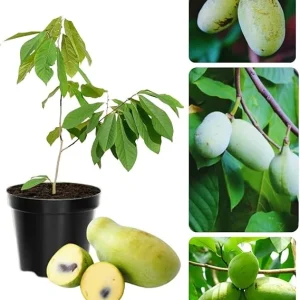
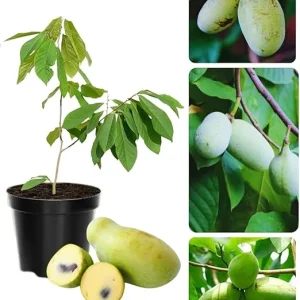
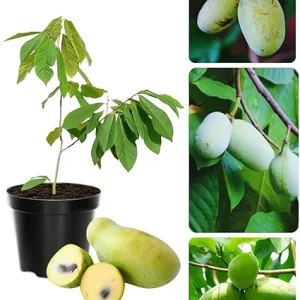
Cultivate your own unique, creamy fruit with this pawpaw tree live plant. A hardy fruit tree, it arrives in a quart pot, ready for planting to establish an edible landscape. Known for its delicious, tropical-flavored fruit, this plant is a fantastic addition to any garden.
Original price was: $39.98.$19.99Current price is: $19.99.

With our Alive & Thrive Guarantee, we’ve got your back for the first 30 days! If you have any concerns about your plants, just reach out to us. Our team is here to help answer your questions and guide you in selecting the best plants for your garden, climate, and unique preferences. We're excited to help you create the garden of your dreams!
Estimated arrival
Mar 31
Apr 05 - Apr 07
Apr 10 - Apr 14

Product Details
-
USDA Hardiness Zone
5 to 9 -
Soil type
Deep, fertile, well-draining, slightly acidic soil -
Sunlight Exposure
Full sun (mature), partial shade (young) -
Expected Planting Period
Spring to early summer
Overview
Embark on a rewarding gardening journey with a pawpaw tree live plant. This unique and hardy fruit tree, often called the “custard apple of the North,” offers a taste of the tropics in temperate climates. Our pawpaw tree live plant is carefully nurtured to ensure a strong start, arriving in a quart pot and standing approximately 6 to 12 inches tall, ready for planting. Pawpaws (Asimina triloba) are deciduous trees native to the eastern United States, celebrated for their large, sweet, and custardy fruits that ripen in late summer to early autumn. These trees are not only a source of delicious, nutritious fruit but also provide attractive foliage and are relatively low-maintenance once established. Growing a pawpaw tree live plant allows you to enjoy fresh, organic pawpaws directly from your backyard, a truly unique culinary experience.
The pawpaw is a fascinating plant, known for its distinctive flavor profile that combines notes of banana, mango, and pineapple. It’s an excellent choice for gardeners looking to diversify their fruit harvest with something beyond the ordinary apples and peaches. This pawpaw fruit tree is a robust specimen, suitable for a range of climates, particularly USDA Hardiness Zones 5 through 9. It’s a fantastic conversation starter and a valuable addition to an edible garden, providing shade and beauty alongside its incredible bounty. Prepare to enjoy the delightful experience of harvesting your own native American superfood with this exceptional pawpaw tree live plant.
Key Benefits
Bringing a pawpaw tree live plant into your garden offers numerous advantages, from its unique fruit to its resilient nature. This hardy fruit tree is an investment in both your landscape and your palate.
- Unique Edible Fruit: Enjoy the rich, creamy, tropical-flavored fruit directly from your garden. Pawpaws are a rare treat, offering a distinct taste that’s hard to find in stores.
- Hardy and Resilient: The hardy pawpaw plant is well-adapted to many climates, particularly USDA zones 5-9, making it a reliable choice for a wide range of gardeners. It’s known for its ability to withstand colder temperatures once established.
- Native to North America: By planting a pawpaw tree, you’re supporting native ecosystems and potentially attracting local wildlife such as butterflies. This makes growing pawpaw trees an eco-friendly choice.
- Low Maintenance: Once established, pawpaw trees require minimal care, making them an excellent option for both experienced and novice gardeners looking for an easy-to-grow fruit tree.
- Attractive Landscape Addition: Beyond its fruit, the pawpaw tree boasts attractive large leaves and a pleasant pyramidal shape, adding aesthetic value to your garden throughout the growing season.
- Nutrient-Rich: Pawpaw fruits are packed with vitamins, minerals, and antioxidants, offering a healthy and delicious addition to your diet.
- Disease and Pest Resistant: Pawpaw trees are generally resistant to many common diseases and pests that plague other fruit trees, reducing the need for chemical treatments and making pawpaw plant care simpler.
Plant Care & Growing Tips
Caring for your pawpaw tree live plant is relatively straightforward, especially once it’s established. Pawpaws thrive in conditions that mimic their natural understory habitat when young, but prefer more sun as they mature. For optimal growth and fruit production, select a site with full sun exposure for mature trees. Young trees, however, benefit from some afternoon shade during their first year or two to prevent leaf scorch. The ideal soil for a pawpaw fruit tree is deep, fertile, well-drained, and slightly acidic (pH 5.5-7.0). Amend heavy clay soils with organic matter to improve drainage and aeration.
Watering is crucial, especially during the first few years. Keep the soil consistently moist but never waterlogged. Deep watering once or twice a week is generally sufficient, depending on rainfall and soil type. Reduce watering in fall as the tree enters dormancy. Pawpaw trees are deciduous and will lose their leaves in winter, which is a natural part of their cycle. They are hardy in USDA Zones 5 to 9, tolerating winter dormancy well. Fertilize your hardy pawpaw plant sparingly in the spring with a balanced, slow-release fertilizer, once the tree is established. Avoid fertilizing newly planted trees immediately. Pruning is generally minimal, focusing on removing dead, damaged, or crossing branches to maintain good air circulation and shape. Watch out for any signs of stress or pests, though pawpaws are known for their resilience, making pawpaw plant care less demanding than many other fruit trees.
Size & Details
This pawpaw tree live plant arrives as a vibrant young tree, typically measuring 6 to 12 inches in height from the top of the soil. It is shipped in a quart-sized nursery pot, providing a healthy root system for successful transplanting. At maturity, a pawpaw tree can reach an impressive height of 15 to 30 feet, developing a broad, rounded canopy. The growth rate is moderate, allowing the tree to establish itself well within a few years. While pawpaws are self-incompatible or partially self-incompatible, meaning they require at least two genetically different trees for cross-pollination to produce fruit, some named varieties may offer better self-fertility. However, for reliable fruit set, planting two or more pawpaw trees is highly recommended. Expect your pawpaw tree live plant to begin bearing fruit within 3 to 5 years after planting, depending on growing conditions and care. These trees enter dormancy in winter, shedding their leaves and conserving energy for robust spring growth.
Frequently Asked Questions
- Q: How big does this pawpaw tree get? A: This pawpaw tree live plant arrives 6 to 12 inches tall in a quart pot. At maturity, it can grow to be 15 to 30 feet tall, forming a beautiful, broad tree.
- Q: Is this an indoor or outdoor plant? A: The pawpaw tree live plant is an outdoor fruit tree. It requires a significant amount of space and specific growing conditions to thrive and produce fruit.
- Q: How much sunlight does a pawpaw tree need? A: Mature pawpaw trees thrive in full sun exposure for the best fruit production. Young pawpaw trees, however, benefit from some partial shade, especially during the hot afternoon hours, for their first year or two.
- Q: Is this plant easy to care for? A: Yes, the hardy pawpaw plant is considered relatively easy to care for once established. It’s known for its resilience and generally low maintenance requirements compared to other fruit trees, simplifying pawpaw plant care.
- Q: What condition will it arrive in? A: Your pawpaw tree live plant will arrive as a healthy, actively growing plant in a quart-sized nursery pot, carefully packaged to ensure its safe journey. It will be shipped with soil around its roots.
- Q: How long until my pawpaw tree produces fruit? A: Under optimal conditions, a pawpaw fruit tree typically begins bearing fruit within 3 to 5 years after planting. This timeline can vary based on care, climate, and specific variety.
- Q: Will my pawpaw tree survive winter in my zone? A: Yes, pawpaw trees are very hardy and suitable for USDA Zones 5 to 9. They are deciduous and will naturally go dormant in winter, shedding their leaves and preparing for new growth in spring.
- Q: Do I need more than one pawpaw tree to get fruit? A: For reliable fruit production, it is highly recommended to plant at least two genetically different pawpaw tree live plant specimens to ensure proper cross-pollination.
- Q: What kind of soil is best for growing pawpaw trees? A: Pawpaw trees prefer deep, fertile, well-drained soil with a slightly acidic pH. Good drainage is crucial for preventing root rot and ensuring healthy growth.
- Q: Is the pawpaw fruit good for you? A: Yes, pawpaw fruits are highly nutritious, rich in vitamins (especially Vitamin C), minerals, and beneficial antioxidants, making them a healthy and delicious treat.
Related products
-10%
Original price was: $80.99.$72.89Current price is: $72.89.

PLANTING & CARE

The Comprehensive Guide to Growing Bay Leaf Plants for a Flavorful Garden
Imagine stepping into your garden, greeted by the earthy aroma of fresh bay leaves, their
09
Feb
Feb

How to Make Comfrey Tea: The Ultimate Organic Plant Food
Growing an organic garden can be surprisingly expensive, especially when most store-bought fertilizers come in
02
Feb
Feb

True Comfrey: 7 Essential Tips Before You Plant This Herb
A staple in permaculture practices across the US, True Comfrey easily earns its reputation as
27
Jan
Jan

7 Heart-Shaped Plants for a Lasting Valentine’s Gift
If you’ve ever bought a bouquet of roses for Valentine’s Day, you know they are
26
Jan
Jan

Best Types of Ivy Plant for Houses: How to Choose the Perfect Ones for Your Home
Are you a garden lover looking to introduce some greenery into your home? Maybe you’ve
14
Nov
Nov

When to Harvest Garlic (Especially Fall-Planted Garlic)
TIMING IS EVERYTHING, they say – and for garlic, that truth hits with surprising accuracy.
13
Nov
Nov

11 of the Best Sweet Potato Varieties to Grow for Your Garden
If you’ve ever tried growing sweet potatoes, you know that picking the right variety can
12
Nov
Nov
Pruning Bougainvillea for Winter
Bougainvillea vines are known for their dazzling display of magenta, orange, and fuchsia bracts that
05
Nov
Nov