Blue Sage Seeds – Salvia farinacea – 100 Seeds – Vibrant Blue-Purple Blooms
-63%
Blue Sage Seeds – Salvia farinacea – 100 Seeds – Vibrant Blue-Purple Blooms
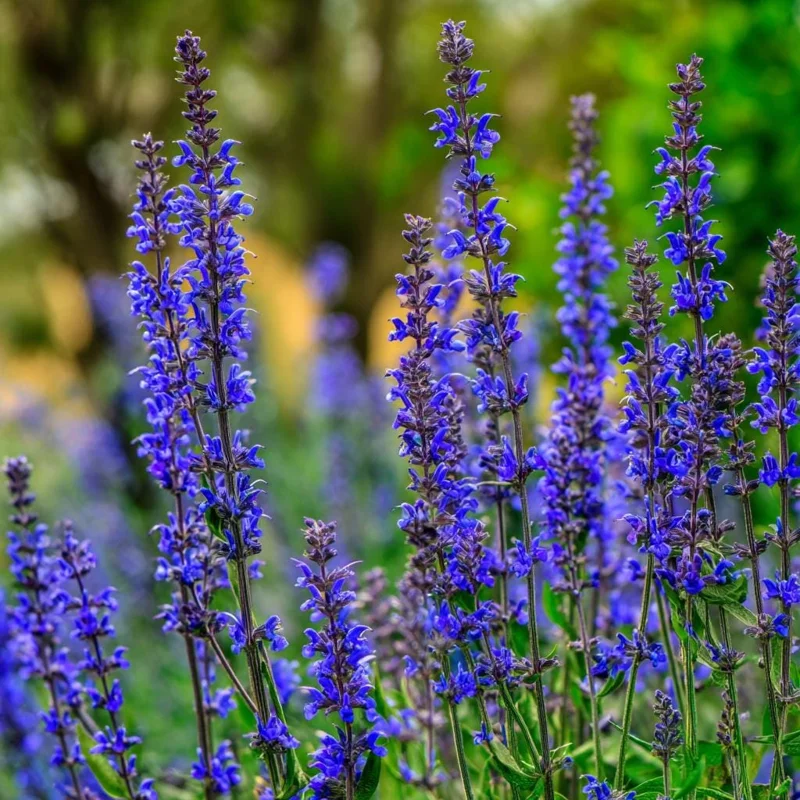
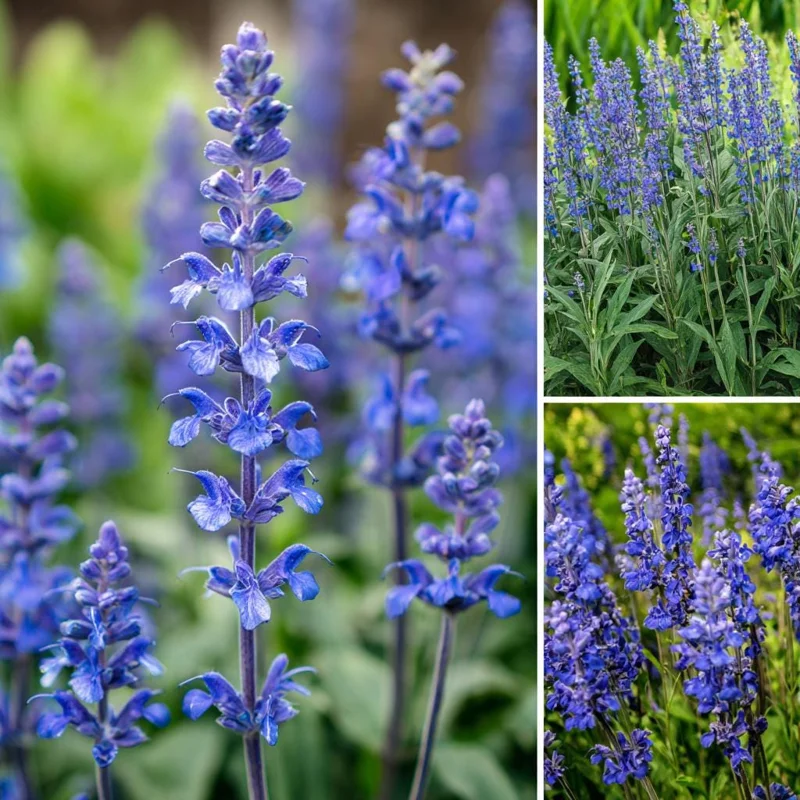
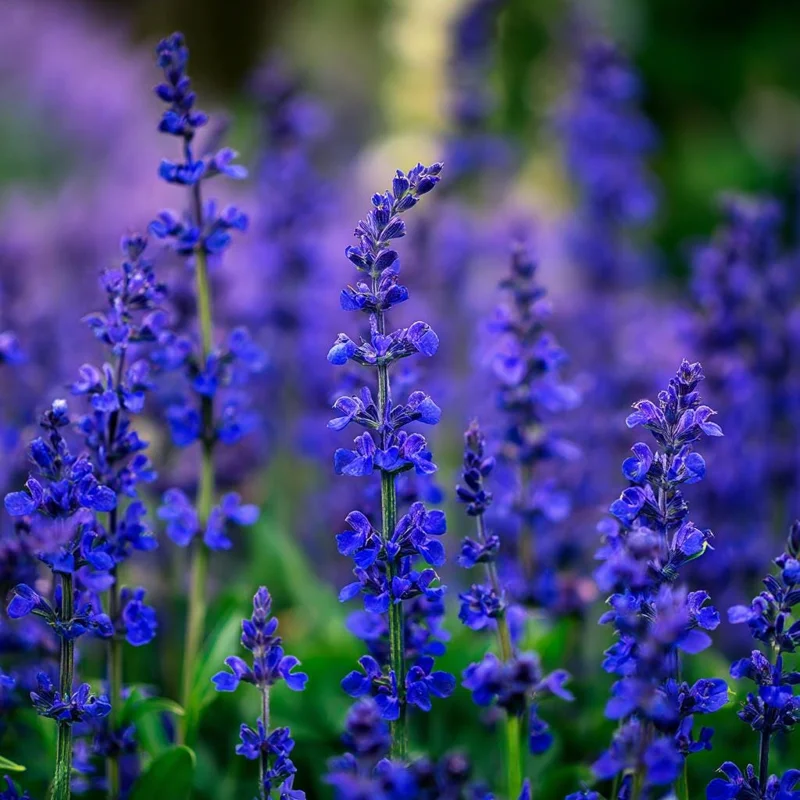
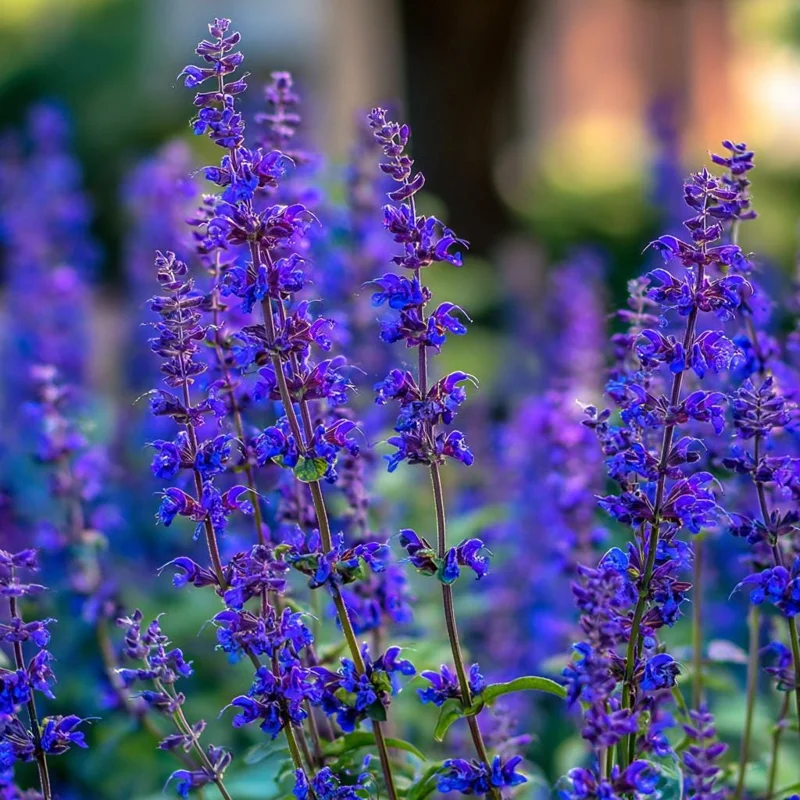
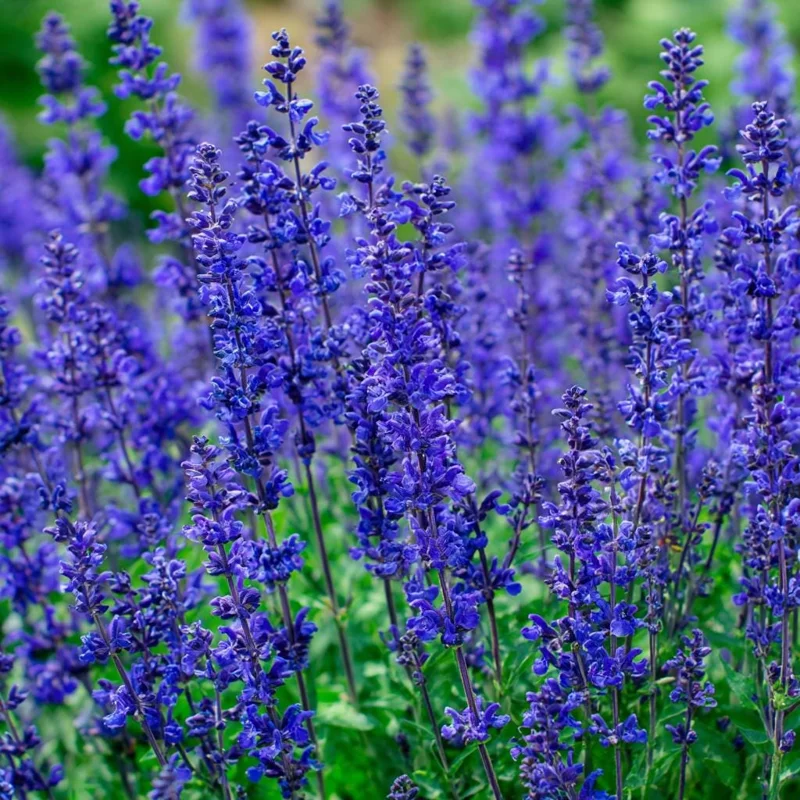
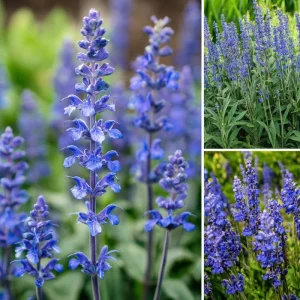
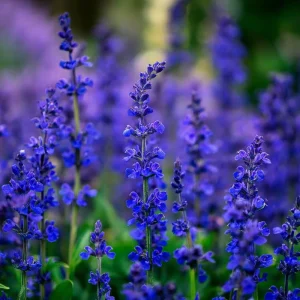
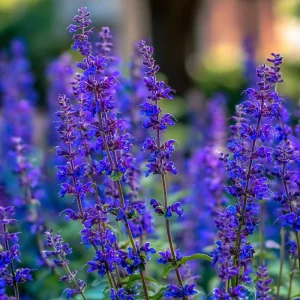
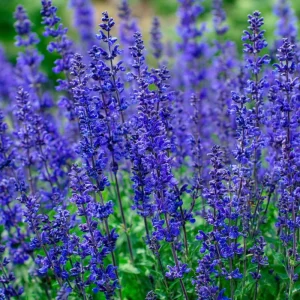
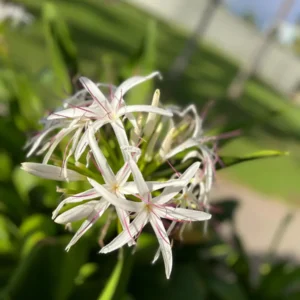
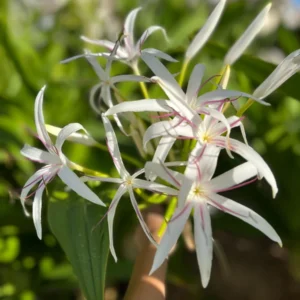
Cultivate a breathtaking display with blue sage seeds (Salvia farinacea). These vibrant blue flowers attract pollinators, making them ideal for any garden. Easy to sow and grow, creating vertical interest and a haven for bees and butterflies.
Original price was: $31.99.$11.99Current price is: $11.99.

With our Alive & Thrive Guarantee, we’ve got your back for the first 30 days! If you have any concerns about your plants, just reach out to us. Our team is here to help answer your questions and guide you in selecting the best plants for your garden, climate, and unique preferences. We're excited to help you create the garden of your dreams!
Estimated arrival
Apr 12
Apr 17 - Apr 19
Apr 22 - Apr 26




Product Details
-
USDA Hardiness Zone
USDA zones 8-10 (as perennial), annual in colder zones -
Soil type
Well-drained, moderately fertile soil -
Sunlight Exposure
Full sun -
Expected Planting Period
Spring to early summer
Overview
Transform your garden into a pollinator paradise with these premium blue sage seeds. Also known by its botanical name, Salvia farinacea seeds, this stunning perennial is celebrated for its tall spikes of vivid blue to violet flowers. Growing between 18–36 inches tall, Blue Sage creates impressive vertical interest in garden beds, borders, and containers. The rich, nectar-filled blooms are a magnet for bees, butterflies, and hummingbirds, establishing Blue Sage as a top choice for pollinator-friendly gardens across the USA. Easy to cultivate and rewarding to behold, these seeds promise a season of vibrant color and buzzing activity.
Whether you’re an experienced gardener or just starting, growing blue sage seeds is a simple and enjoyable process that yields spectacular results. These plants are not only beautiful but also contribute significantly to local ecosystems by supporting essential pollinators. Their striking appearance and ecological benefits make them an indispensable addition to any landscape design, from cottage gardens to modern perennial displays.
Key Benefits
Planting blue sage seeds offers a multitude of benefits, enhancing both the aesthetic and ecological value of your outdoor space. These plants are renowned for their ease of care and their ability to thrive in various conditions, providing continuous blooms and vibrant color throughout the season. Discover why blue sage seeds are a favored choice among gardeners.
- Attracts Pollinators: The nectar-rich, vibrant blue flowers are a powerful draw for bees, butterflies, and hummingbirds, making your garden a lively hub of activity and supporting biodiversity.
- Long Blooming Season: Enjoy continuous blooms from late spring through fall, providing consistent color and interest when many other plants have faded.
- Low Maintenance: Once established, Blue Sage is remarkably drought-tolerant and requires minimal care, making it perfect for busy gardeners or those seeking an effortless display.
- Vertical Garden Interest: The tall, upright flower spikes add a unique structural element to garden beds and borders, creating dynamic visual appeal.
- Versatile Use: Ideal for mixed perennial displays, cutting gardens, cottage gardens, and container planting, offering flexibility in garden design.
- Deer Resistant: Typically, deer tend to avoid Blue Sage, making it a reliable choice for gardens in areas with deer populations.
- Easy to Grow from Seed: How to grow blue sage from seed is straightforward, allowing even novice gardeners to achieve success and enjoy the beauty of these plants.
Plant Care & Growing Tips
Successfully cultivating blue sage seeds into thriving plants requires understanding their basic needs. Blue Sage (Salvia farinacea) is a resilient and adaptable plant, but providing optimal conditions will ensure the most robust growth and abundant blooms. Follow these guidelines for healthy, vibrant plants.
Sunlight Requirements: Blue Sage thrives in full sun, meaning it needs at least 6-8 hours of direct sunlight per day. While it can tolerate some partial shade, too little sun may result in leggy growth and reduced flowering. For best results and the most intense blue hues, choose a sunny location in your garden. Soil Type and Drainage: These plants prefer well-drained, moderately fertile soil. Heavy clay soils that retain too much moisture can lead to root rot. If your soil is heavy, amend it with organic matter like compost or sand to improve drainage. A slightly acidic to neutral pH (6.0-7.0) is ideal. Watering: Water regularly during dry periods, especially when plants are young and establishing. Once established, Blue Sage is remarkably drought-tolerant and can withstand periods of dryness, making it a water-wise choice for many landscapes. Avoid overwatering.
Temperature Range and USDA Hardiness Zone: Blue Sage is typically grown as an annual in colder climates but can be a perennial in USDA zones 8-10. It tolerates heat and humidity well. Fertilization: A balanced, all-purpose fertilizer can be applied in spring to encourage vigorous growth, though Blue Sage is not a heavy feeder. Avoid excessive nitrogen, which can promote foliage over flowers. Common Problems: Generally pest and disease-free, Blue Sage can occasionally suffer from powdery mildew in humid conditions or if air circulation is poor. Ensure proper spacing between plants. Deadhead spent flowers to encourage continuous blooming and prevent self-seeding if desired. Understanding how to grow blue sage ensures a rewarding gardening experience.
Size & Details
Each packet contains 100 blue sage seeds, providing ample opportunity to cultivate a beautiful display in your garden. These seeds will grow into plants that typically reach a height of 18–36 inches (45–90 cm) and spread 12–18 inches (30–45 cm) wide, creating a substantial presence in your landscape. The long-blooming season ensures continuous enjoyment of their captivating blue-purple flowers from summer into fall. These salvia farinacea seeds are packaged for optimal viability and are ready for planting upon arrival.
Expect germination to occur within 10–14 days under ideal conditions. Once mature, these plants will form sturdy clumps, providing a stunning backdrop or focal point. The seeds are suitable for both direct sowing outdoors after the last frost or starting indoors 6–8 weeks prior for earlier blooms. With proper care, these plants offer excellent value and a spectacular return on your gardening efforts.
Frequently Asked Questions
- Q: How big does blue sage get? A: Blue sage plants typically grow between 18 to 36 inches tall and spread about 12 to 18 inches wide, creating a beautiful upright display in your garden or containers.
- Q: Is this an indoor or outdoor plant? A: While blue sage seeds can be started indoors, the mature plants are primarily grown outdoors. They thrive in full sun and are perfect for garden beds, borders, and outdoor containers.
- Q: How much sunlight does blue sage need? A: Blue Sage requires at least 6-8 hours of direct sunlight daily to produce the most abundant and vibrant blooms. It prefers a full sun location for optimal growth.
- Q: Is blue sage easy to care for? A: Yes, blue sage is considered a low-maintenance plant. Once established, it is quite drought-tolerant and generally pest and disease-free, making it suitable for beginner gardeners.
- Q: What condition will the seeds arrive in? A: You will receive a packet containing 100 blue sage seeds, carefully packaged to ensure their viability and quality upon arrival, ready for planting.
- Q: When is the best time to plant blue sage seeds? A: You can sow blue sage seeds indoors 6-8 weeks before the last frost or directly outdoors after all danger of frost has passed in spring.
- Q: Will blue sage attract pollinators to my garden? A: Absolutely! One of the main benefits of planting blue sage seeds is their ability to attract a wide array of pollinators, including bees, butterflies, and hummingbirds, thanks to their nectar-rich flowers.
- Q: What kind of soil does blue sage prefer? A: Blue Sage thrives in well-drained, moderately fertile soil. It’s important to avoid heavy, waterlogged soils to prevent root issues.
- Q: Can I grow blue sage in containers? A: Yes, blue sage is an excellent choice for containers. Ensure the container has good drainage and is large enough to accommodate the plant’s mature size.
- Q: How long does it take for blue sage seeds to germinate? A: Germination for blue sage seeds typically occurs within 10-14 days under optimal conditions, including consistent moisture and warmth.
Related products
-50%
Original price was: $23.96.$11.98Current price is: $11.98.
-50%
Original price was: $23.96.$11.98Current price is: $11.98.
-50%
Original price was: $21.56.$10.78Current price is: $10.78.
-50%

Original price was: $15.96.$7.98Current price is: $7.98.
-50%
Original price was: $23.96.$11.98Current price is: $11.98.
-50%
Original price was: $23.96.$11.98Current price is: $11.98.
-50%

Original price was: $38.36.$19.18Current price is: $19.18.
PLANTING & CARE

Growing Glencoe Raspberry: A Complete Guide for Gardeners
If you’re looking to add something unique to your garden, look no further than the
31
Mar
Mar

The Comprehensive Guide to Growing Bay Leaf Plants for a Flavorful Garden
Imagine stepping into your garden, greeted by the earthy aroma of fresh bay leaves, their
09
Feb
Feb

How to Make Comfrey Tea: The Ultimate Organic Plant Food
Growing an organic garden can be surprisingly expensive, especially when most store-bought fertilizers come in
02
Feb
Feb

True Comfrey: 7 Essential Tips Before You Plant This Herb
A staple in permaculture practices across the US, True Comfrey easily earns its reputation as
27
Jan
Jan

7 Heart-Shaped Plants for a Lasting Valentine’s Gift
If you’ve ever bought a bouquet of roses for Valentine’s Day, you know they are
26
Jan
Jan

Best Types of Ivy Plant for Houses: How to Choose the Perfect Ones for Your Home
Are you a garden lover looking to introduce some greenery into your home? Maybe you’ve
14
Nov
Nov

When to Harvest Garlic (Especially Fall-Planted Garlic)
TIMING IS EVERYTHING, they say – and for garlic, that truth hits with surprising accuracy.
13
Nov
Nov

11 of the Best Sweet Potato Varieties to Grow for Your Garden
If you’ve ever tried growing sweet potatoes, you know that picking the right variety can
12
Nov
Nov