Set of 2 Blue Fescue Grass Live Plant 4-7″ Tall – Silvery Blue Ornamental Outdoor
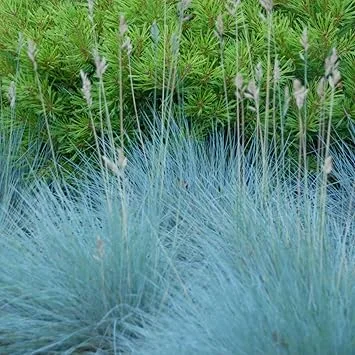
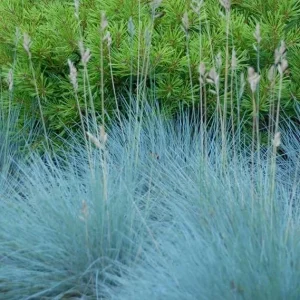
Set of 2 Blue Fescue Grass Live Plant 4-7″ Tall – Silvery Blue Ornamental Outdoor
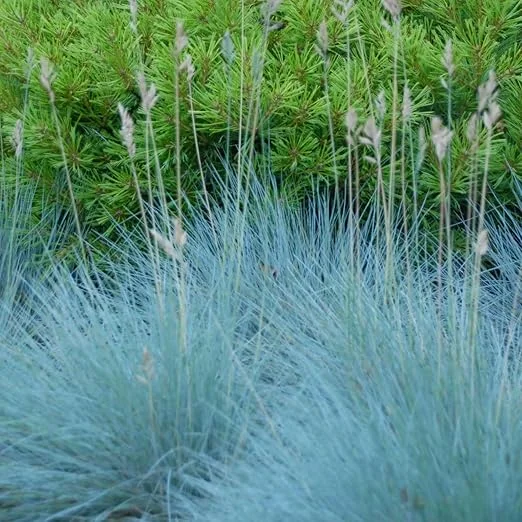
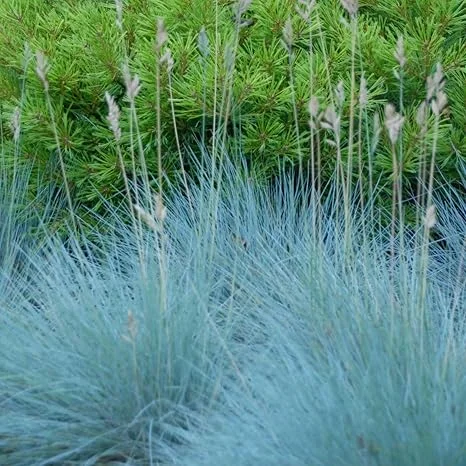
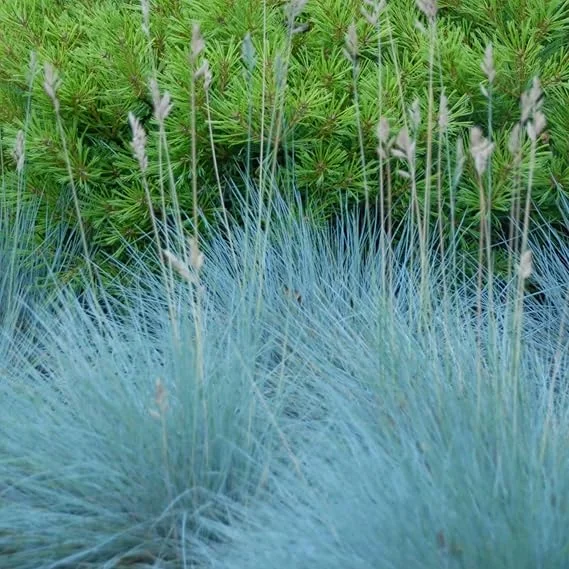
Bring captivating texture and color to your landscape with this set of two blue fescue grass live plant. Known for its striking silvery-blue foliage, this ornamental grass is a fantastic choice for borders, rock gardens, or mass plantings. It’s an excellent drought tolerant grass option, requiring minimal care once established, making it perfect for busy gardeners. Thrives outdoors in USDA Hardiness Zones 4-8, adding year-round visual interest.
$41.78

With our Alive & Thrive Guarantee, we’ve got your back for the first 30 days! If you have any concerns about your plants, just reach out to us. Our team is here to help answer your questions and guide you in selecting the best plants for your garden, climate, and unique preferences. We're excited to help you create the garden of your dreams!
Estimated arrival
Oct 07
Oct 12 - Oct 14
Oct 17 - Oct 21
Product Details
-
USDA Hardiness Zone
4-8 -
Soil type
Well-drained soil -
Sunlight Exposure
Full Sun -
Expected Planting Period
Spring to Fall
Overview
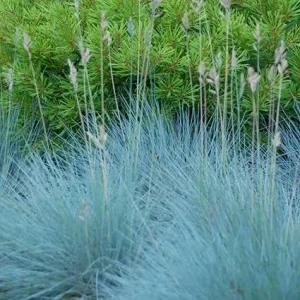
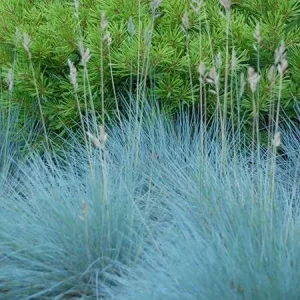
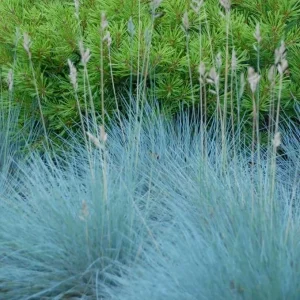
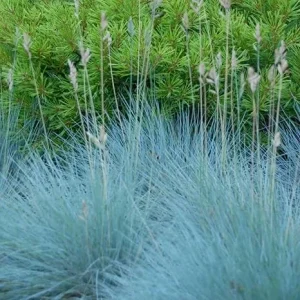
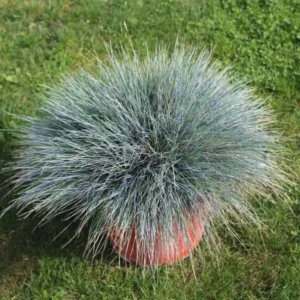
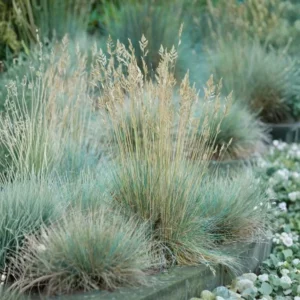
Transform your garden with this exquisite set of two blue fescue grass live plant, a stunning addition for both novice and experienced gardeners. This ornamental grass, scientifically known as Festuca glauca, is celebrated for its distinctive silvery-blue foliage that forms compact, mounding clumps. Each blue fescue grass live plant stands approximately 4-7 inches tall, making it an ideal choice for adding texture and cool color to various outdoor settings. Its unique coloration remains vibrant throughout the year, providing continuous visual appeal even in winter. Perfect for creating elegant borders, accentuating rock gardens, or mass planting for a dramatic effect, this grass is a testament to nature’s artistry.
This particular variety is highly sought after for its robust nature and ease of care. It’s a fantastic option for those seeking a low-maintenance yet high-impact plant. The compact growth habit ensures it won’t overtake your garden, allowing you to design with precision. Whether you’re aiming for a modern, minimalist look or a more traditional cottage garden feel, the ornamental blue fescue grass integrates seamlessly, offering a sophisticated touch that elevates any landscape design.
Key Benefits
Investing in this blue fescue grass live plant offers a multitude of advantages for your outdoor space:
- Striking Silvery-Blue Foliage: The most prominent feature is its captivating silvery-blue leaves, which provide year-round color and texture, creating a cool contrast against green plants or vibrant flowers. This unique hue makes it a standout.
- Drought-Tolerant: Once established, this drought tolerant grass requires minimal watering, making it an excellent choice for xeriscaping or gardens in arid regions, helping to conserve water without sacrificing beauty.
- Low Maintenance: This ornamental grass is incredibly easy to care for. It generally doesn’t require frequent pruning, fertilizing, or pest control, allowing you more time to enjoy your garden.
- Versatile Landscape Use: Ideal for a variety of applications including edging, mass plantings, ground cover, rock gardens, containers, or as an accent plant. Its compact size makes it suitable for small spaces.
- Hardy and Resilient: Thrives in USDA Hardiness Zones 4-8, demonstrating excellent cold tolerance and adaptability to a range of climates. This ensures your blue fescue grass live plant will flourish for years.
- Deer Resistant: Generally bypassed by deer, providing peace of mind for gardeners in areas prone to deer browsing.
- Compact Growth Habit: Forms neat, mounding clumps that maintain a tidy appearance, preventing it from spreading aggressively and making it easy to integrate into existing garden designs.
Plant Care & Growing Tips
Caring for your blue fescue grass live plant is straightforward, ensuring a beautiful and healthy display with minimal effort. This resilient ornamental grass thrives in conditions that mimic its natural habitat. For optimal growth, plant your blue fescue in a location that receives full sun, meaning at least six hours of direct sunlight per day. Adequate sunlight is crucial for maintaining its vibrant silvery-blue coloration; plants in partial shade may appear greener. Ensure the soil is well-drained, as blue fescue is highly susceptible to root rot in soggy conditions. A sandy or gravelly soil mix is ideal, but any well-draining soil will suffice. If your soil is heavy clay, amending it with organic matter and sand can improve drainage significantly.
When it comes to watering, the blue fescue grass live plant is remarkably drought-tolerant once established. During its initial establishment period (the first growing season), water regularly to keep the soil consistently moist but not waterlogged. After establishment, reduce watering frequency; it prefers drier conditions and can tolerate periods of drought. Overwatering is the most common cause of problems for this plant. Fertilization is rarely necessary for fescue grass care. If your soil is particularly poor, a light application of a balanced, slow-release granular fertilizer in early spring can be beneficial, but avoid over-fertilizing, which can lead to lush, green growth at the expense of its characteristic blue hue. The ideal USDA Hardiness Zone for this plant is 4-8, indicating its ability to withstand a range of temperatures. In colder zones, ensure good winter drainage to prevent crown rot.
Minimal pruning is required for ornamental blue fescue grass. In late winter or early spring, before new growth appears, you can trim back any dead or brown foliage to about 2-3 inches from the ground to encourage fresh, vibrant growth. Every few years, typically every 3-5 years, you may notice the center of the plant dying out. This is normal for clumping grasses. At this point, it’s best to divide the plant. Dig up the entire clump, discard the dead center, and replant the vigorous outer sections. This rejuvenates the plant and ensures continued health and beauty. Pests and diseases are generally not a significant concern for blue fescue grass live plant, contributing to its reputation as a low-maintenance garden choice.
Size & Details
This offering includes a set of two blue fescue grass live plant, each standing approximately 4-7 inches tall at the time of shipment. These compact, clumping ornamental grasses will typically mature to a height and spread of about 8-12 inches, forming neat, rounded mounds of silvery-blue foliage. They are shipped as fully rooted live plants, ready for immediate planting in your garden beds or containers. The growth rate is moderate, allowing them to establish quickly and begin contributing to your landscape’s aesthetic. Expect these plants to provide year-round interest, with their distinctive color holding strong through all seasons. Their mature size makes them perfect for creating uniform borders or as a focal point in smaller garden designs.
Frequently Asked Questions
- Q: How big will the blue fescue grass live plant get? A: Each plant typically matures to a height and spread of 8-12 inches, forming a compact, rounded mound of foliage. They are well-suited for smaller spaces or mass plantings.
- Q: Is this an indoor or outdoor plant? A: This blue fescue grass live plant is specifically an outdoor ornamental grass, thriving in garden beds, borders, and containers in full sun conditions. It is not suitable for indoor cultivation.
- Q: How much sunlight does ornamental blue fescue grass need? A: For the best color and health, it requires full sun, meaning at least 6 hours of direct sunlight per day. Partial shade can lead to greener foliage.
- Q: Is this plant easy to care for? A: Yes, fescue grass care is considered very easy. Once established, it is drought-tolerant and requires minimal watering, pruning, or fertilization, making it ideal for low-maintenance gardening.
- Q: What condition will the blue fescue grass live plant arrive in? A: Your plants will arrive as fully rooted, healthy live plants, ready for immediate planting. They are carefully packaged to ensure safe transit.
- Q: When is the best time to plant blue fescue grass? A: The best time to plant is in spring or early fall, allowing the plant sufficient time to establish its root system before extreme summer heat or winter cold.
- Q: Will this drought tolerant grass survive winter in my zone? A: Yes, it is hardy in USDA Zones 4-8. In these zones, it will reliably overwinter, often retaining its silvery-blue color throughout the colder months.
- Q: What type of soil does blue fescue prefer? A: It prefers well-drained soil, ideally sandy or gravelly. Good drainage is crucial to prevent root rot, so avoid heavy, waterlogged soils.
- Q: Do I need to fertilize my blue fescue grass live plant? A: Generally, no. Blue fescue is not a heavy feeder. If your soil is very poor, a light, balanced fertilizer in early spring can be applied, but avoid over-fertilizing.
- Q: Can these plants be grown in containers? A: Absolutely! Their compact size makes them an excellent choice for container gardening, providing a striking visual element on patios, decks, or balconies. Ensure the container has drainage holes.
Related products
-20%
Original price was: $50.00.$40.00Current price is: $40.00.
-20%
Original price was: $30.00.$24.00Current price is: $24.00.
-20%
Original price was: $37.98.$30.38Current price is: $30.38.
-20%
Original price was: $45.98.$36.78Current price is: $36.78.
-20%
Original price was: $30.00.$24.00Current price is: $24.00.
-20%
Original price was: $58.00.$46.40Current price is: $46.40.
-50%
Original price was: $65.98.$32.99Current price is: $32.99.
-20%
Original price was: $80.00.$64.00Current price is: $64.00.
PLANTING & CARE
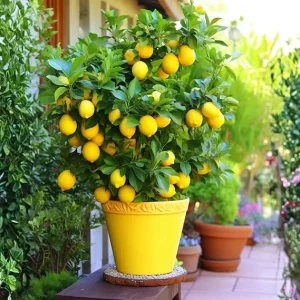
Lemon Tree Growing: Choose, Plant, and Harvest
Learn how to choose, plant, feed, and protect a lemon tree so it fits your
23
Sep
Sep
Dwarf Meyer Lemon Tree Australia: Climate Guide
Learn where dwarf Meyer lemon trees grow, how much cold they tolerate, and whether Australia,
Where to Buy a Dwarf Meyer Lemon Tree: Buyer’s Guide
Find the right dwarf Meyer lemon tree online or locally, compare starter sizes and costs,
Dwarf Meyer Lemon Tree for Sale: Buying Guide
Compare Meyer lemon tree sizes, prices, shipping limits, indoor growing and California options before you
Dwarf Meyer Lemon Tree Guide: Size, Care and Fruit
META: Learn how large a dwarf Meyer lemon tree grows, where it thrives, and how
How to Prune a Dwarf Meyer Lemon Tree
Learn when and how to prune a dwarf Meyer lemon tree, including tools, shaping cuts,
Can You Grow a Dwarf Meyer Lemon Tree in a Pot?
META: Learn how to grow a dwarf Meyer lemon tree in a pot, including container
When Do Dwarf Meyer Lemon Trees Bloom and Fruit?
META: Dwarf Meyer lemon trees usually bloom from winter through spring and may flower again