Pear Tree Live Plant – Assorted Varieties, 2-10 Inches Tall, Outdoor Fruit Tree
-50%

Pear Tree Live Plant – Assorted Varieties, 2-10 Inches Tall, Outdoor Fruit Tree
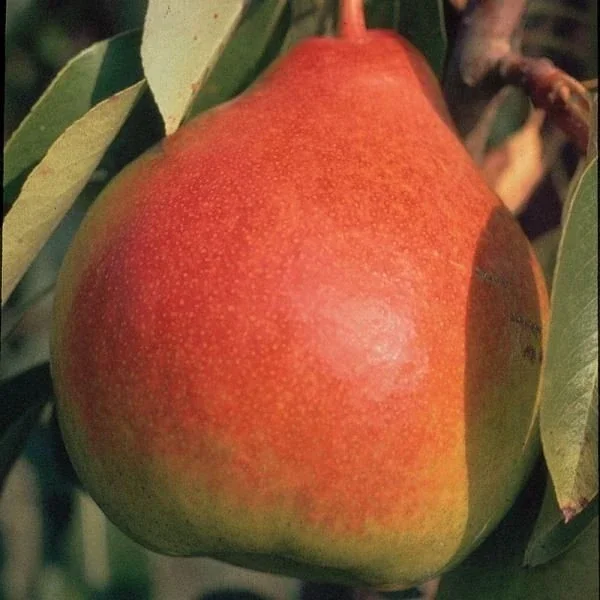
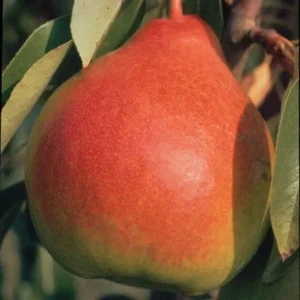
Cultivate your own orchard with a pear tree live plant. These young fruit trees, ranging from 2 to 10 inches tall, offer a selection of pear tree varieties suitable for outdoor planting. Enjoy fresh, home-grown fruit for years to come.
Original price was: $51.00.$25.50Current price is: $25.50.

With our Alive & Thrive Guarantee, we’ve got your back for the first 30 days! If you have any concerns about your plants, just reach out to us. Our team is here to help answer your questions and guide you in selecting the best plants for your garden, climate, and unique preferences. We're excited to help you create the garden of your dreams!
Estimated arrival
Mar 11
Mar 16 - Mar 18
Mar 21 - Mar 25
Product Details
-
USDA Hardiness Zone
5-9 -
Soil type
Well-draining loamy soil -
Sunlight Exposure
Full sun -
Expected Planting Period
Spring to early summer
Overview
Embark on the rewarding journey of growing your own fruit with a pear tree live plant. These young trees are available in various types, offering a delightful selection for your home orchard. Standing between 2 and 10 inches tall, these deciduous fruit trees are ready to be planted and nurtured into productive, fruit-bearing specimens. Pears are not only delicious but also add significant aesthetic value to any garden or landscape. Our collection includes diverse pear tree varieties, ensuring you can find the perfect fit for your climate and taste preferences. These plants are carefully grown to provide a strong start for healthy growth and abundant harvests, allowing you to grow pear tree with confidence.
Pears (Genus: Pyrus) are known for their sweet, juicy, and often aromatic fruit. They are a staple in many home gardens and commercial orchards alike, appreciated for their versatility in culinary uses, from fresh eating to baking and preserving. Investing in a young pear tree live plant is a step towards sustainable gardening and enjoying fresh, organic fruit right from your backyard. With proper care, these trees will mature to provide a bountiful harvest season after season, making them an excellent long-term addition to your outdoor space.
Key Benefits
Cultivating a pear tree live plant offers numerous advantages, enhancing both your garden and your lifestyle. These trees provide a beautiful focal point while yielding delicious fruit.
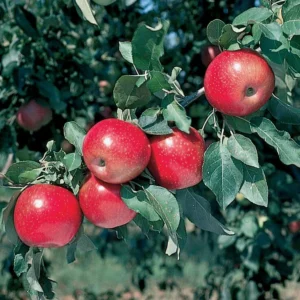
- Fresh, Homegrown Fruit: Enjoy the unparalleled taste of fresh, ripe pears picked directly from your own fruit tree outdoor. You control the growing conditions, ensuring a healthy and chemical-free harvest.
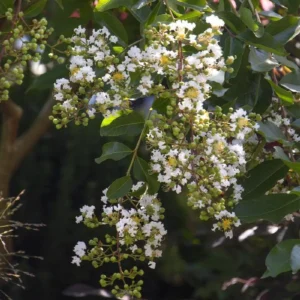
- Beautiful Landscape Addition: Pear trees are attractive ornamental plants with lovely spring blossoms and lush green foliage, adding beauty to your yard throughout the seasons. As a deciduous fruit tree, it also offers seasonal interest with changing leaf colors.
- Diverse Varieties: Explore various pear tree varieties, each with unique flavors, textures, and ripening times, allowing you to extend your harvest season and enjoy different types of pears.
- Long-Term Investment: A well-cared-for pear tree can produce fruit for many decades, providing a sustainable and rewarding source of food for your family.
- Educational Experience: Growing fruit trees can be a fantastic educational experience for children and adults alike, teaching about plant life cycles, cultivation, and the value of fresh produce.
- Wildlife Attraction: The blossoms can attract pollinators like bees, contributing to a healthier local ecosystem, while the fruit, if left unpicked, can provide food for local wildlife.
- Improved Air Quality: Like all trees, pear trees help to improve air quality by absorbing carbon dioxide and releasing oxygen, contributing to a healthier environment.
Plant Care & Growing Tips
To successfully grow pear tree, understanding its specific care requirements is crucial. Pear trees thrive in a location that receives ample sunlight. They require at least 6-8 hours of direct sunlight daily for optimal fruit production. Choose a spot in your garden that is open and not shaded by buildings or larger trees. Good air circulation is also important to prevent fungal diseases. When considering a pear tree live plant, proper site selection is the first step towards a healthy and productive tree.
Pear trees prefer well-draining soil with a pH between 6.0 and 7.0. While they can tolerate a range of soil types, loamy soil enriched with organic matter is ideal. Avoid planting in heavy clay or sandy soils without amendment, as poor drainage can lead to root rot. Regular watering is essential, especially during the tree’s establishment period and dry spells. Aim for consistent moisture, but do not let the soil become waterlogged. Fertilize your young pear tree in early spring with a balanced fruit tree fertilizer, following package directions. Pruning is also vital for shaping the tree, promoting strong branch structure, and encouraging fruit production. Remove any dead, diseased, or crossing branches, and thin out overcrowded areas to improve light penetration and air circulation. These practices will help your fruit tree outdoor thrive.
These deciduous fruit tree varieties are generally hardy in USDA Zones 5-9, though specific hardiness can vary by cultivar. They require a certain number of chill hours (hours below 45°F/7°C) to produce fruit, so choose a variety suited to your local climate. Protect young trees from extreme cold with mulching around the base. Watch for common pests like codling moths, pear psylla, and diseases such as fire blight. Integrated pest management techniques, including regular inspection, proper sanitation, and appropriate treatments, can help maintain tree health. Early detection and intervention are key to managing any issues effectively, ensuring your pear tree continues to flourish.
Size & Details
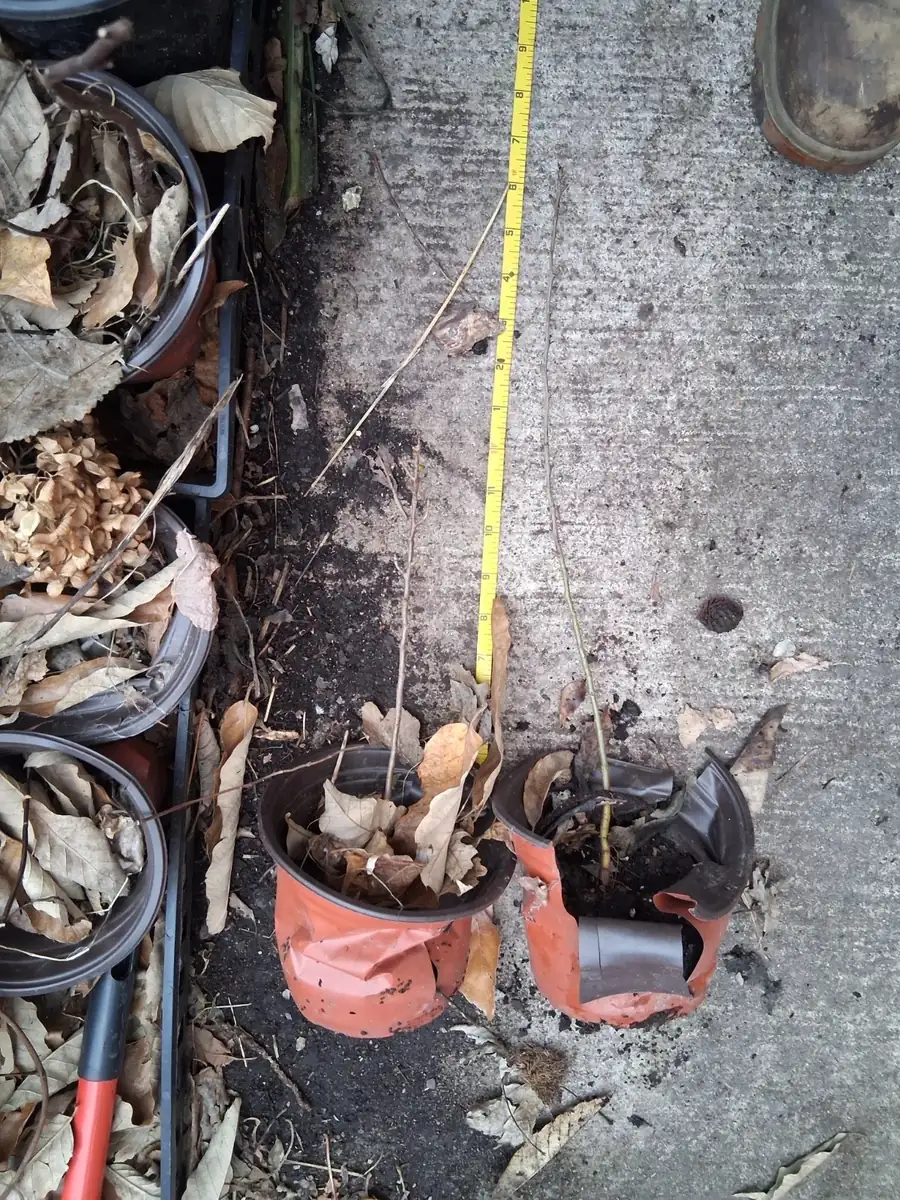
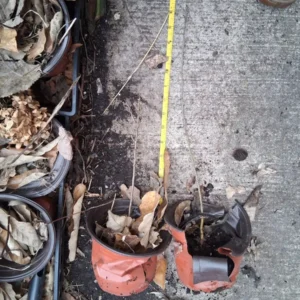
This offering features a young pear tree live plant, carefully cultivated to ensure a strong start for your home orchard. The plants typically range from 2 to 10 inches tall upon arrival, making them ideal for shipping and easy transplanting. They are shipped in a dormant or semi-dormant state, depending on the season, ensuring minimal stress during transit and facilitating successful establishment in your garden. These young trees are typically grown from seed or grafted, offering a selection of robust pear tree varieties. While initial growth may seem slow, pear trees are known for their steady development into mature, fruit-bearing specimens.
Expected time to first fruit production can vary, but most pear trees begin bearing fruit within 3-7 years after planting, depending on the variety and growing conditions. The mature size of a pear tree can range from 15 to 30 feet tall and wide, though dwarf and semi-dwarf options are available for smaller spaces. These plants are provided as bare-root or in small nursery pots, ready for immediate planting upon arrival. With proper care, you can look forward to many years of delicious fruit from your new deciduous fruit tree.
Frequently Asked Questions
- Q: How big does this pear tree live plant get? A: This pear tree live plant is between 2 to 10 inches tall upon arrival. Mature pear trees typically grow 15 to 30 feet tall and wide, depending on the variety and rootstock.
- Q: Is this an indoor or outdoor plant? A: Pear trees are outdoor fruit trees. They require significant sunlight and space to grow and produce fruit, making them unsuitable for indoor cultivation.
- Q: How much sunlight does a pear tree need? A: For optimal growth and fruit production, your fruit tree outdoor needs at least 6-8 hours of direct sunlight per day.
- Q: What condition will the pear tree arrive in? A: The pear tree will arrive as a young live plant, typically 2-10 inches tall. It may be shipped bare-root or in a small nursery pot, depending on the season and supplier.
- Q: Is this pear tree suitable for beginners? A: Yes, with basic gardening knowledge and consistent care, growing a pear tree live plant can be a rewarding experience for beginners. Following the provided care instructions will help ensure success.
- Q: How long until this pear tree produces fruit? A: Most pear tree varieties begin producing fruit within 3-7 years after planting, depending on the specific variety and growing conditions.
- Q: What USDA Hardiness Zones are suitable for pear trees? A: Most pear trees thrive in USDA Hardiness Zones 5-9. It’s important to select a variety that is well-suited to your specific local climate and chill hour requirements to successfully grow pear tree.
- Q: What kind of soil is best for a pear tree? A: Pear trees prefer well-draining, loamy soil with a pH between 6.0 and 7.0. Amending heavy clay or sandy soils with organic matter can improve their suitability.
- Q: Can I grow multiple pear tree varieties together? A: Yes, growing different pear tree varieties can be beneficial for cross-pollination, which often leads to better fruit set and yield. Check specific varieties for their pollination requirements.
- Q: Is this a deciduous fruit tree? A: Yes, pear trees are deciduous fruit tree species, meaning they will lose their leaves in the fall and go dormant over winter before leafing out again in the spring.
Related products
-50%
Original price was: $73.98.$36.99Current price is: $36.99.
-10%
Original price was: $36.99.$33.29Current price is: $33.29.
PLANTING & CARE

The Comprehensive Guide to Growing Bay Leaf Plants for a Flavorful Garden
Imagine stepping into your garden, greeted by the earthy aroma of fresh bay leaves, their
09
Feb
Feb

How to Make Comfrey Tea: The Ultimate Organic Plant Food
Growing an organic garden can be surprisingly expensive, especially when most store-bought fertilizers come in
02
Feb
Feb

True Comfrey: 7 Essential Tips Before You Plant This Herb
A staple in permaculture practices across the US, True Comfrey easily earns its reputation as
27
Jan
Jan

7 Heart-Shaped Plants for a Lasting Valentine’s Gift
If you’ve ever bought a bouquet of roses for Valentine’s Day, you know they are
26
Jan
Jan

Best Types of Ivy Plant for Houses: How to Choose the Perfect Ones for Your Home
Are you a garden lover looking to introduce some greenery into your home? Maybe you’ve
14
Nov
Nov

When to Harvest Garlic (Especially Fall-Planted Garlic)
TIMING IS EVERYTHING, they say – and for garlic, that truth hits with surprising accuracy.
13
Nov
Nov

11 of the Best Sweet Potato Varieties to Grow for Your Garden
If you’ve ever tried growing sweet potatoes, you know that picking the right variety can
12
Nov
Nov
Pruning Bougainvillea for Winter
Bougainvillea vines are known for their dazzling display of magenta, orange, and fuchsia bracts that
05
Nov
Nov