Fuji Apple Tree – Red Rooted Live Plant – Up to 2.5 Ft Tall – Outdoor Edible
-50%
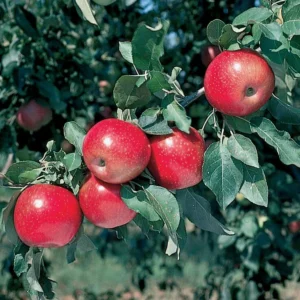
Fuji Apple Tree – Red Rooted Live Plant – Up to 2.5 Ft Tall – Outdoor Edible
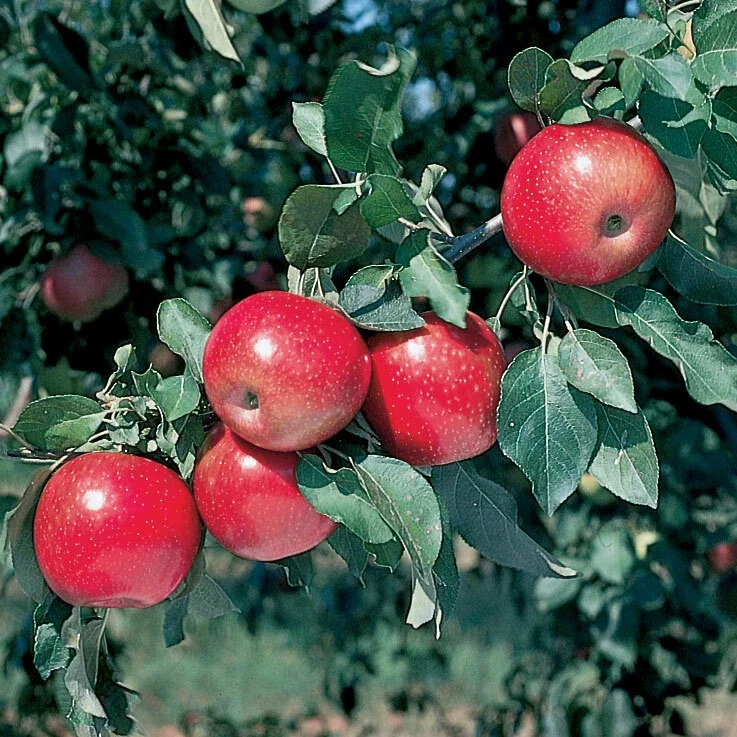
Cultivate your own delicious Fuji Apple Tree with this healthy, rooted live plant. Growing up to 2.5 feet tall, this red apple fruit tree is ideal for home gardens and provides sweet, crisp fruit. Enjoy fresh, homegrown apples directly from your backyard.
Original price was: $141.98.$70.99Current price is: $70.99.

With our Alive & Thrive Guarantee, we’ve got your back for the first 30 days! If you have any concerns about your plants, just reach out to us. Our team is here to help answer your questions and guide you in selecting the best plants for your garden, climate, and unique preferences. We're excited to help you create the garden of your dreams!
Estimated arrival
Mar 11
Mar 16 - Mar 18
Mar 21 - Mar 25
Product Details
-
USDA Hardiness Zone
USDA Zones 4-8 -
Soil type
Well-draining loamy soil -
Sunlight Exposure
Full sun (6-8+ hours daily) -
Expected Planting Period
Early spring or late fall
Overview
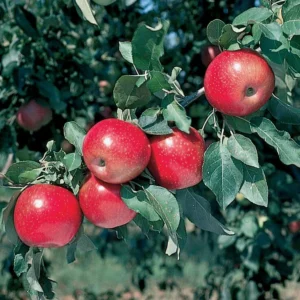
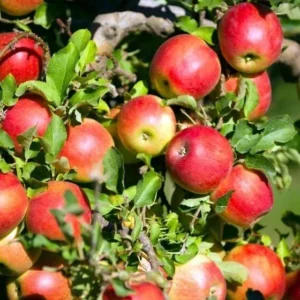
Bring the joy of fresh, homegrown fruit to your garden with a Fuji Apple Tree. This offering is for a healthy, rooted live plant, ready to thrive in your outdoor space. Known scientifically as Malus domestica ‘Fuji’, the Fuji apple is celebrated worldwide for its exceptionally sweet flavor, crisp texture, and beautiful red-blushed skin. Originating in Japan, this apple variety has become a favorite for eating fresh, baking, and making cider. Our live apple tree is carefully nurtured to ensure it arrives in excellent condition, prepared to establish itself and begin its journey towards producing abundant harvests. Growing up to 2.5 feet tall, it’s an excellent choice for gardeners looking for a manageable yet productive fruit tree.
The Fuji Apple Tree is a deciduous fruit tree that offers not only delicious fruit but also ornamental value with its spring blossoms and attractive foliage. Planting your own Fuji Apple Tree allows you to enjoy the satisfaction of harvesting fresh, organic apples right from your backyard, connecting you directly to nature’s bounty. This particular specimen is a red apple fruit tree, ensuring the classic vibrant color associated with this beloved variety. It’s a fantastic addition for both experienced orchardists and novice gardeners eager to grow their own food.
Key Benefits
Investing in a Fuji Apple Tree offers a wealth of benefits beyond just fresh fruit. Here are some compelling reasons to add this outstanding fruit tree to your landscape:
- Delicious & Nutritious Fruit: The primary benefit is, of course, the incredibly sweet, crisp, and juicy Fuji apples. These apples are perfect for snacking, baking, and juicing, providing a healthy and flavorful addition to your diet. Growing your own ensures pesticide-free produce.
- Beautiful Ornamental Value: In spring, the Fuji Apple Tree bursts with delicate white to pink blossoms, adding stunning visual appeal to your garden. These flowers eventually give way to the developing fruit, offering beauty throughout the growing season.
- Home Orchard Potential: Even at 2.5 feet tall, this rooted plant is the beginning of your very own home orchard. With proper care, it will mature into a productive live apple tree, providing years of harvests.
- Satisfaction of Homegrown Produce: There’s immense satisfaction in picking fruit directly from your own tree. You control the growing conditions and can enjoy apples at their peak freshness, unlike store-bought varieties.
- Attracts Pollinators: The beautiful spring blossoms attract beneficial pollinators like bees to your garden, contributing to a healthier ecosystem and improving fruit set on other plants.
- Cold Resistant & Deciduous: This Fuji Apple Tree is cold resistant and deciduous, meaning it will shed its leaves in winter and enter dormancy, a natural cycle that helps it survive colder climates and ensures robust growth in spring.
- Edible & Safe: The fruit is edible, and the plant itself is considered child-safe and pet-safe, making it a wonderful addition to family gardens.
Plant Care & Growing Tips
Caring for your Fuji Apple Tree involves understanding its basic needs to ensure healthy growth and abundant fruit production. Apple trees generally thrive with consistent care, and a little attention will go a long way. This live apple tree prefers a climate that experiences cold winters for proper dormancy, which is crucial for fruit development. Ensure you choose a suitable location in your garden for optimal growth.
Sunlight Requirements
A Fuji Apple Tree requires full sun exposure, meaning at least 6-8 hours of direct sunlight per day. This is critical for photosynthesis, fruit ripening, and overall tree health. Plant your dwarf apple tree in an open area away from tall buildings or large trees that might cast excessive shade. Good air circulation is also important to prevent fungal diseases, so avoid planting in overly crowded areas.
Watering Schedule & Soil Moisture
While establishing, your Fuji Apple Tree will need regular watering to keep the soil consistently moist but not waterlogged. Once established, apple trees are somewhat drought-tolerant but will benefit from deep watering during dry spells, especially when fruit is developing. The soil should be well-draining to prevent root rot. Check soil moisture by sticking your finger about 2 inches deep; if it feels dry, it’s time to water.
Soil Type & Drainage
Apple trees prefer well-draining, fertile loamy soil with a pH between 6.0 and 7.0. Amending heavy clay soils with organic matter like compost can improve drainage and provide essential nutrients. For sandy soils, compost will help retain moisture and nutrients. Proper drainage is paramount; standing water around the roots can quickly lead to problems.
Temperature Range & USDA Hardiness Zone
The Fuji Apple Tree is known for its cold hardiness. It typically thrives in USDA Hardiness Zones 4-8. It requires a certain number of chill hours (hours below 45°F/7°C) during winter dormancy to set fruit properly in the spring. Protect young trees from extreme winter winds. While this particular red apple fruit tree is cold resistant, extreme prolonged freezes can still damage very young or unprotected plants.
Fertilization Schedule
Fertilize your young Fuji Apple Tree in early spring before new growth begins, and again in early summer. Use a balanced fertilizer specifically formulated for fruit trees, or a slow-release granular fertilizer. Follow product instructions carefully to avoid over-fertilization, which can burn roots. Established trees may need less frequent fertilization, depending on soil quality and growth vigor.
Common Problems & Solutions
Watch out for common apple tree pests like aphids, codling moths, and apple maggots, and diseases such as apple scab and powdery mildew. Regular inspection can help catch issues early. Organic pest control methods like neem oil or insecticidal soap can be effective. Prune annually in late winter to remove dead or diseased branches, improve air circulation, and shape the tree for better fruit production. This also helps with the overall health of your Malus domestica.
Size & Details
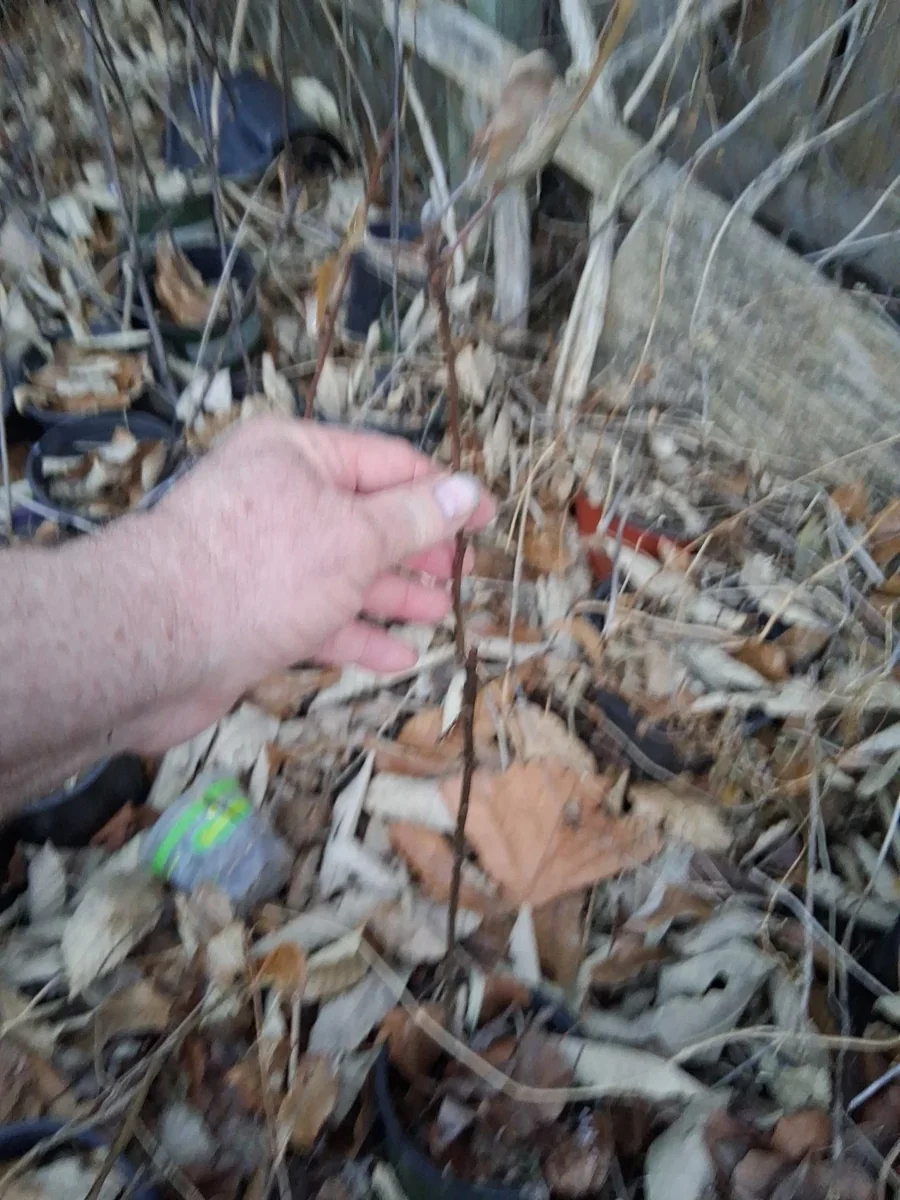
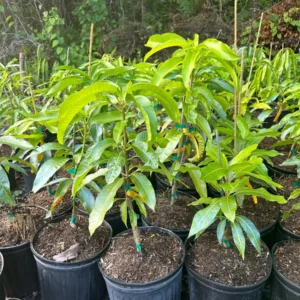
This Fuji Apple Tree is offered as a rooted live plant, standing up to 2.5 feet tall. It is a young, vigorous specimen, perfect for planting directly into your garden or a large container. The plant is deciduous and typically ships in a dormant or budding stage, depending on the season, ensuring it adapts well to its new environment. With proper care, this red apple fruit tree will grow to a mature height suitable for a home orchard, often reaching 10-15 feet, though dwarf varieties can be smaller. Expect your tree to begin producing fruit within 3-5 years after planting, with yields increasing as the tree matures. Its broadleaf foliage provides a lush green appearance throughout the warmer months. This particular plant is considered a dwarf apple tree, making it easier to manage and harvest from.
Frequently Asked Questions
- Q: How big does this Fuji Apple Tree get? A: This rooted live plant is currently up to 2.5 feet tall. With proper care, a mature Fuji Apple Tree can reach heights of 10-15 feet, although you can maintain a smaller size through regular pruning. It’s considered a dwarf apple tree variety, making it manageable for most home gardens.
- Q: Is this an indoor or outdoor plant? A: The Fuji Apple Tree is an outdoor plant. It requires full sun and a period of cold dormancy during winter to produce fruit effectively. It is not suitable for long-term indoor cultivation.
- Q: How much sunlight does it need? A: Your Fuji Apple Tree needs at least 6-8 hours of direct sunlight per day. Choose a location in your garden that receives ample sun exposure throughout the day for the best fruit production.
- Q: Is this plant easy to care for? A: While not entirely hands-off, caring for a Fuji Apple Tree is manageable for most gardeners. It requires consistent watering, proper sunlight, annual pruning, and occasional fertilization. Beginners can succeed with a bit of research and dedication.
- Q: What condition will the live apple tree arrive in? A: Your live apple tree will arrive as a rooted plant, carefully packaged to protect it during transit. Depending on the season, it may be dormant (without leaves) or budding with new growth.
- Q: Can I use the red apple fruit tree for baking? A: Absolutely! Fuji apples are highly versatile and excellent for both fresh eating and baking. Their sweet flavor and firm texture hold up well in pies, crisps, and other desserts.
- Q: How long until it blooms and produces fruit? A: A young Fuji Apple Tree typically begins to bloom and produce fruit within 3-5 years after planting. Fruit production will increase as the tree matures, offering a rewarding long-term investment.
- Q: What’s the best time to plant a Fuji Apple Tree? A: The best time to plant bare-root apple trees is in early spring after the last frost, or in late fall after leaf drop. Potted trees can be planted throughout the growing season, though spring or fall are generally preferred for establishment.
- Q: Will it survive winter in my zone? A: This Fuji Apple Tree is cold resistant and hardy in USDA Zones 4-8. If you are within these zones, it should survive winter well, provided it has proper care and a good location.
- Q: Is this red apple fruit tree pet-safe? A: Yes, the Fuji Apple Tree is generally considered pet-safe. While large quantities of apple seeds contain a compound that can be harmful, the fruit itself and the plant are not toxic to pets in typical garden settings.
Related products
-10%
Original price was: $36.99.$33.29Current price is: $33.29.
PLANTING & CARE

The Comprehensive Guide to Growing Bay Leaf Plants for a Flavorful Garden
Imagine stepping into your garden, greeted by the earthy aroma of fresh bay leaves, their
09
Feb
Feb

How to Make Comfrey Tea: The Ultimate Organic Plant Food
Growing an organic garden can be surprisingly expensive, especially when most store-bought fertilizers come in
02
Feb
Feb

True Comfrey: 7 Essential Tips Before You Plant This Herb
A staple in permaculture practices across the US, True Comfrey easily earns its reputation as
27
Jan
Jan

7 Heart-Shaped Plants for a Lasting Valentine’s Gift
If you’ve ever bought a bouquet of roses for Valentine’s Day, you know they are
26
Jan
Jan

Best Types of Ivy Plant for Houses: How to Choose the Perfect Ones for Your Home
Are you a garden lover looking to introduce some greenery into your home? Maybe you’ve
14
Nov
Nov

When to Harvest Garlic (Especially Fall-Planted Garlic)
TIMING IS EVERYTHING, they say – and for garlic, that truth hits with surprising accuracy.
13
Nov
Nov

11 of the Best Sweet Potato Varieties to Grow for Your Garden
If you’ve ever tried growing sweet potatoes, you know that picking the right variety can
12
Nov
Nov
Pruning Bougainvillea for Winter
Bougainvillea vines are known for their dazzling display of magenta, orange, and fuchsia bracts that
05
Nov
Nov