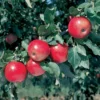
Pear Tree Live Plant – Multiple Varieties, Fruit Bearing, up to 2.5 ft Tall
-50%



Pear Tree Live Plant – Multiple Varieties, Fruit Bearing, up to 2.5 ft Tall
Cultivate your own orchard with a pear tree live plant. These fruit-bearing trees come in various types, growing up to 2.5 ft tall, offering fresh, delicious pears. Perfect for temperate climates and home gardens.
Original price was: $139.98.$69.99Current price is: $69.99.

With our Alive & Thrive Guarantee, we’ve got your back for the first 30 days! If you have any concerns about your plants, just reach out to us. Our team is here to help answer your questions and guide you in selecting the best plants for your garden, climate, and unique preferences. We're excited to help you create the garden of your dreams!
Estimated arrival
Mar 11
Mar 16 - Mar 18
Mar 21 - Mar 25
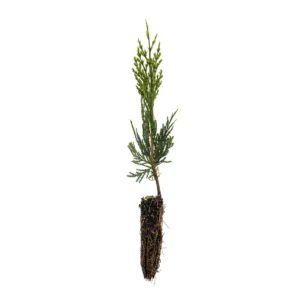
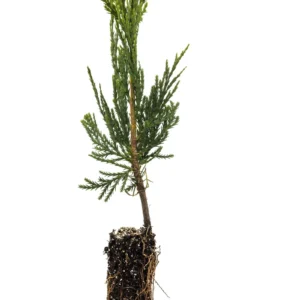
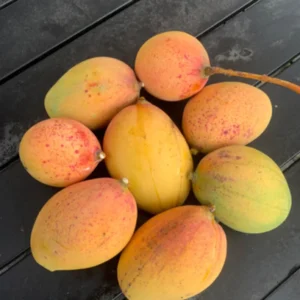
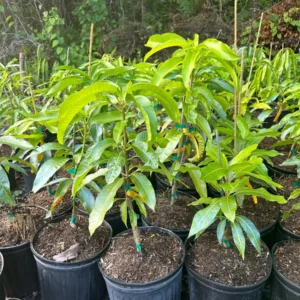
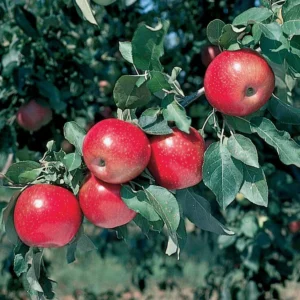

Product Details
-
USDA Hardiness Zone
5 (-20 to -10 °F) -
Soil type
Clay, Loam, Peat, Saline, Sand, Silt (well-draining preferred) -
Sunlight Exposure
Full Sun, Partial Shade -
Expected Planting Period
Early Spring or Late Fall
Overview
Bring the joy of home-grown fruit to your garden with a pear tree live plant. These versatile and rewarding trees offer the promise of sweet, juicy pears right from your backyard. We offer multiple varieties, each carefully cultivated to thrive and produce abundant fruit. Standing up to 2.5 feet tall, these young pear trees are at an ideal size for planting, ensuring a strong start for your future orchard. Whether you’re an experienced gardener or just beginning your journey into fruit cultivation, a pear tree live plant is a fantastic addition, providing both ornamental beauty and delicious harvests for years to come. These deciduous fruit trees are known for their beautiful spring blossoms and attractive foliage throughout the growing season.
Choosing the right fruit bearing pear tree can be a delightful experience. Our selection ensures you receive a healthy, established plant ready for transplanting. Pears are a popular choice for home growers due to their flavorful fruit and relatively straightforward care requirements. Imagine plucking a ripe pear directly from your own tree – a truly satisfying and fresh experience. Each plant is grown with careful attention to detail, promoting robust root development and healthy growth, setting you up for success in your gardening endeavors.
Key Benefits
Our pear tree live plant offers numerous advantages for any gardener looking to enhance their outdoor space and enjoy fresh produce:
- Homegrown Harvest: Enjoy the unparalleled taste of fresh, ripe pears picked directly from your own tree. Experience the satisfaction of cultivating your own fruit and knowing exactly where your food comes from.
- Ornamental Appeal: Beyond their delicious fruit, pear trees provide beautiful white blossoms in spring, offering a stunning visual display that enhances any garden or landscape design. Their attractive foliage adds year-round interest.
- Versatile Varieties: With different types available, you can choose a pear tree that best suits your taste preferences and local climate, ensuring successful growth and a bountiful harvest.
- Long-Term Investment: A well-cared-for fruit bearing pear tree can provide delicious fruit for many decades, becoming a cherished part of your garden and a legacy for future generations.
- Healthy Addition: Pears are packed with fiber, vitamins, and antioxidants, making them a healthy and delicious snack. Growing your own ensures you have access to fresh, nutritious fruit.
- Adaptable Growth: These pear trees are suitable for a range of climates, from cold to tropical, and can be grown both indoors (with proper care and space) or outdoors in a variety of soil types.
- Wildlife Attraction: The blossoms and fruit can attract beneficial pollinators and local wildlife, contributing to a healthy and vibrant ecosystem in your garden.
Plant Care & Growing Tips
Successful growing pear trees requires attention to a few key factors to ensure a healthy and productive plant. Pear trees thrive in full sun, meaning they need at least 6-8 hours of direct sunlight per day. If you are in a very hot climate, some partial afternoon shade can be beneficial to prevent scorching. For indoor cultivation, a bright, south-facing window or supplemental grow lights are essential.
Watering is crucial, especially during the tree’s establishment phase and dry spells. Aim for consistently moist, but not waterlogged, soil. Check the soil moisture regularly by sticking your finger about an inch or two deep; if it feels dry, it’s time to water. Reduce watering in fall and winter when the tree is dormant. The ideal soil for pear tree care is well-draining loam, but these trees are adaptable to clay, peat, saline, sand, and silt soils. Good drainage is paramount to prevent root rot. Fertilize in early spring with a balanced fruit tree fertilizer, following package instructions. Pruning is also an important aspect of care, typically done in late winter to shape the tree, remove dead or diseased branches, and encourage fruit production.
These pear trees are cold hardy, generally thriving in USDA Hardiness Zone 5 (-20 to -10 °F), making them suitable for many temperate regions. They are deciduous, meaning they will lose their leaves in the fall and winter, entering a dormant period. This natural cycle is essential for their health and fruit production. Protect young trees from extreme cold and pests as needed. Proper air circulation is also important to prevent fungal diseases. With consistent pear tree care, your plant will establish quickly and begin to yield delicious fruit.
Size & Details
Each pear tree live plant is supplied as a well-rooted specimen, typically reaching a height of up to 2.5 feet tall upon arrival, providing a substantial start for your garden. The exact height may vary slightly depending on the specific variety and growing conditions, but all are robust and ready for planting. These trees are fruit-bearing types, meaning they are cultivated to produce pears once mature enough. They are generally shipped as live plants, ready to be transplanted into your desired location, whether that’s a larger pot or directly into the ground.
While the initial growth stage is ‘Flowering’, expect the tree to progress through its natural growth cycle, eventually producing fruit. Pear trees are known for their moderate growth rate, and with proper care, you can anticipate fruit production within a few years. The trees are designed for both indoor and outdoor environments, though outdoor planting is generally recommended for optimal fruit yield. They feature broadleaf foliage and are cold resistant, making them a resilient choice for various climates.
Frequently Asked Questions
- Q: How big does this pear tree get at maturity? A: While this pear tree live plant arrives up to 2.5 ft tall, mature pear trees can vary greatly in size depending on the specific variety and rootstock. Many standard pear trees can reach 20-30 feet tall, while dwarf varieties may only grow 8-10 feet. It’s best to research the mature size of the specific type you receive.
- Q: Is this an indoor or outdoor plant? A: Pear trees are primarily outdoor plants, thriving best when planted in the ground where they can establish extensive root systems. However, young trees can be grown indoors in large containers for a period, provided they receive ample sunlight and proper care, though fruit production may be limited.
- Q: How much sunlight does a pear tree need? A: For optimal growth and fruit production, a fruit bearing pear tree requires full sun, which means at least 6-8 hours of direct, unfiltered sunlight per day. Insufficient light can lead to poor growth and reduced fruit yield.
- Q: Is this pear tree easy to care for? A: Pear trees are considered moderately easy to care for, especially once established. Key aspects of pear tree care include proper watering, annual fertilization, and regular pruning. Beginners can successfully grow pear trees with a little research and consistent attention.
- Q: What condition will the pear tree arrive in? A: Your pear tree live plant will arrive as a healthy, well-rooted specimen, carefully packaged to ensure its safety during transit. It will be ready for immediate planting and establishment in your garden or a larger pot.
- Q: When is the best time to plant this pear tree? A: The best time for growing pear trees is typically in early spring or late fall when the tree is dormant. This allows the tree to establish its root system before the stress of summer heat or winter cold.
- Q: Will this pear tree survive winter in my zone? A: This pear tree is rated for USDA Hardiness Zone 5, meaning it can tolerate winter temperatures down to -10 to -20 °F. If your region falls within or above this zone, the tree is likely to survive winter outdoors. Always confirm your specific hardiness zone.
- Q: Do I need more than one pear tree for fruit production? A: Many pear varieties require cross-pollination to produce fruit, meaning you’ll need at least two different compatible varieties planted nearby. Some varieties are self-fertile but often yield more fruit with a pollinator.
- Q: What type of soil is best for growing pear trees? A: Pear trees prefer deep, fertile, well-draining soil with a pH between 6.0 and 7.0. While adaptable to various soil types, ensuring good drainage is the most critical factor to prevent root issues.
- Q: What are the benefits of growing your own deciduous fruit tree? A: Growing your own deciduous fruit tree like a pear provides fresh, organic fruit, enhances your landscape with seasonal beauty, attracts beneficial wildlife, and offers a rewarding gardening experience.
Related products

PLANTING & CARE

The Comprehensive Guide to Growing Bay Leaf Plants for a Flavorful Garden
Imagine stepping into your garden, greeted by the earthy aroma of fresh bay leaves, their
09
Feb
Feb

How to Make Comfrey Tea: The Ultimate Organic Plant Food
Growing an organic garden can be surprisingly expensive, especially when most store-bought fertilizers come in
02
Feb
Feb

True Comfrey: 7 Essential Tips Before You Plant This Herb
A staple in permaculture practices across the US, True Comfrey easily earns its reputation as
27
Jan
Jan

7 Heart-Shaped Plants for a Lasting Valentine’s Gift
If you’ve ever bought a bouquet of roses for Valentine’s Day, you know they are
26
Jan
Jan

Best Types of Ivy Plant for Houses: How to Choose the Perfect Ones for Your Home
Are you a garden lover looking to introduce some greenery into your home? Maybe you’ve
14
Nov
Nov

When to Harvest Garlic (Especially Fall-Planted Garlic)
TIMING IS EVERYTHING, they say – and for garlic, that truth hits with surprising accuracy.
13
Nov
Nov

11 of the Best Sweet Potato Varieties to Grow for Your Garden
If you’ve ever tried growing sweet potatoes, you know that picking the right variety can
12
Nov
Nov
Pruning Bougainvillea for Winter
Bougainvillea vines are known for their dazzling display of magenta, orange, and fuchsia bracts that
05
Nov
Nov