2 Sugar Maple Tree Bare-root – Acer saccharum Live Plant Outdoor – 60-75 ft
2 Sugar Maple Tree Bare-root – Acer saccharum Live Plant Outdoor – 60-75 ft
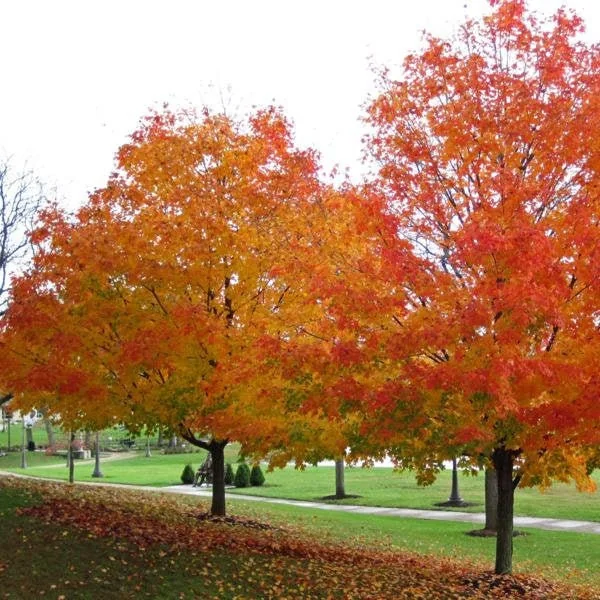
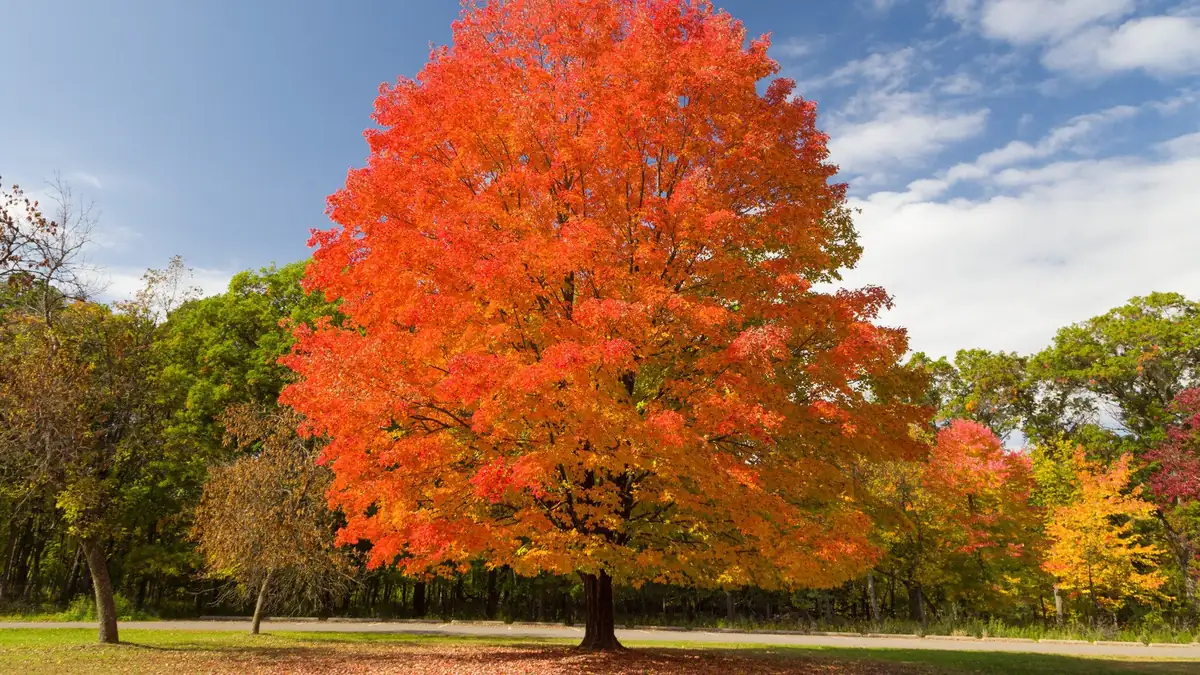
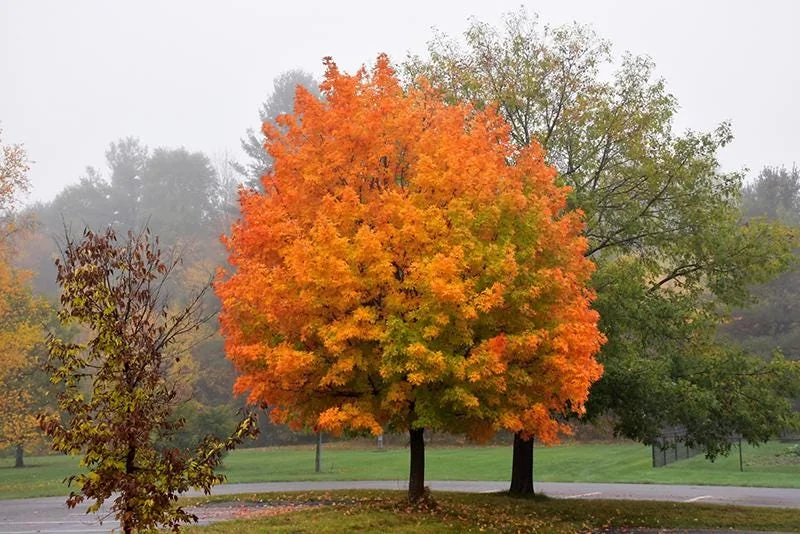
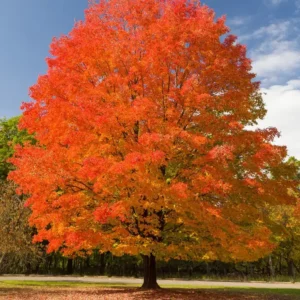
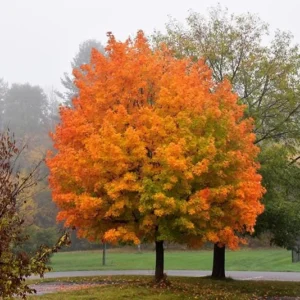
Bring iconic North American beauty to your garden with this 2-pack of sugar maple bare-root trees. Known for their spectacular red, yellow, and orange fall foliage, these acer saccharum tree specimens mature into majestic shade trees, reaching 60-75 ft. Ideal for creating a stunning autumn display and providing ample shade.
From $75.96

With our Alive & Thrive Guarantee, we’ve got your back for the first 30 days! If you have any concerns about your plants, just reach out to us. Our team is here to help answer your questions and guide you in selecting the best plants for your garden, climate, and unique preferences. We're excited to help you create the garden of your dreams!
Estimated arrival
Mar 12
Mar 17 - Mar 19
Mar 22 - Mar 26
Product Details
-
USDA Hardiness Zone
USDA Zones 3-8 -
Soil type
Well-draining, moist, slightly acidic to neutral loam -
Sunlight Exposure
Full sun to partial shade -
Expected Planting Period
Early spring or late fall
Overview
Transform your outdoor space with the timeless elegance of a sugar maple bare-root tree. This offering includes two bare-root specimens of Acer saccharum, renowned for its striking beauty and ecological value. The sugar maple bare-root is a highly sought-after deciduous tree, celebrated for its dense, rounded crown and its spectacular display of autumn colors, ranging from brilliant reds and oranges to vibrant yellows. These trees are delivered in a bare-root state, which is an economical and effective way to establish new trees in your landscape. The Sugar Maple is not just a visual delight but also a symbol of Canadian heritage and a source of delicious maple syrup, making it a truly versatile and cherished addition to any large garden or property. Its robust nature and impressive size make it an excellent choice for those seeking a long-term landscape investment.
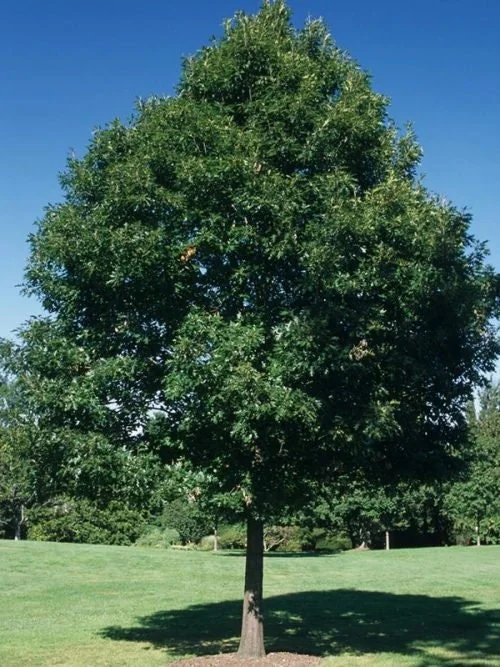
The acer saccharum tree is a native North American species, widely recognized for its strong, central trunk and wide-spreading branches that create a magnificent silhouette. In its youth, the bark is smooth, gradually developing a distinctive shaggy texture with age, adding character to the mature tree. Beyond its aesthetic appeal, the Sugar Maple plays a vital role in ecosystems, providing habitat and sustenance for various wildlife. It’s also known for its strong, durable wood, highly valued in furniture making and flooring. Planting these bare-root trees offers an opportunity to cultivate a piece of natural heritage, promising years of beauty and benefit.
Key Benefits
Choosing a sugar maple bare-root for your landscape offers a multitude of advantages, enhancing both the beauty and functionality of your property. These trees provide significant environmental and aesthetic benefits that make them an excellent investment.
- Spectacular Fall Foliage: Experience an unparalleled autumn display with leaves transforming into brilliant shades of red, yellow, and orange. This vibrant seasonal show makes the sugar maple fall color a highlight in any garden.
- Excellent Shade Tree: With its large, dense crown, the Sugar Maple provides extensive shade, helping to cool your home and outdoor living areas during warm months, reducing energy costs.
- Durable Hardwood Source: The wood of the acer saccharum tree is highly prized for its strength and beauty, commonly used for furniture, flooring, and veneer, including special grain patterns like ‘bird’s eye’ and ‘fiddleback’ maple.
- Maple Syrup Production: For those interested in self-sufficiency, mature Sugar Maples can be tapped for their sap, which can be boiled down to produce authentic maple syrup and sugar. This makes it an ideal maple tree for syrup production.
- Wildlife Habitat: These trees offer essential food and shelter for various wildlife, contributing to local biodiversity and creating a thriving ecosystem in your garden.
- Long-Term Landscape Investment: A mature Sugar Maple adds significant value and appeal to your property, growing into a stately and impressive specimen that stands the test of time.
- Iconic North American Tree: Planting a Sugar Maple connects you to a rich natural heritage, as it is Canada’s national tree and a beloved species across North America. It truly is a magnificent large shade tree.
Plant Care & Growing Tips
Caring for your sugar maple bare-root trees properly will ensure they establish well and thrive for many years. These adaptable trees are relatively low-maintenance once established, but initial care is crucial for success. The Sugar Maple prefers a site with full sun to partial shade, meaning it should receive at least 4-6 hours of direct sunlight daily for optimal growth and the most vibrant fall colors. While it can tolerate some shade, too much will reduce its vigor and the intensity of its autumn display. Ensure the planting location has good air circulation to prevent fungal issues.
The ideal soil for an acer saccharum tree is well-draining, moist, and slightly acidic to neutral (pH 5.5-7.3). Loamy soils with good organic matter content are preferred. Avoid heavy clay soils that retain too much water or sandy soils that drain too quickly. When planting your sugar maple bare-root, dig a hole twice as wide as the root spread and just deep enough so the root collar (where the roots meet the trunk) is at or slightly above ground level. Spread the roots out carefully in the hole. Water thoroughly after planting and maintain consistent moisture, especially during the first few growing seasons, to encourage a strong root system. Mulching around the base of the tree with 2-4 inches of organic material will help retain soil moisture, regulate soil temperature, and suppress weeds. Protect young trees from deer and other pests if necessary. While generally robust, the Sugar Maple is susceptible to salt, so avoid planting it in areas prone to road salt spray.
Fertilization is generally not needed for newly planted bare-root trees unless soil tests indicate a deficiency. Once established, a balanced, slow-release tree fertilizer can be applied in early spring if growth appears slow. Pruning should be done in late winter or early spring before new growth begins, focusing on removing dead, damaged, or crossing branches to maintain a strong structure. The sugar maple fall color is best when the tree is healthy and unstressed. Regular monitoring for common pests like aphids or diseases like powdery mildew will help keep your tree vigorous. With proper care, your large shade tree will become a magnificent specimen, providing beauty and shade for generations.
Size & Details
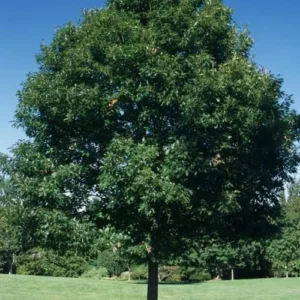
This offering includes two sugar maple bare-root trees, ready for planting to establish in your landscape. As a majestic large shade tree, the Sugar Maple (Acer saccharum) is known for its impressive mature size. In landscape settings, these trees typically reach a height of 60-75 feet, with a spread of 40-50 feet, forming a broad, rounded, and dense crown. In their natural wild habitats, they can grow significantly taller. The growth rate is moderate, allowing for a steady development into a stately specimen. These bare-root trees are shipped dormant, without soil, making them lightweight and easy to handle for planting in early spring or late fall.
The bare-root format allows for quick establishment as the roots immediately begin to search for nutrients and moisture in the surrounding soil. Expect to see initial growth in the first season, with substantial development over the subsequent years. The iconic sugar maple fall color will become more pronounced as the tree matures and its canopy expands. This acer saccharum tree is a long-lived species, providing generations of enjoyment and ecological benefits to your property.
Frequently Asked Questions
- Q: How big will this Sugar Maple tree get? A: A: In a typical landscape setting, a sugar maple bare-root tree can reach a mature height of 60-75 feet with a spread of 40-50 feet, forming a large, dense crown. It’s truly a large shade tree.
- Q: Is this an indoor or outdoor plant? A: The Sugar Maple (Acer saccharum) is strictly an outdoor tree, requiring ample space and natural conditions to thrive. It is not suitable for indoor cultivation.
- Q: How much sunlight does a Sugar Maple need? A: This tree prefers full sun to partial shade, ideally receiving at least 4-6 hours of direct sunlight daily for optimal growth and the most vibrant sugar maple fall color.
- Q: When is the best time to plant a bare-root Sugar Maple? A: Bare-root Sugar Maples are best planted in early spring before leaf-out or in late fall after dormancy has set in, as long as the ground is not frozen.
- Q: What condition will the bare-root trees arrive in? A: Your sugar maple bare-root trees will arrive dormant, with their roots carefully packaged to maintain moisture during transit. They will have no leaves, as is typical for bare-root plants.
- Q: Can I tap this maple tree for syrup? A: Yes, once your acer saccharum tree reaches a sufficient size and maturity (typically around 10-12 inches in diameter), it can be tapped for sap to produce maple syrup. It’s an excellent maple tree for syrup production.
- Q: What kind of soil does a Sugar Maple prefer? A: Sugar Maples thrive in well-draining, moist, and fertile soils with a slightly acidic to neutral pH. They do not tolerate heavy, waterlogged clay or excessively sandy soils.
- Q: Is the Sugar Maple susceptible to any specific issues? A: While generally robust, Sugar Maples are sensitive to road salt. Avoid planting them in areas where salt spray might be an issue. Consistent moisture is also important, especially during establishment.
- Q: How long until I see good fall color from my Sugar Maple? A: While young trees may show some color, the full, spectacular sugar maple fall color display will become more pronounced and vibrant as the tree matures and develops a larger canopy, typically within a few years of planting.
- Q: Is this tree suitable for urban environments? A: Sugar Maples can be grown in urban settings, provided they have adequate space for their root system and canopy, good soil conditions, and are protected from excessive salt exposure and soil compaction.
| Sugar Maple | 12-18'', 18-24'', 2-3' |
|---|
Related products
-50%
Original price was: $73.98.$36.99Current price is: $36.99.
-10%
Original price was: $80.99.$72.89Current price is: $72.89.
-10%
Original price was: $36.99.$33.29Current price is: $33.29.
PLANTING & CARE

The Comprehensive Guide to Growing Bay Leaf Plants for a Flavorful Garden
Imagine stepping into your garden, greeted by the earthy aroma of fresh bay leaves, their
09
Feb
Feb

How to Make Comfrey Tea: The Ultimate Organic Plant Food
Growing an organic garden can be surprisingly expensive, especially when most store-bought fertilizers come in
02
Feb
Feb

True Comfrey: 7 Essential Tips Before You Plant This Herb
A staple in permaculture practices across the US, True Comfrey easily earns its reputation as
27
Jan
Jan

7 Heart-Shaped Plants for a Lasting Valentine’s Gift
If you’ve ever bought a bouquet of roses for Valentine’s Day, you know they are
26
Jan
Jan

Best Types of Ivy Plant for Houses: How to Choose the Perfect Ones for Your Home
Are you a garden lover looking to introduce some greenery into your home? Maybe you’ve
14
Nov
Nov

When to Harvest Garlic (Especially Fall-Planted Garlic)
TIMING IS EVERYTHING, they say – and for garlic, that truth hits with surprising accuracy.
13
Nov
Nov

11 of the Best Sweet Potato Varieties to Grow for Your Garden
If you’ve ever tried growing sweet potatoes, you know that picking the right variety can
12
Nov
Nov
Pruning Bougainvillea for Winter
Bougainvillea vines are known for their dazzling display of magenta, orange, and fuchsia bracts that
05
Nov
Nov