2 Chasteberry Tree Bare Root Plants – Vitex Agnus-Castus – Lilac Chastetree
2 Chasteberry Tree Bare Root Plants – Vitex Agnus-Castus – Lilac Chastetree
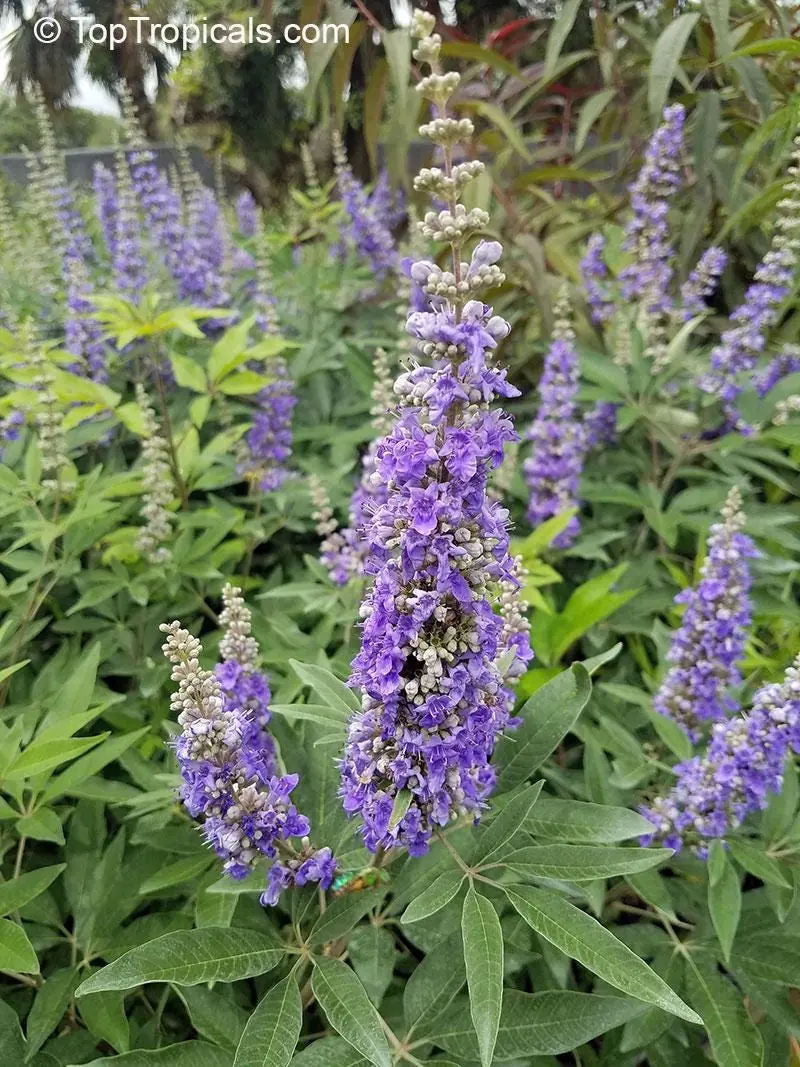
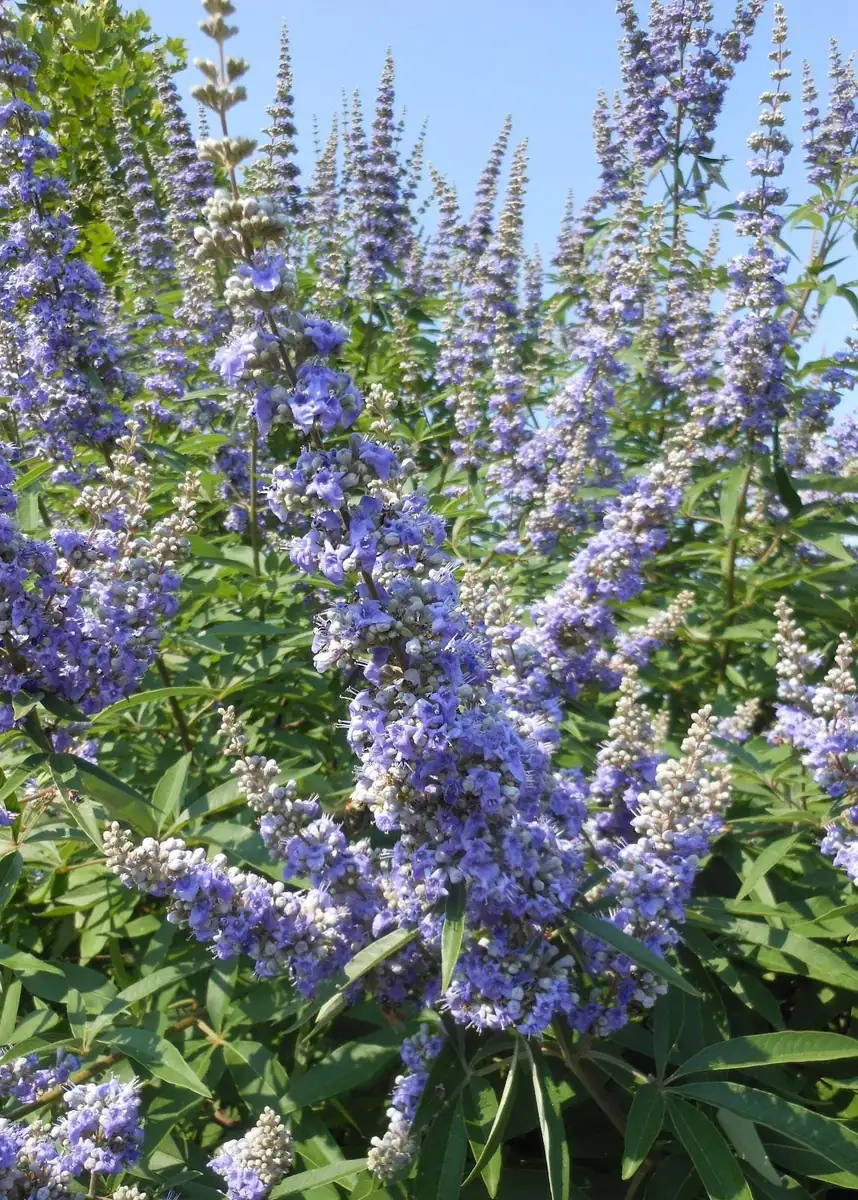
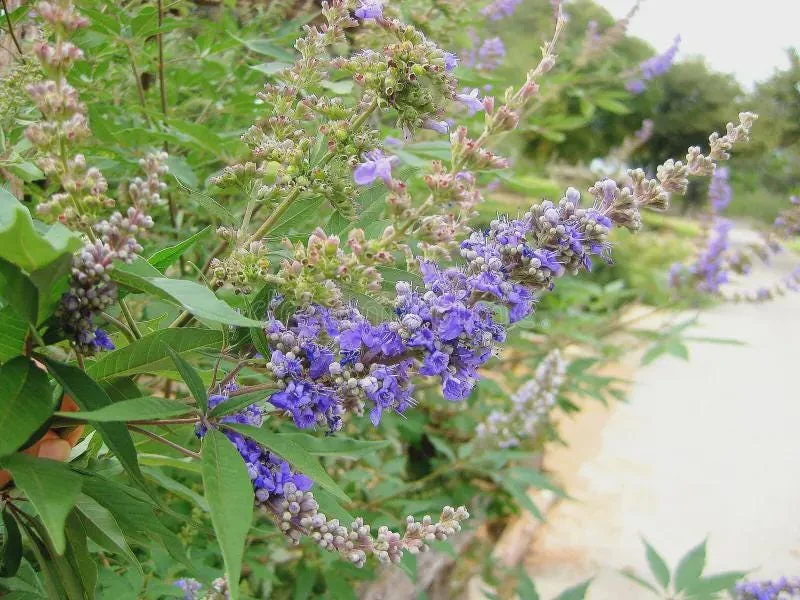
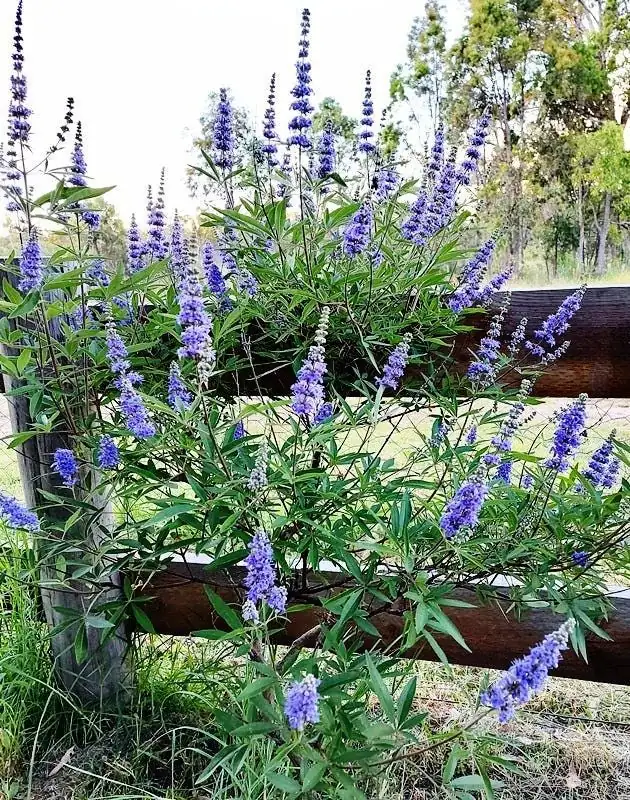
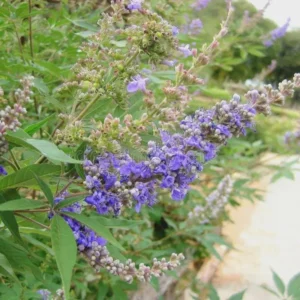
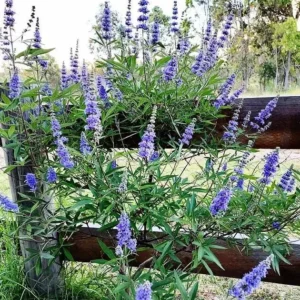
Introduce the beautiful chasteberry tree bare root (Vitex Agnus-Castus) to your landscape. This resilient plant features delicate, aromatic foliage and spikes of lavender flowers, making it a stunning addition. Known for its drought tolerance and ability to attract pollinators, it’s an excellent choice for wildlife-friendly gardens and xeriscaping.
From $71.96

With our Alive & Thrive Guarantee, we’ve got your back for the first 30 days! If you have any concerns about your plants, just reach out to us. Our team is here to help answer your questions and guide you in selecting the best plants for your garden, climate, and unique preferences. We're excited to help you create the garden of your dreams!
Estimated arrival
Jan 10
Jan 15 - Jan 17
Jan 20 - Jan 24

Product Details
-
USDA Hardiness Zone
USDA Zone 6 -
Soil type
Well-draining, loamy, neutral to alkaline soil -
Sunlight Exposure
Full sun -
Expected Planting Period
Early spring to late fall
Overview
Discover the enchanting chasteberry tree bare root, scientifically known as Vitex Agnus-Castus, often referred to as Lilac Chastetree. This magnificent deciduous shrub or small tree is a popular choice for gardeners seeking both ornamental beauty and ecological benefits. Our offering includes two bare root plants, ready to establish and flourish in your garden. The Vitex agnus-castus plant is celebrated for its distinctive aromatic foliage and the striking midsummer spikes of lavender flowers that continue to bloom into late summer, especially in cooler climates. These blossoms are not only visually appealing but also emit a pleasant fragrance, adding a sensory delight to your outdoor space. Originating from the Mediterranean region and parts of Asia, this plant has adapted well to various warm, temperate, and subtropical environments, naturalizing in many parts of the world, including the United States. Its adaptability and low-maintenance nature make it a fantastic addition to diverse garden styles, from formal landscapes to more naturalized settings.
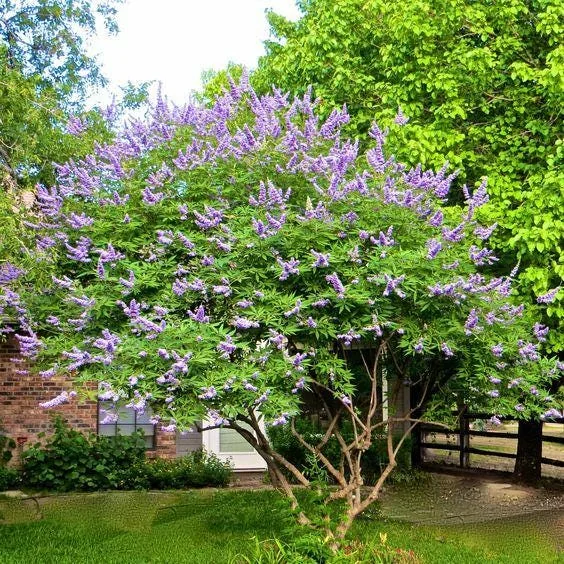
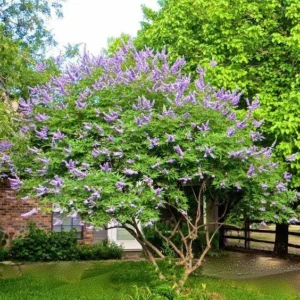
The chasteberry tree bare root is an excellent way to introduce this versatile plant to your garden. As a bare root specimen, it offers a cost-effective and efficient method for planting, allowing the plant to establish its roots directly into your soil. When mature, it can reach a height of 3–16 feet, providing a substantial presence without overpowering smaller spaces. Its delicate texture and vibrant blooms make it a focal point in any garden design. This plant thrives in sunny conditions and well-draining soil, making it particularly suitable for areas where water conservation is a priority. Embrace the opportunity to cultivate a plant that is both beautiful and beneficial to local ecosystems.
Key Benefits
The chasteberry tree bare root offers a multitude of advantages for any garden, combining aesthetic appeal with ecological functionality. Its robust nature and attractive features make it a prized specimen.
- Stunning Ornamental Value: The Vitex Agnus-Castus produces beautiful, fragrant lavender flowers in elegant spikes that bloom from mid to late summer, adding vibrant color and a delicate perfume to your garden when many other plants are fading. Its unique foliage also provides visual interest throughout the growing season.
- Attracts Pollinators: This plant is a magnet for beneficial insects and birds. The nectar-rich flowers of the Vitex agnus-castus plant actively draw in bees, butterflies, and hummingbirds, promoting biodiversity and supporting local ecosystems within your garden space.
- Drought-Tolerant Nature: Once established, the Chaste Tree is highly resistant to dry conditions, making it an ideal choice for xeriscaping and gardens in arid or water-restricted regions. This feature reduces the need for frequent watering, conserving precious resources.
- Low Maintenance & Easy Care: Known for its resilience, the lilac chastetree care requirements are minimal. It tolerates a range of soil types and can withstand various environmental stressors, making it suitable for both experienced gardeners and beginners alike.
- Versatile Landscape Use: Its adaptable growth habit allows it to be used as a specimen plant, in mixed borders, or even as a small tree. The Chaste Tree’s natural elegance enhances public parks, residential gardens, and erosion control projects.
- Supports Biodiversity: By attracting a wide array of pollinators and providing a natural habitat, the Chaste Tree plays a significant role in fostering a healthy and diverse garden environment, contributing to the overall ecological balance.
- Erosion Control: Its strong root system and ability to thrive in challenging soils make it an excellent choice for stabilizing slopes and preventing soil erosion in vulnerable areas.
Plant Care & Growing Tips
Proper care ensures your chasteberry tree bare root thrives and produces its signature lavender blooms. This resilient plant is relatively easy to care for, especially once established, but understanding its basic needs will lead to the best results. The Vitex Agnus-Castus prefers a location with full sun, meaning at least 6-8 hours of direct sunlight per day. While it can tolerate partial shade, optimal flowering and growth occur in sunnier spots. Ensure the planting site has well-draining soil, as waterlogged conditions can be detrimental. Loamy, neutral to alkaline soil is ideal, but the plant is quite adaptable to various soil types as long as drainage is good.
When it comes to watering, the Vitex agnus-castus plant is quite drought-tolerant once mature. During its establishment phase, typically the first year, provide regular watering to keep the soil consistently moist but not soggy. After this period, water sparingly, allowing the soil to dry out between waterings. Overwatering is a common mistake and can lead to root rot. Fertilization is not usually necessary for established plants, especially if grown in fertile soil. However, if your soil is poor, a balanced, slow-release fertilizer can be applied in early spring. The Chaste Tree is hardy to USDA Zone 6 (-10°F to 0°F), but in colder zones, it may die back to the ground during winter. Fortunately, it flowers on new wood, so vigorous growth in the following season will still produce abundant blooms. For optimal lilac chastetree care, prune in late winter or early spring to remove dead or weak branches and to shape the plant. This encourages bushier growth and more flowers. Protect young plants in colder climates with a layer of mulch around the base during winter.
Size & Details
This offering includes two chasteberry tree bare root plants, providing a strong start for your garden. As bare root specimens, they are shipped without soil around their roots, which is a common and effective method for transplanting deciduous trees and shrubs during their dormant season. Upon planting, these bare roots will establish quickly, developing a robust root system. The Vitex Agnus-Castus is a moderate to fast-growing plant, typically reaching a mature height of 3–16 feet (1–5 meters) and a spread of similar proportions, forming an attractive, multi-stemmed shrub or small tree. The exact dimensions will depend on growing conditions, climate, and pruning practices. Expect the plant to begin showing significant growth and flowering within 1-2 years after planting, with full maturity achieved over several years.
These bare root plants are ideal for planting in early spring or late fall when the plant is dormant, allowing them to focus energy on root development before the stress of active growth. Each bare root is carefully selected to ensure a healthy start. The drought tolerant plant nature means it can thrive even in challenging conditions, making it a resilient and long-lasting addition to your landscape. Prepare a spacious planting hole to accommodate the root system comfortably and ensure good soil contact for optimal establishment.
Frequently Asked Questions
- Q: How big do these 2 chasteberry tree bare root plants get? A: Once mature, the Vitex Agnus-Castus can typically grow to a height of 3–16 feet (1–5 meters) with a similar spread. Its size can be managed with pruning to fit your garden space.
- Q: When is the best time to plant the bare roots? A: The ideal time to plant your chasteberry tree bare root is in early spring or late fall when the plant is dormant. This allows the roots to establish before the demands of active growth.
- Q: Is this an indoor or outdoor plant? A: The Vitex Agnus-Castus is primarily an outdoor plant. It thrives in full sun and is well-suited for garden beds, borders, and as a specimen shrub or small tree in various landscape settings.
- Q: How much sunlight does the Vitex agnus-castus plant need? A: This plant requires full sun, meaning at least 6-8 hours of direct sunlight per day, for optimal growth and abundant flowering. It can tolerate partial shade, but blooms may be less prolific.
- Q: Is this plant easy to care for? A: Yes, the Chaste Tree is known for being relatively low-maintenance, especially once established. Its drought tolerance and adaptability to various soil types make it a great choice for gardeners of all skill levels. This makes lilac chastetree care quite straightforward.
- Q: What condition will the bare roots arrive in? A: Your chasteberry tree bare root plants will arrive in a dormant state, carefully packaged without soil around their roots, ready for immediate planting. This is a standard and effective method for shipping deciduous plants.
- Q: Will this drought tolerant plant survive winter in my zone? A: The Chaste Tree is hardy to USDA Zone 6. In zones 6 and above, it generally survives winter well. In colder zones, it may die back to the ground but typically regrows vigorously from the roots in spring.
- Q: How long until the Chaste Tree blooms? A: You can typically expect your Chaste Tree to begin flowering within 1-2 years after planting, with more abundant blooms as the plant matures. It flowers on new wood, so pruning in late winter won’t affect the current season’s blooms.
- Q: What kind of soil does the Vitex Agnus-Castus prefer? A: The plant thrives in well-draining soil, preferring loamy, neutral to alkaline conditions. Good drainage is crucial to prevent root issues.
- Q: Is the Chaste Tree a pollinator friendly tree? A: Absolutely! The fragrant lavender flowers are highly attractive to bees, butterflies, and hummingbirds, making it an excellent addition for supporting local pollinator populations in your garden.
| Choose Size | 12-18'', 18-24'', 2-3' |
|---|
Related products
-20%
Original price was: $36.00.$28.80Current price is: $28.80.
-10%
Original price was: $36.99.$33.29Current price is: $33.29.


-10%

Original price was: $23.99.$21.59Current price is: $21.59.
PLANTING & CARE

Best Types of Ivy Plant for Houses: How to Choose the Perfect Ones for Your Home
Are you a garden lover looking to introduce some greenery into your home? Maybe you’ve
14
Nov
Nov

When to Harvest Garlic (Especially Fall-Planted Garlic)
TIMING IS EVERYTHING, they say – and for garlic, that truth hits with surprising accuracy.
13
Nov
Nov

11 of the Best Sweet Potato Varieties to Grow for Your Garden
If you’ve ever tried growing sweet potatoes, you know that picking the right variety can
12
Nov
Nov

The Comprehensive Guide to Growing Bay Leaf Plants for a Flavorful Garden
Imagine stepping into your garden, greeted by the earthy aroma of fresh bay leaves, their
10
Nov
Nov
Pruning Bougainvillea for Winter
Bougainvillea vines are known for their dazzling display of magenta, orange, and fuchsia bracts that
05
Nov
Nov
The Comprehensive Guide to Growing Clerodendrum Wallichii for a Stunning Garden
Imagine walking into a garden where delicate white flowers hang from graceful branches, their petals
03
Nov
Nov
8 Mistakes to Avoid When Planting Garlic That 90% of Gardeners Make
Planting garlic can be a rewarding experience, but many gardeners, especially beginners, end up making
29
Oct
Oct

Garlic Varieties: Everything You Need to Know Before Choosing the Right Type to Grow
If you’ve ever tried growing garlic, you know that choosing the right variety can make
28
Oct
Oct