White Fringetree (Chionanthus virginicus) Bare Root Plant – 2 Pack
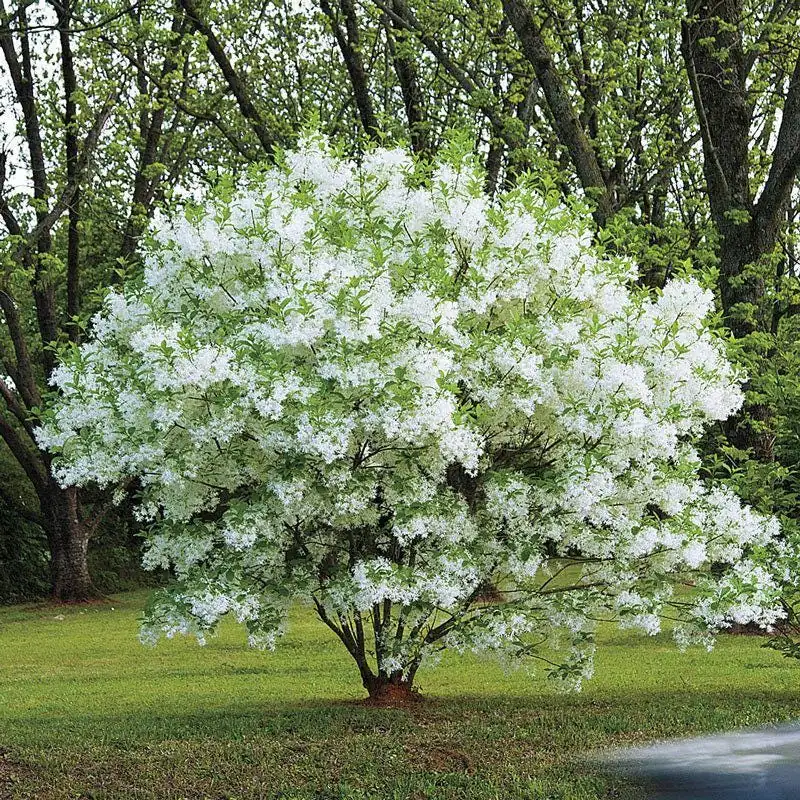
White Fringetree (Chionanthus virginicus) Bare Root Plant – 2 Pack
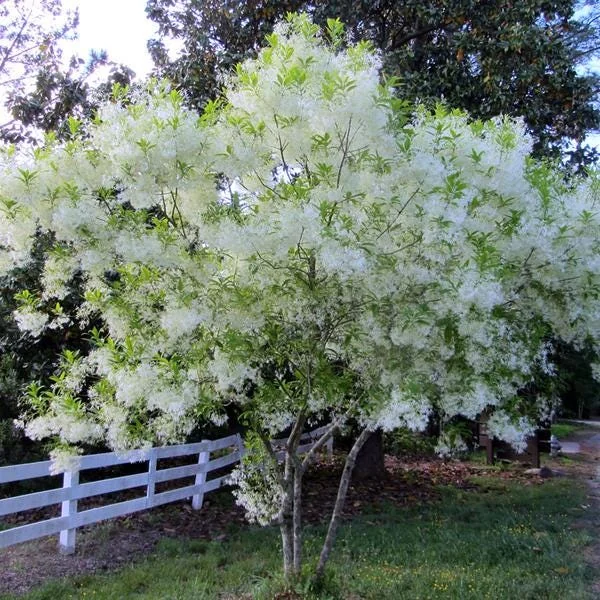
Enhance your landscape with the beautiful white fringetree bare root, a deciduous native tree known for its airy, fragrant white flowers in spring. This chionanthus virginicus tree is perfect for attracting birds and wildlife, offering year-round interest with yellow fall foliage and dark blue fruits.
From $75.96

With our Alive & Thrive Guarantee, we’ve got your back for the first 30 days! If you have any concerns about your plants, just reach out to us. Our team is here to help answer your questions and guide you in selecting the best plants for your garden, climate, and unique preferences. We're excited to help you create the garden of your dreams!
Estimated arrival
Mar 11
Mar 16 - Mar 18
Mar 21 - Mar 25
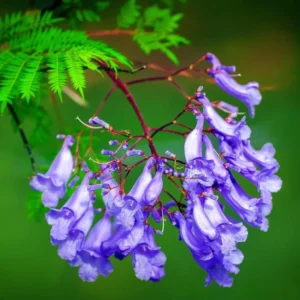
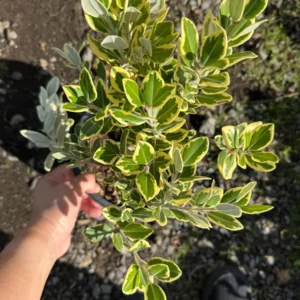
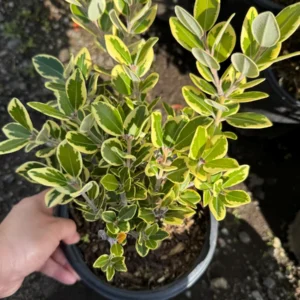
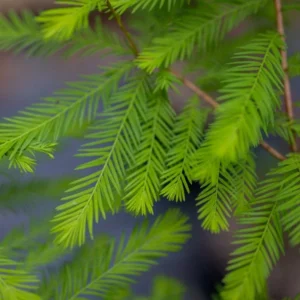

Product Details
-
USDA Hardiness Zone
USDA Zones 4-9 -
Soil type
Well-drained, moist, fertile soil -
Sunlight Exposure
Full sun to part shade -
Expected Planting Period
Late winter to early spring
Overview
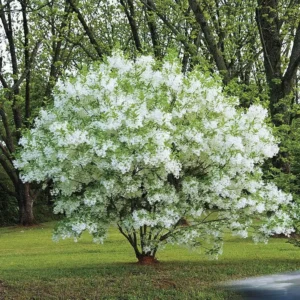
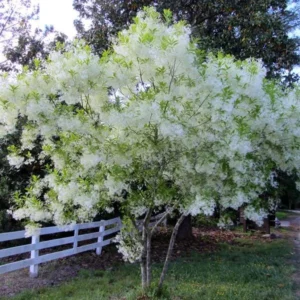
Introduce an elegant native beauty to your garden with the white fringetree bare root. Also known by its botanical name, Chionanthus virginicus tree, this deciduous Missouri native is a true spectacle, offering a graceful presence and year-round appeal. It typically grows as a large shrub or small tree, reaching 12-20 feet tall, though it can grow taller in its natural habitat. The common name, fringetree, perfectly captures its most striking feature: delicate, fringe-like, creamy white flowers that bloom in airy, terminal, drooping clusters (4-6 inches long) in spring. These slightly fragrant blossoms create a captivating display, making it a focal point in any landscape. This offering includes 2 bare root plants, ready for planting to establish a stunning addition to your outdoor space.
The Chionanthus virginicus tree is dioecious, meaning it typically has separate male and female plants, though some may have perfect flowers. Male flowers are often more showy. Following successful pollination, female or perfect flowers produce clusters of olive-like fruits that mature to a dark, bluish-black in late summer, providing an excellent food source for birds and other wildlife. Its wide, spear-shaped leaves (up to 8 inches long) provide lush green foliage throughout the growing season before transforming into a vibrant yellow in autumn, adding seasonal color to your garden.
This resilient native plant is relatively low-maintenance and adaptable, making it an excellent choice for various garden settings. Its tolerance to urban pollution makes it suitable for city gardens, while its preference for moist, fertile soils allows it to thrive in woodland gardens or near stream banks. Whether you’re aiming for a naturalized look or a specimen plant, the white fringetree bare root offers enduring beauty and ecological benefits.
Key Benefits
The white fringetree bare root provides numerous advantages for gardeners and the environment, making it a highly desirable addition to any landscape. Its unique characteristics contribute both aesthetic appeal and ecological value, ensuring a rewarding planting experience.
- Stunning Spring Blooms: Enjoy a breathtaking display of fragrant, creamy white, fringe-like flowers in late spring, creating an ethereal and airy effect in your garden. These blossoms are a true showstopper and a highlight of the season.
- Attracts Wildlife: The dark, bluish-black fruits that follow the flowers in late summer are a vital food source for various bird species and local wildlife, enhancing your garden’s biodiversity.
- Beautiful Fall Color: The large, spear-shaped leaves turn a brilliant yellow in autumn, adding a warm and vibrant splash of color to your landscape before the winter months.
- Adaptable & Resilient: Tolerant of air pollution and adaptable to urban settings, the Chionanthus virginicus tree is a robust choice for a variety of environments, making it suitable for both suburban and city gardens.
- Low Maintenance: Once established, this tree requires minimal pruning and is relatively easy to care for, making it an excellent option for gardeners seeking beauty without excessive effort. For easy fringetree care, ensure adequate moisture during dry periods.
- Native Plant Benefits: As a native deciduous tree, it supports local ecosystems, provides habitat, and is well-suited to the climate and soil conditions of its native region, requiring fewer resources than non-native alternatives.
- Fragrant Flowers: The delicate white flowers emit a subtle, pleasant fragrance, adding an extra sensory dimension to your garden experience.
Plant Care & Growing Tips
Proper fringetree care ensures a healthy and thriving plant that will grace your garden with its beauty for years to come. The Chionanthus virginicus tree is relatively easy to grow, but understanding its specific needs will help it flourish. It prefers a location with full sun to part shade. While it can tolerate full sun, it often performs best with some afternoon shade, especially in hotter climates, to protect its delicate flowers and foliage from scorching. Aim for at least 4-6 hours of direct sunlight daily for optimal growth and flowering. This plant is well-suited as a native deciduous tree in many regions.
When it comes to watering, the fringetree thrives in average, medium, well-drained soil. It particularly prefers moist, fertile conditions, especially during its establishment period. While it can tolerate some drought once mature, it is intolerant of prolonged dry conditions, so consistent moisture is key. Water deeply and regularly, especially during dry spells or in its first few years after planting. Ensure the soil remains consistently moist but not waterlogged to prevent root issues. A good layer of mulch around the base can help retain soil moisture and regulate soil temperature.
The Chionanthus virginicus tree is hardy in USDA zones 4-9. It adapts well to various soil types, but thrives in acidic to neutral, rich, and well-drained soils. Fertilization is not always necessary for established plants, especially if planted in fertile soil. However, if your soil is poor or you notice slow growth, a balanced, slow-release fertilizer can be applied in early spring before new growth begins. Pruning is seldom needed, as the tree naturally develops an attractive shape. Only prune to remove dead, damaged, or crossing branches, or to maintain its size and shape if desired. Its resilience against air pollution makes fringetree care surprisingly easy in urban environments, contributing to its appeal as a versatile landscape plant.
Size & Details
This offering includes 2 white fringetree bare root plants, ready for planting upon arrival. When mature, the Chionanthus virginicus tree typically grows to a height of 12-20 feet with a similar spread, though in ideal wild conditions, it can reach up to 35 feet tall. It exhibits a spreading, rounded habit, forming an attractive silhouette in the landscape. The leaves are wide and spear-shaped, growing up to 8 inches long, providing substantial foliage throughout the growing season. The flowers appear in clusters that are 4-6 inches long. As a bare root plant, it is shipped without soil around its roots, allowing for easier transport and planting. This form encourages the plant to establish a strong root system quickly once planted in its new location. Expect the tree to begin producing its characteristic fragrant white flowers within a few years of planting, with increasing abundance as it matures. Its moderate growth rate means it will establish well and become a prominent feature in your garden over time.
Frequently Asked Questions
- Q: How big does the white fringetree get? A: The white fringetree bare root typically grows 12-20 feet tall with a similar spread, forming a rounded, spreading habit. In optimal conditions, it can reach up to 35 feet in the wild.
- Q: Is this an indoor or outdoor plant? A: This is an outdoor deciduous tree, best suited for planting in gardens, landscapes, or naturalized areas where it can receive adequate sunlight and space to grow. It is a robust native deciduous tree.
- Q: How much sunlight does it need? A: The Chionanthus virginicus tree thrives in full sun to part shade. It prefers at least 4-6 hours of direct sunlight, with some afternoon shade beneficial in hotter climates to protect its blooms and foliage.
- Q: Is this plant easy to care for? A: Yes, the fringetree is considered relatively low-maintenance. Once established, it seldom needs pruning and is tolerant of air pollution, making fringetree care straightforward for most gardeners.
- Q: What condition will it arrive in? A: The product will arrive as 2 white fringetree bare root plants, meaning they are shipped dormant without soil around their roots. This is a common and effective way to ship deciduous trees.
- Q: When is the best time to plant a bare root fringetree? A: The best time to plant bare root trees is typically in late winter or early spring, before new growth begins. This allows the roots to establish before the stress of summer heat.
- Q: Will it survive winter in my zone? A: The Chionanthus virginicus tree is hardy in USDA Zones 4-9, meaning it can withstand winter temperatures in these regions. Ensure proper planting and care for best results in your specific zone.
- Q: What kind of soil does it prefer? A: It prefers average, medium, well-drained soil, ideally moist and fertile. It can adapt to various soil types but dislikes prolonged dry conditions.
- Q: Are the flowers fragrant? A: Yes, the creamy white, fringe-like flowers of the white fringetree bare root are slightly fragrant, adding a pleasant aroma to your garden during their spring bloom.
- Q: Does it attract birds? A: Absolutely! The dark, bluish-black fruits that develop in late summer are a favored food source for many bird species, making it an excellent choice for wildlife gardens.
| Chose Qty | 12-18'', 18-24'', 6-12'' |
|---|
Related products
-20%
Original price was: $36.00.$28.80Current price is: $28.80.

-20%
Original price was: $90.00.$72.00Current price is: $72.00.
PLANTING & CARE

The Comprehensive Guide to Growing Bay Leaf Plants for a Flavorful Garden
Imagine stepping into your garden, greeted by the earthy aroma of fresh bay leaves, their
09
Feb
Feb

How to Make Comfrey Tea: The Ultimate Organic Plant Food
Growing an organic garden can be surprisingly expensive, especially when most store-bought fertilizers come in
02
Feb
Feb

True Comfrey: 7 Essential Tips Before You Plant This Herb
A staple in permaculture practices across the US, True Comfrey easily earns its reputation as
27
Jan
Jan

7 Heart-Shaped Plants for a Lasting Valentine’s Gift
If you’ve ever bought a bouquet of roses for Valentine’s Day, you know they are
26
Jan
Jan

Best Types of Ivy Plant for Houses: How to Choose the Perfect Ones for Your Home
Are you a garden lover looking to introduce some greenery into your home? Maybe you’ve
14
Nov
Nov

When to Harvest Garlic (Especially Fall-Planted Garlic)
TIMING IS EVERYTHING, they say – and for garlic, that truth hits with surprising accuracy.
13
Nov
Nov

11 of the Best Sweet Potato Varieties to Grow for Your Garden
If you’ve ever tried growing sweet potatoes, you know that picking the right variety can
12
Nov
Nov

Pruning Bougainvillea for Winter
Bougainvillea vines are known for their dazzling display of magenta, orange, and fuchsia bracts that
05
Nov
Nov